USAF Tanker Squawks 7700 Emergency Signal Near Tel Aviv

Co-Founder & CEOAviation News Editor delivering trusted coverage across the global aviation industry.

A U.S. Air Force tanker aircraft issued a 7700 general emergency signal while on approach to Tel Aviv, prompting priority handling from air traffic...
Key Takeaways
- •Issued a 7700 general emergency squawk on approach to Tel Aviv.
- •Follows a similar emergency declaration by a U.S. tanker over the Strait of Hormuz.
- •Highlights increased open-source tracking of military tanker operations via ADS-B.
- •Prompts priority handling from air traffic control per ICAO regulations.
A U.S. Air Force tanker declared an in-flight emergency by broadcasting a squawk 7700 emergency code while on approach to Tel Aviv on May 5, 2026. The incident, which involved an aircraft returning to Ben Gurion Airport (TLV), follows a similar report of a USAF tanker issuing an emergency signal over the Strait of Hormuz, raising questions about the operational status of aerial refueling assets in the region.
The transmission of the 7700 transponder code is a universally recognized signal for a general emergency, immediately alerting Air Traffic Control (ATC) to an aircraft in distress. According to International Civil Aviation Organization (ICAO) regulations, this signal grants the flight priority over all other air traffic, enabling controllers to clear airspace and provide the most direct and safest route to a suitable airport.
Emergency Procedures and Public Visibility
The 7700 squawk does not specify the nature of the emergency, which could range from a critical mechanical failure to a medical issue onboard. The primary purpose is to communicate a state of urgency to ground controllers efficiently. Military aircraft operating in or near civilian airspace utilize these standard civil emergency codes to ensure seamless integration and safety with commercial traffic.
This event gained public attention largely due to open-source intelligence (OSINT) platforms and civilian flight tracking websites. These platforms utilize data from Automatic Dependent Surveillance-Broadcast (ADS-B) transponders, which are increasingly fitted on military support aircraft like tankers. While this technology enhances safety and coordination with civilian ATC, it also makes military flight patterns and potential incidents visible to a global audience, a factor that military security analysts argue can pose operational security risks during periods of heightened geopolitical tension.
U.S. Tanker Fleet in the Middle East
The United States Air Force (USAF) operates a significant fleet of tanker aircraft under the U.S. Central Command (CENTCOM) to support its regional operations. The workhorses of this fleet are the aging KC-135 Stratotanker and the newer Boeing KC-46 Pegasus. These aircraft provide critical aerial refueling capabilities for fighters, bombers, and surveillance aircraft, extending their range and endurance. An in-flight emergency on a tanker, which carries a massive fuel load, is treated with extreme caution by both the crew and air traffic controllers.
For U.S. Central Command (CENTCOM) air mobility operations, a pattern of in-flight emergencies could trigger a temporary grounding or a fleet-wide inspection to identify any potential systemic mechanical issues. The impact on regional ATC is more immediate, requiring controllers to reroute commercial flights and manage a potentially complex emergency landing sequence, which can cause temporary disruptions to airport operations.
U.S. Air Force Aerial Refueling Tankers: Key Specifications
| Metric | KC-46 Pegasus | KC-135 Stratotanker |
|---|---|---|
| Max Takeoff Weight | 415,000 lbs | 322,500 lbs |
| Fuel Capacity | 212,299 lbs | 200,000 lbs |
| Engines | 2x PW4062 | 4x CFM56 (R-model) |
Technical Analysis
The repeated instances of USAF tankers squawking 7700 in the Middle East point to a confluence of factors: an aging KC-135 fleet operating at a high tempo, the introduction of the newer but still-maturing KC-46, and the pervasive nature of ADS-B tracking. Historically, military aircraft have routinely used standard civil emergency codes for precautionary landings due to minor technical anomalies. However, the current geopolitical climate in the Middle East amplifies the scrutiny of each event. The data from platforms like Flightradar24 and ADS-B Exchange transforms what would have once been an internal operational issue into a publicly observable event. This development suggests that military air arms must now contend with a new level of transparency, where routine safety procedures can be misinterpreted or amplified by external observers, impacting public perception and potentially revealing operational vulnerabilities.
What Comes Next
An official statement regarding the nature of the in-flight emergency and the status of the aircraft is expected from U.S. Air Forces Central (AFCENT), the air component of CENTCOM. According to the U.S. Air Force, standard procedure involves a thorough maintenance review and incident report following any emergency declaration. The timeline for the release of specific details remains at the discretion of military authorities, who must balance public transparency with operational security. The incident was first noted by global news aggregators and followed by aviation observers online, similar to other regional events.
Why This Matters
This event underscores the constant operational pressures on military aviation assets in volatile regions. For aviation professionals, it highlights the effectiveness of universal emergency protocols in ensuring safety across military and civilian divides. The incident also serves as a case study in how open-source data is changing the landscape of military reporting, bringing near-real-time visibility to operations that were once opaque.
Frequently Asked Questions
- What does a 7700 squawk code mean for an aircraft?
- A 7700 squawk is a universal transponder code used by an aircraft to signal a general emergency to Air Traffic Control. Mandated by the International Civil Aviation Organization, it grants the aircraft priority handling, allowing controllers to clear airspace and provide immediate assistance.
- What type of aircraft is the U.S. Air Force KC-135 Stratotanker?
- The KC-135 Stratotanker is a long-serving military aerial refueling aircraft operated by the United States Air Force. It has a maximum takeoff weight of 322,500 pounds and is capable of carrying up to 200,000 pounds of transfer fuel to support a wide range of military missions.
Stay ahead of the airline industry with commercial aviation news from omniflights.com. Get the latest updates on major hubs, regional terminals, and airport operations via the Airports section at omniflights.com/airports.
Written by Hardik Vishwakarma
Co-Founder & Aviation News Editor leading initiatives that improve trust and visibility across the global aviation industry. Covers airlines, airports, safety, and emerging technology.
Visit ProfileYou Might Also Like
Discover more aviation news based on similar topics

Families Demand DCA Midair Collision Safety Reforms
Families of 67 victims from the 2025 DCA midair collision are pressing Congress for mandatory ADS-B In technology to prevent future aviation tragedies.

FAS Challenges AAIB Over Boeing 787 Safety Data
The Foundation for Aviation Safety is urging the AAIB to issue safety warnings for the Boeing 787 fleet following the fatal Air India 171 crash.

NTSB Safety Recommendations Lag Amid 6 Monthly Near-Misses
Approximately 6 near-miss incidents occur monthly at U.S. airports as 270 NTSB safety recommendations remain unaddressed by federal regulators.
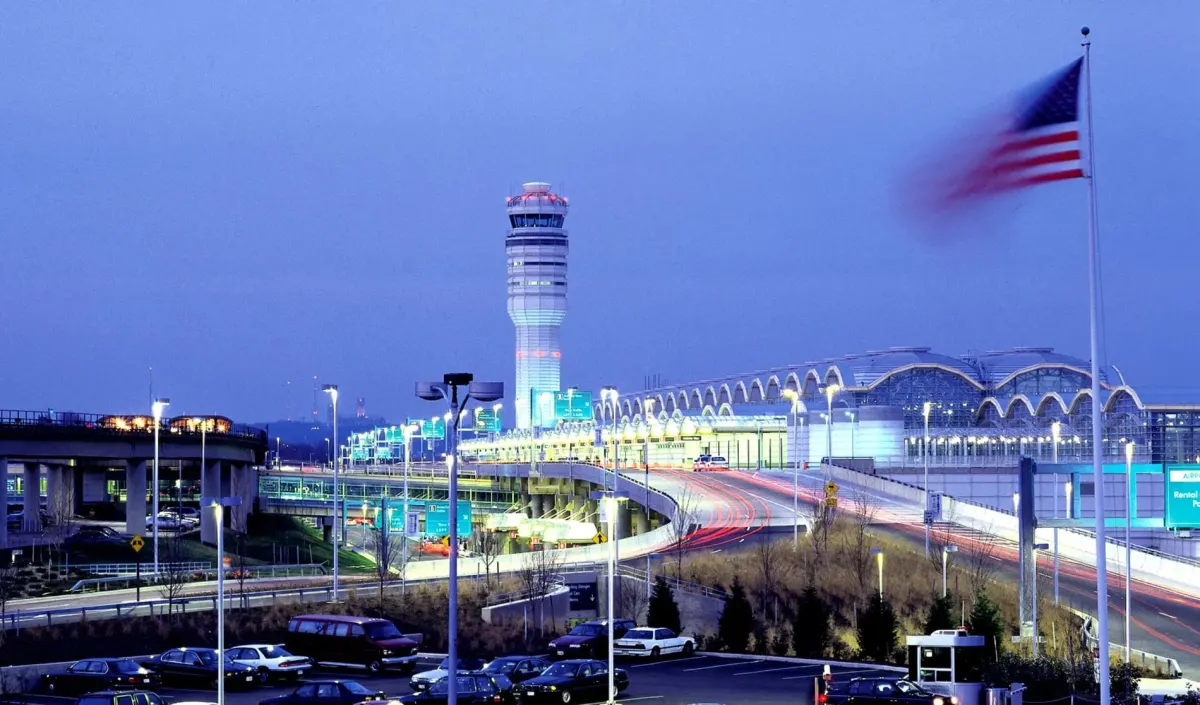
NTSB Rejects FAA Safety Responses After 67-Fatality Crash
The NTSB labeled 11 FAA responses to 2025 DCA mid-air collision recommendations as unacceptable, citing the lack of a mandatory ADS-B In requirement.
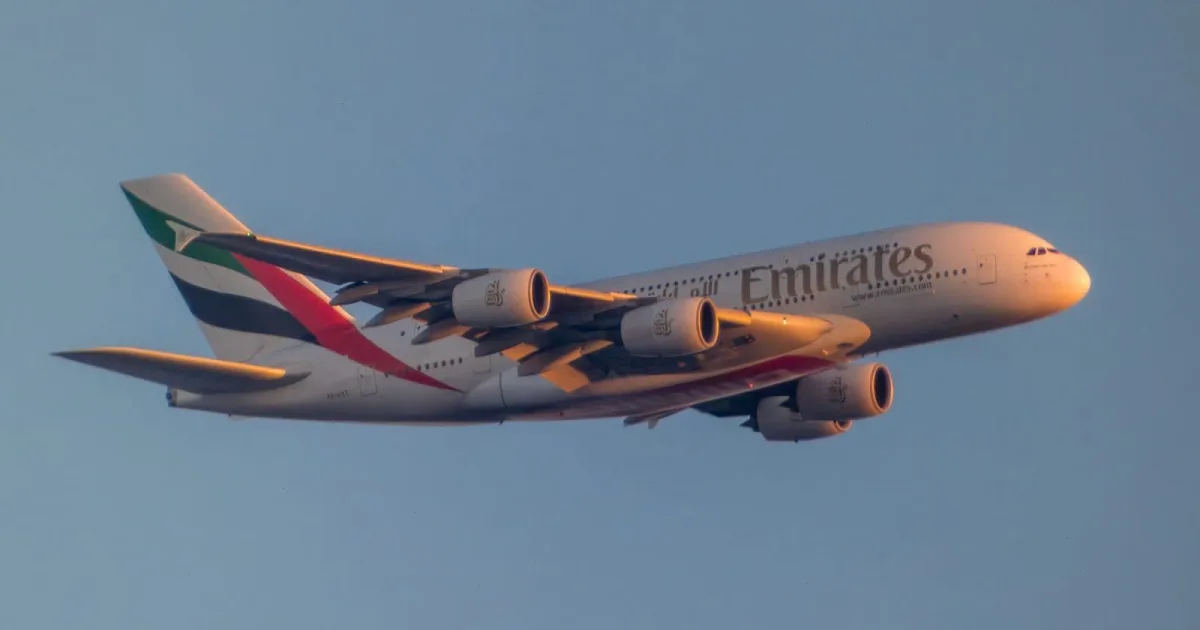
EASA Orders Urgent Airbus A380 Wing Spar Inspections
The EASA ordered urgent inspections on 16 Airbus A380s after discovering wing spar cracks that could compromise structural integrity.
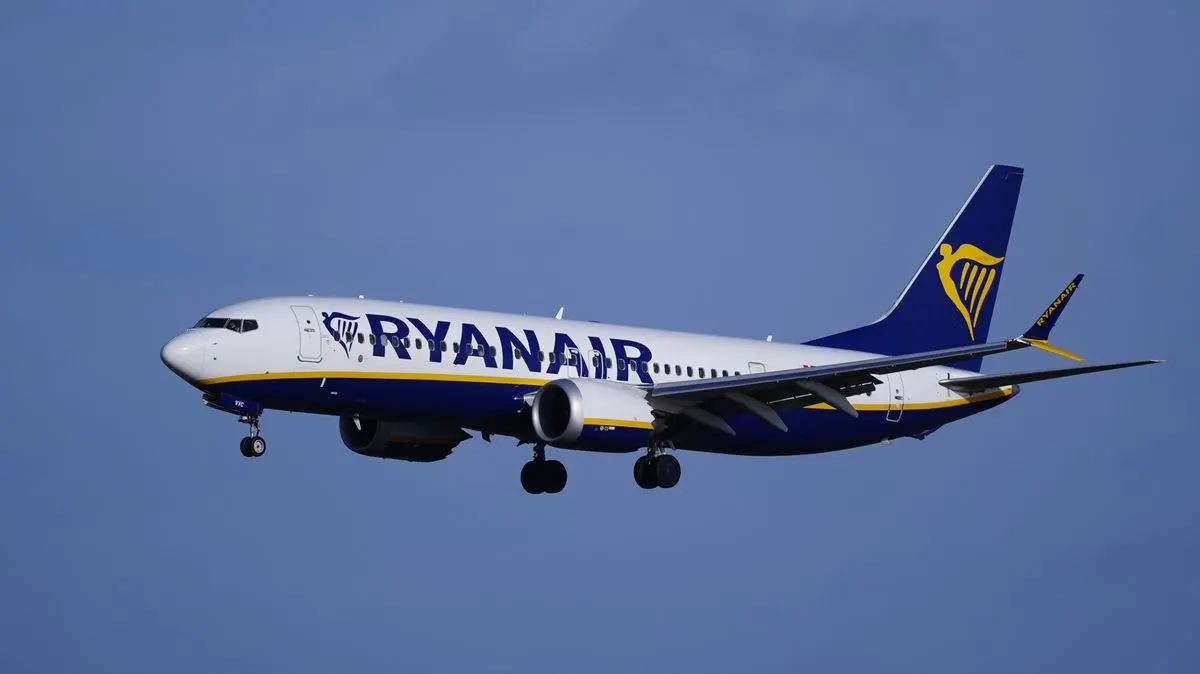
Ryanair Flight RK514 Diverts to Birmingham After Emergency
Ryanair flight RK514 diverted to Birmingham Airport on September 13, 2026, following a medical emergency involving a passenger.