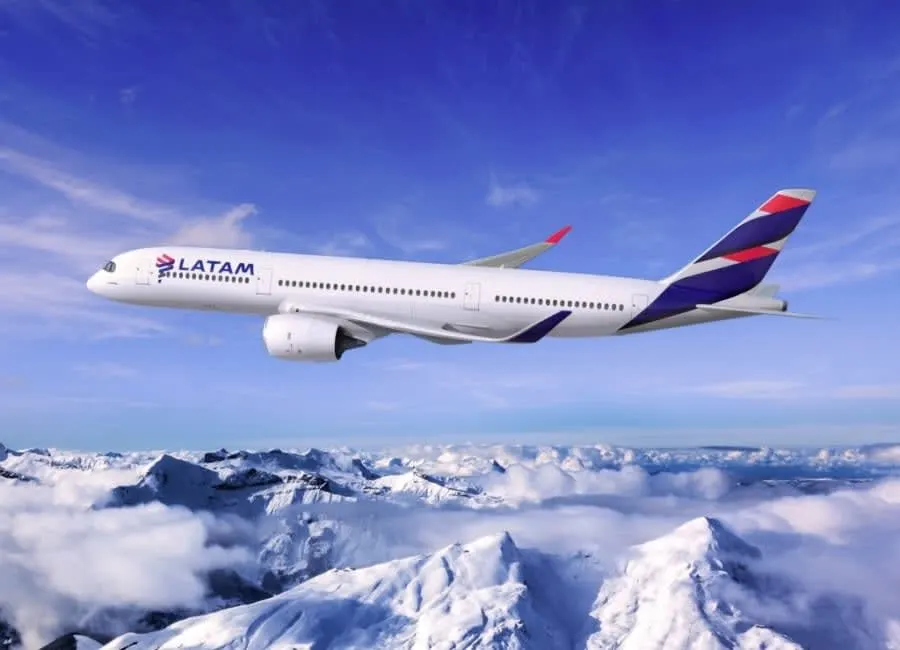
Norwegian Launches Denmark's First SAF-Powered Domestic Route


Norwegian Air Shuttle launched Denmark's first domestic flight using a 40% sustainable aviation fuel blend, a key step in the country's green plan.
Key Takeaways
- •Launches Europe's first state-supported domestic route using a permanent 40% SAF blend.
- •Reduces annual CO2 emissions by over 3,000 tons on the Aalborg-Copenhagen route.
- •Operates under a Danish government plan funded by an eco-tax and a €36 million subsidy.
- •Significantly exceeds the EU's 2025 ReFuelEU mandate requiring a 2% SAF blend.
A Norwegian Air Shuttle AOC AS (DY/NOZ) flight inaugurated Denmark's first domestic route powered by a high blend of Sustainable Aviation Fuel (SAF) on March 4, 2026. The flight from Aalborg Airport (AAL) to Copenhagen Airport (CPH) utilized a 40% SAF blend, marking a significant milestone in Europe's efforts to decarbonize air travel. The initiative is the first state-supported domestic route in Europe to operate with a permanent high-blend of SAF, moving beyond test flights and temporary demonstrations.
This development establishes a new model for accelerating the adoption of greener fuels in aviation. According to a Norwegian Air Shuttle press release, the consistent use of a 40% SAF blend on this route is expected to reduce annual CO2 emissions by over 3,000 tons. The airline has committed to operating the route with this fuel mix throughout 2026 and 2027. The SAF, produced from used cooking oil, represents a tangible step in reducing the carbon footprint of domestic air travel, supported by a comprehensive government framework.
A New Model for Green Aviation
The Aalborg-Copenhagen route is a direct outcome of Denmark's national political agreement, "Green Aviation in Denmark," adopted in 2023. This policy framework aims to accelerate the transition to sustainable domestic aviation through direct state support, addressing the significant cost barrier associated with SAF, which can be two to eight times more expensive than conventional jet fuel.
"While many are discussing the path towards lower-emission aviation, Denmark is leading the way and showing how this can be done in practice," said Geir Karlsen, CEO of Norwegian. "This is not just a new route. It is a new model for how we accelerate the transformation of aviation, because it creates demand for SAF."
The collaboration between the government, the airline, and airport authorities was crucial. Niels Hemmingsen, CEO of Aalborg Airport, commented on the airport's role in the initiative: "We are very proud that Aalborg will be the starting point for Europe's first permanent domestic route with 40 percent SAF. The transformation of aviation begins with concrete actions."
Regulatory Framework and Government Support
The Danish initiative is backed by substantial financial commitments. In July 2025, the European Commission approved a €36 million Danish state aid scheme specifically to subsidize the additional cost of SAF for domestic flights. Furthermore, the Danish government has allocated 800 million kroner ($125 million) between 2025 and 2029 for its broader green aviation plan. Funding for these subsidies is partly generated by the Danish Air Passenger Eco-Tax, introduced in December 2023, which directly links passenger travel to the financing of the industry's green transition.
This state-supported flight significantly outpaces current European Union mandates. The ReFuelEU Aviation regulation requires fuel suppliers to provide a minimum SAF blend of just 2% starting in 2025, a figure set to rise incrementally to 70% by 2050. Denmark's 40% blend demonstrates a more aggressive approach to decarbonization. The blend percentage is also near the maximum currently permitted by international regulations from bodies like the International Civil Aviation Organization (ICAO), which allow for up to a 50% SAF blend in commercial aircraft.
Broader Industry Implications
This route serves as a practical case study for how public-private partnerships can overcome the economic hurdles of SAF adoption. By creating a state-supported market for high-blend SAF, Denmark aims to stimulate production and drive down costs over the long term. The model provides a clear demand signal to SAF producers, which is critical for scaling up the industry.
For Norwegian Air Shuttle, this aligns with its broader sustainability strategy. The airline is also investing in future SAF production through a partnership with Norsk e-Fuel to construct a plant for synthetic e-fuels. According to the official airline press release, Norwegian aims to secure 20% of its total SAF demand from this venture by 2030. This dual approach of utilizing available biofuels now while investing in future e-fuel technology positions the airline as a proactive player in the industry's energy transition.
Why This Matters
This state-supported route establishes a viable blueprint for accelerating SAF adoption across Europe. It demonstrates how targeted government subsidies, funded through environmental taxes, can make high-blend SAF routes commercially feasible for airlines. The initiative moves the industry beyond voluntary actions and test programs, creating a permanent, operational model that directly addresses aviation's carbon emissions and sets a new, higher benchmark for regional decarbonization efforts.
From airline operations to fleet updates, commercial aviation news lives at omniflights.com. From aircraft production to supply chains, commercial aviation manufacturing news is covered at omniflights.com/manufacturing.

Written by Ujjwal Sukhwani
Aviation News Editor & Industry Analyst delivering clear coverage for a worldwide audience. Covers flight operations, safety regulations, and market trends with expert analysis.
Visit ProfileYou Might Also Like

American Airlines Flies First U.S. eSAF Passenger Flight
Akasa Air Partners with BPCL to Advance SAF in India

Delta, Shell Aviation Ink 5-Year SAF Supply Agreement
Indonesia to Mandate 1% SAF Blend for Flights by 2027
Gulfstream G800 Completes 100% SAF High-Altitude Emissions Test