Norse Atlantic Halts LAX Flights for Summer 2026 Amid Fuel Price Surge

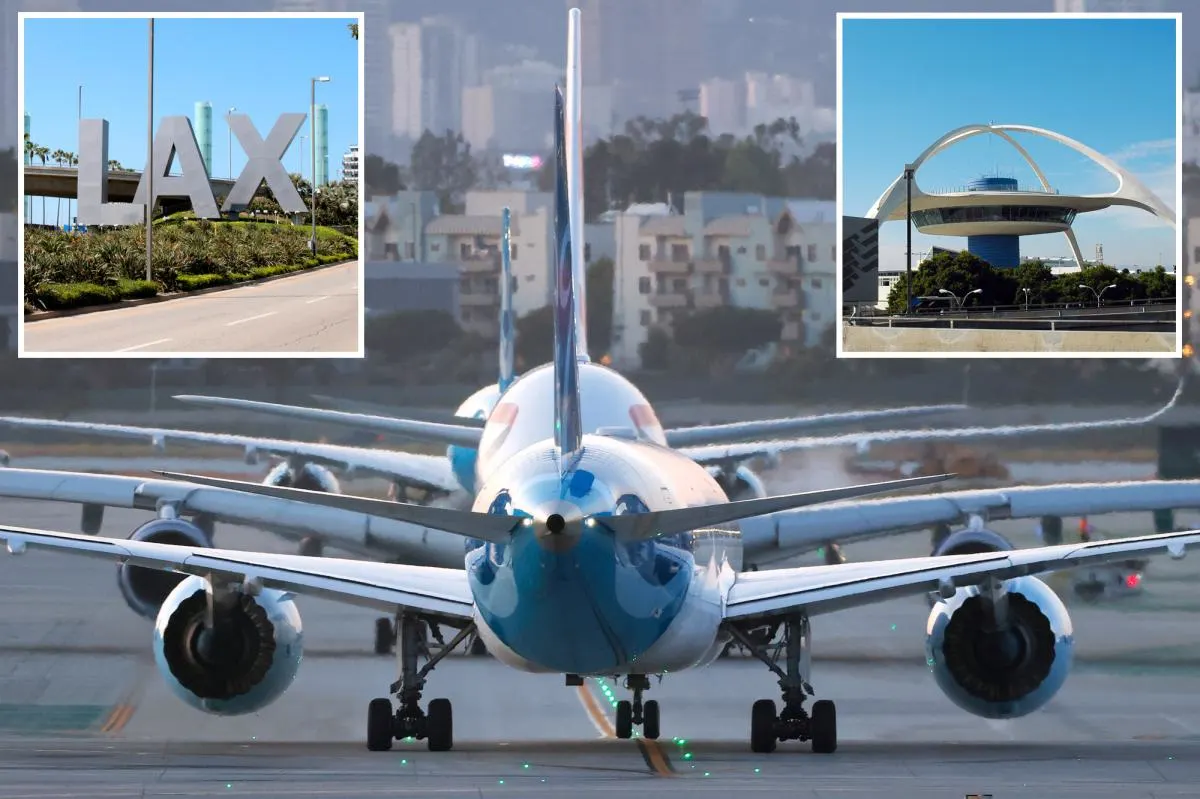
Norse Atlantic Airways canceled all Los Angeles flights for summer 2026, citing soaring jet fuel prices that made its transatlantic routes unsustainable.
Key Takeaways
- •Cancels all Los Angeles (LAX) flights for the Summer 2026 season.
- •Cites soaring jet fuel prices, which surpassed $200 per barrel and 55% of operating costs.
- •Shifts focus to more resilient East Coast routes from JFK and MCO.
- •Offers affected passengers a full refund or a travel credit with a 25% bonus.
Low-cost transatlantic carrier Norse Atlantic Airways is ceasing all service from Los Angeles International Airport (LAX) for the Summer 2026 season, a direct response to a dramatic surge in jet fuel prices that has made its longest routes financially unviable. The airline confirmed it has removed all flights connecting LAX with European destinations, including London, Paris, and Rome, from its upcoming schedule.
The decision follows a period of intense volatility in the global energy market, with oil prices climbing to $200 per barrel amid geopolitical tensions. For Norse, which operates on the thin margins of the long-haul, low-cost (LHLCC) model, the impact was acute. According to industry analysis, fuel costs on its ultra-long-haul sectors from the U.S. West Coast had exceeded 55% of total operating expenses, rendering the routes unsustainable despite strong passenger demand.
In a communication to affected passengers, the airline cited an "extraordinary surge in oil prices, followed by unpredictable fuel supply constraints" as factors beyond its control. The move underscores the economic fragility of the LHLCC model when faced with significant commodity price shocks. The situation is particularly notable as Norse had recently posted strong performance metrics. The airline's March 2026 traffic report showed a record Total Revenue per Available Seat Kilometer (TRASK) of 6.4 US cents, a 59% increase year-over-year. However, even this record unit revenue was insufficient to offset the crippling fuel costs on its Los Angeles routes.
Industry Impact and Strategic Pivot
Norse Atlantic CEO Eivind Roald stated that despite the record revenue, an "unprecedented increase in the jet fuel price" forced the difficult decision to protect the carrier's long-term sustainability. In response, the airline is pivoting its strategy to concentrate on more stable and economically resilient routes. This includes bolstering its East Coast operations from John F. Kennedy International Airport (JFK) in New York and Orlando International Airport (MCO), which involve shorter, less fuel-intensive transatlantic crossings. The carrier will also maintain its focus on other long-haul flights to destinations like Bangkok and Cape Town.
The withdrawal leaves a significant gap in the budget travel market for Southern California. The primary stakeholders affected are travelers seeking affordable direct flights to Europe, who now face higher fares from legacy carriers. Competitors such as United and Delta have already increased fares by up to 40% on these routes in recent weeks, citing their own rising costs and capitalizing on the reduced competition. For passengers whose flights were canceled, Norse is offering a full refund, rebooking on an alternative date, or a travel credit for the full ticket price plus a 25% bonus.
Historical Context: The Fragility of the LHLCC Model
This development is reminiscent of previous struggles within the transatlantic budget sector. In January 2021, Norwegian Air Shuttle ceased its long-haul operations and retired its Boeing 787 fleet to restructure as a short-haul carrier, a pattern that highlights the difficulty of sustaining the LHLCC model. Other precedents include the abrupt bankruptcies of Primera Air in October 2018 and WOW air in March 2019, both of which collapsed under the pressure of high operating costs and fuel price volatility. Norse's proactive cancellation of its most challenging routes appears to be a strategic move to avoid a similar fate.
Technical Analysis
The data suggests that the LHLCC model's core vulnerability lies in its high exposure to fuel price fluctuations on ultra-long-haul sectors. Unlike legacy airlines that can offset costs through premium cabins, cargo operations, and extensive loyalty programs, budget carriers rely almost exclusively on high load factors and ancillary revenue. When a primary cost component like fuel surges beyond a critical threshold, the entire economic foundation of a route can collapse. Norse's decision to cut its LAX network, while painful for West Coast customers, is a rational defensive maneuver. It follows the historical pattern where LHLCCs are forced to retreat from their most ambitious routes to protect their core, more profitable network during periods of economic stress.
What Comes Next
The immediate future will see Norse focus on executing its revised Summer 2026 schedule without a Los Angeles presence. The airline's Q2 2026 financial results, expected in August 2026, will provide the first clear data on the financial impact of this strategic withdrawal and the performance of its refocused East Coast operations.
Why This Matters
Norse Atlantic's exit from Los Angeles is a clear indicator of the severe economic pressures facing the aviation industry. It highlights the inherent risks of the long-haul, low-cost business model and demonstrates how geopolitical events can directly impact airline networks and consumer travel options. For passengers, it signals a period of higher fares and fewer budget choices on transatlantic routes, reinforcing the market power of established legacy carriers.
Frequently Asked Questions
- Why did Norse Atlantic cancel its Los Angeles flights for Summer 2026?
- Norse Atlantic canceled its Los Angeles (LAX) flights due to an extreme surge in jet fuel prices, which rose to $200 per barrel. This made its ultra-long-haul routes from LAX financially unsustainable, with fuel costs exceeding 55% of total operating expenses for those flights.
- What options are available for passengers with canceled Norse Atlantic LAX tickets?
- Affected passengers have three options: they can rebook on a different date, accept a travel credit for the full ticket value plus a 25% bonus, or receive a full refund.
- How does the long-haul low-cost airline model struggle with high fuel prices?
- The long-haul, low-cost carrier (LHLCC) model is highly vulnerable to fuel price shocks because its business relies on thin margins and low fares. Unlike legacy carriers with profitable premium cabins, LHLCCs have little ability to absorb sudden cost increases, especially on fuel-intensive ultra-long-haul routes.
Visit omniflights.com for the latest commercial aviation news and airline industry updates. For reporting on UAP sightings, investigations, and aviation-related encounters, see the UAPs section at omniflights.com/uaps.

Written by Hardik Vishwakarma
Co-Founder & Aviation News Editor leading initiatives that improve trust and visibility across the global aviation industry. Covers airlines, airports, safety, and emerging technology.
Visit ProfileYou Might Also Like
Lufthansa A350-1000 to Debut on Munich-Haneda Route
Cathay Pacific Weighs Widebody Fleet Expansion Plans
American Airlines Drops 3 Routes Amid Network Optimization
JAL Orders 16 Embraer E190-E2 Jets for Regional Fleet
Volaris-Viva Merger Expected to Gain CNA Approval