SpiceJet Flight SG-51 Delayed 9 Hours at Pune Airport

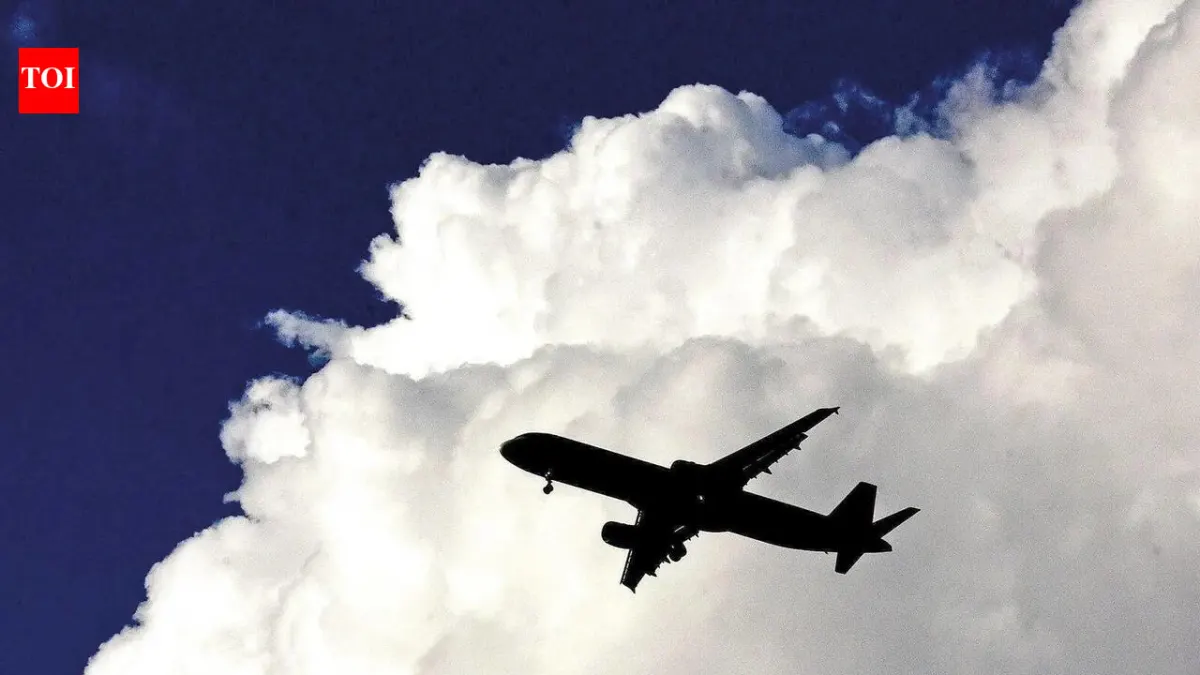
SpiceJet flight SG-51 faced a nine-hour delay at Pune Airport, leaving passengers stranded without basic amenities amid ongoing operational challenges.
Key Takeaways
- •SpiceJet flight SG-51 suffered a 9-hour delay at Pune Airport.
- •Passengers were left without mandated food and water during the wait.
- •SpiceJet's active fleet has dropped to approximately 13-21 aircraft.
- •DGCA rules mandate passenger care for significant flight delays.
Operational Disruption at Pune Airport
Passengers traveling on SpiceJet flight SG-51 from Pune Airport (PNQ) to Dubai International Airport (DXB) experienced a significant 9-hour delay on the night of June 1-2, 2026. The flight, which was originally scheduled for an 8:50 PM departure, was pushed deep into the early morning hours, forcing passengers to remain in the terminal overnight. According to official flight status records, the delay was compounded by a lack of basic amenities, including food and water, which triggered widespread passenger frustration and concerns regarding regulatory compliance.
The Impact of Fleet Contraction
The disruption highlights the broader operational instability currently facing SpiceJet. As of May 2026, the carrier's active operational fleet has contracted significantly, with reports indicating a reduction to approximately 13 to 21 active aircraft. This represents a mere fraction of the airline's pre-pandemic capacity, a decline largely attributed to ongoing financial distress and unresolved lessor disputes. For passengers, this structural contraction frequently manifests as ad-hoc schedule adjustments and increased susceptibility to cascading delays when individual aircraft experience maintenance requirements.
Regulatory Requirements and Passenger Rights
Under the Directorate General of Civil Aviation (DGCA) Civil Aviation Requirements (CAR), airlines are strictly mandated to provide meals, refreshments, and appropriate care to passengers when flights are significantly delayed. Specifically, CAR Section 3, Series M, Part IV stipulates that carriers must offer assistance when delays exceed two to four hours, depending on the route's block time. The failure to provide these services during the SG-51 incident has drawn criticism from consumer advocacy groups, who argue that airlines often use vague descriptions of "operational issues" to avoid fulfilling mandatory passenger care obligations.
Expert Commentary and Safety Context
In response to the incident, a SpiceJet spokesperson confirmed that the flight was initially delayed due to an operational issue in the previous rotation, followed by a "last-minute maintenance requirement" that necessitated further delays. The airline stated it deeply regrets the inconvenience caused to passengers. While management maintains that safety protocols—including last-minute maintenance—must remain the absolute priority to prevent in-flight emergencies, the recurring nature of these incidents has led to increased regulatory scrutiny from the DGCA.
Historical Precedents and Industry Trends
This incident mirrors historical struggles within the Indian low-cost carrier sector. In 2014, SpiceJet faced a near-collapse when it briefly grounded its entire fleet due to unpaid fuel bills, a situation resolved only through emergency funding. More recently, the 2023 bankruptcy of Go First serves as a stark precedent for the consequences of chronic fleet groundings and an inability to maintain schedule reliability. The current situation at SpiceJet suggests a similar vulnerability, where financial fragility directly impacts the quality of service and passenger experience.
What Comes Next for SpiceJet
The DGCA is expected to issue a show-cause notice to the airline regarding the failure to provide mandated passenger amenities during the June 1-2 delay. Meanwhile, the airline continues to pursue fleet ungrounding targets, with management aiming to restore a larger portion of its inactive fleet by late 2026. Tracking these corporate updates will be critical for stakeholders assessing the long-term viability of the carrier's current business model.
Why This Matters for Indian Aviation
The SG-51 incident serves as a bellwether for the reliability of domestic low-cost carriers operating in a high-cost environment. For passengers, the event underscores the importance of understanding their rights under DGCA regulations when confronted with extended delays. For the broader industry, the incident signals that regulatory bodies are intensifying their oversight of passenger rights, potentially imposing stricter penalties on carriers that prioritize operational cost-cutting at the expense of basic passenger care.
Frequently Asked Questions
- What are the DGCA rules regarding passenger care for delayed flights?
- Under DGCA Civil Aviation Requirements, airlines are mandated to provide meals, refreshments, and appropriate care to passengers when flights are significantly delayed beyond two to four hours, depending on the route's block time.
- Why has SpiceJet experienced frequent flight delays recently?
- SpiceJet has faced significant operational instability due to a severe contraction in its active fleet, which has dropped to approximately 13 to 21 aircraft as of May 2026, alongside ongoing financial issues and lessor disputes.
Access up-to-date commercial aviation news and airline industry developments via omniflights.com. Stay informed on aviation incidents, investigations, and best practices in the Safety category at omniflights.com/safety.

Written by Hardik Vishwakarma
Co-Founder & Aviation News Editor leading initiatives that improve trust and visibility across the global aviation industry. Covers airlines, airports, safety, and emerging technology.
Visit ProfileYou Might Also Like

Lufthansa A350-1000 to Debut on Munich-Haneda Route
Cathay Pacific Weighs Widebody Fleet Expansion Plans
American Airlines Drops 3 Routes Amid Network Optimization

JAL Orders 16 Embraer E190-E2 Jets for Regional Fleet
Volaris-Viva Merger Expected to Gain CNA Approval