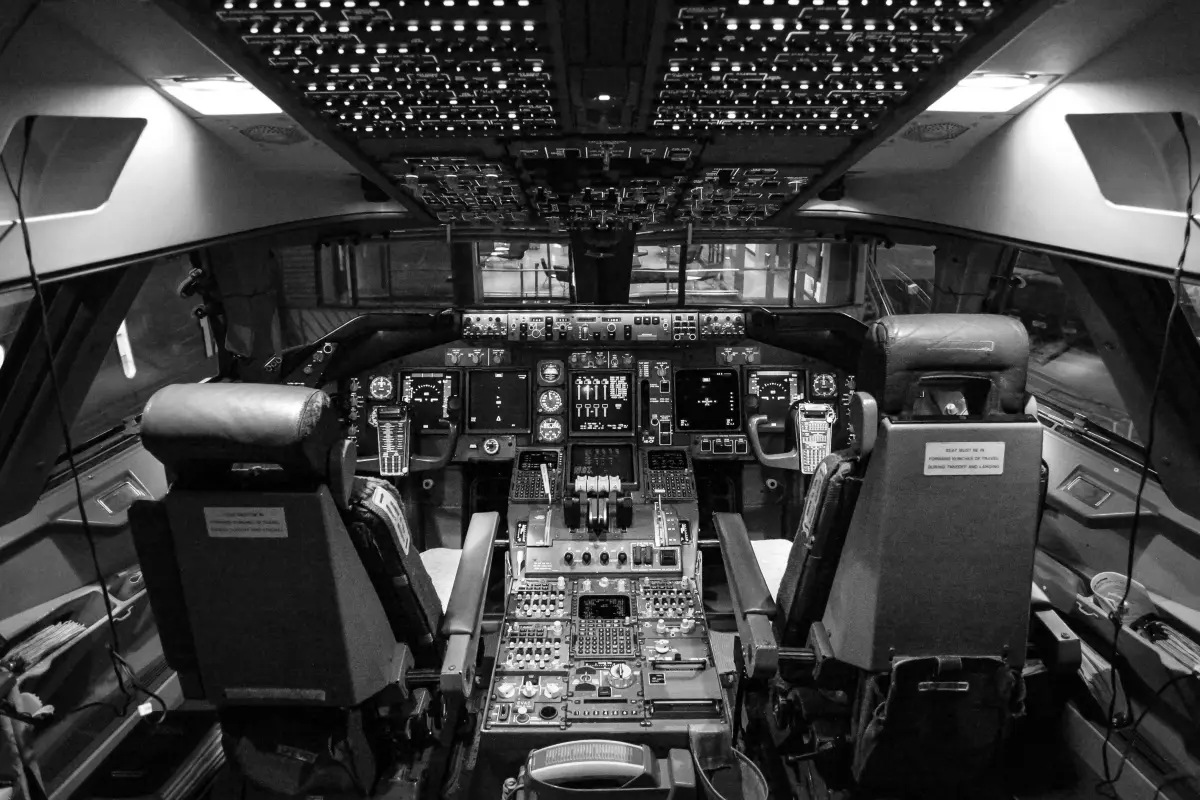
Singapore Airlines Launches Daily Hangzhou Service


Singapore Airlines has inaugurated daily flights to Hangzhou, marking its return to the city after 28 years with the Airbus A350-900 Medium Haul.
Key Takeaways
- •SIA launches daily Singapore-Hangzhou flights using the A350-900 Medium Haul.
- •The route marks SIA's return to Hangzhou after a 28-year absence.
- •SIA Group now serves 22 destinations across mainland China.
- •The A350-900 Medium Haul configuration offers 303 seats total.
SIA Returns to Hangzhou
Singapore Airlines (SIA) has officially launched a new daily direct service between Singapore Changi Airport (SIN) and Hangzhou Xiaoshan International Airport (HGH). This development marks the carrier's ninth passenger destination in mainland China and represents its return to the city after a 28-year hiatus. The route is operated by the Airbus A350-900 Medium Haul aircraft, a wide-body variant optimized for regional operations. The expansion highlights the airline’s strategic focus on the Yangtze River Delta, a region that has evolved into a global center for technology and e-commerce.
Operational Impact and Market Strategy
This new Singapore Airlines Hangzhou flight serves as a cornerstone of the airline's broader strategy to capture premium business travel demand. The SIA direct route China network now encompasses 22 destinations, reflecting a robust recovery in bilateral travel. Between April 2025 and March 2026, the SIA Group transported over 4 million passengers between Singapore and mainland China. The addition of this daily frequency increases total weekly capacity between the two cities to approximately 25 to 26 flights, providing significant flexibility for business travelers.
According to Singapore Airlines management, the move is supported by the Mutual 30-Day Visa-Exemption Arrangement implemented in February 2024. This regulatory framework, established by the Immigration & Checkpoints Authority (ICA) and the China National Immigration Administration, has been a primary catalyst for rising passenger demand. By deploying the Airbus A350-900 medium haul aircraft, which features 303 seats—40 in Business Class and 263 in Economy Class—the airline provides a premium alternative to the existing low-cost options currently serving the route.
The Dual-Brand Model
The introduction of mainline service alongside the existing presence of its low-cost subsidiary, Scoot, underscores a dual-brand strategy. While Scoot continues to cater to price-sensitive leisure travelers, Singapore Airlines targets the high-yield corporate segment. This approach aims to maximize market penetration in Hangzhou, where passenger traffic across all carriers reached 148,800 in the first five months of 2026, representing a 10% year-over-year increase.
Airbus A350-900 MH vs. Long Haul: Key Specifications
| Metric | A350-900 Medium Haul | A350-900 Long Haul |
|---|---|---|
| Total Capacity | 303 seats | 253 seats |
| Business Class | 40 seats | 42 seats |
| Premium Economy | 0 seats | 24 seats |
| Economy Class | 263 seats | 187 seats |
Technical Analysis: Regional Connectivity
This launch follows a pattern of mainline upgauging to secondary Chinese hubs. Historically, Singapore Airlines withdrew from Hangzhou in November 1998 during the Asian Financial Crisis. The 2026 relaunch signals a shift in the regional economic landscape, positioning Hangzhou as a critical node in the airline's network. The deployment of the Airbus A350-900 allows the carrier to optimize cabin density for regional routes up to eight hours, effectively balancing operational costs with premium service offerings. As the Yangtze River Delta continues to integrate into global supply chains, the presence of a full-service carrier provides essential connectivity for corporate entities and international transit passengers.
What Comes Next: Q3 Operational Review
Stakeholders are now looking toward the first full quarter of operational data, which is expected by October 2026. The Civil Aviation Administration of China (CAAC) will monitor the route's load factors as part of the broader Bilateral Air Services Approval process. These metrics will determine the long-term sustainability of the daily frequency and potential for further capacity adjustments in the coming fiscal year.
Why This Matters for the Yangtze River Delta
For business travelers in the Yangtze River Delta, the new service provides access to a global network via Changi, significantly reducing transit times for international travel. Furthermore, the move intensifies competition for established carriers, such as China Eastern and Xiamen Air, which must now contend with a premium-focused entrant on a high-growth route. This development solidifies the strategic importance of Hangzhou as an international gateway.
Frequently Asked Questions
- What aircraft does Singapore Airlines use on the Hangzhou route?
- Singapore Airlines operates the Hangzhou route using the Airbus A350-900 Medium Haul variant, which features a total capacity of 303 seats.
- Why did Singapore Airlines return to Hangzhou after 28 years?
- The relaunch is a strategic response to the economic growth of Hangzhou as a tech hub and is supported by the 2024 mutual 30-day visa-exemption arrangement between Singapore and China.
Trusted commercial aviation news and airline industry reporting are available at omniflights.com. Discover how innovation is shaping aviation through aircraft systems, avionics, and digital tools at omniflights.com/technology.

Written by Hardik Vishwakarma
Co-Founder & Aviation News Editor leading initiatives that improve trust and visibility across the global aviation industry. Covers airlines, airports, safety, and emerging technology.
Visit ProfileYou Might Also Like
Lufthansa A350-1000 to Debut on Munich-Haneda Route
Cathay Pacific Weighs Widebody Fleet Expansion Plans
American Airlines Drops 3 Routes Amid Network Optimization
JAL Orders 16 Embraer E190-E2 Jets for Regional Fleet
Volaris-Viva Merger Expected to Gain CNA Approval