Nigerian ATCs Warn of Safety Risks Over Staffing, Equipment Failures

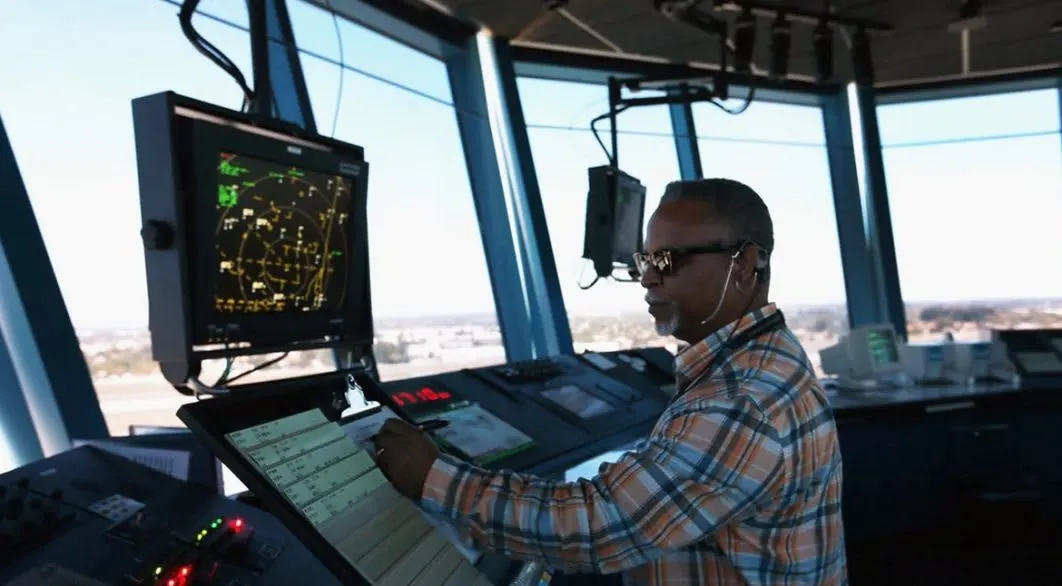
Nigeria's air traffic controller union warns of airspace safety risks, citing obsolete equipment, severe staff shortages, and deteriorating conditions.
Key Takeaways
- •Warns of severe airspace safety risks due to obsolete CNS infrastructure and staff shortages.
- •Highlights a critical staffing gap, with Lagos MMIA operating at less than 50% of required ATC levels.
- •Faces a looming retirement crisis with 60 to 70 experienced controllers set to leave within six years.
- •Threatens potential flight disruptions through 'flow control' if safety and welfare issues remain unaddressed.
The Nigerian Air Traffic Controllers’ Association (NATCA) has issued a stark warning regarding deteriorating working conditions, severe manpower shortages, and obsolete infrastructure, stating the situation has reached a critical point where aviation safety can no longer be guaranteed. In a formal statement, the association highlighted that the combination of these factors is stretching its members beyond acceptable limits, introducing avoidable risks into Nigeria's airspace management.
NATCA leadership stressed that these concerns are not based on emotion but on the daily operational reality for its members. Controllers are contending with sustained equipment deficiencies, unresolved welfare issues, and significant psychological strain. The association argues that these conditions directly threaten the precision and alertness required in the safety-critical environment of air traffic control.
Critical Deficiencies in Staffing and Equipment
A primary concern raised by NATCA is the state of Nigeria’s Communication, Navigation and Surveillance (CNS) infrastructure, which it describes as outdated and unreliable. According to the association, controllers are frequently forced to implement workarounds for systemic weaknesses in legacy equipment, a situation deemed unacceptable in a modern aviation system. NATCA President, Edino Ilemona Amos, and General Secretary, Umar Fahad, stated, “no airspace can be truly safe when the people responsible for managing it are compelled to operate beyond the safe limits of their available systems.”
The infrastructure issues are compounded by a severe manpower crisis. According to a NATCA 2022 Manpower Study, Nigeria's busiest airport, Murtala Muhammed International Airport (MMIA) in Lagos, operates with approximately 55 air traffic controllers against a required capacity of 120. This staffing level, at less than half the necessary manpower, places immense pressure on the existing workforce. Furthermore, the problem is set to worsen, with NATCA internal data projecting that 60 to 70 experienced controllers are due to retire within the next five to six years, creating a significant experience vacuum.
Systemic Strain and Career Stagnation
The association also pointed to a lack of structured training, retraining, and career development. The absence of sufficient investment in recurrent training and long-term manpower planning has reportedly slowed professional growth and weakened operational resilience. This has led to significant career stagnation, with a NATCA statement from April 2026 noting that many experienced controllers have remained on the same salary grade for 6 to 13 years without promotion, further damaging morale and retention.
The responsibility for maintaining and upgrading the nation's air navigation infrastructure falls to the Nigerian Airspace Management Agency (NAMA). NATCA's public warning places direct pressure on NAMA and the Ministry of Aviation to address these long-standing deficits in equipment and personnel.
Historical Context and Potential Disruptions
This is not the first time NATCA has raised alarms over these issues. The current situation echoes conditions that led to previous industrial actions. In a notable precedent, NATCA conducted a six-hour warning strike on April 16, 2015, which grounded all domestic flights in Nigeria. That action forced NAMA into emergency negotiations over identical concerns about welfare and equipment failures. The history of successful industrial action suggests that the current warnings could escalate if not addressed, with NATCA having threatened 'flow control' measures that would deliberately slow air traffic movements nationwide, causing significant delays and cancellations for both domestic and international airlines.
While NATCA has raised alarms, the government has signaled it is taking steps to address infrastructure. According to the Ministry of Aviation and Aerospace Development, a contract worth N21.68 billion was awarded in February 2026 to construct a modern Air Traffic Management Centre for NAMA. However, this is a long-term project, with the first phase not expected to be complete until August 2028.
Why This Matters
The situation in Nigeria highlights a critical intersection of infrastructure investment, workforce planning, and aviation safety. For airlines and passengers, the immediate risk is operational disruption, including widespread delays and cancellations. For the broader Nigerian aviation sector, failure to resolve these foundational issues could undermine its growth, safety record, and status as a key hub in West Africa. The standoff between NATCA and government agencies will be a critical determinant of the stability and safety of the country's airspace in the near term.
Frequently Asked Questions
- Why are Nigerian air traffic controllers concerned about aviation safety?
- The Nigerian Air Traffic Controllers’ Association (NATCA) has raised concerns due to a combination of obsolete communication, navigation, and surveillance (CNS) equipment, severe manpower shortages, and poor working conditions which they state are stretching the safety-critical profession beyond acceptable limits.
- How severe is the air traffic controller shortage in Nigeria?
- The shortage is critical. For example, Murtala Muhammed International Airport in Lagos requires 120 controllers but operates with only about 55. Additionally, the system faces the retirement of 60 to 70 experienced controllers within the next six years, further deepening the crisis.
omniflights.com provides comprehensive commercial aviation news covering airlines, aircraft, and airports. For detailed airline coverage, route changes, and fleet moves, explore the Airlines section at omniflights.com/airlines.

Written by Hardik Vishwakarma
Co-Founder & Aviation News Editor leading initiatives that improve trust and visibility across the global aviation industry. Covers airlines, airports, safety, and emerging technology.
Visit ProfileYou Might Also Like
Delta Delays Atlanta-Riyadh Launch After Airport Attack
Riyadh Airport Missile Strike Leaves 12 Dead

Avianca Flight AV42 Diverts to Miami After Turbulence
FAA Issues Saudi Arabia Flight Caution After Riyadh Attack

King Khalid International Airport Hit by Second Terror Attack