Nigerian Airlines Face Shutdown as Jet A1 Fuel Prices Triple

Co-Founder & CEOAviation News Editor delivering trusted coverage across the global aviation industry.
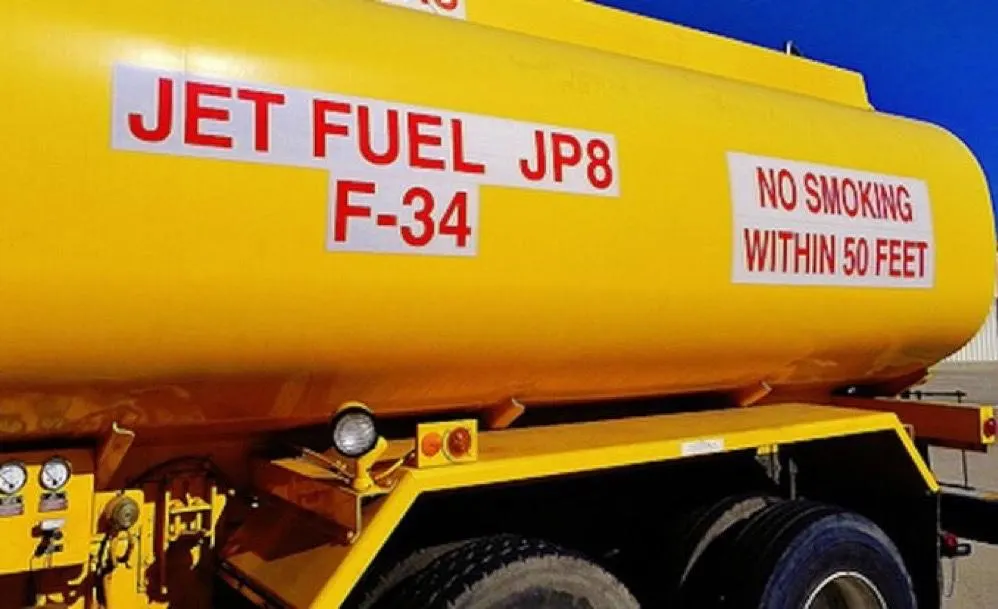
Nigerian airlines face potential collapse as Jet A1 fuel prices triple to nearly N3,000 per litre, prompting calls for urgent regulatory intervention.
Key Takeaways
- •Faces imminent shutdown risk as Jet A1 fuel prices triple to nearly N3,000 per litre.
- •Criticizes the NMDPRA for failing to ensure transparent fuel pricing from local sources.
- •Considers significant airfare hikes despite low passenger demand and regulatory scrutiny.
- •Reflects a recurring vulnerability, echoing the 2022 fuel crisis that nearly halted all domestic flights.
Nigerian domestic airlines are facing an existential threat as the price of aviation fuel, also known as Jet A1, has surged to nearly N3,000 per litre, a more than threefold increase from its pre-crisis level of N900. The sharp rise in operational costs is pushing carriers to the brink of collapse, with industry leaders warning that some airlines may be forced to halt operations if the situation persists.
The price of Jet A1 varied across the country in late March 2026, reaching N2,690 per litre in Lagos and as high as N2,990 in Kano. This spike places immense pressure on airlines, for whom fuel constitutes over 40-50% of total operating expenses. The Airline Operators of Nigeria (AON), the industry's representative body, has indicated that its members can no longer absorb the losses and will soon announce an increase in airfares.
Regulatory Scrutiny and Pricing Disputes
Airline executives have voiced strong criticism of the regulatory environment. Captain Ado Sanusi, the Managing Director and CEO of Aero Contractors, highlighted a discrepancy where global crude prices increased by 30 percent, yet local aviation fuel prices jumped by over 50 percent. He accused the Nigerian Midstream and Downstream Petroleum Regulatory Authority (NMDPRA) of failing to ensure transparent pricing for Jet A1.
“The regulatory agency should step in. There must be transparent pricing,” Sanusi stated, arguing that with a local refinery now operational, costs associated with importation logistics should be eliminated. He lamented the lack of intervention from the NMDPRA, insisting the agency is not fulfilling its mandate to monitor and regulate prices, leaving airlines vulnerable.
This situation is further complicated by regulatory history. The Federal Competition and Consumer Protection Commission (FCCPC) previously investigated Nigerian airlines for alleged price-fixing. This scrutiny makes carriers hesitant to implement uniform fare hikes, even when justified by soaring costs, for fear of attracting further anti-competition probes.
Industry Impact and Passenger Costs
The financial strain is affecting the entire aviation ecosystem. An executive from a major fuel marketing company, who wished to remain anonymous, explained that marketers are pricing fuel based on anticipated replacement costs, not current stock, due to market volatility. The official noted that the gantry price from the new Dangote Refinery is high, compelling marketers to pass on the costs. Air Peace, the country's largest carrier, confirmed it has been purchasing fuel at prices ranging from N2,500 to N3,000 per litre.
For Nigerian air travelers, the crisis will likely translate to higher ticket prices. A potential increase of N7,000 per ticket has been suggested as a measure to keep airlines afloat. With average one-way, one-hour flight tickets already ranging from N195,000 to over N250,000, any further increase could suppress demand, particularly during the current low travel season. However, some AON sources believe the segment of the population that travels by air can absorb the increase.
Historical Context and Future Outlook
This is not the first time Nigerian aviation has faced such a crisis. In May 2022, a similar surge in Jet A1 prices from N190 to over N700 per litre led AON to threaten a complete shutdown of domestic flights. That precedent, which required government intervention to resolve, highlights the sector's recurring vulnerability to fuel price shocks.
Looking ahead, the AON is expected to formally announce airfare increases in April 2026. While this may provide a temporary lifeline, there are growing concerns that without a sustainable solution to fuel pricing, some airlines may not survive. The potential for operational shutdowns in the second quarter of 2026 remains a distinct possibility, though no airline has officially confirmed such plans.
Why This Matters
The escalating fuel crisis poses a systemic risk to Nigeria's domestic aviation industry and its broader economy. The potential failure of multiple airlines would severely disrupt air connectivity, impact business and leisure travel, and lead to significant job losses. The situation underscores the urgent need for a transparent and stable fuel pricing mechanism to ensure the long-term viability of air transport in the country.
omniflights.com provides comprehensive commercial aviation news covering airlines, aircraft, and airports. From aircraft production to supply chains, commercial aviation manufacturing news is covered at omniflights.com/manufacturing.
Written by Hardik Vishwakarma
Co-Founder & Aviation News Editor leading initiatives that improve trust and visibility across the global aviation industry. Covers airlines, airports, safety, and emerging technology.
Visit ProfileYou Might Also Like
Discover more aviation news based on similar topics
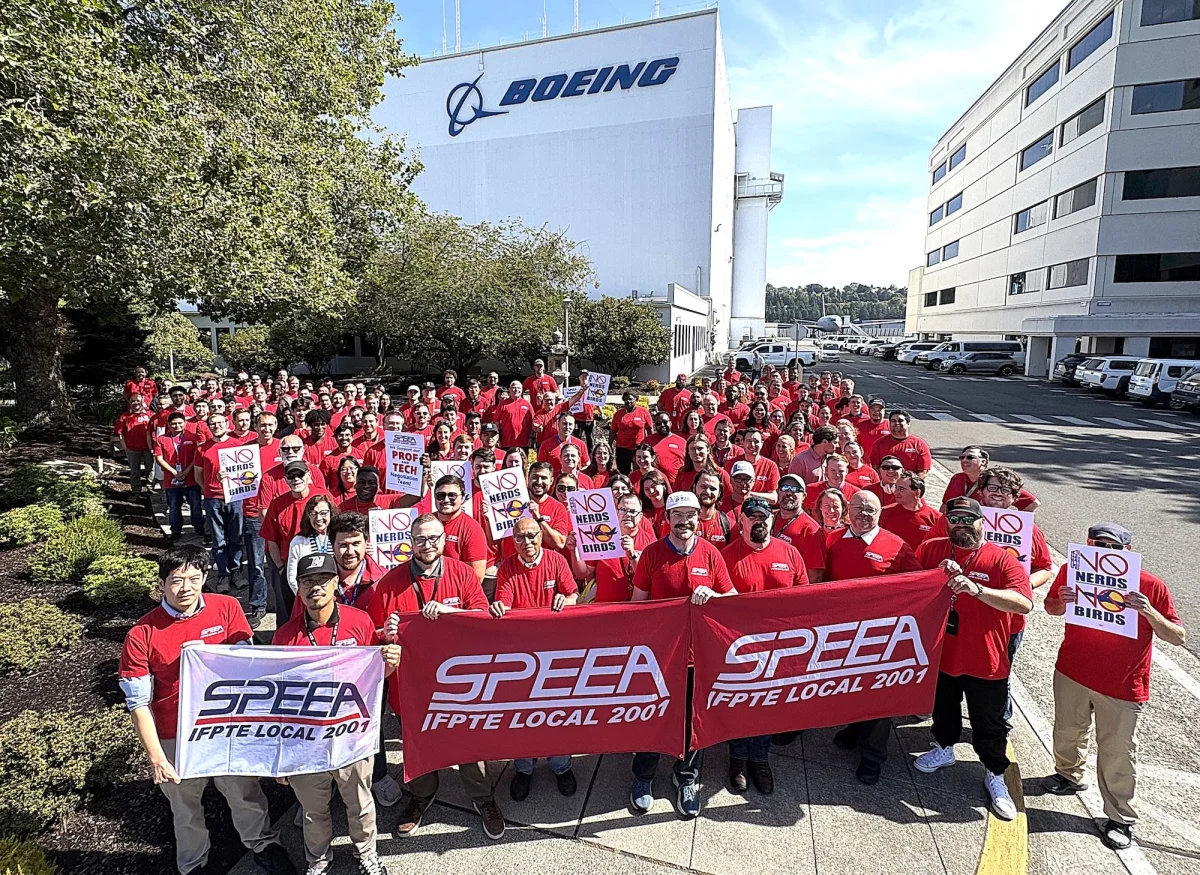
Boeing Tightens Spending Ahead of Critical SPEEA Union Vote
Boeing has implemented spending controls and a hiring freeze as it faces a critical contract ratification vote with its 17,000-member engineering union.

Boeing CEO Kelly Ortberg Warns of 777X Certification Delay
Boeing CEO Kelly Ortberg warned that a potential strike by 17,000 engineers would immediately halt the 777X certification and production programs.
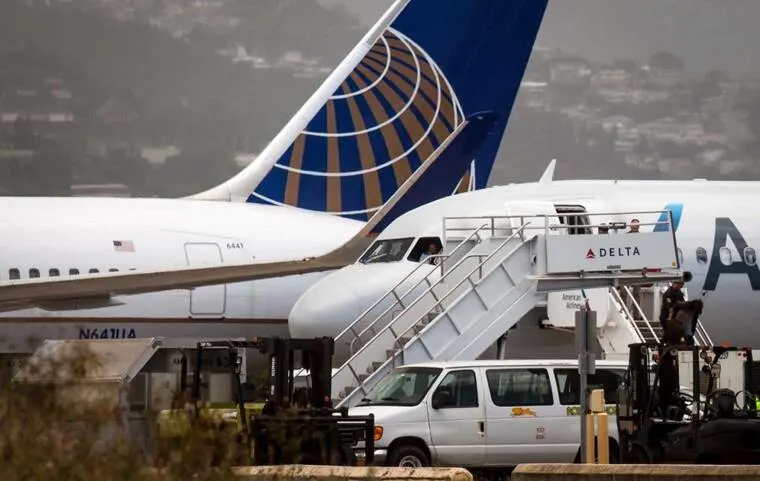
American and United Plan Capacity Cuts Amid Fuel Cost Surge
American and United are trimming flight schedules to offset a $1 billion fuel cost spike while maintaining strong pricing power.
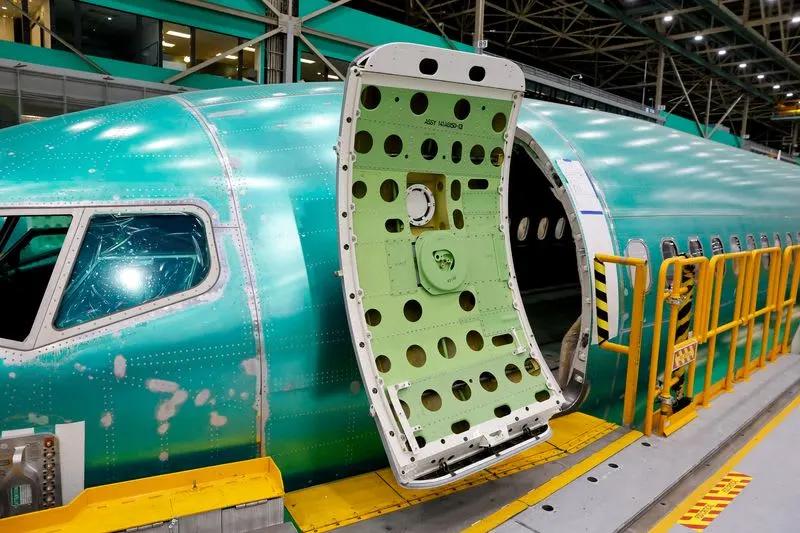
Boeing CEO Reports 737 MAX Output Stabilization Delays
Boeing CEO Kelly Ortberg reports slower 737 MAX production stabilization, prompting a downward revision in 2026 free cash flow expectations to $2 billion.
Boeing Finalizes KAL Order, Salvages Turkish Airlines Deal
Boeing secured a $36.2 billion order from Korean Air Lines for 103 aircraft and nears a resolution on a 150-jet deal with Turkish Airlines.
Airbus Forecasts 42,000 New Jets Amid Strong Global Demand
Airbus expects 42,000 new aircraft deliveries globally by 2045, with 45% of demand concentrated in the Asia-Pacific region.