IAG Q1 Profit Jumps 77% to €351M Despite Fuel Costs

Co-Founder & CEOAviation News Editor delivering trusted coverage across the global aviation industry.
IAG reported a €351M Q1 2026 operating profit, up 77%, on strong travel demand but lowered its full-year outlook due to rising jet fuel prices.
Key Takeaways
- •IAG's Q1 2026 operating profit rose 77.3% to €351 million.
- •Rising jet fuel prices lowered the full-year profit outlook.
- •Strong demand in premium and transatlantic markets drove revenue.
- •The group is 70% hedged against fuel costs for the rest of 2026.
British Airways owner International Airlines Group (IAG) announced strong IAG Q1 2026 results, with operating profit rising 77.3% to €351 million. This performance was driven by sustained, robust travel demand, particularly in premium cabins and key transatlantic markets. However, the group has lowered its full-year profit guidance, citing the significant impact of rising jet fuel prices linked to the conflict in the Middle East. The results highlight a critical tension in the airline industry: record demand facing off against severe geopolitical cost pressures.
According to the group's financial statement for the three months ending March 31, 2026, total revenue increased 1.9% year-on-year to €7.18 billion. Profit after tax saw a substantial 71% increase, reaching €301 million. Passenger revenue, the core of the business, grew 3.8% to €6.23 billion. This growth was supported by improved yields and a higher passenger load factor, with Passenger Revenue per Available Seat Kilometre (PRASK), a key industry metric, increasing by 3.5%.
Strong Q1 Financial Performance
The airline group's first-quarter performance exceeded expectations for a traditionally weaker travel period. In a statement, IAG CEO Luis Gallego credited the results to continued strong demand across the group's networks and airline brands, which include British Airways, Iberia, Aer Lingus, and Vueling. The North and South transatlantic markets, which represent approximately half of IAG's capacity, were noted as especially strong performers.
The group also strengthened its balance sheet, reducing net debt from €5.95 billion at the end of December 2025 to €4.18 billion. Total liquidity remains robust at €12.73 billion, providing a significant cushion against market volatility. The detailed financial performance is available in the group's official quarterly reporting documents.
Geopolitical Headwinds and Fuel Costs
Despite the positive Q1 results, IAG issued a cautious outlook for the remainder of 2026. The primary concern is the sharp increase in fuel costs stemming from the conflict in West Asia and associated Strait of Hormuz shipping disruption. Fuel costs and emissions charges for the quarter rose 1.2% to €1.74 billion. The company reported that the spot jet fuel price surged to approximately $1,725 per metric tonne at the end of March, effectively doubling from its late February level.
"Whilst the first quarter was relatively unaffected by the Middle East conflict, we expect it to have a more substantial impact throughout the rest of the year," the company stated in its outlook. Luis Gallego confirmed this assessment, stating that the group is "actively managing the uncertainty" by taking action on yields, costs, and capacity.
To mitigate the financial impact, IAG has a significant airline fuel hedging program in place, covering 70% of its expected fuel consumption for the rest of the year. The company also noted it sees no immediate issues with jet fuel supply in its main markets. These financial strategies and announcements are filed with regulatory bodies, including the London Stock Exchange.
Industry and Stakeholder Impact
The revised outlook directly affects IAG shareholders, who now face lowered full-year profit expectations. While the company is proceeding with its plan to return €1 billion in excess cash to shareholders through February 2027, future free cash flow projections have been tempered.
For corporate travel buyers and passengers, the situation will likely translate into sustained high ticket prices, especially on premium and transatlantic routes. IAG has indicated it will attempt to pass on a significant portion of the higher fuel costs through pricing. Competing airline groups, such as Air France-KLM and Lufthansa, are experiencing similar cost pressures and are expected to moderate their own capacity growth to protect yields.
Historical Context: Echoes of Past Crises
The current situation mirrors previous geopolitical events that have roiled aviation markets. In February 2022, the conflict in Ukraine caused a global spike in jet fuel prices, forcing airlines to implement surcharges and heavily rely on hedging. That event demonstrated how quickly geopolitical instability can override strong demand trends.
Similarly, tensions in the Strait of Hormuz in mid-2019 led to temporary oil price spikes and flight rerouting. The current disruption is a direct echo of that precedent, underscoring the strategic waterway's importance to global energy logistics and, consequently, airline operating costs.
Technical Analysis
IAG's Q1 2026 results serve as a microcosm of the global airline industry's current state: a structural recovery in demand, particularly in high-yield premium and long-haul segments, is being challenged by extreme cost volatility driven by external shocks. The group's ability to post a 77% profit increase showcases the immense pricing power held by carriers in a capacity-constrained market. However, the immediate revision of full-year guidance demonstrates the limits of that power. Even with a 70% hedge, the doubling of spot fuel prices is too significant a cost to fully absorb or pass on to consumers without risking demand destruction. This development follows the historical pattern seen in 2022, where strong post-pandemic demand could not fully insulate carriers from the financial impact of a major conflict. The data suggests that while demand remains strong, profitability for the remainder of 2026 will be dictated less by passenger numbers and more by the success of fuel hedging and cost control strategies.
What Comes Next
IAG has confirmed it remains on track to complete its €1 billion excess cash returns program by its target date of February 2027. The airline group's performance amid the evolving fuel cost environment will be detailed further in its Q2 2026 earnings release, which is expected in late July or early August 2026.
Why This Matters
IAG's financial results are a key barometer for the health of the European and transatlantic aviation markets. The report demonstrates that while consumer demand for travel is robust, the industry's profitability remains highly vulnerable to geopolitical events and energy market volatility. For aviation professionals, this underscores the critical importance of sophisticated fuel hedging strategies and dynamic capacity management in navigating an uncertain global landscape.
Frequently Asked Questions
- Why did IAG's Q1 2026 profit increase so much?
- IAG's Q1 2026 operating profit grew 77.3% to €351 million primarily due to strong, sustained travel demand. The growth was particularly notable in high-yield premium cabins and across its North and South transatlantic routes.
- How are rising jet fuel prices affecting IAG?
- Rising jet fuel prices, which doubled between February and March 2026 due to Middle East conflict, have forced IAG to lower its profit forecast for the full year. Although the company is 70% hedged, it expects the higher costs to have a substantial impact on profitability.
- What were IAG's key financial results for Q1 2026?
- For the first quarter of 2026, International Airlines Group reported an operating profit of €351 million, total revenue of €7.18 billion, and a profit after tax of €301 million. These figures represent significant year-over-year growth.
For in-depth airline coverage and commercial aviation news, omniflights.com delivers timely industry insights. Track policy changes, airspace rules, and global aviation governance in the Regulatory category at omniflights.com/regulatory.
Written by Hardik Vishwakarma
Co-Founder & Aviation News Editor leading initiatives that improve trust and visibility across the global aviation industry. Covers airlines, airports, safety, and emerging technology.
Visit ProfileYou Might Also Like
Discover more aviation news based on similar topics
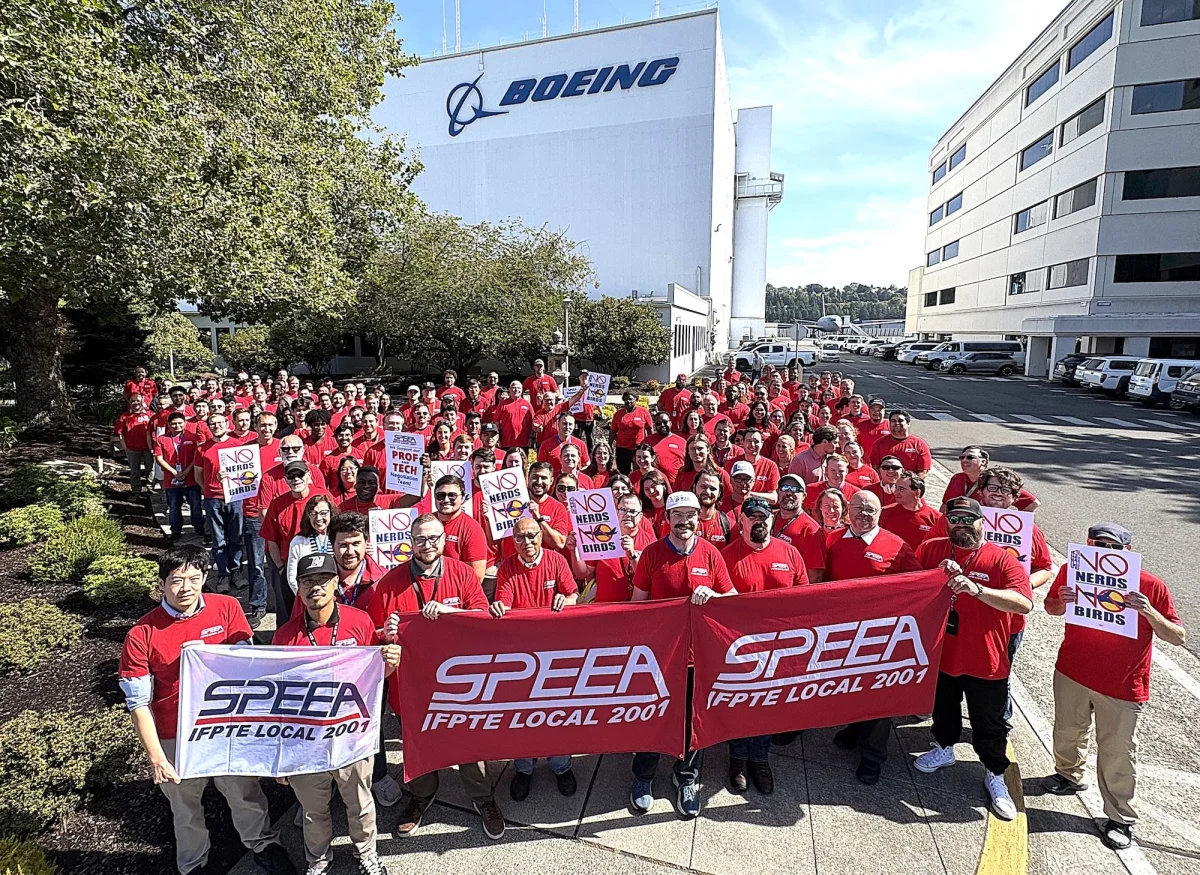
Boeing Tightens Spending Ahead of Critical SPEEA Union Vote
Boeing has implemented spending controls and a hiring freeze as it faces a critical contract ratification vote with its 17,000-member engineering union.

Boeing CEO Kelly Ortberg Warns of 777X Certification Delay
Boeing CEO Kelly Ortberg warned that a potential strike by 17,000 engineers would immediately halt the 777X certification and production programs.
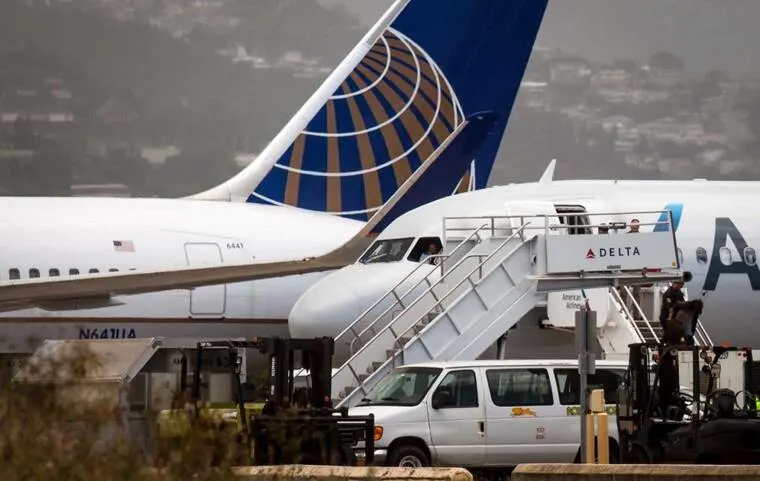
American and United Plan Capacity Cuts Amid Fuel Cost Surge
American and United are trimming flight schedules to offset a $1 billion fuel cost spike while maintaining strong pricing power.
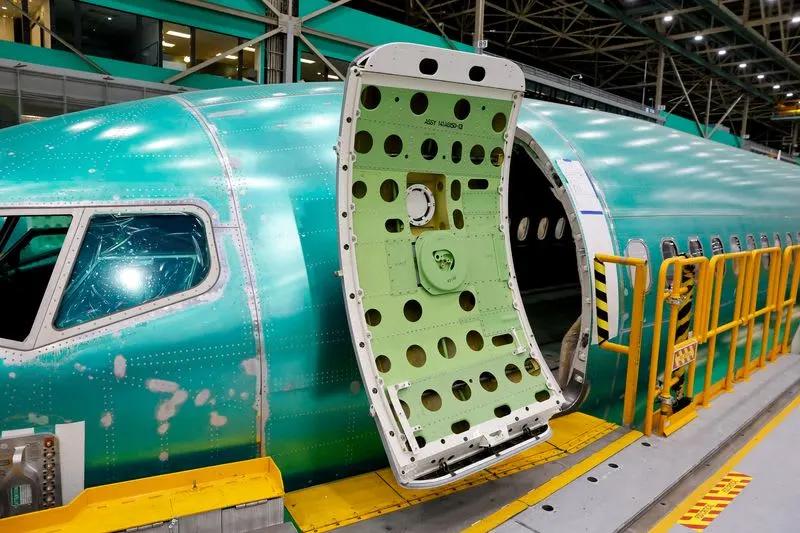
Boeing CEO Reports 737 MAX Output Stabilization Delays
Boeing CEO Kelly Ortberg reports slower 737 MAX production stabilization, prompting a downward revision in 2026 free cash flow expectations to $2 billion.
Boeing Finalizes KAL Order, Salvages Turkish Airlines Deal
Boeing secured a $36.2 billion order from Korean Air Lines for 103 aircraft and nears a resolution on a 150-jet deal with Turkish Airlines.

Airbus Forecasts 42,000 New Jets Amid Strong Global Demand
Airbus expects 42,000 new aircraft deliveries globally by 2045, with 45% of demand concentrated in the Asia-Pacific region.