United to Take 55 Boeing 737 MAX 9s in 2026 Deliveries

Co-Founder & CEOAviation News Editor delivering trusted coverage across the global aviation industry.
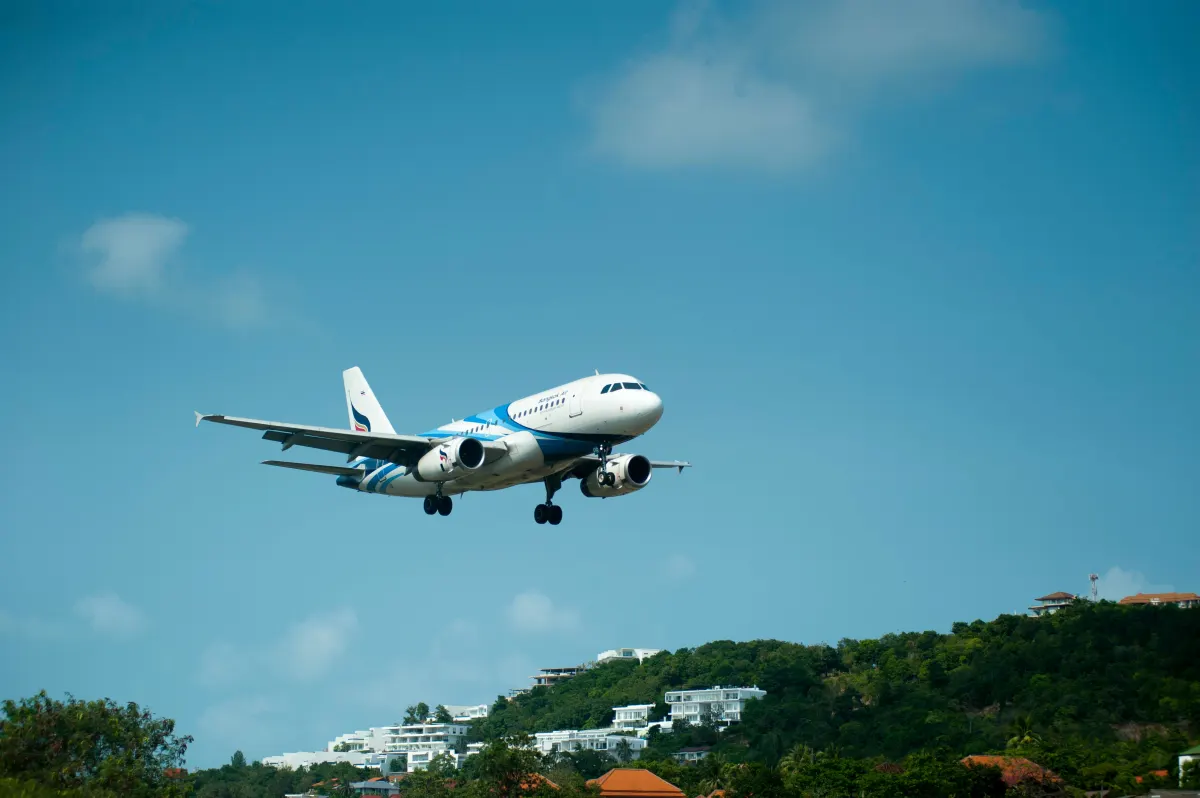
United Airlines will accept 55 Boeing 737 MAX 9s in 2026, accelerating its narrowbody fleet modernization amid ongoing MAX 10 certification delays.
Key Takeaways
- •United expects 87 new aircraft deliveries in the last three quarters of 2026.
- •55 of the pending 2026 deliveries will be Boeing 737 MAX 9 aircraft.
- •Deliveries facilitate retirement of Airbus A319/A320s averaging 24-26 years old.
- •The MAX 9 focus mitigates growth risks from Boeing 737 MAX 10 certification delays.
In a significant move for its United Airlines 2026 fleet deliveries, the carrier has confirmed it expects to receive 87 new aircraft in the last three quarters of the year. The majority of these additions, 55 aircraft, will be Boeing 737 MAX 9 models, underscoring the type's critical role in the airline's strategy for United narrowbody fleet modernization.
This delivery schedule, detailed in United's Q1 2026 earnings release, provides a crucial pathway for the airline to continue its capacity growth while navigating persistent certification delays affecting the larger Boeing 737 MAX 10. The influx of new MAX 9s allows United to accelerate the retirement of its older, less fuel-efficient Airbus A319 and A320 aircraft, many of which have been in service for over two decades. For passengers, this transition means more exposure to United's updated "Next" generation cabin interior, which features seatback entertainment and larger overhead bins.
According to data filed with the SEC (Securities and Exchange Commission) and tracked by fleet analysis firms, United's reliance on the MAX 9 is a pragmatic response to an industry-wide challenge. The airline's CEO, Scott Kirby, emphasized the need for flexibility, stating, "We'll stay nimble in the short term while continuing to grow the airline and invest in our customers, product and people." This approach is also financially motivated, with management noting that taking new aircraft deliveries is "financially advantageous... both from a margin and a return on invested capital standpoint."
Fleet Modernization Strategy
The core of United's strategy is the replacement of its aging Airbus narrowbody fleet. The incoming Boeing 737 MAX 9 aircraft will directly replace Airbus A319 and A320 models that, according to ch-aviation data, average 24 to 26 years in service. This modernization is consistent with a broader industry trend where carriers are aggressively pursuing fuel-efficient, next-generation aircraft to mitigate volatile fuel costs and reduce carbon emissions. The LEAP-1B engines on the MAX 9 offer significant efficiency gains over the older engines on the A320ceo family.
This fleet renewal impacts several key stakeholders. For Boeing Commercial Airplanes, fulfilling the order for 55 MAX 9s provides stable cash flow and production line certainty, helping to offset the financial impact of the MAX 10 delays. Engine manufacturer CFM International also benefits from guaranteed production and long-term service revenue for the 110 LEAP-1B engines required for these aircraft. United's current backlog, as detailed on Boeing's delivery tracker, includes 159 MAX 9s, 123 MAX 8s, and 165 MAX 10s, highlighting a deep commitment to the 737 MAX family.
Navigating Certification Headwinds
The increased focus on the MAX 9 is directly linked to the uncertain timeline for the 737 MAX 10's type certification by the FAA (Federal Aviation Administration). These ongoing delays have forced United to adapt its fleet plan to avoid a capacity crunch. The airline has publicly stated it is considering converting a portion of its 165 MAX 10 orders to smaller, already-certified variants like the MAX 9 to ensure its growth targets are met.
This situation mirrors a recent historical precedent. Between 2023 and 2024, Southwest Airlines converted dozens of its 737 MAX 7 orders to the larger MAX 8 model due to similar protracted FAA certification processes. This pattern suggests a new industry norm where airlines prioritize schedule certainty with certified aircraft over waiting indefinitely for new variants. By leaning on the MAX 9, United de-risks its near-term expansion plans.
Technical Analysis
United's decision to front-load Boeing 737 MAX 9 deliveries represents a calculated strategic pivot in response to manufacturing and regulatory uncertainty. The move is not merely a fleet update but a tactical maneuver to insulate its 'United Next' growth plan from the cascading effects of the MAX 10 certification delays. By prioritizing the delivery of a known, certified airframe, United ensures it can maintain momentum in retiring older, costlier assets—specifically its A319 and A320 fleets—thereby improving its cost per available seat mile (CASM) and enhancing its product offering. This strategy reflects a broader industry trend, seen with Southwest and the MAX 7, where operational certainty and immediate availability are valued more highly than the potential-but-delayed benefits of a new variant. The decision reinforces the MAX 9's role as a vital bridge aircraft for Boeing and its customers, securing production stability for the manufacturer while providing airlines with a reliable tool for growth and modernization.
Boeing 737 MAX 9 vs. Airbus A320-200
| Metric | Boeing 737 MAX 9 (United) | Airbus A320-200 (United) |
|---|---|---|
| Seating Capacity | 179 seats | 150 seats |
| Range | 3,300 nmi | 3,300 nmi |
| Engine | CFM LEAP-1B | IAE V2500 / CFM56 |
What Comes Next
The timeline for Boeing's other 737 MAX variants remains a key focus for the industry. Certification for the Boeing 737 MAX 10 is expected by the FAA in late 2026 or early 2027, though this timeline is subject to change based on regulatory findings. Meanwhile, United has confirmed its plan to continue retiring its older Airbus A319/A320 fleet, with the process expected to be completed by 2030. The pace of these retirements will be closely tied to the delivery stream of new Boeing aircraft.
Why This Matters
This accelerated delivery of 55 Boeing 737 MAX 9s is more than a simple fleet transaction; it demonstrates how major airlines are actively managing risk associated with aircraft manufacturing and certification delays. The move solidifies the MAX 9 as a crucial workhorse for carriers needing immediate, fuel-efficient capacity. For the industry, it signals that airlines are building contingency plans that prioritize operational stability, even if it means adjusting long-term fleet strategies and aircraft configurations.
Frequently Asked Questions
- How many Boeing 737 MAX 9s will United Airlines receive in 2026?
- United Airlines expects to receive 55 Boeing 737 MAX 9 aircraft during the last three quarters of 2026. This is part of a larger delivery schedule of 87 new aircraft for the airline in that period.
- Why is United Airlines taking so many 737 MAX 9s?
- United is using the 737 MAX 9 deliveries for two main reasons: to replace its older, less fuel-efficient Airbus A319 and A320 aircraft, and to maintain its capacity growth plans while the larger Boeing 737 MAX 10 faces ongoing certification delays from the FAA.
- What aircraft are the new 737 MAX 9s replacing?
- The new Boeing 737 MAX 9s are primarily replacing United's aging fleet of Airbus A319 and A320 models. According to fleet data, these older aircraft have an average service age of 24 to 26 years.
From airline operations to fleet updates, commercial aviation news lives at omniflights.com. Get the latest updates on major hubs, regional terminals, and airport operations via the Airports section at omniflights.com/airports.
Written by Hardik Vishwakarma
Co-Founder & Aviation News Editor leading initiatives that improve trust and visibility across the global aviation industry. Covers airlines, airports, safety, and emerging technology.
Visit ProfileYou Might Also Like
Discover more aviation news based on similar topics
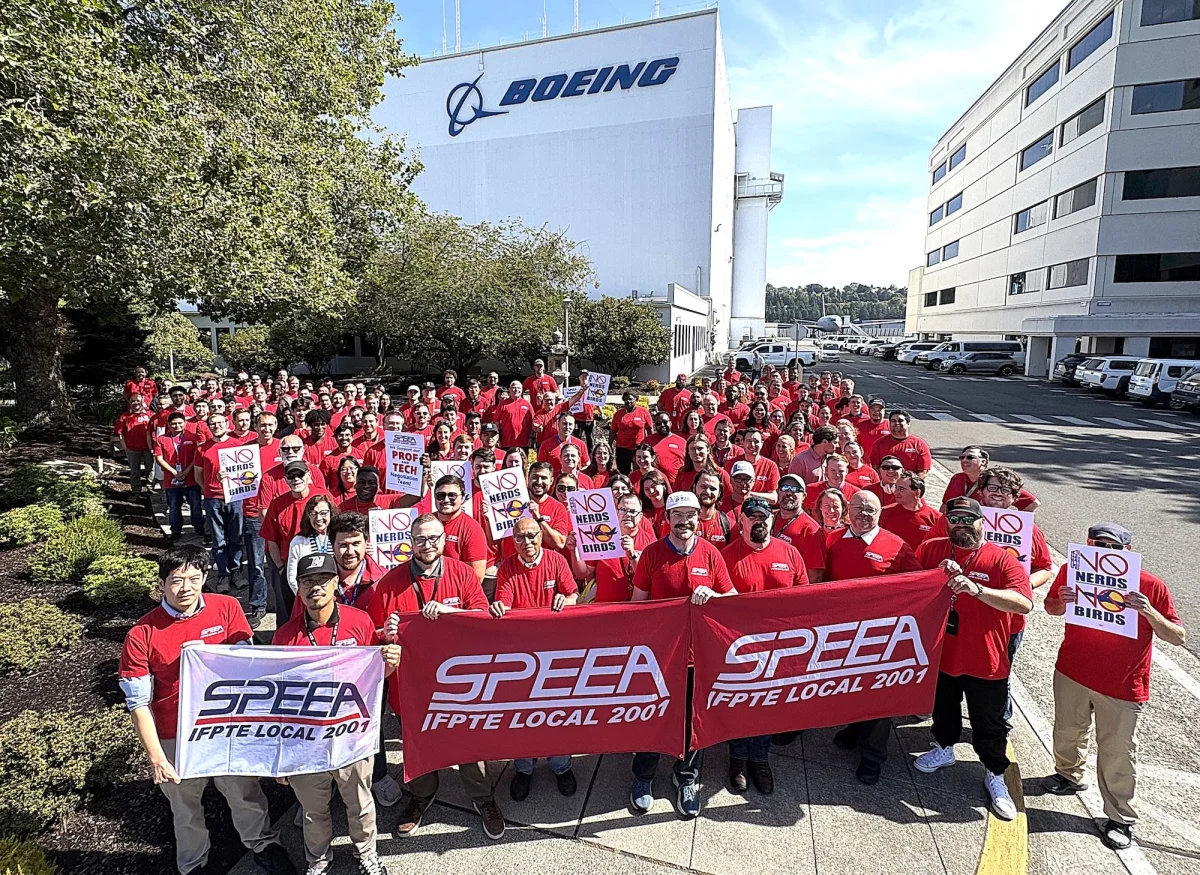
Boeing Tightens Spending Ahead of Critical SPEEA Union Vote
Boeing has implemented spending controls and a hiring freeze as it faces a critical contract ratification vote with its 17,000-member engineering union.

Boeing CEO Kelly Ortberg Warns of 777X Certification Delay
Boeing CEO Kelly Ortberg warned that a potential strike by 17,000 engineers would immediately halt the 777X certification and production programs.
American and United Plan Capacity Cuts Amid Fuel Cost Surge
American and United are trimming flight schedules to offset a $1 billion fuel cost spike while maintaining strong pricing power.
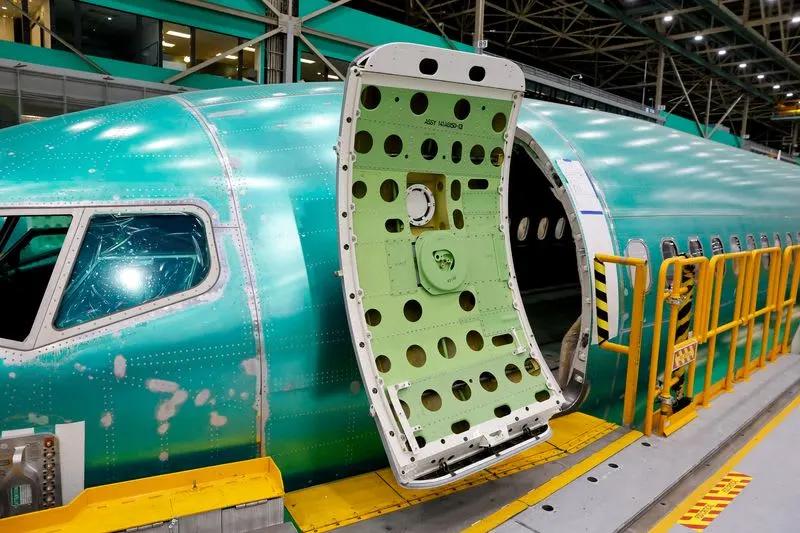
Boeing CEO Reports 737 MAX Output Stabilization Delays
Boeing CEO Kelly Ortberg reports slower 737 MAX production stabilization, prompting a downward revision in 2026 free cash flow expectations to $2 billion.
Boeing Finalizes KAL Order, Salvages Turkish Airlines Deal
Boeing secured a $36.2 billion order from Korean Air Lines for 103 aircraft and nears a resolution on a 150-jet deal with Turkish Airlines.
Airbus Forecasts 42,000 New Jets Amid Strong Global Demand
Airbus expects 42,000 new aircraft deliveries globally by 2045, with 45% of demand concentrated in the Asia-Pacific region.