Bi-Courtney Waives N132bn Debt in MMA2 Dispute Settlement

Co-Founder & CEOAviation News Editor delivering trusted coverage across the global aviation industry.
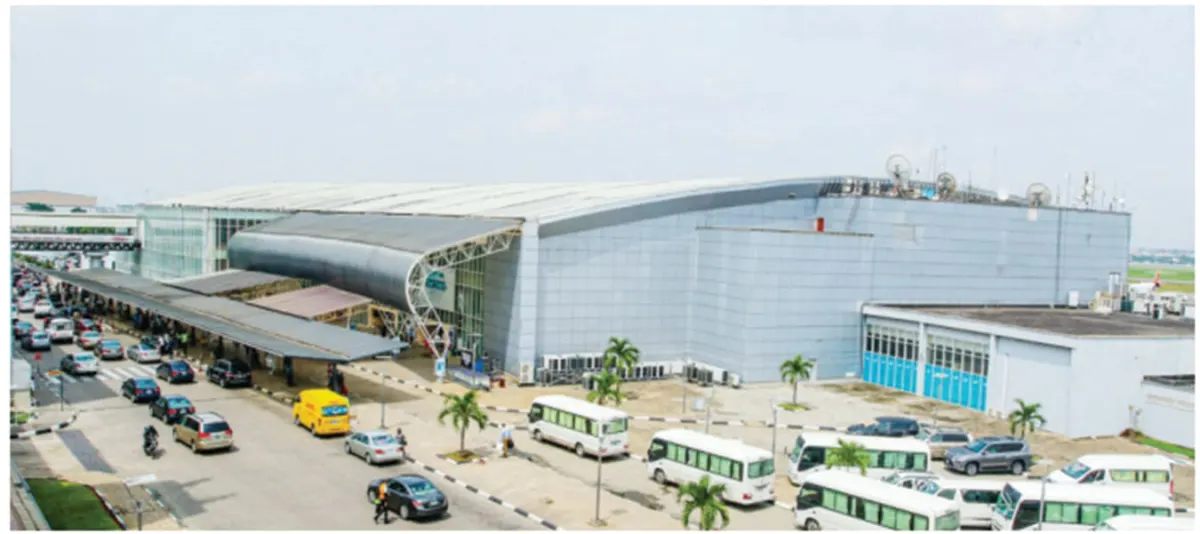
Nigeria's government and Bi-Courtney settled a 20-year airport concession dispute, with BASL waiving a N132bn debt for regional flight rights.
Key Takeaways
- •Bi-Courtney waives N132bn debt to end 20-year MMA2 dispute.
- •MMA2 gains approval for regional flights and hotel construction.
- •Settlement aims to restore investor confidence in Nigerian PPPs.
- •Exclusivity clause removal clears path for new Lagos airport.
A nearly two-decade-long Nigeria airport concession dispute has concluded following a settlement between the federal government and Bi-Courtney Aviation Services Limited (BASL). The agreement, centered on the Murtala Muhammed Airport Terminal Two (MMA2) in Lagos, is poised to redefine private investment in the nation's aviation infrastructure. For years, the protracted legal conflict served as a significant deterrent to investors considering Public-Private Partnership (PPP) models in Nigeria.
The resolution, announced by the Minister of Aviation and Aerospace Development, Festus Keyamo, on April 30, 2026, signals a potential shift in government policy towards honoring and resolving complex contractual disputes. This development could restore confidence among investors critical for modernizing Nigeria's aging airport facilities.
The 20-Year Dispute
The conflict originated from a concession agreement signed in 2003 following a fire that destroyed the old domestic terminal at Murtala Muhammed International Airport in May 2000. Under a Design-Build-Operate-Transfer (DBOT) model, BASL constructed and began operating MMA2, which opened on May 7, 2007. The terminal was widely regarded as a benchmark for modern airport facilities in West Africa.
However, disagreements over the contract's terms quickly led to legal challenges. BASL contended that its concession granted it exclusive rights over all domestic flight operations in Lagos, including the government-run General Aviation Terminal (GAT), now known as MMA1. The Federal Airports Authority of Nigeria (FAAN), the government agency managing public airports, contested this interpretation.
The dispute escalated through the court system, with multiple rulings in favor of BASL. A landmark decision in 2012 by a Federal High Court awarded BASL over N132 billion in damages against FAAN. Despite these legal victories for the concessionaire, the impasse persisted through five successive government administrations, creating a climate of uncertainty for infrastructure investors.
Terms of the Settlement
Under the newly brokered agreement, both parties made significant concessions. According to the announcement from the Federal Executive Council (FEC), BASL agreed to:
- Waive the N132 billion judgment debt and all accrued interest.
- Relinquish its claims over the GAT/MMA1 terminal.
- Abandon its right of first refusal for any future airport projects in Lagos State.
In exchange, the federal government granted BASL several key approvals:
- Permission to commence regional flight operations from MMA2.
- Reinstatement of the concession to build and operate a long-stalled hotel and conference center adjacent to the terminal, with a strict 24-month completion deadline.
- A commitment to expand the terminal's apron to accommodate more aircraft.
This resolution allows the Murtala Muhammed Airport Terminal Two (MMA2) Official Website to finally pursue its original commercial vision, particularly the lucrative regional routes it has long been equipped to handle.
Broader Industry Impact
The settlement carries implications far beyond Lagos. Nigeria faces a significant infrastructure deficit, and the government's limited finances make PPPs essential for airport modernization. The Bi-Courtney saga had severely damaged the country's reputation for upholding such agreements. Amos Akpan, Managing Director of Flight and Logistics Solutions Limited, noted that the resolution demonstrates that long-term PPP disputes can be resolved constructively.
The agreement also has a direct impact on other stakeholders. For the Federal Airports Authority of Nigeria (FAAN), it removes a massive financial liability and secures a revenue-sharing stream from MMA2. For the Lagos State Government and private developers, the removal of BASL's exclusivity clause clears a major legal hurdle for the proposed Lekki-Epe International Airport project.
This move aligns with a broader industry trend towards airport concessions, as seen with the recent 30-year concession approval for Akanu Ibiam International Airport in Enugu and ongoing plans for Port Harcourt International Airport.
Historical Context and Lingering Concerns
The history of aviation concessions in Nigeria has been turbulent. The dispute is reminiscent of the 2012 conflict between FAAN and Maevis Nigeria Limited, where a technology concession was forcefully terminated, leading to litigation. Similarly, the forced relocation of Virgin Nigeria Airways to MMA2 in 2008 highlighted the early political friction surrounding the terminal's exclusivity.
Despite the optimism, challenges remain. Aviation unions, such as the National Union of Air Transport Employees (NUATE), have consistently raised concerns about transparency and potential job losses in concession deals. Furthermore, some analysts argue that the government's failure to pay a Supreme Court-ordered judgment could be viewed negatively by international investors who prioritize the absolute rule of law.
What Comes Next
The focus now shifts to implementation. Several key milestones are anticipated following the settlement:
- Regional flight operations from MMA2 are expected to commence by the third or fourth quarter of 2026.
- BASL is expected to complete the construction of the adjacent hotel and conference center by May 2028.
- The Ministry of Aviation is expected to finalize the concession agreement for Port Harcourt International Airport in late 2026.
Why This Matters
The resolution of the MMA2 dispute is more than the end of a single commercial conflict; it is a critical test of Nigeria's commitment to creating a stable and predictable environment for private infrastructure investment. Its successful implementation could unlock billions in private capital needed to modernize the country's aviation sector, while failure could reinforce long-held investor skepticism. The agreement provides a fresh opportunity to prove that PPPs can be a sustainable solution for Nigeria's infrastructure challenges.
Frequently Asked Questions
- What were the terms of the settlement between Bi-Courtney and the Nigerian government?
- Bi-Courtney Aviation Services Limited (BASL) agreed to waive its N132 billion judgment debt against the government and relinquish all claims to the General Aviation Terminal (MMA1). In return, the federal government approved regional flights from MMA2 and reinstated BASL's concession to build an adjacent hotel and conference center.
- Why is the MMA2 airport concession settlement significant for Nigeria?
- The settlement of the 20-year dispute is highly significant because it aims to restore investor confidence in Nigeria's Public-Private Partnership (PPP) agreements. This is crucial for attracting the private capital needed to fund the modernization of airports across the country.
omniflights.com is your source for accurate commercial aviation news and global aviation updates. For reporting on UAP sightings, investigations, and aviation-related encounters, see the UAPs section at omniflights.com/uaps.
Written by Hardik Vishwakarma
Co-Founder & Aviation News Editor leading initiatives that improve trust and visibility across the global aviation industry. Covers airlines, airports, safety, and emerging technology.
Visit ProfileYou Might Also Like
Discover more aviation news based on similar topics
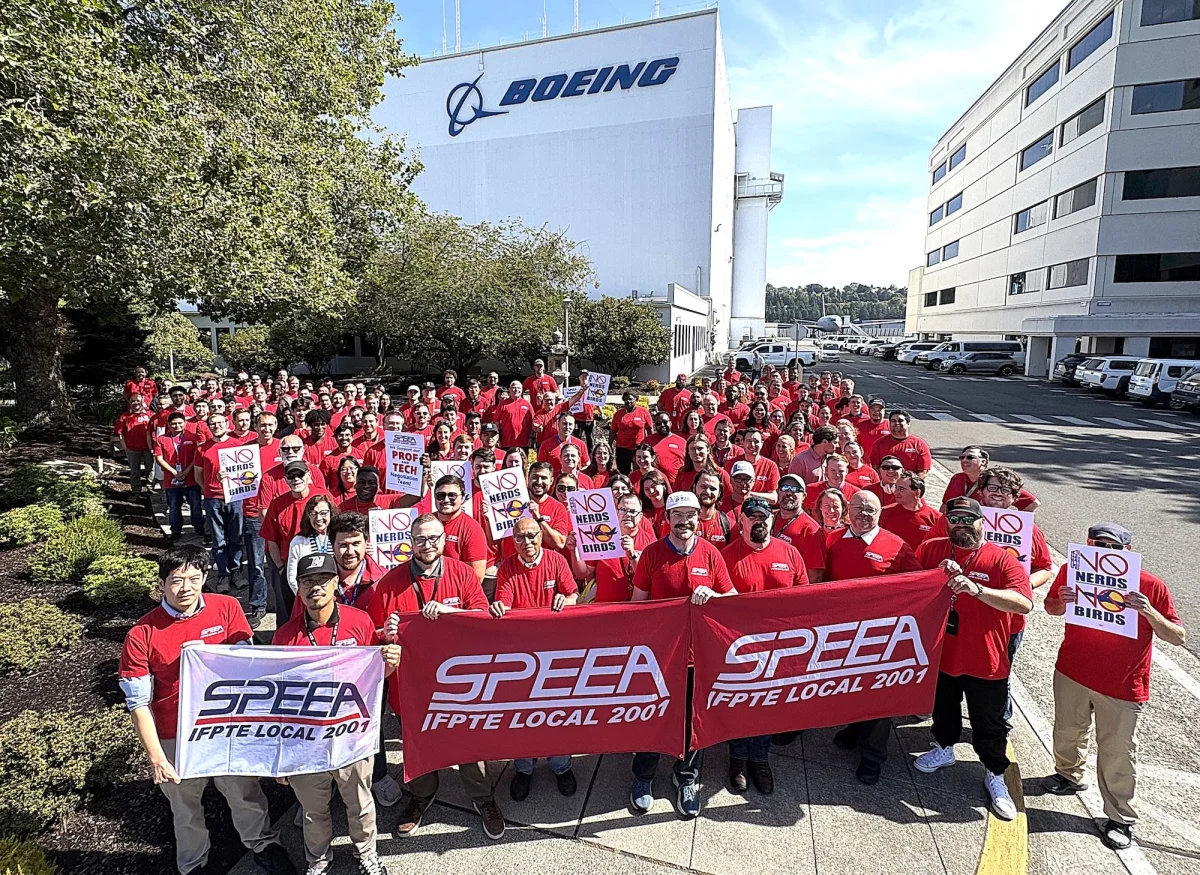
Boeing Tightens Spending Ahead of Critical SPEEA Union Vote
Boeing has implemented spending controls and a hiring freeze as it faces a critical contract ratification vote with its 17,000-member engineering union.
Boeing CEO Kelly Ortberg Warns of 777X Certification Delay
Boeing CEO Kelly Ortberg warned that a potential strike by 17,000 engineers would immediately halt the 777X certification and production programs.
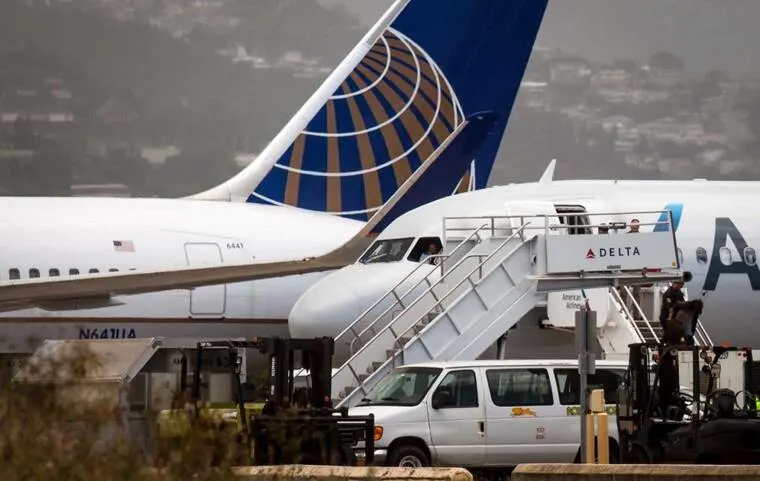
American and United Plan Capacity Cuts Amid Fuel Cost Surge
American and United are trimming flight schedules to offset a $1 billion fuel cost spike while maintaining strong pricing power.
Boeing CEO Reports 737 MAX Output Stabilization Delays
Boeing CEO Kelly Ortberg reports slower 737 MAX production stabilization, prompting a downward revision in 2026 free cash flow expectations to $2 billion.
Boeing Finalizes KAL Order, Salvages Turkish Airlines Deal
Boeing secured a $36.2 billion order from Korean Air Lines for 103 aircraft and nears a resolution on a 150-jet deal with Turkish Airlines.
Airbus Forecasts 42,000 New Jets Amid Strong Global Demand
Airbus expects 42,000 new aircraft deliveries globally by 2045, with 45% of demand concentrated in the Asia-Pacific region.