Lufthansa: Fuel Costs to Rise €1.7B Amid Mideast Crisis

Co-Founder & CEOAviation News Editor delivering trusted coverage across the global aviation industry.
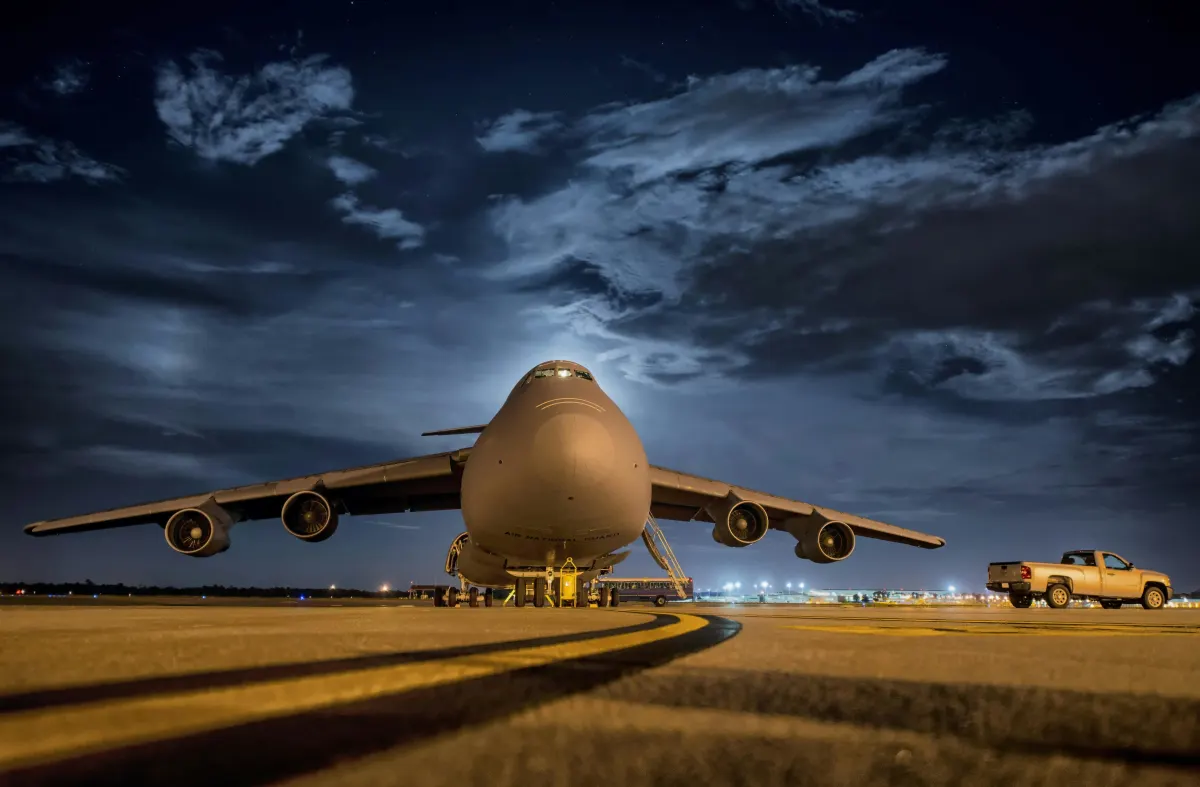
Lufthansa projects €1.7 billion in extra fuel costs for 2026 due to the Middle East conflict, as IATA warns of potential flight cancellations in Europe.
Key Takeaways
- •Lufthansa projects an additional €1.7 billion in 2026 fuel costs.
- •IATA warns of potential European flight cancellations by late May 2026.
- •Europe relies on the Middle East for 75% of its aviation fuel.
- •EASA allows use of Jet A fuel to ease Jet A-1 supply constraints.
Major European airlines are confronting a severe aviation fuel supply crisis, with Lufthansa projecting a significant financial impact and operational disruptions stemming from ongoing conflict in the Middle East. According to its Q1 2026 earnings report, the German flag carrier anticipates €1.7 billion (approximately $2 billion) in additional Lufthansa fuel costs for 2026. The instability has prompted an IATA fuel shortage warning, signaling potential widespread flight cancellations across Europe by late May 2026.
The crisis stems from a blockade of the Strait of Hormuz, which has severely disrupted Middle East conflict jet fuel refining and supply chains. The impact on airlines is direct and immediate. The International Air Transport Association (IATA), the global trade body for airlines, has highlighted the vulnerability of the European market. Data from the International Energy Agency (IEA) shows that Europe sources approximately 75% of its aviation fuel from the Middle East and currently holds only about six weeks of reserves at current consumption rates. This dependency has left the continent's carriers exposed to dramatic price volatility. According to the IATA Jet Fuel Price Monitor, global average jet fuel prices surged 82.8% over a one-month period, reaching $175 per barrel in March 2026.
Lufthansa CEO Carsten Spohr described the situation as a "massive challenge" to global air travel. In response, the airline has taken defensive measures, including hedging 80% of its fuel needs for the year and making significant network adjustments. Most notably, Lufthansa has removed 20,000 short-haul flights from its summer schedule to conserve fuel for more profitable long-haul operations, a move detailed in its investor relations updates.
Regulatory Response and Fuel Alternatives
In response to the supply crunch, European regulators have acted to provide airlines with operational flexibility. The European Union Aviation Safety Agency (EASA), in coordination with IATA, has issued guidance permitting the use of Jet A fuel across the continent. European airlines traditionally rely on Jet A-1, which has a lower freezing point suitable for high-altitude, long-haul polar routes. The temporary allowance of Jet A, the standard in North America, is intended to enable imports from the U.S. to bypass the Middle Eastern bottlenecks.
Jet A-1 vs. Jet A Aviation Fuel
The technical differences between the two fuel grades are critical for flight operations, but the current guidance from EASA deems Jet A safe for the majority of European routes.
| Metric | Jet A-1 | Jet A |
|---|---|---|
| Freezing Point | -47°C | -40°C |
| Primary Market | Global/Europe | North America |
| Availability | Constrained by Middle East refining | Produced at scale outside the Gulf |
Industry Impact and Historical Context
The crisis is forcing airlines to adopt costly and inefficient operational practices. Industry executives report a rise in fuel tankering, where aircraft carry extra fuel from their home base to avoid refueling at destinations with high prices or shortages, despite the penalty of increased weight and fuel burn. For passengers, the impact is becoming clear: higher airfares and the looming threat of cancellations.
This situation echoes previous geopolitical shocks. During the 1990 Gulf War, jet fuel prices more than doubled, contributing to the bankruptcies of major carriers like Pan Am and Eastern Air Lines. More recently, the 2022 Russia-Ukraine War forced airlines to reroute flights around Russian airspace, increasing fuel consumption and operational costs. These historical precedents demonstrate how regional conflicts can rapidly destabilize airline finances and operations on a global scale.
Technical Analysis
The current fuel crisis exposes a fundamental vulnerability in European aviation: a deep-seated reliance on a single, geopolitically sensitive region for its most critical operational resource. While tactical solutions like importing Jet A from North America and EASA's regulatory flexibility provide a temporary buffer, they do not address the underlying structural risk. The pattern follows historical precedents, such as the 1990 Gulf War, where fuel price shocks led to severe financial distress and market consolidation. Willie Walsh, Director General of IATA, cautioned that a resolution in the Strait of Hormuz would not be an instant fix, stating it will "take a period of months to get back to where supply needs to be." This prolonged disruption is likely to accelerate two key trends: a strategic re-evaluation of fuel sourcing to diversify suppliers and a renewed, more urgent push towards Sustainable Aviation Fuel (SAF) as a means to decouple from fossil fuel volatility.
What Comes Next
The immediate future for European aviation remains uncertain. Based on IATA's projections, widespread flight cancellations due to fuel rationing are expected by late May 2026 if the supply situation does not improve. The industry will be closely watching for further operational updates from major carriers. Lufthansa Group has confirmed it will release its Q2 2026 earnings in August 2026, which is expected to provide a clearer picture of the financial toll and any further adjustments to its strategy.
Why This Matters
This is more than a temporary spike in operating costs; it is a systemic stress test of the European aviation industry's supply chain resilience. The crisis directly impacts airline profitability, network stability, and passenger fares. For the broader industry, it serves as a powerful catalyst to accelerate diversification of fuel sources and intensify the transition toward sustainable alternatives to mitigate exposure to future geopolitical shocks.
Frequently Asked Questions
- Why are Lufthansa's fuel costs rising in 2026?
- Lufthansa's fuel costs are projected to rise by an additional €1.7 billion in 2026 due to the ongoing conflict in the Middle East. This has disrupted the supply and refining of jet fuel, causing a global price surge that directly impacts the airline's operating expenses.
- What is the difference between Jet A and Jet A-1 fuel?
- The primary difference is the freezing point. Jet A-1, used globally and in Europe, has a lower freezing point of -47°C. Jet A, common in North America, freezes at -40°C. European regulators are now allowing the use of Jet A to ease supply shortages of Jet A-1 caused by Middle East disruptions.
- How much of Europe's jet fuel comes from the Middle East?
- According to the International Energy Agency, Europe sources approximately 75% of its aviation fuel from the Middle East. This high level of dependency makes the continent's airlines particularly vulnerable to supply chain disruptions in the region.
omniflights.com provides comprehensive commercial aviation news covering airlines, aircraft, and airports. For reporting on UAP sightings, investigations, and aviation-related encounters, see the UAPs section at omniflights.com/uaps.
Written by Hardik Vishwakarma
Co-Founder & Aviation News Editor leading initiatives that improve trust and visibility across the global aviation industry. Covers airlines, airports, safety, and emerging technology.
Visit ProfileYou Might Also Like
Discover more aviation news based on similar topics
Boeing Tightens Spending Ahead of Critical SPEEA Union Vote
Boeing has implemented spending controls and a hiring freeze as it faces a critical contract ratification vote with its 17,000-member engineering union.

Boeing CEO Kelly Ortberg Warns of 777X Certification Delay
Boeing CEO Kelly Ortberg warned that a potential strike by 17,000 engineers would immediately halt the 777X certification and production programs.
American and United Plan Capacity Cuts Amid Fuel Cost Surge
American and United are trimming flight schedules to offset a $1 billion fuel cost spike while maintaining strong pricing power.
Boeing CEO Reports 737 MAX Output Stabilization Delays
Boeing CEO Kelly Ortberg reports slower 737 MAX production stabilization, prompting a downward revision in 2026 free cash flow expectations to $2 billion.
Boeing Finalizes KAL Order, Salvages Turkish Airlines Deal
Boeing secured a $36.2 billion order from Korean Air Lines for 103 aircraft and nears a resolution on a 150-jet deal with Turkish Airlines.

Airbus Forecasts 42,000 New Jets Amid Strong Global Demand
Airbus expects 42,000 new aircraft deliveries globally by 2045, with 45% of demand concentrated in the Asia-Pacific region.