GIFT City Aircraft Leasing to Double in 2 Years, Says Govt

Co-Founder & CEOAviation News Editor delivering trusted coverage across the global aviation industry.

India's GIFT City aircraft leasing hub is set to double in two years, with 38 lessors now managing assets worth $5.8 billion under new reforms.
Key Takeaways
- •GIFT City aircraft leasing activity is projected to double in two years.
- •38 registered lessors now manage over 370 assets valued at $5.8 billion.
- •New law aligns India with the Cape Town Convention, boosting creditor rights.
- •IndiGo and Air India plan to nearly double their GIFT City fleets by 2027.
The aircraft leasing ecosystem in India's GIFT City is projected to double in the next two years, according to Union Civil Aviation Minister Kinjarapu Ram Mohan Naidu. This rapid expansion is a key part of the government's strategy to establish an India aviation finance hub, supported by significant regulatory changes and growing participation from the nation's largest airlines. The development signals a major push to onshore the multi-billion dollar leasing business, which has historically been dominated by international jurisdictions.
At the core of this growth is a robust framework designed to attract investment and build confidence. The International Financial Services Centres Authority (IFSCA), the primary regulator, has already registered 38 aircraft lessors within the Gujarat International Finance Tec-City (GIFT City). According to data from the Gujarat Chief Minister's Office, these lessors now manage over 370 aviation assets with a combined value of approximately $5.8 billion. This initiative directly addresses the massive expansion of India's commercial aviation market, with the national fleet expected to grow from its current size to 1,100 aircraft by 2027 and 2,250 by 2032, as projected by the Ministry of Civil Aviation.
Regulatory Reforms and Airline Commitments
A critical enabler of this growth has been a series of India aircraft leasing reforms. The recent passage of the Protection of Interests in Aircraft Objects Act, 2025, aligns India's legal system with the Cape Town Convention (CTC). This international treaty strengthens creditor rights and establishes clear, statutory timelines for aircraft repossession, significantly de-risking investments for lessors. Further bolstering this framework is a 20-year tax holiday for leasing entities established in the International Financial Services Centre (IFSC), providing long-term financial predictability.
Indian airlines are actively leveraging this new domestic hub. IndiGo, through its entity InterGlobe Aviation Financial Services IFSC, plans to expand its GIFT City portfolio from 75 to nearly 150 aircraft by March 2027. Similarly, Air India aims to increase its leased fleet within the hub from over 50 to 76 aircraft in the same timeframe. New entrant Akasa Air has also established Akasa Air Leasing IFSC Private Limited (AALI), with plans to lease approximately 60 aircraft over the next five years through its GIFT City arm.
Strategic Context and Global Precedents
India's strategy mirrors successful efforts by other nations to capture domestic leasing markets. The establishment of Ireland's aviation leasing hub in the 1980s, driven by favorable tax policies, serves as a key precedent. More recently, China's creation of the Dongjiang Free Trade Port in Tianjin successfully onshored the majority of its domestic aircraft leasing. By implementing similar policies, India aims to replicate this success for its own large and rapidly growing market.
Union Minister Naidu stated that the goal is to complement, not just compete with, established hubs like Dublin and Singapore. The focus is on building a complete ecosystem where transactions are originated and managed, not just registered. This onshoring trend is expected to provide significant benefits for Indian carriers, with industry estimates suggesting potential savings of up to $500 million annually due to lower financing risk premiums and leasing expenses.
However, some challenges remain. According to analysis from aviation legal experts, while the reforms are substantial, the lack of a fully bankruptcy-remote Special Purpose Vehicle (SPV) framework under Indian law could still make some international financiers cautious compared to more mature jurisdictions.
What Comes Next
The trajectory for GIFT City's aviation finance sector is clearly defined for the near future. Several key milestones are anticipated as the ecosystem matures:
- By March 2027, IndiGo is confirmed to expand its GIFT City-based fleet to nearly 150 aircraft.
- By March 2027, Air India will increase its portfolio within the IFSC to 76 aircraft.
- By 2027, India's total commercial aircraft fleet is expected to cross the 1,100 mark, creating sustained demand for domestic leasing solutions.
Efforts are also underway to develop deeper pools of domestic capital, including promoting rupee-denominated aviation financing to mitigate foreign exchange risks for airlines and lenders.
Why This Matters
Developing a domestic aircraft leasing hub is a strategic imperative for India's aviation ambitions. It reduces reliance on foreign jurisdictions, lowers operational costs for airlines, and insulates them from currency volatility. For the broader financial sector, it creates a new, high-value service industry. This move positions India not just as a major market for air travel, but as an emerging powerhouse in the global aviation finance landscape.
Frequently Asked Questions
- What is GIFT City's role in India's aviation industry?
- GIFT City, or Gujarat International Finance Tec-City, is being developed as India's primary hub for aircraft leasing and financing. It aims to onshore transactions previously done in jurisdictions like Dublin and Singapore, supported by a 20-year tax holiday and new investor protection laws.
- How does the Cape Town Convention affect aircraft leasing in India?
- India's recent alignment with the Cape Town Convention, via the Protection of Interests in Aircraft Objects Act of 2025, provides stronger and clearer repossession rights for aircraft lessors. This reduces investment risk, which in turn lowers financing costs for Indian airlines and makes the country a more attractive leasing jurisdiction.
- Which Indian airlines are using GIFT City for leasing?
- Major carriers including IndiGo, Air India, and Akasa Air have all established leasing entities in GIFT City. IndiGo and Air India plan to nearly double their GIFT City-based leased fleets by 2027, while Akasa Air intends to lease approximately 60 aircraft through its new entity there.
Visit omniflights.com for the latest commercial aviation news and airline industry updates. From aircraft production to supply chains, commercial aviation manufacturing news is covered at omniflights.com/manufacturing.
Written by Hardik Vishwakarma
Co-Founder & Aviation News Editor leading initiatives that improve trust and visibility across the global aviation industry. Covers airlines, airports, safety, and emerging technology.
Visit ProfileYou Might Also Like
Discover more aviation news based on similar topics
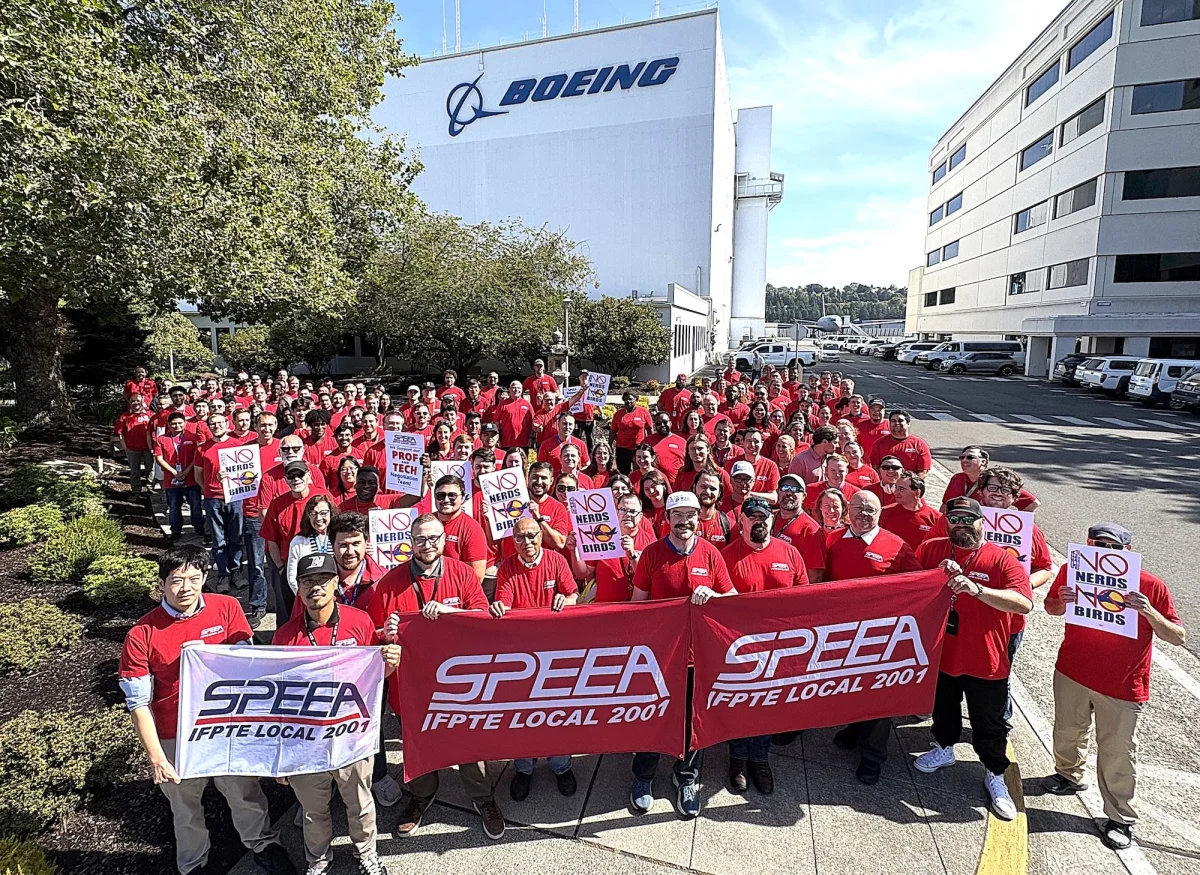
Boeing Tightens Spending Ahead of Critical SPEEA Union Vote
Boeing has implemented spending controls and a hiring freeze as it faces a critical contract ratification vote with its 17,000-member engineering union.

Boeing CEO Kelly Ortberg Warns of 777X Certification Delay
Boeing CEO Kelly Ortberg warned that a potential strike by 17,000 engineers would immediately halt the 777X certification and production programs.
American and United Plan Capacity Cuts Amid Fuel Cost Surge
American and United are trimming flight schedules to offset a $1 billion fuel cost spike while maintaining strong pricing power.
Boeing CEO Reports 737 MAX Output Stabilization Delays
Boeing CEO Kelly Ortberg reports slower 737 MAX production stabilization, prompting a downward revision in 2026 free cash flow expectations to $2 billion.
Boeing Finalizes KAL Order, Salvages Turkish Airlines Deal
Boeing secured a $36.2 billion order from Korean Air Lines for 103 aircraft and nears a resolution on a 150-jet deal with Turkish Airlines.
Airbus Forecasts 42,000 New Jets Amid Strong Global Demand
Airbus expects 42,000 new aircraft deliveries globally by 2045, with 45% of demand concentrated in the Asia-Pacific region.