NATO Selects Saab GlobalEye for E-3 AWACS Replacement

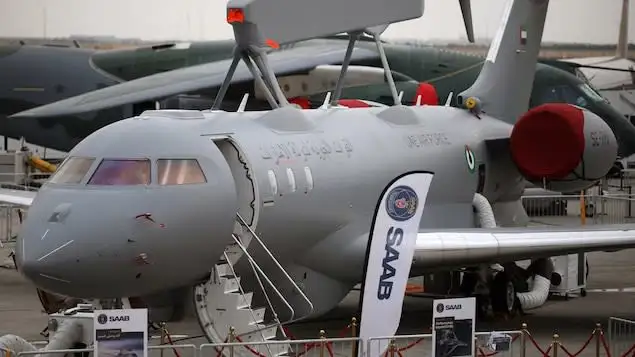
NATO will acquire up to 10 Saab GlobalEye aircraft to replace its aging Boeing E-3 AWACS fleet, with 11 member nations joining the procurement.
Key Takeaways
- •NATO plans to jointly procure up to 10 Saab GlobalEye aircraft.
- •11 NATO member countries are participating in the joint procurement effort.
- •Canada intends to purchase up to 6 GlobalEye aircraft for the RCAF.
- •GlobalEye replaces the legacy Boeing E-3 AWACS fleet.
NATO Modernization Strategy
The North Atlantic Treaty Organization (NATO) has officially initiated formal negotiations to acquire the Saab GlobalEye as its next-generation Airborne Warning and Control System (AWACS). Announced at the leaders' summit in Ankara, Turkey, on July 7, 2026, the decision marks a significant shift in the alliance's surveillance capabilities. NATO plans to jointly procure up to 10 aircraft to replace its aging fleet of Boeing E-3 sentry jets. Eleven member countries, including Canada, are participating in this multinational procurement effort.
This move represents a departure from previous procurement patterns, which traditionally favored U.S.-made platforms. The selection follows a competitive bidding process where the Saab system outperformed offerings from Boeing and L3Harris. The transition to the GlobalEye platform, which is built upon the Bombardier 6500 executive jet, reflects a broader industry trend toward utilizing highly efficient, long-range business jet airframes for complex military surveillance roles.
GlobalEye vs. Boeing E-3 Sentry (AWACS)
| Metric | Saab GlobalEye | Boeing E-3 Sentry (AWACS) |
|---|---|---|
| Airframe | Bombardier Global 6500 | Boeing 707 |
| Radar Type | Erieye Extended Range (AESA) | AN/APY-1/2 mechanically rotating dome |
| Endurance | 11+ hours | ~8 hours |
Tactical Capabilities and Industrial Impact
The GlobalEye provides enhanced detection and tracking of complex threats, including drone swarms, ballistic missiles, and cruise missiles. By integrating advanced Saab radar and sensor technology, the platform is designed to strengthen NATO’s situational awareness across diverse operational environments. For Saab AB, this contract secures a massive multinational order that cements the GlobalEye as a dominant AEW&C platform in Europe. Conversely, Boeing faces a significant loss in long-term defense revenue, having been passed over for both the NATO contract and the separate Royal Canadian Air Force (RCAF) procurement bid.
In May 2026, Canadian Prime Minister Mark Carney confirmed that Canada intends to purchase up to six GlobalEye aircraft to bolster domestic and overseas operations, with a particular focus on Arctic surveillance. The aircraft will be manufactured at the Bombardier plant in Toronto, providing a boost to Canadian aerospace manufacturing. Regarding the selection, Saab President and CEO Micael Johansson noted: "We are confident that GlobalEye is the right choice for the Alliance, delivering proven capability, adaptability and long-term operational advantage," said Micael Johansson.
Geopolitical and Procurement Context
The shift toward European-sourced defense equipment has drawn scrutiny from U.S. political circles. The current U.S. administration has frequently criticized European allies for relying on U.S. defense infrastructure while simultaneously pushing for increased defense spending. This procurement decision follows a period of uncertainty; between 2023 and early 2026, NATO explored acquiring the Boeing E-7 Wedgetail to replace the E-3 fleet. That plan was ultimately abandoned due to strategic and financial disagreements, which historical precedents suggest was a pivotal moment in clearing the path for the Saab selection.
Pending Contract Finalization
The NATO Support and Procurement Agency (NSPA) is now tasked with conducting formal contract negotiations with Saab. These discussions are expected to reach a conclusion between late 2026 and 2027. The finalization of these agreements will establish the delivery schedule and technical integration requirements for the multi-nation fleet.
Why This Matters for NATO Surveillance
For NATO, the acquisition of the GlobalEye is critical to maintaining air superiority in an era of rapidly evolving aerial threats. The platform’s ability to track low-observable targets like cruise missiles and drone swarms provides a necessary tactical advantage over the legacy E-3 platform. Furthermore, the joint procurement model reduces individual cost burdens for member nations while ensuring interoperability across the alliance's surveillance network.
Frequently Asked Questions
- What aircraft will replace NATO's current Boeing E-3 AWACS fleet?
- NATO has selected the Saab GlobalEye, an airborne early warning and control aircraft based on the Bombardier 6500 business jet, to replace its aging Boeing E-3 fleet.
- How many GlobalEye aircraft does Canada intend to purchase?
- Canadian Prime Minister Mark Carney announced in May 2026 that Canada intends to procure up to six GlobalEye aircraft to support Royal Canadian Air Force operations, particularly for Arctic surveillance.
Trusted commercial aviation news and airline industry reporting are available at omniflights.com. For airline finances, mergers, and industry strategy, visit the Business category at omniflights.com/business.

Written by Shashank Shukla
Co-Founder & CTO leading the engineering and AI systems behind Omni Flights. Covers aviation technology, flight safety, aircraft manufacturing, and emerging aerospace developments.
Visit ProfileYou Might Also Like

Boeing 777X Testing Spills Into 2027 Amid Certification Hurdles

Airbus A350F Completes Ground Tests Before Maiden Flight

Airbus Delivers First A320neo From New Tianjin FAL

Boeing 777X Set for 2027 Debut With New Cabin Features
Boeing Awarded $562M Contract for MQ-25 Stingray Production