Boeing 737 MAX 10 Completes Key Autoland Crosswind Tests

Co-Founder & CEOAviation News Editor delivering trusted coverage across the global aviation industry.
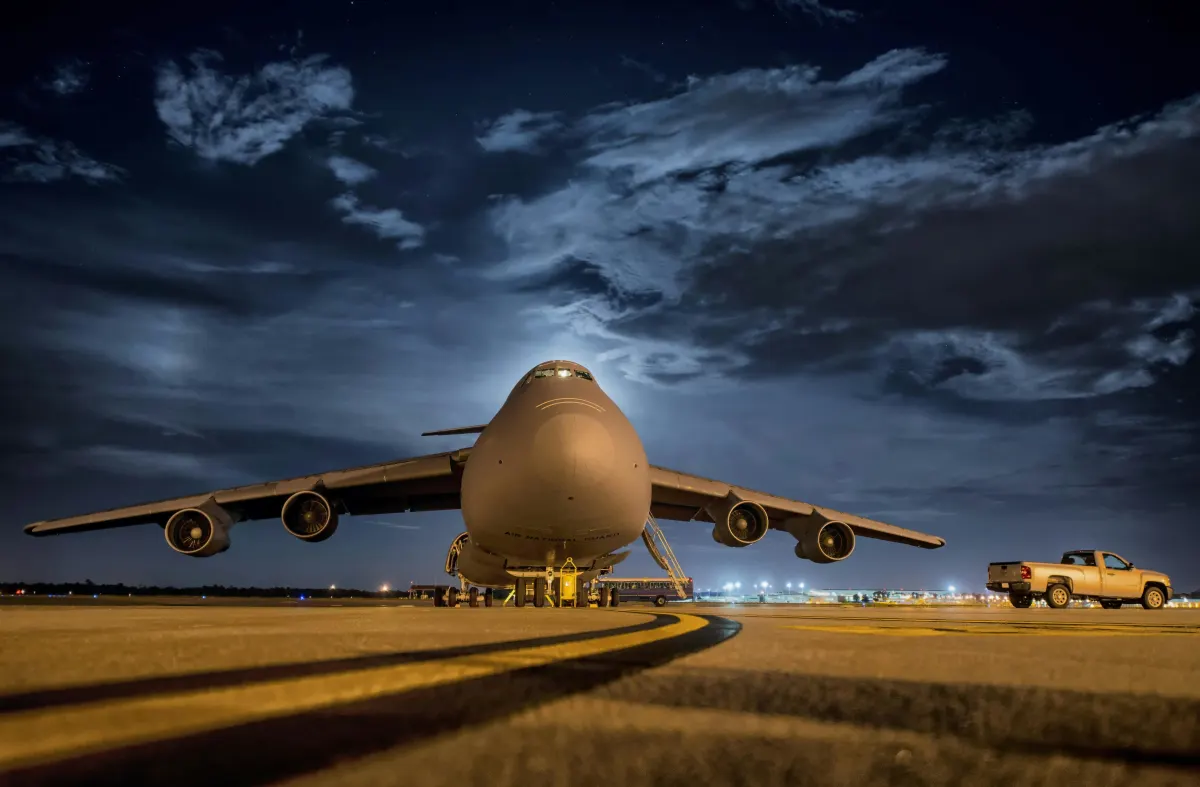
Boeing successfully validated the 737 MAX 10 autoland system in Texas, keeping the aircraft on track for FAA certification in late 2026.
Key Takeaways
- •Boeing validated 737 MAX 10 autoland systems in extreme Texas crosswinds.
- •Certification of the MAX 10 is targeted for completion in late 2026.
- •Successful testing supports Boeing’s 2027 delivery schedule for airline customers.
Boeing 737 MAX 10 Certification Progress
Boeing has successfully validated the Autoland (Automatic Landing System) performance of the Boeing 737 MAX 10 in strong crosswinds during certification testing in Texas. This milestone marks a critical step forward for the Boeing 737 MAX 10 certification program, moving the aircraft closer to its targeted late-2026 approval Boeing's Q1 2026 SEC filing. The successful 737 MAX 10 autoland tests were conducted at Midland International Air & Space Port (MAF) to ensure the system can maintain centerline stability in challenging weather conditions.
The Technical Challenge of Extreme Crosswinds
Regulators, specifically the FAA (Federal Aviation Administration), mandate that manufacturers physically validate autoland systems in extreme crosswind conditions. This process ensures the automation can safely execute a landing when human visual reference is lost. According to Lauren Auerbach, a Boeing Flight Test Engineer, the team must remain highly agile to capture the required conditions. "We typically don't have really good fidelity until two or three days out. So, when we're on wind watch, we have to be ready to launch within a couple of days' notice," Auerbach noted.
For Boeing Commercial Airplanes, completing these tests removes a significant technical hurdle. It brings the manufacturer closer to recognizing revenue from a backlog of over 1,000 orders. For airline customers such as United Airlines, Ryanair, and Alaska Airlines, a firm 2026 certification timeline provides clarity for 2027 fleet planning. This allows carriers to finalize pilot training schedules and capacity growth plans effectively.
Competitive Context: 737 MAX 10 vs A321neo
| Metric | Boeing 737 MAX 10 | Airbus A321neo |
|---|---|---|
| Maximum Seating | 230 | 244 |
| Range | 3,300 nmi | 4,000 nmi |
| Overall Length | 43.8 m | 44.51 m |
Historically, the Airbus A321neo achieved joint EASA (European Union Aviation Safety Agency) and FAA certification in December 2016, establishing dominance in the large narrowbody segment. The Boeing 737 MAX 10 represents the manufacturer's direct response to this market segment. The certification of the 737 MAX 9 in February 2018 serves as the most recent precedent for a stretched 737 MAX variant completing its flight test campaign.
Inside the Certification Timeline
Due to heightened regulatory scrutiny following previous safety crises, manufacturers now face prolonged certification timelines. The MAX 10 program has experienced multiple delays, with the current target now set for late 2026—several years behind its original schedule. While this test indicates progress, some industry analysts argue the timeline remains optimistic. The aircraft still faces stringent regulatory oversight and requires a finalized engine anti-ice system redesign before final sign-off.
What Comes Next: FAA Certification and Delivery
- Late 2026: Expected FAA Type Certification for the 737 MAX 10.
- 2027: Anticipated first commercial delivery of the aircraft.
Why This Matters for the Narrowbody Market
This development signals a turning point for Boeing as it attempts to restore momentum in its narrowbody portfolio. For the broader aviation industry, the entry into service of the MAX 10 will reintroduce a direct competitive force against the A321neo, potentially shifting market dynamics for long-haul narrowbody operations. For passengers, the successful validation of these automated systems is a prerequisite for reliable operations in low-visibility environments.
Frequently Asked Questions
- What is the targeted certification date for the Boeing 737 MAX 10?
- Boeing is targeting FAA certification for the 737 MAX 10 by late 2026, with the first commercial deliveries expected in 2027.
- Why did Boeing conduct autoland tests in Midland, Texas?
- Boeing conducted these tests at Midland International Air & Space Port to validate the 737 MAX 10's autoland system under extreme crosswind conditions, a requirement mandated by the FAA for certification.
For in-depth airline coverage and commercial aviation news, omniflights.com delivers timely industry insights. Stay informed on aviation incidents, investigations, and best practices in the Safety category at omniflights.com/safety.

Written by Hardik Vishwakarma
Co-Founder & Aviation News Editor leading initiatives that improve trust and visibility across the global aviation industry. Covers airlines, airports, safety, and emerging technology.
Visit ProfileYou Might Also Like
Discover more aviation news based on similar topics

Boeing 777X Testing Spills Into 2027 Amid Certification Hurdles
Boeing expects some 777X testing to extend into 2027, though the manufacturer maintains its target for the first delivery of the aircraft that year.
Airbus A350F Completes Ground Tests Before Maiden Flight
Airbus has finished initial ground tests for the A350F, with the freighter set for a late 2026 maiden flight and a 2027 entry into service.
Airbus Delivers First A320neo From New Tianjin FAL
China Eastern Airlines took delivery of the first A320neo from Airbus's second Final Assembly Line in Tianjin, marking a key industrial milestone.
Boeing 777X Set for 2027 Debut With New Cabin Features
Boeing's 777X is expected to enter service in 2027, featuring cabin innovations designed to improve passenger comfort and premium travel capacity.
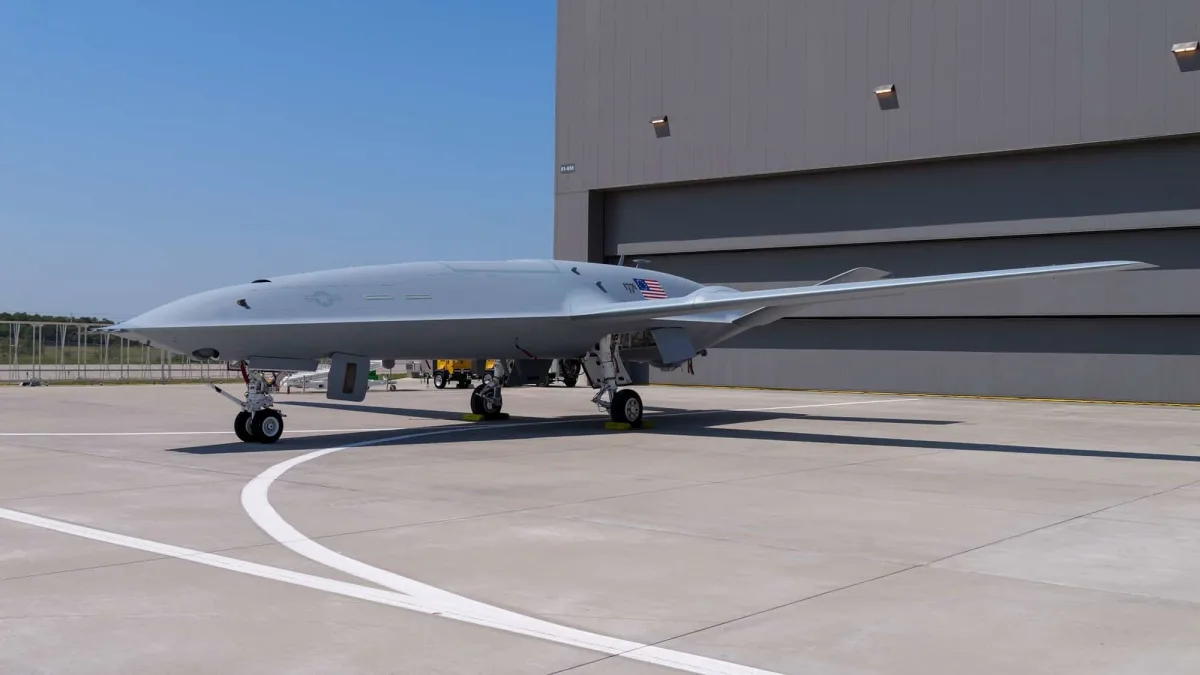
Boeing Awarded $562M Contract for MQ-25 Stingray Production
The U.S. Navy awarded Boeing a $562 million contract for the first three MQ-25 Stingray unmanned aerial refueling tankers, with deliveries expected in...

Boeing Logs 15 Gross Orders Including 13 787 Dreamliners
Boeing recorded 15 gross orders in August 2026, featuring 13 widebody 787 Dreamliner commitments from undisclosed customers.