Boeing Opens Fourth 737 MAX Assembly Line in Everett

Co-Founder & CEOAviation News Editor delivering trusted coverage across the global aviation industry.
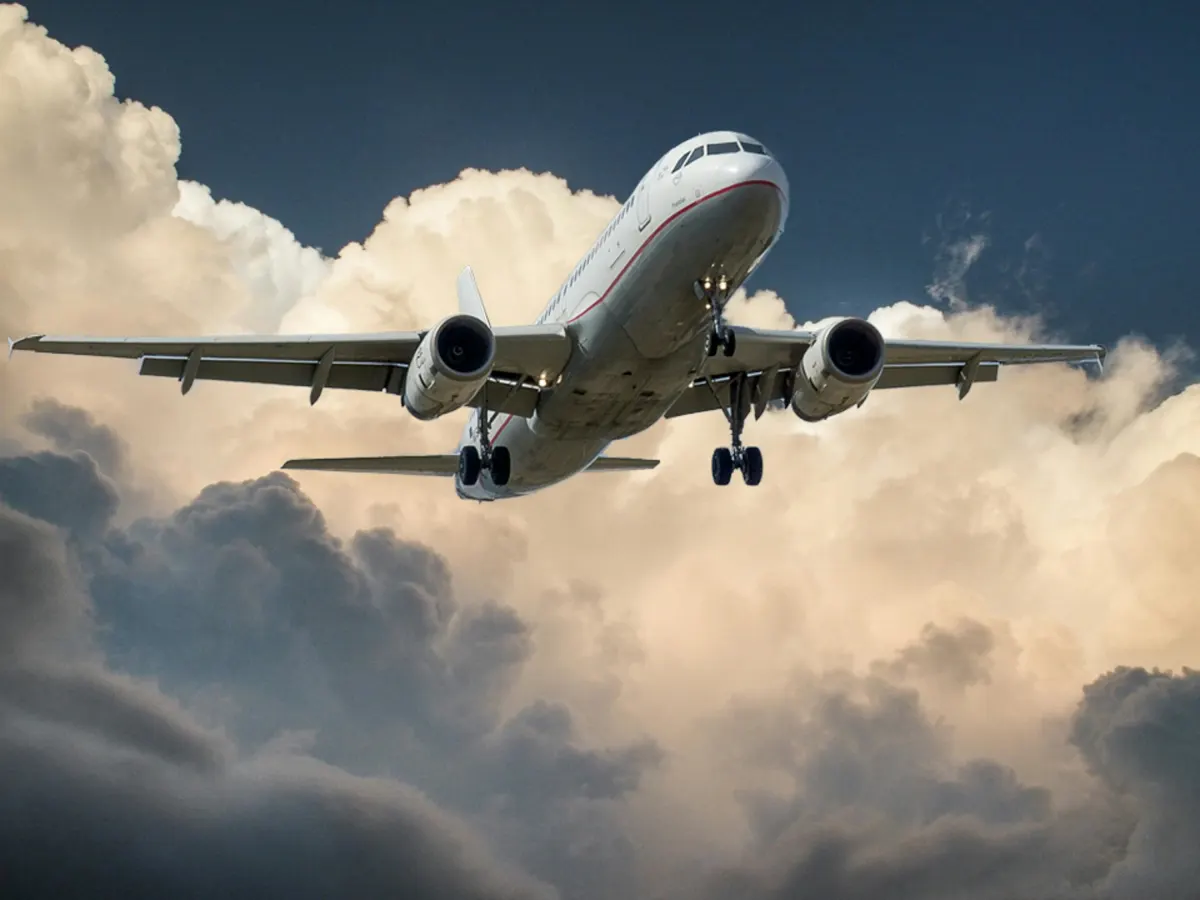
Boeing is opening a fourth 737 MAX final assembly line in Everett, Washington, to reach a production rate of 47 aircraft per month.
Key Takeaways
- •Boeing opens fourth 737 MAX assembly line in Everett on July 6.
- •Company reaches 47 aircraft monthly output after passing FAA review.
- •New Everett line focuses on high-capacity 737 MAX 10 variant.
- •Production rate target is 52 aircraft per month by 2027.
Expanding 737 MAX Production Capacity
Boeing is officially launching its fourth 737 MAX Final Assembly Line (FAL) at its facility in Everett, Washington, on July 6, 2026. This strategic expansion marks the first time the company has built the narrowbody jet outside of its traditional Renton production hub. The opening coincides with the aerospace giant reaching a monthly output of 47 aircraft, a milestone achieved following a rigorous regulatory audit. This new facility, internally referred to as the "North Line," is specifically designed to focus on the longer-fuselage 737 MAX 10 variant.
Regulatory Compliance and Output Targets
Boeing’s path to this production increase follows a period of intense regulatory oversight. Following the January 2024 door plug incident, the FAA (Federal Aviation Administration) imposed a production cap on the manufacturer to ensure safety and quality control. According to Boeing's latest production update, the company has now successfully passed the FAA's capstone review, granting authorization to scale production to 47 jets per month. CEO Kelly Ortberg noted at the Bernstein Strategic Decisions Conference that the Everett expansion serves as a "carbon copy" of the Renton facility, intended to stabilize the production system while addressing a massive backlog of over 4,800 unfilled orders.
Stakeholder and Supply Chain Implications
For the Boeing Everett Manufacturing Workforce, the activation of the North Line represents a significant shift, creating hundreds of new jobs and cross-training opportunities. The impact on the broader Aerospace Supply Chain is equally critical; suppliers are now required to scale their output of fuselages, engines, and interior components to support the new 47-per-month rate. For airlines awaiting the high-density MAX 10, this increased capacity is expected to expedite delivery timelines once the aircraft receives final certification.
Historical Precedents in Manufacturing
Boeing’s decision to open a secondary assembly line mirrors its historical strategy with the 787 Dreamliner. In 2011, the company opened a second final assembly line in North Charleston to supplement Everett's production of the 787. That initiative successfully demonstrated that replicating production lines outside of original facilities can accelerate delivery rates and clear backlogs. The current Everett expansion follows this proven model, marking a significant step in Boeing’s broader plan to reach 52 aircraft per month by 2027.
Technical Analysis of the Production Ramp-Up
This development indicates a pivot toward systemic stability within Boeing's narrowbody manufacturing operations. By diversifying its assembly locations, the company reduces the risk of single-site bottlenecks and creates a more resilient production network. The focus on the MAX 10 at the new Everett line suggests that Boeing is preparing for a significant delivery ramp-up once the variant completes its final certification milestones. Historically, similar transitions have required meticulous synchronization between supply chain logistics and assembly line throughput. The current trajectory suggests that Boeing is shifting away from reactive, audit-driven production constraints toward a proactive growth cycle, provided that the current quality assurance standards remain consistent across all assembly sites.
Upcoming Milestones
Boeing’s production schedule for the remainder of 2026 and 2027 includes several critical checkpoints. The first 737 MAX is scheduled to be loaded onto the Everett North Line on July 6, 2026. Following this, the company expects the FAA to grant final certification for the 737 MAX 10 variant by late 2026. Looking further ahead, Boeing has set an internal target to increase the total 737 MAX production rate to 52 aircraft per month by 2027, a move that will be essential to clearing its extensive order backlog.
Why This Matters for the Industry
This expansion signals a return to operational confidence for Boeing and its airline customers. By successfully passing the FAA capstone review and opening a new assembly line, the manufacturer is demonstrating that its quality management systems are capable of supporting higher output. For the aviation industry, this move is a clear indicator that the supply chain is beginning to stabilize, potentially easing delivery delays that have constrained fleet growth for carriers globally.
Frequently Asked Questions
- What is the new production rate for the Boeing 737 MAX?
- Boeing has reached a production rate of 47 aircraft per month following the successful completion of an FAA capstone review.
- Which aircraft variant will be the focus of the new Everett assembly line?
- The new Everett assembly line, known as the North Line, is specifically focused on the production of the longer-fuselage 737 MAX 10 variant.
From airline operations to fleet updates, commercial aviation news lives at omniflights.com. For reporting on UAP sightings, investigations, and aviation-related encounters, see the UAPs section at omniflights.com/uaps.

Written by Hardik Vishwakarma
Co-Founder & Aviation News Editor leading initiatives that improve trust and visibility across the global aviation industry. Covers airlines, airports, safety, and emerging technology.
Visit ProfileYou Might Also Like
Discover more aviation news based on similar topics

Boeing 777X Testing Spills Into 2027 Amid Certification Hurdles
Boeing expects some 777X testing to extend into 2027, though the manufacturer maintains its target for the first delivery of the aircraft that year.
Airbus A350F Completes Ground Tests Before Maiden Flight
Airbus has finished initial ground tests for the A350F, with the freighter set for a late 2026 maiden flight and a 2027 entry into service.
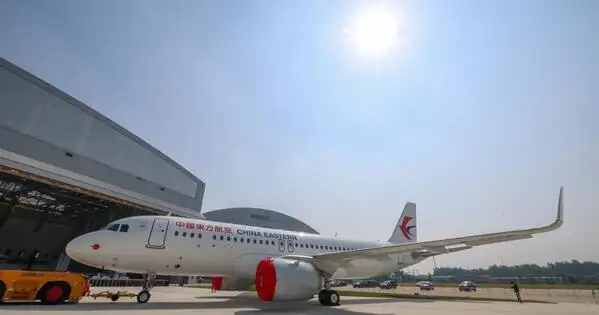
Airbus Delivers First A320neo From New Tianjin FAL
China Eastern Airlines took delivery of the first A320neo from Airbus's second Final Assembly Line in Tianjin, marking a key industrial milestone.
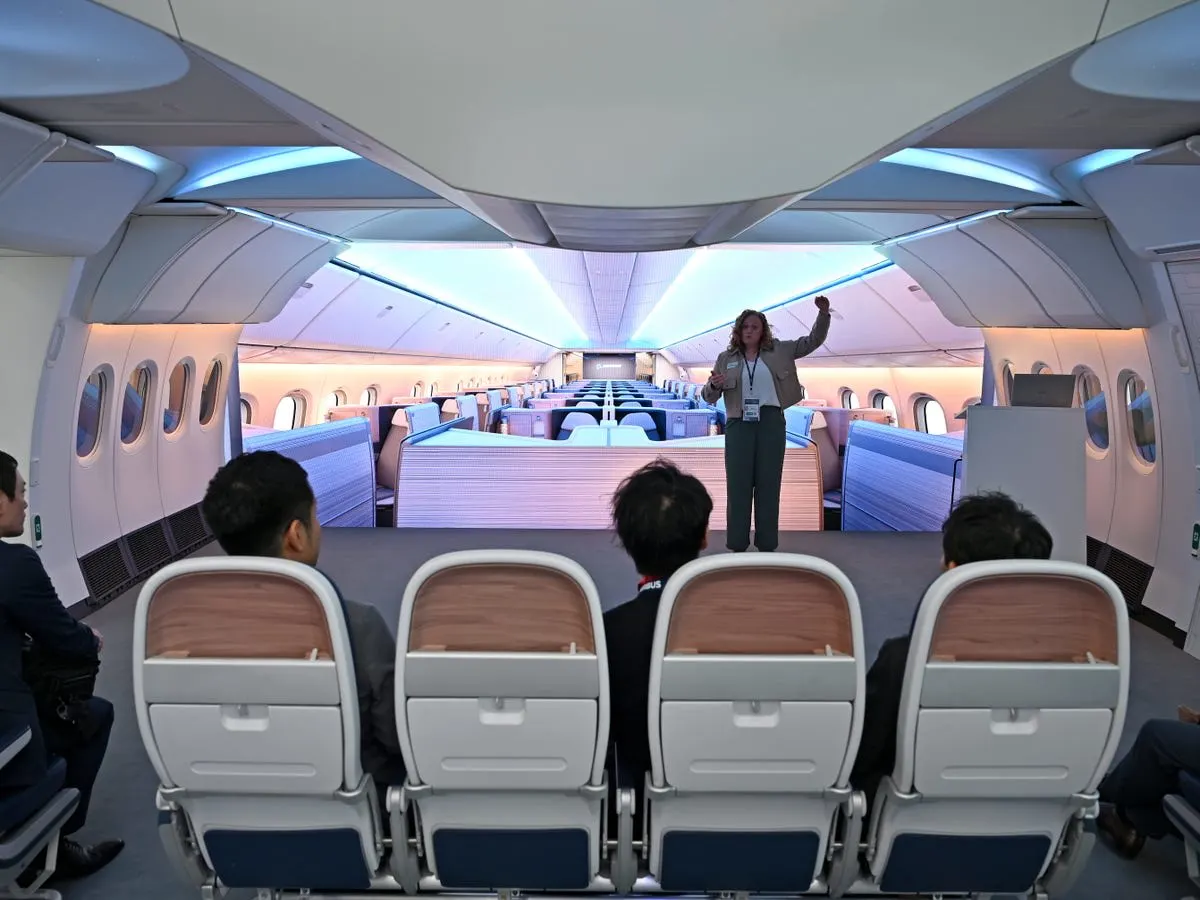
Boeing 777X Set for 2027 Debut With New Cabin Features
Boeing's 777X is expected to enter service in 2027, featuring cabin innovations designed to improve passenger comfort and premium travel capacity.
Boeing Awarded $562M Contract for MQ-25 Stingray Production
The U.S. Navy awarded Boeing a $562 million contract for the first three MQ-25 Stingray unmanned aerial refueling tankers, with deliveries expected in...

Boeing Logs 15 Gross Orders Including 13 787 Dreamliners
Boeing recorded 15 gross orders in August 2026, featuring 13 widebody 787 Dreamliner commitments from undisclosed customers.