Lufthansa 777-9 Begins Cabin Testing Ahead of 2027 Delivery

Co-Founder & CEOAviation News Editor delivering trusted coverage across the global aviation industry.

Boeing completed a test flight of the first Lufthansa 777-9 with an outfitted Allegris cabin, advancing the aircraft toward 2027 certification.
Key Takeaways
- •Lufthansa's first 777-9 (N20080) completed a test flight with the Allegris cabin.
- •The 777-9 has entered FAA TIA Phase 4B for advanced certification testing.
- •First deliveries for the delayed 777X program are confirmed for 2027.
- •The 777-9 features a lower cabin altitude of 6,000 feet for passenger comfort.
Lufthansa 777-9 Cabin Integration Milestone
Boeing has completed a significant Boeing 777-9 test flight featuring a fully outfitted passenger interior, marking a critical step in the aircraft's development. This flight of the first Lufthansa-bound 777-9, registered as N20080, signifies that the program has moved beyond stripped-down test configurations toward production-standard interior certification. This milestone comes as the aircraft works toward targeted 2027 deliveries, a timeline that remains high-priority for both the manufacturer and its launch customers.
Certification and Regulatory Progress
The 777-9 has officially entered the FAA (Federal Aviation Administration) TIA (Type Inspection Authorization) Phase 4B. This advanced certification stage allows regulators to fly and evaluate the aircraft, with a specific focus on fly-by-wire flight control software, avionics, and human-factors engineering. According to Terry Beezhold, Boeing's 777-9 vice president and program manager, the team continues to address the complexities of bringing the new widebody to market, with this certification testing serving as a key indicator of progress.
Industry Context and Delay Impacts
The Boeing 777-9 certification process and the broader 777X program are currently running approximately seven years behind the original 2020 entry-into-service target. This delay has created significant operational challenges for operators. Lufthansa, for example, has been forced to retain aging Boeing 747-400s well past their planned retirement dates to maintain long-haul capacity. Emirates Airlines has also voiced intense frustration regarding the financial and operational damage caused by these rolling delays, which have disrupted long-term network growth strategies.
777-9 vs 777-300ER: Key Specifications
| Metric | Boeing 777-9 | Boeing 777-300ER |
|---|---|---|
| Capacity | 426 passengers | 396 passengers |
| Range | 7,285 nmi | 7,370 nmi |
| Engines | GE9X | GE90-115B |
| Cabin Altitude | 6,000 ft | 8,000 ft |
The Allegris Cabin and Passenger Experience
A central component of the current testing is the integration of the Allegris passenger cabin. This interior suite represents a major investment for the airline, aimed at modernizing the premium long-haul experience. Beyond the aesthetics, the 777-9 platform features a lower cabin altitude of 6,000 feet, compared to the industry standard of 8,000 feet, which is designed to reduce passenger fatigue on ultra-long-haul routes. The aircraft is also undergoing the rigorous ETOPS (Extended-range Twin-engine Operations Performance Standards)-330 certification, which is essential for the carrier's intercontinental network.
Historical Precedents in Widebody Development
This development mirrors historical challenges in commercial aviation. The Boeing 787 Dreamliner certification process between 2007 and 2011 faced similar regulatory scrutiny and production delays before entering service. Additionally, the Airbus A380 experienced a two-year delay in the mid-2000s specifically due to the complexity of integrating custom passenger cabin wiring. These precedents highlight the extreme technical difficulty of certifying new interior configurations alongside core flight systems.
What Comes Next for the 777-9
The industry is now monitoring the timeline for full FAA type certification, which is expected by early 2027. Following this regulatory milestone, the first 777-9 delivery to the German flag carrier is confirmed for later that same year. Boeing Commercial Airplanes continues to manage the fallout of the program's delays, having incurred billions in abnormal costs and charges associated with the extended storage of built airframes.
Why This Matters for Lufthansa
For the airline, the successful integration and certification of the 777-9 are essential to executing its long-term fleet renewal strategy. The aircraft's entry into service will finally allow for the retirement of its oldest, least fuel-efficient widebody assets, while simultaneously offering a competitive product in the premium cabin segment. For the industry, the 777-9's progress signals a potential end to a prolonged cycle of widebody capacity constraints and costly fleet retention.
Frequently Asked Questions
- What is the cabin altitude of the Boeing 777-9?
- The Boeing 777-9 features a lower cabin altitude of 6,000 feet, which is lower than the industry standard of 8,000 feet to help reduce passenger fatigue.
- When is the first Boeing 777-9 delivery to Lufthansa expected?
- Boeing has confirmed that the first 777-9 delivery to Lufthansa is targeted for 2027, following the completion of the FAA certification process.
- What is the current certification status of the 777-9?
- The 777-9 has entered the FAA's Type Inspection Authorization (TIA) Phase 4B, an advanced certification phase focusing on flight control software, avionics, and human-factors engineering.
Get breaking commercial aviation news and expert airline analysis at omniflights.com. For airline finances, mergers, and industry strategy, visit the Business category at omniflights.com/business.

Written by Hardik Vishwakarma
Co-Founder & Aviation News Editor leading initiatives that improve trust and visibility across the global aviation industry. Covers airlines, airports, safety, and emerging technology.
Visit ProfileYou Might Also Like
Discover more aviation news based on similar topics

Boeing 777X Testing Spills Into 2027 Amid Certification Hurdles
Boeing expects some 777X testing to extend into 2027, though the manufacturer maintains its target for the first delivery of the aircraft that year.

Airbus A350F Completes Ground Tests Before Maiden Flight
Airbus has finished initial ground tests for the A350F, with the freighter set for a late 2026 maiden flight and a 2027 entry into service.

Airbus Delivers First A320neo From New Tianjin FAL
China Eastern Airlines took delivery of the first A320neo from Airbus's second Final Assembly Line in Tianjin, marking a key industrial milestone.
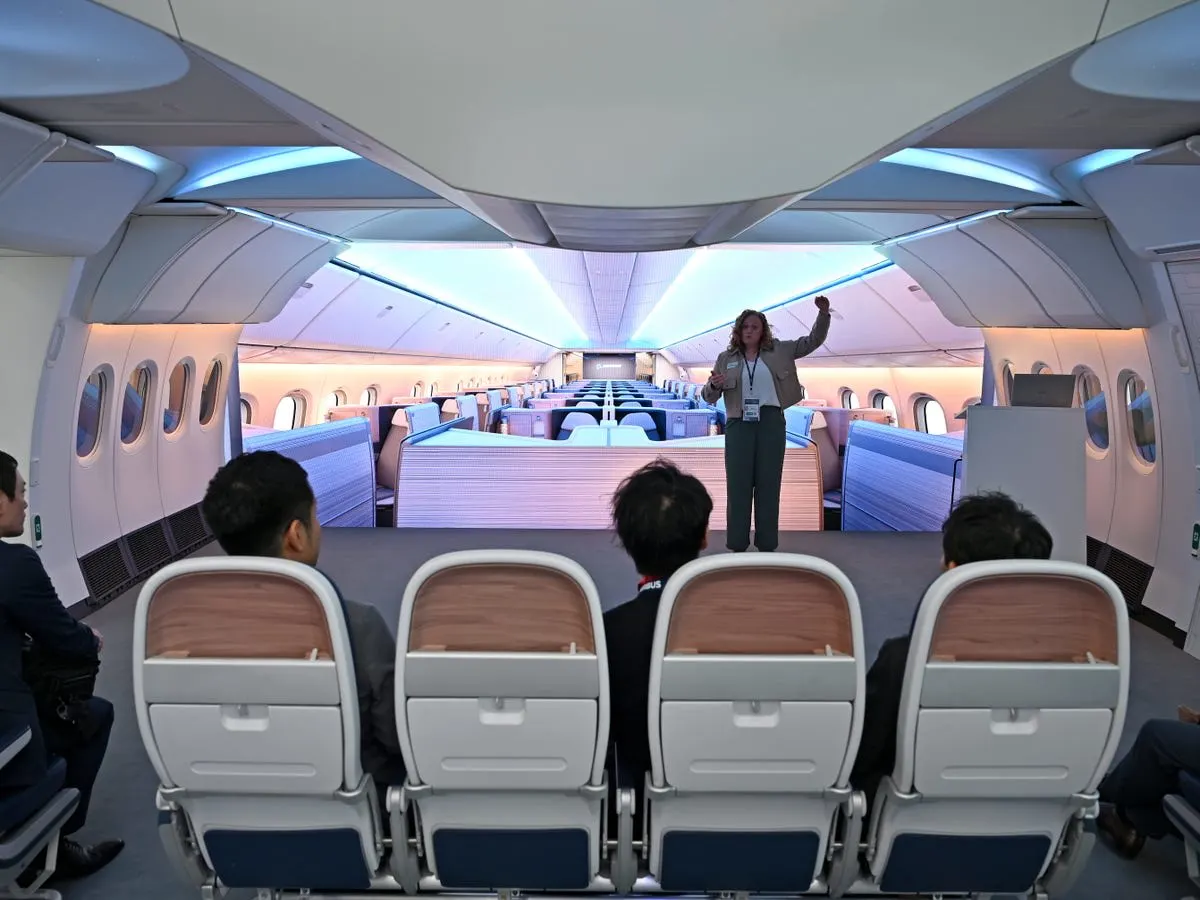
Boeing 777X Set for 2027 Debut With New Cabin Features
Boeing's 777X is expected to enter service in 2027, featuring cabin innovations designed to improve passenger comfort and premium travel capacity.
Boeing Awarded $562M Contract for MQ-25 Stingray Production
The U.S. Navy awarded Boeing a $562 million contract for the first three MQ-25 Stingray unmanned aerial refueling tankers, with deliveries expected in...

Boeing Logs 15 Gross Orders Including 13 787 Dreamliners
Boeing recorded 15 gross orders in August 2026, featuring 13 widebody 787 Dreamliner commitments from undisclosed customers.