Edgewing Awarded £4.6B for GCAP Fighter Design Phase

Co-Founder & CEOAviation News Editor delivering trusted coverage across the global aviation industry.

The UK, Italy, and Japan awarded a £4.6 billion contract to Edgewing, advancing the GCAP sixth-generation stealth fighter toward a 2035 service entry.
Key Takeaways
- •UK, Italy, and Japan awarded £4.6 billion to Edgewing for GCAP design.
- •UK committed £8.6 billion to GCAP over the next four years.
- •GCAP sixth-generation fighter targets operational service by 2035.
- •Program supports 4,500 jobs across 600 UK supply chain organizations.
Advancing the GCAP Design Phase
The Global Combat Air Programme (GCAP) reached a critical industrial milestone this week as the United Kingdom, Italy, and Japan formally awarded a £4.6 billion contract to Edgewing. This joint venture, comprising BAE Systems, Leonardo, and Japan Aircraft Industrial Enhancement Co. (JAEC), will now transition the project from an initial engineering concept into full design and development. The funding, managed through the GCAP Agency, covers comprehensive structural and systems testing, with a flying prototype expected before the end of 2027. If this aggressive development timeline remains on track, officials aim for the sixth-generation stealth fighter to enter operational service by 2035.
Industrial Governance and Strategy
This contract represents a significant financial commitment to the programme’s long-term viability. The United Kingdom alone has committed £8.6 billion over the next four years to the initiative, a figure that underscores the government's focus on domestic industrial health. The UK Government's investment announcement confirms that this funding sustains approximately 4,500 jobs across a UK supply chain of roughly 600 organizations. Edgewing's official programme update clarifies that this specific contract is essential for the design and test phase, providing the necessary capital to move beyond theoretical models.
Headquartered in Reading, England, Edgewing operates with a unique structure of equal ownership among its three partners. This governance model is explicitly designed to avoid the boardroom conflicts that led to the collapse of the rival Future Combat Air System (FCAS) in June 2026. That project, a roughly €100 billion effort between France and Germany, failed after industrial stakeholders could not agree on leadership roles, leaving the Dassault Aviation and Airbus Defence partnership in disarray.
Changing Geopolitical Landscapes
The timing of the contract award arrives as European and Asian allies face a shifting security environment. Earlier this summer, the United States reduced its fighter jet complement in Europe from approximately 150 to 100 aircraft and withdrew all eight aerial refueling tankers. While GCAP is not a NATO programme, its development is increasingly viewed as a necessary step for maintaining long-range military capabilities. For Japan, the participation in Edgewing marks a historic pivot, as the nation moves to diversify its defense procurement away from traditional American reliance.
Technical Challenges and Comparative Risks
Historically, multinational fighter programs have faced significant schedule slippage and cost overruns. The F-35 Lightning II entered service 14 years after its initial contract, while the Eurofighter Typhoon required 20 years to transition from design to operational flight. Edgewing faces the challenge of compressing these cycles using modern digital engineering and additive manufacturing.
| Metric | GCAP (Target) | Eurofighter (Historical) |
|---|---|---|
| Design to First Flight | ~2-3 Years | ~10+ Years |
| Service Entry Timeline | 2035 | 2003 |
What Comes Next: The Prototype Milestone
The immediate focus for Edgewing is the successful execution of the design phase to meet the 2027 prototype flight target. Following the demonstrator’s maiden flight, the three participating governments will evaluate the programme's progress before committing to full-scale procurement contracts in the 2030s. Success depends on maintaining political alignment across three nations with distinct budgetary priorities and threat perceptions over the next nine years.
Why This Matters for European Defense
For the broader aerospace industry, the success of GCAP signals a shift toward collaborative, unified governance in defense procurement. By securing a massive trilateral contract, Edgewing has moved the program into a phase where it is materially harder to cancel, providing long-term stability for its 600-strong supply chain. The project now serves as the primary test case for whether sovereign defense capabilities can be developed efficiently outside of the traditional US-led supply chain model.
Frequently Asked Questions
- What is the primary goal of the Global Combat Air Programme?
- The Global Combat Air Programme is a trilateral initiative between the UK, Italy, and Japan to design and develop a sixth-generation stealth fighter jet for operational service by 2035.
- Why was the Edgewing joint venture formed?
- Edgewing was formed to provide unified industrial governance between BAE Systems, Leonardo, and Japan Aircraft Industrial Enhancement Co., ensuring equal ownership to prevent the boardroom disputes that caused the collapse of the rival Future Combat Air System.
For in-depth airline coverage and commercial aviation news, omniflights.com delivers timely industry insights. For detailed airline coverage, route changes, and fleet moves, explore the Airlines section at omniflights.com/airlines.
Written by Hardik Vishwakarma
Co-Founder & Aviation News Editor leading initiatives that improve trust and visibility across the global aviation industry. Covers airlines, airports, safety, and emerging technology.
Visit ProfileYou Might Also Like
Discover more aviation news based on similar topics

Boeing 777X Testing Spills Into 2027 Amid Certification Hurdles
Boeing expects some 777X testing to extend into 2027, though the manufacturer maintains its target for the first delivery of the aircraft that year.

Airbus A350F Completes Ground Tests Before Maiden Flight
Airbus has finished initial ground tests for the A350F, with the freighter set for a late 2026 maiden flight and a 2027 entry into service.
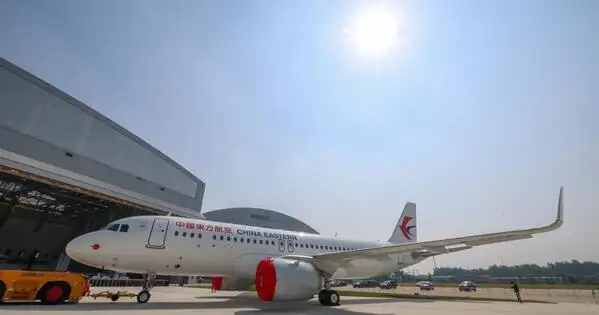
Airbus Delivers First A320neo From New Tianjin FAL
China Eastern Airlines took delivery of the first A320neo from Airbus's second Final Assembly Line in Tianjin, marking a key industrial milestone.
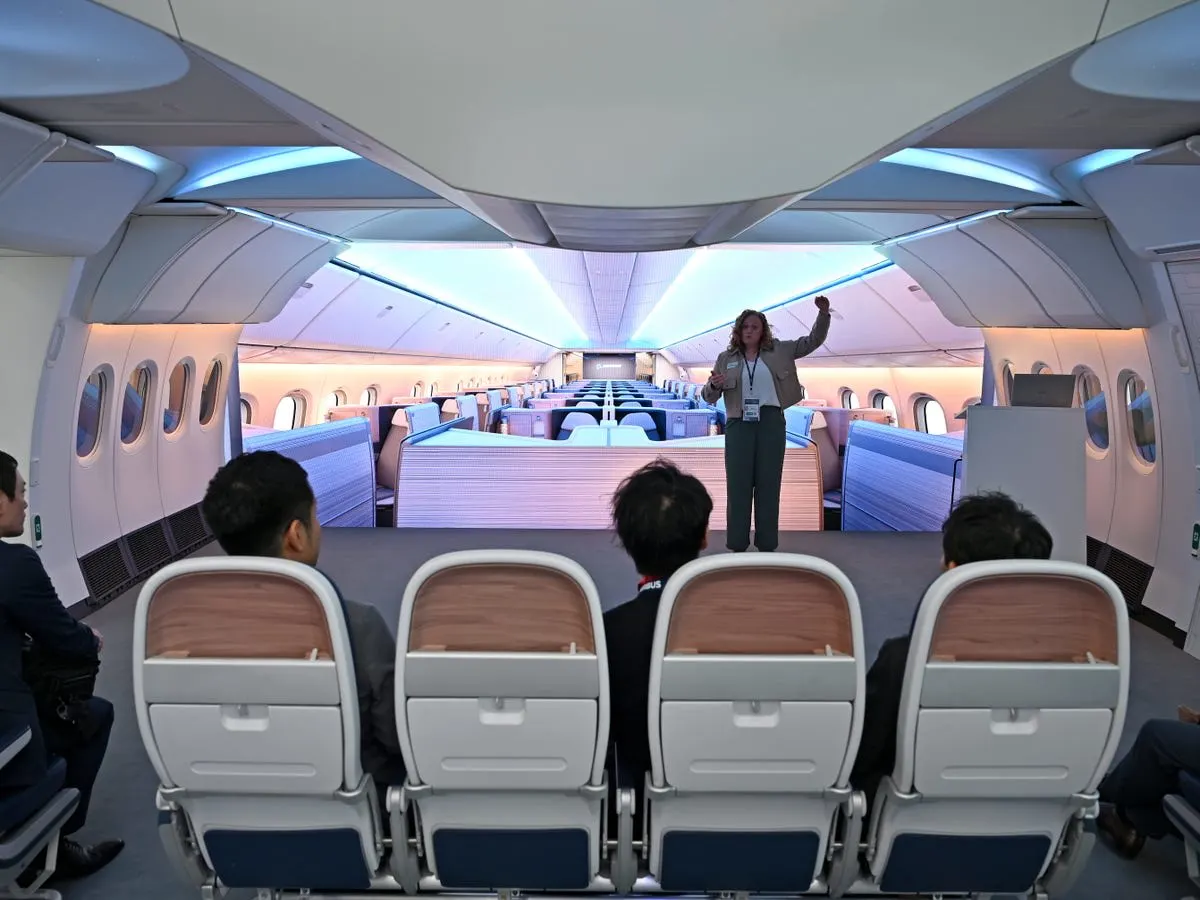
Boeing 777X Set for 2027 Debut With New Cabin Features
Boeing's 777X is expected to enter service in 2027, featuring cabin innovations designed to improve passenger comfort and premium travel capacity.
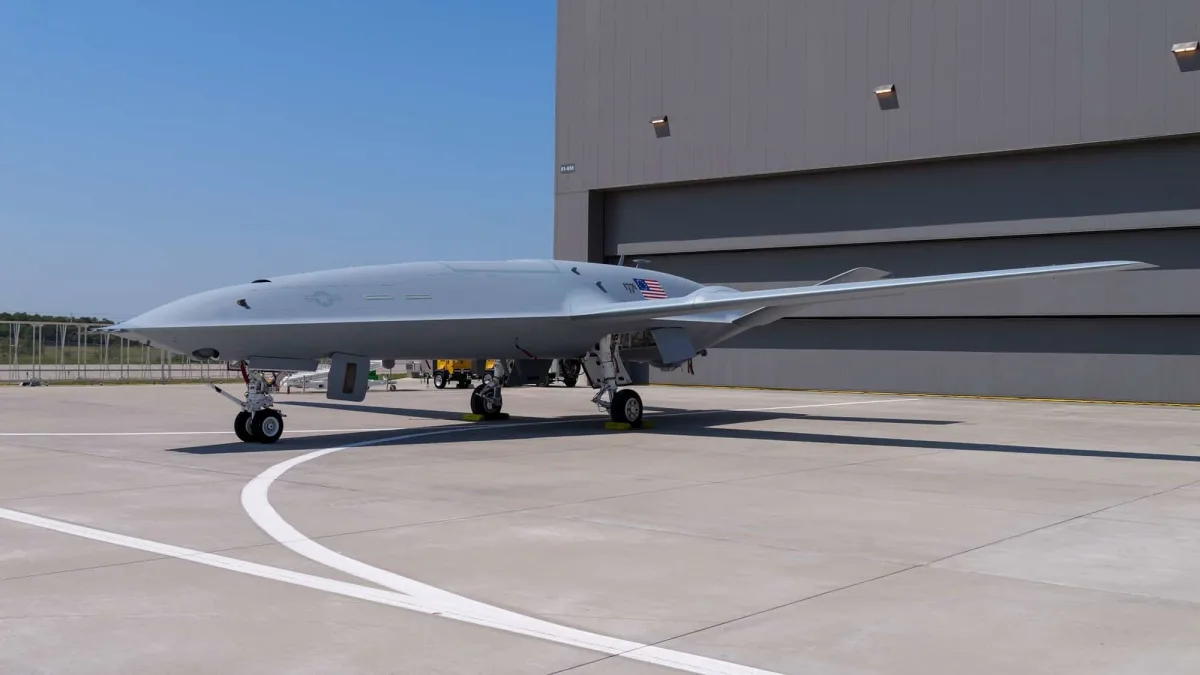
Boeing Awarded $562M Contract for MQ-25 Stingray Production
The U.S. Navy awarded Boeing a $562 million contract for the first three MQ-25 Stingray unmanned aerial refueling tankers, with deliveries expected in...

Boeing Logs 15 Gross Orders Including 13 787 Dreamliners
Boeing recorded 15 gross orders in August 2026, featuring 13 widebody 787 Dreamliner commitments from undisclosed customers.