Airbus and MTU Form Hydrogen Engine Joint Venture by 2027

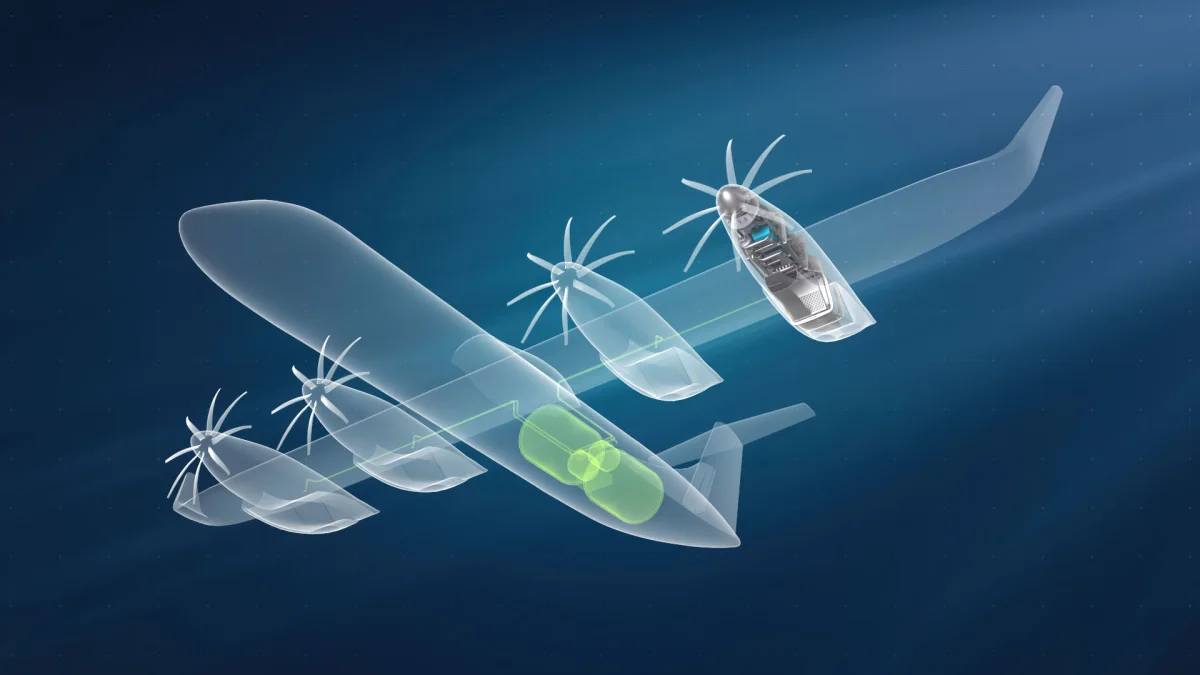
Airbus and MTU Aero Engines will launch a joint venture in 2027 to accelerate development of hydrogen fuel cell electric propulsion systems.
Key Takeaways
- •Airbus and MTU will launch a hydrogen engine joint venture in 2027.
- •The JV builds on a 2025 MoU to advance ZEROe propulsion technology.
- •Airbus previously validated a 1.2-megawatt fuel cell demonstrator in 2023.
- •The partnership aims to secure European sovereignty in zero-emission tech.
Strategic Partnership for Hydrogen Propulsion
Airbus and MTU Aero Engines have confirmed the formation of a joint venture designed to accelerate the development, testing, and certification of hydrogen fuel cell engine technologies. This partnership, announced on July 7, 2026, marks a significant step in the advancement of fully electric aircraft propulsion systems. The initiative aims to commence full operations by 2027, building upon a Memorandum of Understanding (MoU) originally signed by the two companies at the Paris Air Show in June 2025.
This collaboration is central to the ZEROe hydrogen aircraft program, which serves as the flagship effort for Airbus to bring a zero-emission commercial aircraft to market by 2035. By pooling engineering expertise, the companies intend to create a European powerhouse for industrializing electric propulsion, according to Bruno Fichefeux, Head of Future Programmes at Airbus. Dr. Stefan Weber, Senior Vice President of Engineering and Technology at MTU Aero Engines, described the venture as a critical milestone for delivering climate-neutral propulsion that is both safe and economically viable.
Technical Foundation and Industry Context
The joint venture leverages significant technical progress made by Airbus in recent years. In 2023, the manufacturer successfully tested a fuel cell demonstrator at 1.2 megawatts, providing the baseline for the megawatt-class systems that the new entity will focus on scaling. This development mirrors the strategy seen in October 2020, when Airbus and ElringKlinger established the Aerostack joint venture to develop fuel cell stacks. That historical precedent highlights an ongoing trend of vertical integration, where Airbus secures specialized hydrogen technology to meet its long-term decarbonization goals.
For traditional engine manufacturers like GE Aerospace and Rolls-Royce, this move represents increasing competitive pressure. By internalizing the development of propulsion systems for its next-generation zero-emission platforms, Airbus is shifting its supply chain strategy, effectively bypassing traditional reliance on legacy engine primes. This consolidation of technology is expected to bolster European aerospace sovereignty, reducing dependency on external suppliers for key components in the transition to net-zero aviation.
Regulatory and Operational Milestones
The formal establishment of the joint venture remains subject to standard regulatory clearances. European and National Antitrust Authorities must review the agreement, and the companies are currently navigating social processes across various European jurisdictions. The operational timeline is contingent upon these approvals, with the partners aiming to finalize the transition from the current MoU phase to an active joint venture by 2027.
What Comes Next: Regulatory and Operational Timeline
- Late 2026 to 2027: The project is expected to receive final regulatory and antitrust approval from European authorities, allowing the formal launch of the joint venture.
- 2027: The joint venture is scheduled to commence full-scale operations, shifting focus toward the certification and testing of megawatt-class hydrogen fuel cell systems.
Why This Matters for the European Aerospace Sector
This joint venture signals a structural shift in the aerospace industry toward localized, mission-specific propulsion development. For commercial airlines, the move provides a clearer roadmap for the availability of certifiable hydrogen-electric systems, which are essential for meeting international net-zero emission targets by 2050. By prioritizing regional R&D and manufacturing, the partnership positions the European aerospace supply chain to lead the market in next-generation zero-emission aviation technologies.
Frequently Asked Questions
- What is the primary goal of the Airbus and MTU Aero Engines joint venture?
- The joint venture is dedicated to accelerating the development, testing, and certification of hydrogen fuel cell electric propulsion systems to support the ZEROe zero-emission commercial aircraft program.
- When is the Airbus and MTU joint venture expected to become operational?
- The joint venture is expected to commence operations in 2027, following the completion of necessary regulatory and antitrust approvals.
Access up-to-date commercial aviation news and airline industry developments via omniflights.com. For reporting on UAP sightings, investigations, and aviation-related encounters, see the UAPs section at omniflights.com/uaps.

Written by Shashank Shukla
Co-Founder & CTO leading the engineering and AI systems behind Omni Flights. Covers aviation technology, flight safety, aircraft manufacturing, and emerging aerospace developments.
Visit ProfileYou Might Also Like

Boeing Awarded $14.7B Contract for PAC-3 Missile Seekers

Boeing 777X Testing Spills Into 2027 Amid Certification Hurdles

Airbus A350F Completes Ground Tests Before Maiden Flight
Airbus Delivers First A320neo From New Tianjin FAL

Boeing 777X Set for 2027 Debut With New Cabin Features