NASA X-59 Quesst Begins Supersonic Flight Test Program

Co-Founder & CEOAviation News Editor delivering trusted coverage across the global aviation industry.

NASA's X-59 Quesst aircraft has achieved supersonic flight, supporting a potential FAA regulatory shift to allow civil overland supersonic travel.
Key Takeaways
- •NASA X-59 Quesst achieved Mach 1.4 on June 12, 2026.
- •FAA published an NPRM to potentially replace the 1973 supersonic ban.
- •Community noise testing is expected to begin in late 2026.
- •H.R. 3410 legislative progress supports new supersonic standards.
NASA X-59 Quesst Supersonic Milestone
More than two decades since the Concorde last operated, the NASA X-59 Quesst (Quiet SuperSonic Technology) has successfully transitioned into supersonic flight operations. On June 5, 2026, the experimental aircraft reached Mach 1.1, followed by a milestone speed of Mach 1.4 on June 12. This program aims to replace traditional, disruptive sonic booms with a muted "thump" equivalent to a car door closing, potentially reshaping the future of commercial aviation.
Regulatory Shift and Legislative Progress
The current testing occurs as the US Congress advances the Supersonic Aviation Modernization (SAM) Act (H.R. 3410), which directs the FAA (Federal Aviation Administration) to revise current speed restrictions. The move comes at a time when the US Congress has been advancing legislation that could legalize overland supersonic travel H.R. 3410 (IH) - Supersonic Aviation Modernization Act. That would reverse a 1973 ban implemented by the US Federal Aviation Administration Enabling Supersonic Overland Flight - Federal Register. This regulation, 14 CFR § 91.817, has long prohibited civil aircraft from exceeding the speed of sound over domestic territory.
Technical Comparison: X-59 vs. Concorde
| Metric | NASA X-59 Quesst | Aérospatiale/BAC Concorde |
|---|---|---|
| Cruising Speed | Mach 1.4 | Mach 2.04 |
| Cruising Altitude | 55,000 ft | 60,000 ft |
| Perceived Noise Level | 75 EPNdB (thump) | 105+ EPNdB (sonic boom) |
Inside the Supersonic Test Rhythm
NASA test pilot Jim "Clue" Less confirmed the aircraft's stability during the transition, noting that the transition through the sound barrier was seamless. According to NASA Administrator Jared Isaacman, the team maintained an aggressive testing cadence, completing 16 flights in a 90-day window to prepare for upcoming community noise assessments. Unlike previous X-plane initiatives that remained within the confines of Edwards Air Force Base (EDW), the X-59 is built for sustained flight operations to gather data across diverse geographical settings.
Stakeholder Impact and Environmental Concerns
The potential lifting of the 1973 ban holds significant implications for manufacturers like Boom Supersonic, who are developing new-generation supersonic airliners. However, environmental advocacy groups have raised concerns regarding the carbon footprint of supersonic operations, noting that these aircraft generally exhibit higher fuel consumption rates compared to modern subsonic fleets. The FAA now faces the challenge of establishing noise-based certification standards that balance industry innovation with community noise mitigation requirements.
What Comes Next: Community Overflight Testing
NASA expects to initiate community overflight testing between late 2026 and 2027 to collect public feedback on the aircraft's noise signature. Concurrently, the FAA is working toward finalizing the "Enabling Supersonic Overland Flight" rule, which is expected by mid-2027. These milestones will determine whether the technical success of the Lockheed Martin-built X-59 translates into a long-term shift in federal aviation policy.
Why This Matters for Commercial Aviation
This development marks a critical juncture for domestic aviation, as it seeks to solve the noise constraints that historically limited the Concorde's route network and economic viability. If successful, the transition from speed-based bans to noise-based standards could unlock overland transcontinental routes, providing a new addressable market for supersonic travel while managing the acoustic impact on communities beneath flight paths.
Frequently Asked Questions
- What is the primary objective of the NASA X-59 Quesst program?
- The X-59 Quesst program aims to demonstrate technology that reduces the sound of a sonic boom to a quiet thump. This data will help regulators establish new noise-based standards for potential future overland supersonic flight.
- When did the FAA implement the ban on civil overland supersonic flight?
- The Federal Aviation Administration implemented the ban on civil supersonic flight over land in 1973 under 14 CFR § 91.817. The agency is currently reviewing this policy through a June 2026 Notice of Proposed Rulemaking.
Access up-to-date commercial aviation news and airline industry developments via omniflights.com. Get the latest updates on major hubs, regional terminals, and airport operations via the Airports section at omniflights.com/airports.
Written by Hardik Vishwakarma
Co-Founder & Aviation News Editor leading initiatives that improve trust and visibility across the global aviation industry. Covers airlines, airports, safety, and emerging technology.
Visit ProfileYou Might Also Like
Discover more aviation news based on similar topics
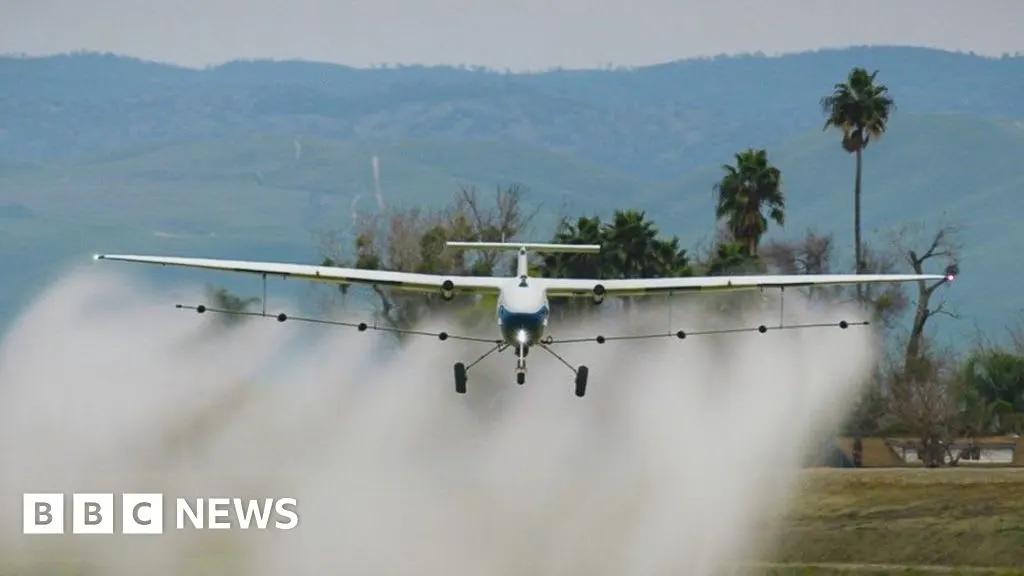
Autonomous Fixed-Wing Aircraft Development Gains Momentum
Start-ups are advancing autonomous fixed-wing aircraft for agricultural and cargo tasks, aiming to prove safety before pursuing passenger operations.

Boeing 787-9 Completes Short Inlet Tests in Montana
Boeing completed 52 hours of flight tests on a 787-9 with an experimental 30% shorter engine inlet to evaluate noise and fuel efficiency.
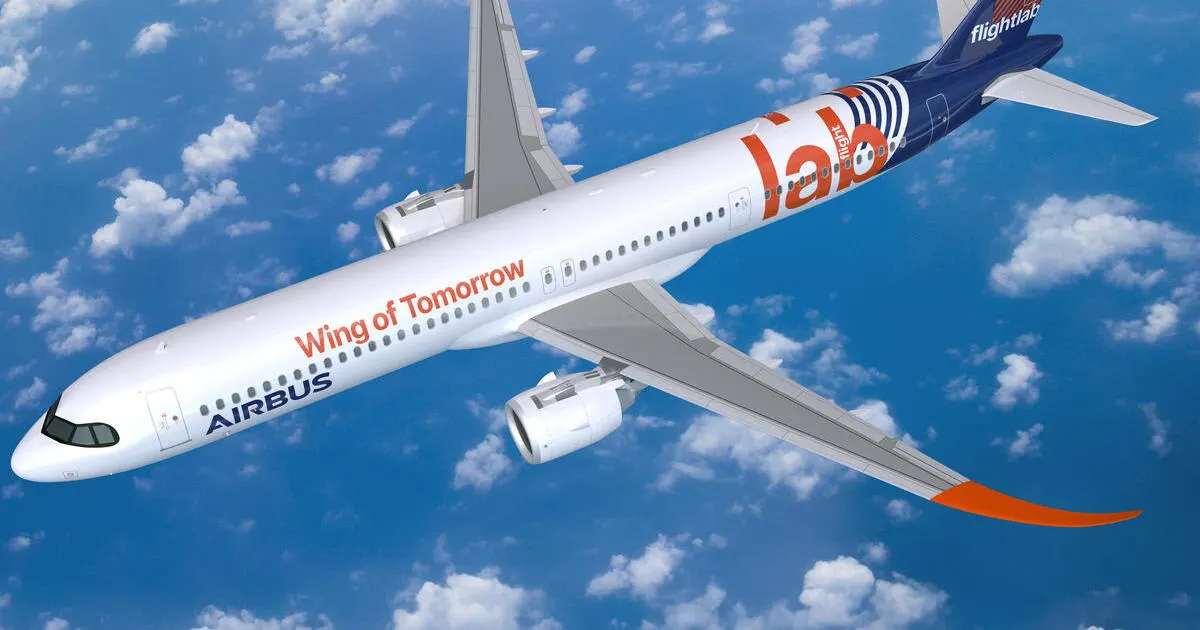
Airbus A321neo to Test Folding Wings of Tomorrow Project
Airbus launched a three-year flight-test campaign using an A321neo to evaluate folding wings that extend up to five meters.
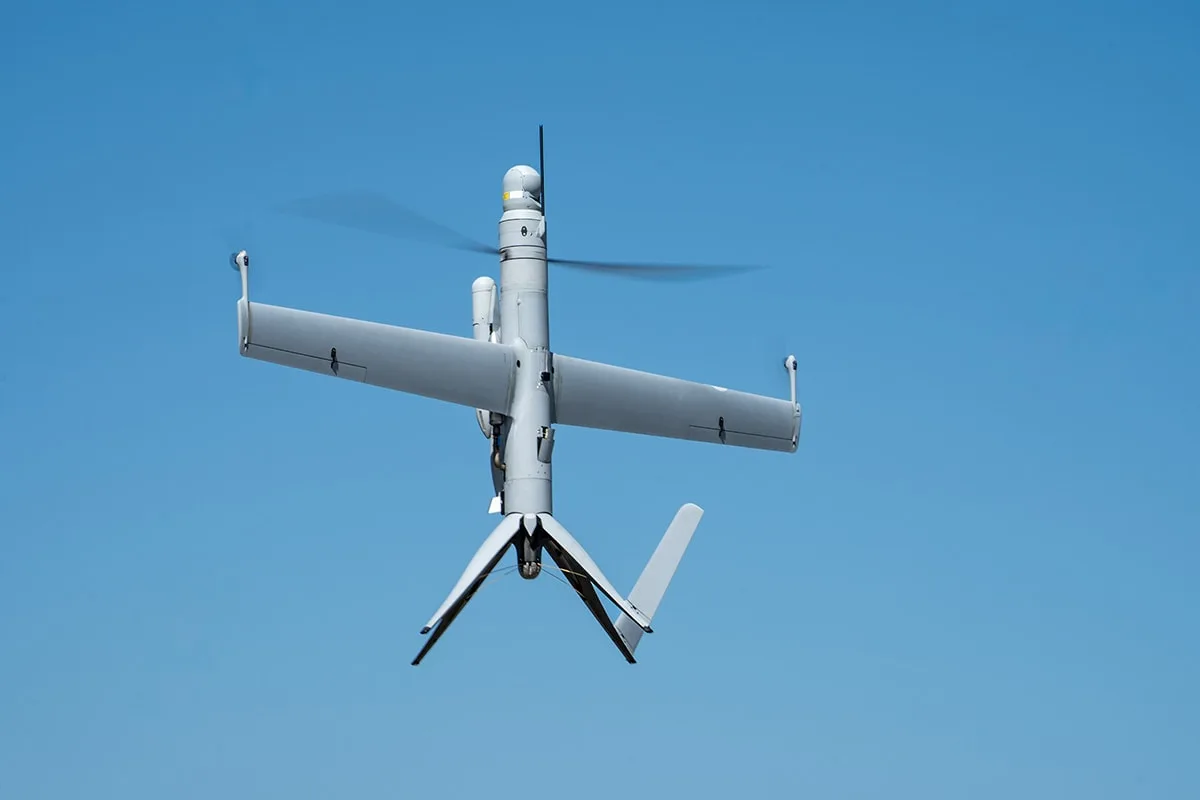
Voyageur Orders Canada's First Airbus U030 Flexrotor
Voyageur Aviation ordered Canada's first Airbus U030 Flexrotor, a 25 kg tactical drone, to expand its maritime and Arctic surveillance capabilities.
LATAM Selects SES Multi-Orbit Wi-Fi for 60+ New Jets
LATAM Airlines signed a multi-year deal with SES to equip more than 60 incoming Airbus and Embraer aircraft with multi-orbit satellite Wi-Fi.
Lufthansa 787-9 Tests Tech to Cut Fuel and Noise
Boeing, Lufthansa, and Rolls-Royce partnered to test emissions-reducing technologies on a 787-9, targeting a 20% fuel efficiency improvement.