NASA OIG Report Casts Doubt on Boeing Starliner Certification

Co-Founder & CEOAviation News Editor delivering trusted coverage across the global aviation industry.
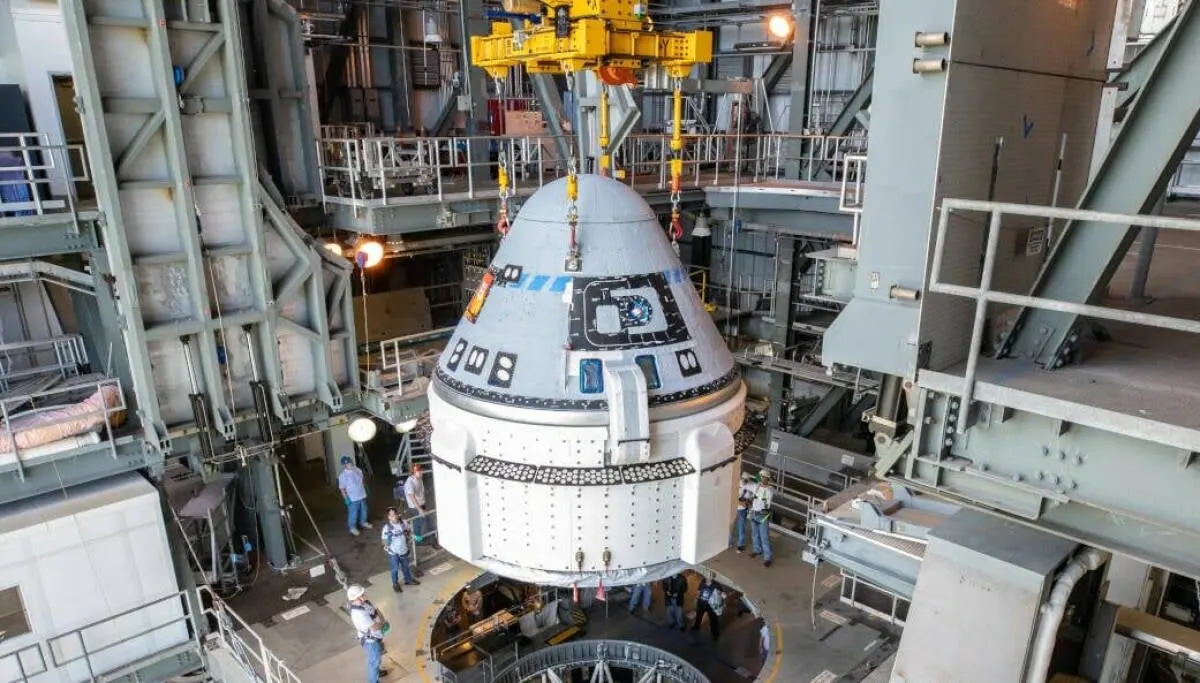
A NASA Office of Inspector General report indicates that Boeing Starliner certification remains uncertain following persistent propulsion failures.
Key Takeaways
- •NASA OIG report IG-26-011 confirms Starliner certification remains uncertain.
- •Boeing Starliner propulsion failures remained unresolved as of March 2026.
- •SpaceX has completed 12 crewed missions since its 2020 certification.
- •Boeing faces over $2 billion in losses on the fixed-price crew contract.
NASA OIG Findings on Starliner Status
The NASA Office of Inspector General (OIG) released a critical audit on June 30, 2026, casting doubt on the future of the Boeing Starliner spacecraft. The report, IG-26-011, highlights that persistent technical anomalies, specifically unresolved Starliner helium leaks and propulsion system failures, remained active as of March 2026. These ongoing issues have stalled progress within the Commercial Crew Program, leaving NASA unable to confirm when the vehicle will achieve the necessary human-rating certification for operational missions to the International Space Station (ISS).
Operational Impact and Market Monopoly
The lack of a secondary crew-transport vehicle has significant implications for the aerospace industry. While SpaceX successfully achieved human-rating certification for its Crew Dragon in 2020, Boeing has struggled to reach similar milestones. Since that 2020 certification, SpaceX has completed 12 crewed missions to the ISS, cementing its position as the sole reliable provider for United States-based orbital transport. This reliance on a single commercial provider creates a lack of redundancy that was originally intended to be mitigated by the dual-provider strategy of the Commercial Crew Program.
Technical Comparison: SpaceX vs. Boeing
The following table outlines the current performance and certification divide between the two primary providers in the Commercial Crew Program.
| Metric | SpaceX Crew Dragon | Boeing Starliner |
|---|---|---|
| Certification Status | Certified (2020) | Uncertified (Delayed beyond 2026) |
| Operational Crewed Flights | 12 | 0 |
| Launch Vehicle | Falcon 9 | Atlas V |
The Financial Burden of Delays
For Boeing Defense, Space & Security, the program represents a substantial financial liability. The company has recorded over $2 billion in charges related to the fixed-price contract prior to 2026. Industry analysts have increasingly questioned the viability of continuing to fund the program, particularly as the ISS is scheduled for retirement in 2030. These analysts argue that further investment might be better directed toward next-generation commercial space stations rather than retrofitting a system that has yet to demonstrate consistent flight capability.
Historical Context and Regulatory Hurdles
The path to human-rating certification is governed by stringent NASA safety standards. The Crew Flight Test (CFT) conducted in 2024 served as a pivotal moment, yet the resulting technical data has necessitated extensive re-evaluations. Historically, the SpaceX Crew Dragon Demo-2 mission in May 2020 served as the successful template for the industry, leading to full certification by November 2020. In contrast, the current trajectory for the Boeing Starliner suggests that even with aggressive remediation, a certification timeline before 2027 remains highly improbable.
Anticipated Certification Milestones
Looking forward, the program faces a difficult road to operational readiness. NASA has not provided a firm date for when the required testing will be completed or when certification will be granted. Current expectations place any potential certification milestone in 2027 or later, subject to successful resolution of the propulsion system issues identified in the OIG audit. The agency remains under pressure to ensure that any future crewed flights meet the same rigorous safety thresholds applied to all participants in the commercial crew initiative.
Why This Matters for ISS Operations
The primary concern for NASA and its international partners is the maintenance of a continuous human presence in low Earth orbit. The current reliance on SpaceX and the Russian Soyuz spacecraft leaves little margin for error should one provider face a fleet-wide grounding. For the broader space industry, the Boeing Starliner situation underscores the extreme difficulty of developing human-rated space systems under fixed-price contract models, signaling a potential shift in how future government space contracts may be structured to account for technical risk and extended development cycles.
Frequently Asked Questions
- What are the primary technical issues delaying the Boeing Starliner?
- The NASA Office of Inspector General report identified persistent helium leaks and propulsion system failures as the primary unresolved technical issues affecting the spacecraft.
- Why is the lack of Boeing Starliner certification a concern for NASA?
- The lack of certification prevents the Starliner from serving as a redundant crew transport vehicle, leaving NASA entirely reliant on SpaceX and Russian Soyuz for crew rotations to the International Space Station.
Visit omniflights.com for the latest commercial aviation news and airline industry updates. Track policy changes, airspace rules, and global aviation governance in the Regulatory category at omniflights.com/regulatory.
Written by Hardik Vishwakarma
Co-Founder & Aviation News Editor leading initiatives that improve trust and visibility across the global aviation industry. Covers airlines, airports, safety, and emerging technology.
Visit ProfileYou Might Also Like
Discover more aviation news based on similar topics
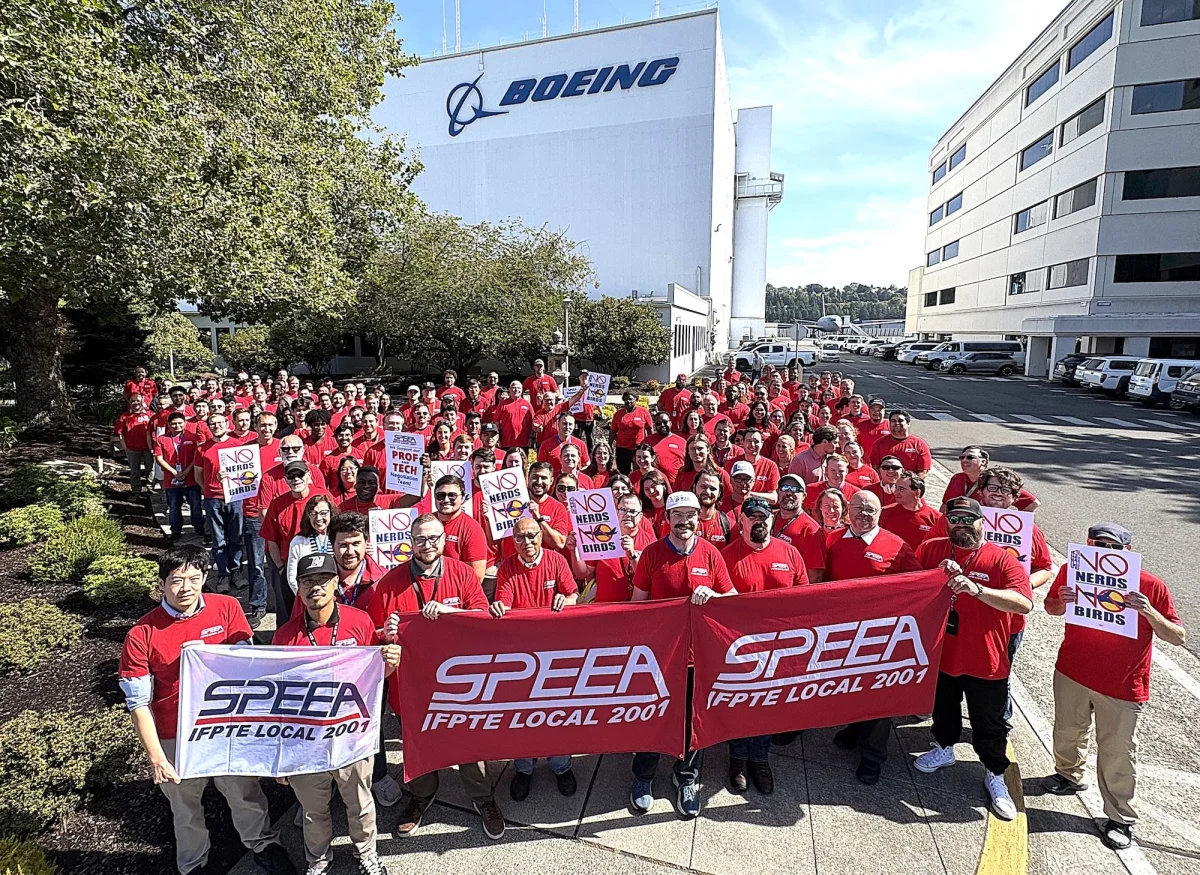
Boeing Tightens Spending Ahead of Critical SPEEA Union Vote
Boeing has implemented spending controls and a hiring freeze as it faces a critical contract ratification vote with its 17,000-member engineering union.
Boeing CEO Kelly Ortberg Warns of 777X Certification Delay
Boeing CEO Kelly Ortberg warned that a potential strike by 17,000 engineers would immediately halt the 777X certification and production programs.
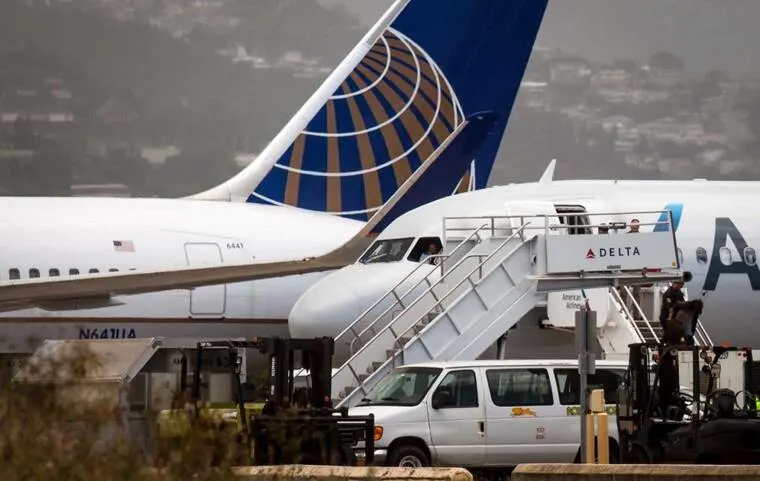
American and United Plan Capacity Cuts Amid Fuel Cost Surge
American and United are trimming flight schedules to offset a $1 billion fuel cost spike while maintaining strong pricing power.
Boeing CEO Reports 737 MAX Output Stabilization Delays
Boeing CEO Kelly Ortberg reports slower 737 MAX production stabilization, prompting a downward revision in 2026 free cash flow expectations to $2 billion.
Boeing Finalizes KAL Order, Salvages Turkish Airlines Deal
Boeing secured a $36.2 billion order from Korean Air Lines for 103 aircraft and nears a resolution on a 150-jet deal with Turkish Airlines.
Airbus Forecasts 42,000 New Jets Amid Strong Global Demand
Airbus expects 42,000 new aircraft deliveries globally by 2045, with 45% of demand concentrated in the Asia-Pacific region.