TransMedics Q2 Revenue Hits $189.9M on Air Fleet Growth

Co-Founder & CEOAviation News Editor delivering trusted coverage across the global aviation industry.

TransMedics reported Q2 revenue of $189.9 million as the company expanded its internal aviation fleet to cover 86% of transplant missions.
Key Takeaways
- •TransMedics revenue rose 21% to $189.9 million in Q2 2026.
- •Internal aviation fleet covered 86% of NOP transport missions in Q2.
- •PAD Aviation acquisition establishes European transplant logistics network.
- •OCS Kidney platform targets first clinical experience in 2027.
During the TransMedics Q2 2026 earnings call, the company reported record total revenue of $189.9 million, representing a 21% year-over-year increase driven by the rapid expansion of its organ transplant air logistics network. A key driver of this growth was the increased utilization of the Organ Care System (OCS), a portable normothermic machine perfusion platform that preserves donor organs in a functioning state during transport. The quarter was further highlighted by the PAD Aviation acquisition, which closed on July 1, 2026, marking the company's first step toward establishing a dedicated medical charter network in Europe.
This vertical integration of aviation assets represents a major structural shift in the medical transport sector. By transitioning from third-party charter flight operations to an in-house fleet, TransMedics has secured direct control over its supply chain. This strategy has allowed the company to insulate itself from volatile spot-market charter pricing while significantly improving flight dispatch reliability for time-critical transplant missions across the United States.
The company's financial performance reflects the growing scale of its National OCS Program (NOP). Product revenue reached $111.2 million, up 16% year over year, while service revenue—which includes aviation logistics—surged 29% to $78.8 million. According to the company's financial disclosures, the internal aviation fleet covered 86% of NOP missions requiring air transport during the second quarter, up from 82% in the first quarter of 2026.
This aggressive insourcing has had a significant impact on stakeholders. For third-party medical charter operators, TransMedics' rapid fleet expansion represents a direct loss of market share. Some competing transplant logistics providers have reportedly lost major accounts as TransMedics moves flights in-house. Conversely, transplant centers and hospitals benefit from the streamlined end-to-end workflow and cost efficiencies enabled by double-shifting aircraft, which CFO Gerardo Hernandez noted "gave us significant operating leverage."
To expand its clinical indications, TransMedics is actively advancing its ENHANCE clinical trial for heart preservation, alongside its DENOVO lung program. These programs aim to expand the use of OCS technology in the U.S. heart and lung segments, which represent an incremental 2,000 to 5,000 cases annually. The company is also integrating the Controlled Hypothermic Organ Preservation System (CHOPS), a lower-cost cold-storage alternative, into the ENHANCE trial protocol.
This business model mirrors TransMedics' August 2023 acquisition of Summit Aviation in the United States, which served as the operational blueprint for the PAD Aviation transaction. By acquiring PAD Aviation, TransMedics gains an established European Air Operator Certificate (AOC) from the European Union Aviation Safety Agency (EASA) and Germany's LBA, allowing it to bypass lengthy regulatory hurdles and immediately bid on regional transplant logistics tenders in Italy and other European Union nations.
The expansion comes at a critical time for U.S. organ utilization. According to a CMS Proposed Rule 2026-01833, approximately 9,200 recovered donor kidneys go unused in the U.S. annually due to the limitations of traditional cold storage. TransMedics plans to address this massive unmet need with its OCS Kidney platform, currently in development. By reducing Delayed Graft Function (DGF)—a post-transplant complication affecting 26% to 50% of kidney recipients—the technology could drastically lower the $25,000 to $45,000 in incremental costs associated with each DGF case.
The Economics of Vertical Aviation Integration
The operational data from the second quarter highlights a clear industry trend: medical technology companies are increasingly forced to become logistics providers to guarantee service delivery. TransMedics' transition to an 86% self-covered air transport model demonstrates that controlling the transport asset is as critical as the medical technology itself. This vertical integration follows the precedent set by the Summit Aviation acquisition, accelerating the company's trajectory toward becoming a fully integrated clinical and logistics network. By double-shifting its fleet, the company is absorbing fixed aviation overhead across a larger volume of missions, driving service gross margins up to 35% in Q2. However, the near-term integration of PAD Aviation in Europe is expected to temporarily dilute overall operating margins, illustrating the high capital intensity of establishing international aviation bases before achieving local scale.
The European Expansion and Kidney Platform Timeline
TransMedics is tracking several key regulatory and operational milestones over the next 18 to 24 months:
- Late Q3 to Early Q4 2026: Expected FDA approval of the IDE supplement incorporating CHOPS into the ENHANCE trial.
- Late 2026: Anticipated disbursement of regional machine perfusion budgets in Italy, where TransMedics has secured national reimbursement.
- Late 2026 to 2027: Expected commencement of pan-European transplant air logistics operations utilizing the newly acquired PAD Aviation infrastructure.
- 2027: Target for the first clinical experience with the OCS Kidney platform, following pre-IDE discussions with the FDA.
Why Vertical Air Integration Matters to the Industry
For the broader aviation and medical industries, TransMedics' strategy proves that specialized, vertically integrated air logistics can unlock massive, previously inaccessible clinical markets. By controlling both the preservation technology and the transport aircraft, the company is uniquely positioned to reduce organ discard rates and improve patient outcomes. This model sets a new standard for high-value, time-critical logistics where operational reliability directly translates to saved human lives.
Frequently Asked Questions
- How did TransMedics' aviation logistics perform in Q2 2026?
- TransMedics' internal aviation fleet covered 86% of its National OCS Program air transport missions in the second quarter of 2026, up from 82% in the first quarter.
- What is the strategic purpose of the PAD Aviation acquisition?
- The acquisition of Germany-based PAD Aviation provides TransMedics with a European Air Operator Certificate, enabling the company to establish a pan-European transplant air logistics network and compete for regional tenders.
- When does TransMedics expect clinical trials for the OCS Kidney platform to begin?
- TransMedics is targeting its first clinical experience with the OCS Kidney platform in 2027, following pre-IDE discussions with the FDA.
omniflights.com is your source for accurate commercial aviation news and global aviation updates. Get the latest updates on major hubs, regional terminals, and airport operations via the Airports section at omniflights.com/airports.
Written by Hardik Vishwakarma
Co-Founder & Aviation News Editor leading initiatives that improve trust and visibility across the global aviation industry. Covers airlines, airports, safety, and emerging technology.
Visit ProfileYou Might Also Like
Discover more aviation news based on similar topics
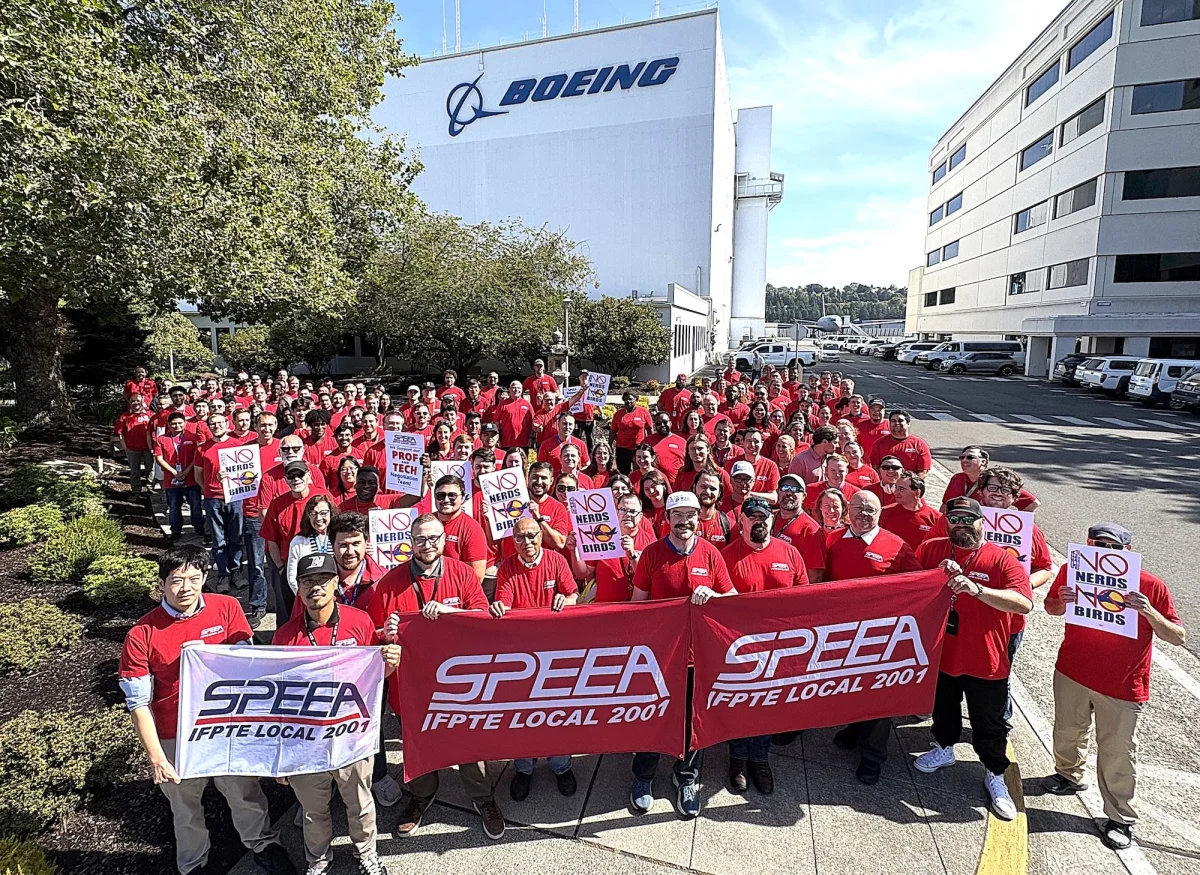
Boeing Tightens Spending Ahead of Critical SPEEA Union Vote
Boeing has implemented spending controls and a hiring freeze as it faces a critical contract ratification vote with its 17,000-member engineering union.

Boeing CEO Kelly Ortberg Warns of 777X Certification Delay
Boeing CEO Kelly Ortberg warned that a potential strike by 17,000 engineers would immediately halt the 777X certification and production programs.
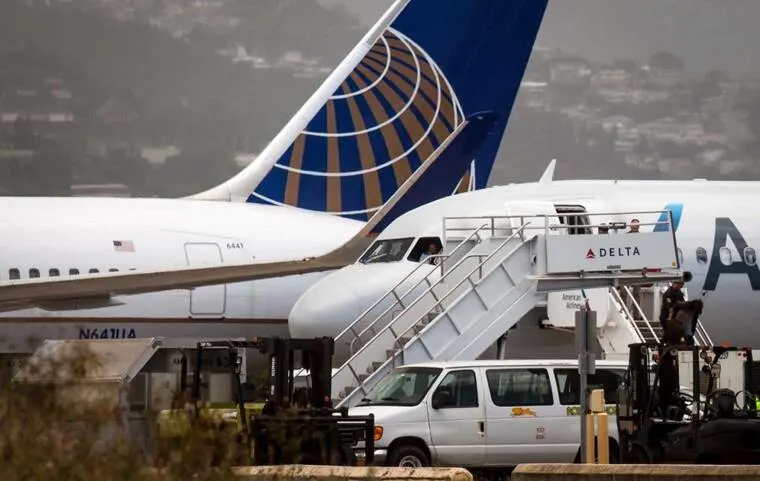
American and United Plan Capacity Cuts Amid Fuel Cost Surge
American and United are trimming flight schedules to offset a $1 billion fuel cost spike while maintaining strong pricing power.
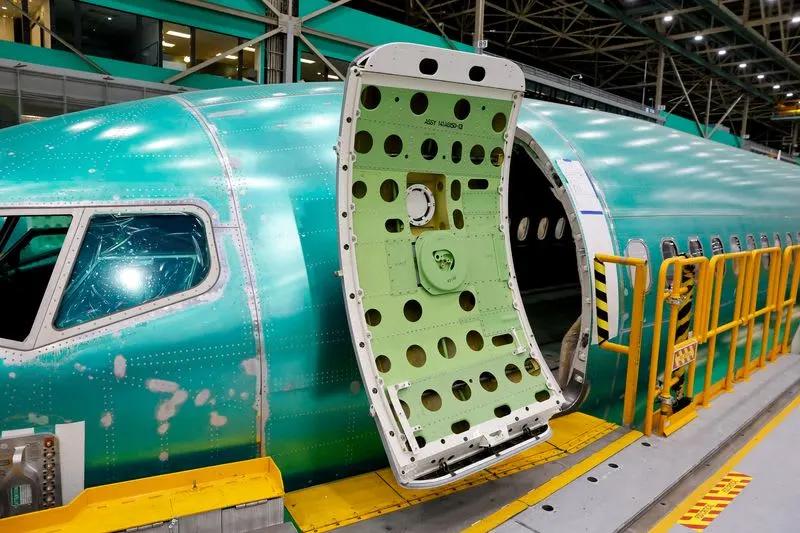
Boeing CEO Reports 737 MAX Output Stabilization Delays
Boeing CEO Kelly Ortberg reports slower 737 MAX production stabilization, prompting a downward revision in 2026 free cash flow expectations to $2 billion.

Boeing Finalizes KAL Order, Salvages Turkish Airlines Deal
Boeing secured a $36.2 billion order from Korean Air Lines for 103 aircraft and nears a resolution on a 150-jet deal with Turkish Airlines.

Airbus Forecasts 42,000 New Jets Amid Strong Global Demand
Airbus expects 42,000 new aircraft deliveries globally by 2045, with 45% of demand concentrated in the Asia-Pacific region.