Embraer Raises 2026 Cash Flow Guidance to $400 Million

Co-Founder & CEOAviation News Editor delivering trusted coverage across the global aviation industry.
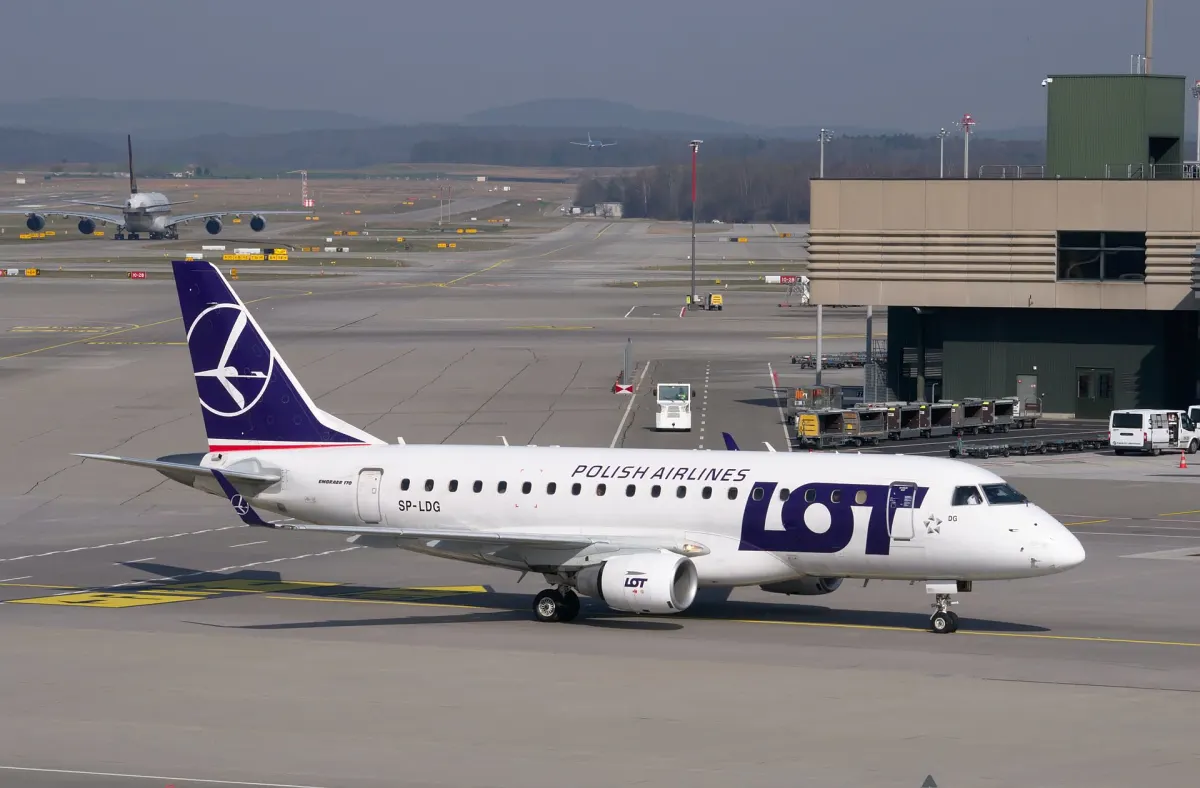
Embraer doubled its 2026 free cash flow guidance to at least $400 million following record second-quarter revenues.
Key Takeaways
- •Embraer raises 2026 free cash flow guidance to a floor of $400 million.
- •Record Q2 2026 revenue reaches $2.235 billion, up 23% year-over-year.
- •Firm order backlog hits a record $34.5 billion in second quarter.
- •Deliveries reach 65 aircraft, the highest second-quarter volume in 16 years.
Brazilian aircraft manufacturer Embraer announced its Embraer Q2 2026 earnings, highlighting a major revision to its Embraer cash flow guidance to a floor of $400 million. This operational surge has significantly influenced EMBJ stock performance as the company capitalizes on a record backlog. The manufacturer doubled its previous free cash flow target of $200 million, reflecting robust demand across its commercial and executive aviation portfolios.
This guidance upgrade carries substantial weight for the aerospace sector, signaling that Embraer is successfully navigating post-pandemic supply chain issues that have challenged larger competitors. By securing a higher cash flow floor, the company positions itself to self-fund upcoming production rate increases and satisfy its growing defense and commercial order books. The operational momentum directly impacts airline customers awaiting regional jet deliveries and private flight operators seeking new executive platforms.
Revenue Records and Delivery Breakdown
According to the Embraer Q2 2026 Earnings Release, the company achieved an Embraer record revenue of $2.235 billion, representing a 23% year-over-year increase. This growth was supported by the delivery of 65 total aircraft during the quarter, comprising 45 executive jets and 20 commercial jets. This achievement represents Embraer's highest second-quarter delivery volume in 16 years.
The commercial segment benefited from deliveries within the Embraer E-Jet E2 family (E2), while the defense division continued its campaign for the Embraer KC-390 Millennium (KC-390). Consequently, the manufacturer's firm order backlog reached a record $34.5 billion at the end of the second quarter of 2026, marking its seventh consecutive quarterly increase and solidifying the Embraer backlog 2026 expansion trajectory.
Francisco Gomes Neto, President and Chief Executive Officer of Embraer, highlighted this operational momentum during the Q2 earnings call: "We delivered the strongest second quarter revenue in our history. We achieved our highest second quarter deliveries in the past 16 years and reached a record $34.5 billion backlog."
However, the financial results also contained complex one-off adjustments. While U.S. import tariffs imposed by U.S. Customs and Border Protection negatively impacted margins by approximately $8 million, this headwind was offset by tariff exemptions and a $68 million extraordinary tax credit from Brazilian tax authorities. Financial analysts have raised alternative perspectives regarding these margins, arguing that while headline figures appear exceptional, they were heavily inflated by these one-off items. Consequently, the underlying operational margin improvement may be less dramatic than the headline suggests.
Stakeholder and Supply Chain Pressures
The financial surge has generated varying impacts across industry stakeholders. Embraer shareholders benefited from a pre-market stock surge following the Q2 earnings beat, raised margin guidance, and increased cash flow projections. Conversely, aerospace component suppliers remain under intense pressure to resolve late part deliveries to support Embraer's aggressive 2026 production ramp-up.
Despite the strong delivery numbers, Embraer noted that persistent aerospace supply chain constraints remain a challenge. Some suppliers continue to deliver parts late, forcing aircraft to be moved out of sequence on the production line, though overall conditions are gradually improving. For executive jet customers, the growing firm order backlog means they face potentially longer wait times for new Phenom and Praetor jets as demand outpaces immediate production capacity.
Historical Turnaround and Market Trends
The current financial performance contrasts sharply with Embraer's post-pandemic financial turnaround between 2022 and 2023. During that period, the manufacturer focused on stabilizing its cash flow and rebuilding its backlog following the collapse of its proposed joint venture with Boeing and the broader pandemic-induced aviation downturn. The outcome of that precedent—stabilizing operations and re-establishing market trust—laid the groundwork for the current record backlog and doubled cash flow guidance, demonstrating the successful culmination of Embraer's multi-year recovery and efficiency strategy.
Furthermore, the booming Executive Aviation demand has acted as a primary engine for growth. Revenue in Embraer's Executive Aviation segment surged 32% to $725 million in the second quarter of 2026, driven by strong volumes and a highly favorable product mix of light and mid-size business jets.
The Structural Dynamics of Embraer's Margin Expansion
This development indicates that Embraer is successfully transitioning from a recovery phase into a high-yield growth cycle. The doubling of the cash flow floor to $400 million suggests that the manufacturer has achieved a level of industrial scale where commercial and executive deliveries can offset ongoing supply chain inefficiencies. Historically, aerospace manufacturers facing late supplier deliveries experience severe working capital drains due to assembled parts being moved out of sequence on the production line. Embraer's ability to expand cash flow despite these constraints indicates highly disciplined inventory management and strong contract pricing power. While the $68 million extraordinary tax credit provides a temporary margin cushion, the underlying demand for the Embraer E-Jet E2 family (E2) and executive jets suggests a structural shift. As airlines seek efficient single-aisle alternatives and business aviation demand remains elevated, Embraer is capturing market share during a period when larger manufacturers face prolonged delivery delays.
Delivery Targets and Production Milestones
Looking ahead, Embraer has outlined several key operational milestones for the remainder of the fiscal year. The manufacturer is expected to meet its full-year 2026 commercial aircraft delivery target of 80 to 85 jets by the fourth quarter of 2026. Additionally, the company is expected to reach its full-year 2026 executive aircraft delivery target of 160 to 170 jets within the same timeframe. Achieving these targets will depend heavily on the ability of component suppliers to resolve lingering delays and maintain a steady flow of parts to the assembly lines in Brazil.
Why Cash Flow Predictability Matters to the Industry
For the broader aviation industry, Embraer's upgraded cash flow floor signals the rising viability of a strong third player in the global commercial aircraft market. Improved cash generation provides the financial liquidity required to invest in next-generation sustainable propulsion technologies and defense programs. Ultimately, a financially robust Embraer ensures healthy competition in the single-aisle and regional sectors, offering airlines critical fleet flexibility.
Frequently Asked Questions
- What is Embraer's free cash flow guidance for 2026?
- Embraer raised its adjusted free cash flow guidance for 2026 to a floor of $400 million or higher. This represents a doubling of its previous target of $200 million.
- How many aircraft did Embraer deliver in the second quarter of 2026?
- Embraer delivered a total of 65 aircraft in the second quarter of 2026, consisting of 45 executive jets and 20 commercial jets. This represents the company's highest second-quarter delivery volume in 16 years.
- What factors contributed to Embraer's Q2 2026 margin boost?
- Embraer's margins were supported by strong executive aviation demand and a $68 million extraordinary tax credit. These factors helped offset approximately $8 million in U.S. import tariffs and ongoing supply chain constraints.
Access up-to-date commercial aviation news and airline industry developments via omniflights.com. Get the latest updates on major hubs, regional terminals, and airport operations via the Airports section at omniflights.com/airports.
Written by Hardik Vishwakarma
Co-Founder & Aviation News Editor leading initiatives that improve trust and visibility across the global aviation industry. Covers airlines, airports, safety, and emerging technology.
Visit ProfileYou Might Also Like
Discover more aviation news based on similar topics
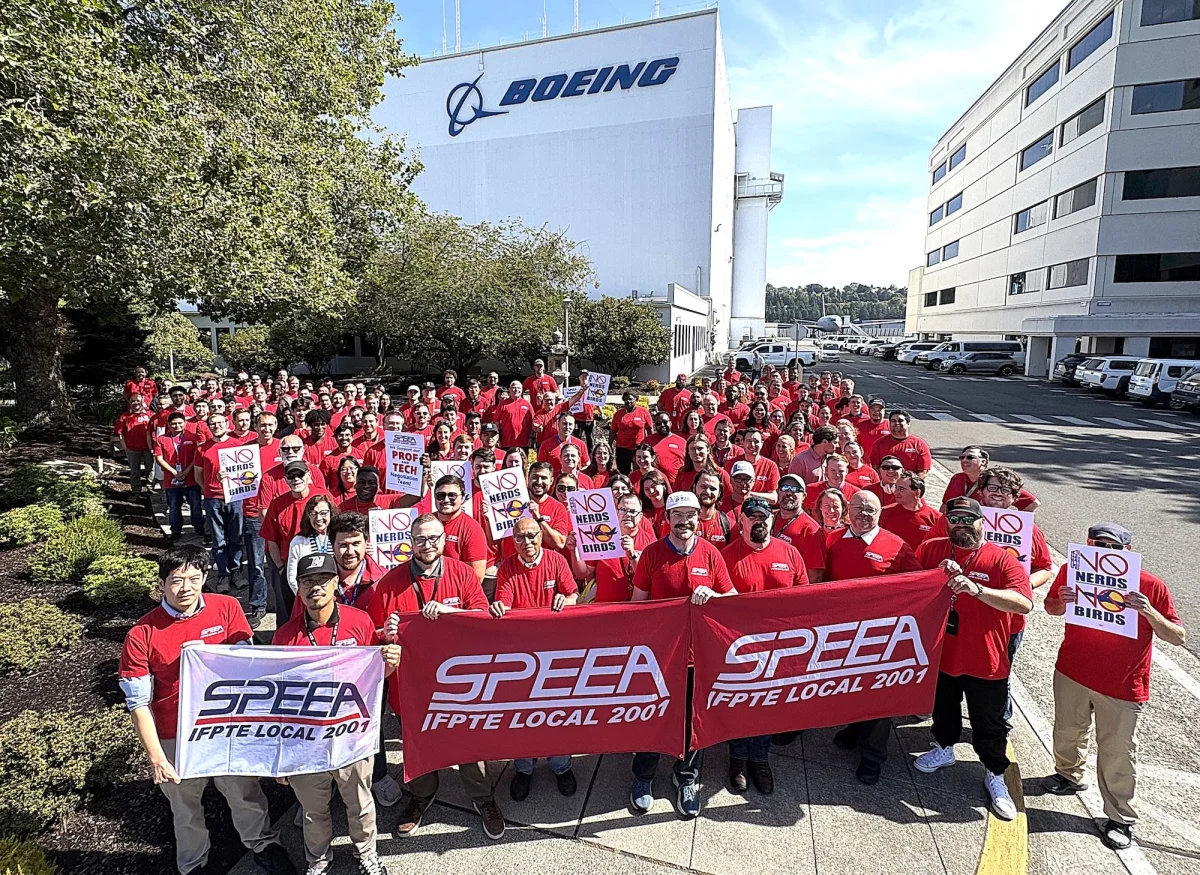
Boeing Tightens Spending Ahead of Critical SPEEA Union Vote
Boeing has implemented spending controls and a hiring freeze as it faces a critical contract ratification vote with its 17,000-member engineering union.

Boeing CEO Kelly Ortberg Warns of 777X Certification Delay
Boeing CEO Kelly Ortberg warned that a potential strike by 17,000 engineers would immediately halt the 777X certification and production programs.
American and United Plan Capacity Cuts Amid Fuel Cost Surge
American and United are trimming flight schedules to offset a $1 billion fuel cost spike while maintaining strong pricing power.
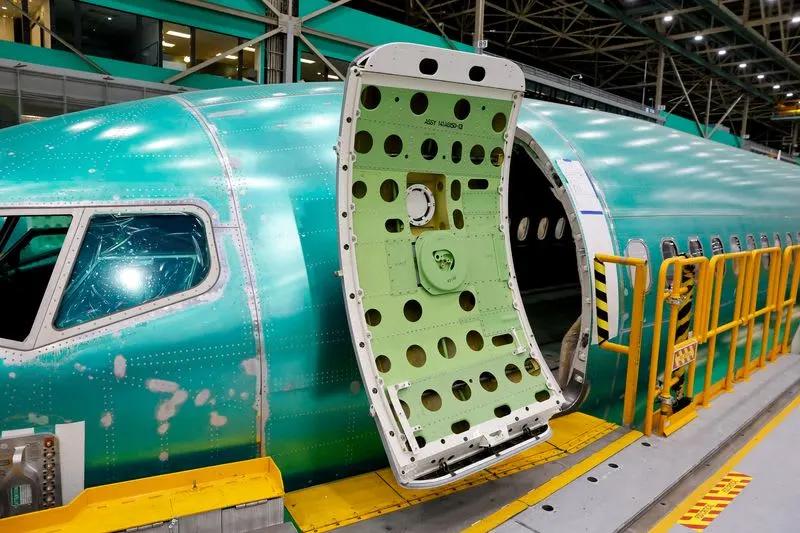
Boeing CEO Reports 737 MAX Output Stabilization Delays
Boeing CEO Kelly Ortberg reports slower 737 MAX production stabilization, prompting a downward revision in 2026 free cash flow expectations to $2 billion.
Boeing Finalizes KAL Order, Salvages Turkish Airlines Deal
Boeing secured a $36.2 billion order from Korean Air Lines for 103 aircraft and nears a resolution on a 150-jet deal with Turkish Airlines.

Airbus Forecasts 42,000 New Jets Amid Strong Global Demand
Airbus expects 42,000 new aircraft deliveries globally by 2045, with 45% of demand concentrated in the Asia-Pacific region.