Morgan Stanley Raises Southwest Airlines Price Target to $60

Co-Founder & CEOAviation News Editor delivering trusted coverage across the global aviation industry.
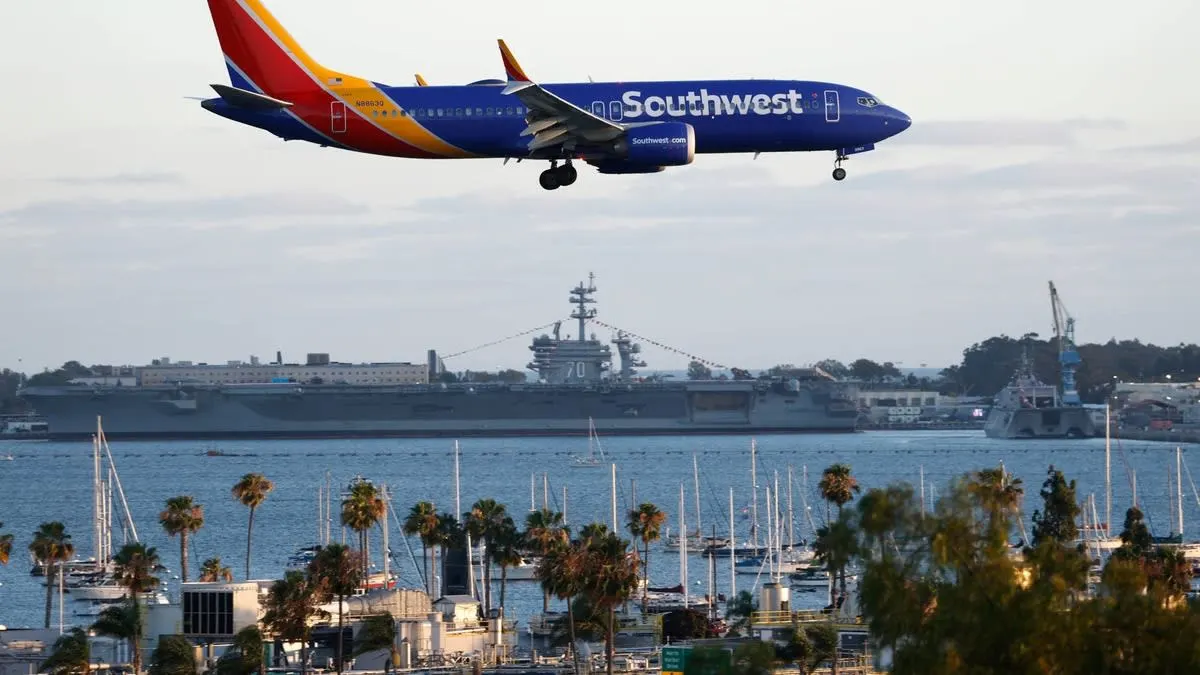
Morgan Stanley upgraded Southwest Airlines to a $60 price target as the carrier's shift to assigned seating drives a 60% adoption rate of premium add-ons.
Key Takeaways
- •Southwest Q1 2026 revenue reached $7.25 billion, up 13% year-over-year.
- •Morgan Stanley raised LUV stock price target to $60 on June 30.
- •Premium add-on adoption surged from under 20% to 60% post-overhaul.
- •Southwest route overlap with Spirit Airlines dropped from 30% to 15%.
Southwest Airlines assigned seating and the pivot to premium
Southwest Airlines has spent the past eighteen months fundamentally restructuring its business model, moving away from a legacy of open seating to capture higher-margin revenue. This strategic shift, highlighted by the Southwest Airlines to Present at the Bernstein Strategic Decisions Conference held on May 28, 2026, aims to address long-standing customer friction. Southwest CEO Bob Jordan noted that internal research indicated 80% of customers preferred assigned seating, while 88% of non-flyers cited the carrier's previous open-seating policy as their primary reason for choosing competitors. The transition, which officially launched on January 27, 2026, introduced assigned seating, tiered boarding groups, and extra legroom options.
Morgan Stanley LUV price target and market momentum
Wall Street has responded positively to the airline's operational pivot. Morgan Stanley (MS) analyst Ravi Shanker and his team recently met with Southwest CFO Tom Doxey and investor relations lead Danielle Collins at the company's Dallas headquarters. Following this engagement, the firm maintained an 'overweight' rating and raised the LUV stock price target to $60, up from previous estimates. The research note dated June 30, 2026, cites a surge in ancillary revenue, with the share of passengers purchasing premium add-ons increasing from under 20% to 60% post-launch. Analysts view this as a potential long-term tailwind for the carrier's pricing power.
Southwest Q1 2026 earnings and operational performance
Financial data reported under U.S. Securities and Exchange Commission (SEC) regulations for the first quarter of 2026 reflects the impact of these changes. Southwest Airlines reported revenue of $7.25 billion, representing a 13% year-over-year increase. The company's operating profit reached $330 million, a significant improvement from the $223 million loss reported in the same period of 2025. Consequently, the operating margin expanded to 4.6% from a negative 3.5% in the prior year. While total cash reserves declined to $3.33 billion from $8.13 billion year-over-year, this was largely attributed to $1.25 billion in stock buybacks and strategic debt reduction, rather than operational distress.
The shift in competitive dynamics
Southwest Airlines is increasingly competing for corporate travel share, a segment previously dominated by legacy carriers. The airline has also optimized its network by reducing capacity at secondary hubs like Chicago O'Hare (ORD) and Washington Dulles (IAD), while focusing resources on high-demand markets such as Orlando (MCO), Las Vegas (LAS), San Diego (SAN), and Austin (AUS). Furthermore, the carrier's route overlap with the now-bankrupt Spirit Airlines has decreased from 30% to 15%, which Morgan Stanley analysts identify as a structural tailwind for future pricing stability.
Historical context and the path toward 10% margins
This transformation mirrors the historical precedent set by JetBlue Airways in 2014, when the carrier moved away from its own single-class, no-fee origins to introduce the 'Mint' premium cabin and baggage fees. Like JetBlue, Southwest Airlines is attempting to balance its brand identity with the necessity of capturing higher-margin traffic. Management is currently discussing the restoration of its former 10% operating margin target, provided market conditions remain stable. The airline's ability to maintain this trajectory will depend on its continued success in converting customers to premium seating options and capturing business travel market share.
Why this matters for airline investors
The shift at Southwest Airlines signals a broader industry trend where low-cost carriers are increasingly adopting premium models to bolster financial performance. For investors, the focus remains on whether the airline can sustain its current momentum and restore its long-term operating margin. The transition has effectively reduced the competitive gap between Southwest and legacy carriers like Delta Air Lines and United Airlines, forcing a recalibration of how market participants value the carrier's future free cash flow potential.
Frequently Asked Questions
- What is the new Southwest Airlines assigned seating policy?
- As of January 27, 2026, Southwest Airlines transitioned from its traditional open-seating model to an assigned seating system. This change also included the introduction of new boarding groups, baggage fees, and extra legroom options.
- Why did Morgan Stanley raise the Southwest Airlines price target?
- Morgan Stanley raised the price target for Southwest Airlines to $60, citing a successful operational turnaround. The firm pointed to a significant increase in ancillary revenue, with 60% of passengers now paying for premium add-ons, and a reduction in competitive overlap with Spirit Airlines.
For global airline trends and commercial aviation news, turn to omniflights.com. Discover how innovation is shaping aviation through aircraft systems, avionics, and digital tools at omniflights.com/technology.
Written by Hardik Vishwakarma
Co-Founder & Aviation News Editor leading initiatives that improve trust and visibility across the global aviation industry. Covers airlines, airports, safety, and emerging technology.
Visit ProfileYou Might Also Like
Discover more aviation news based on similar topics
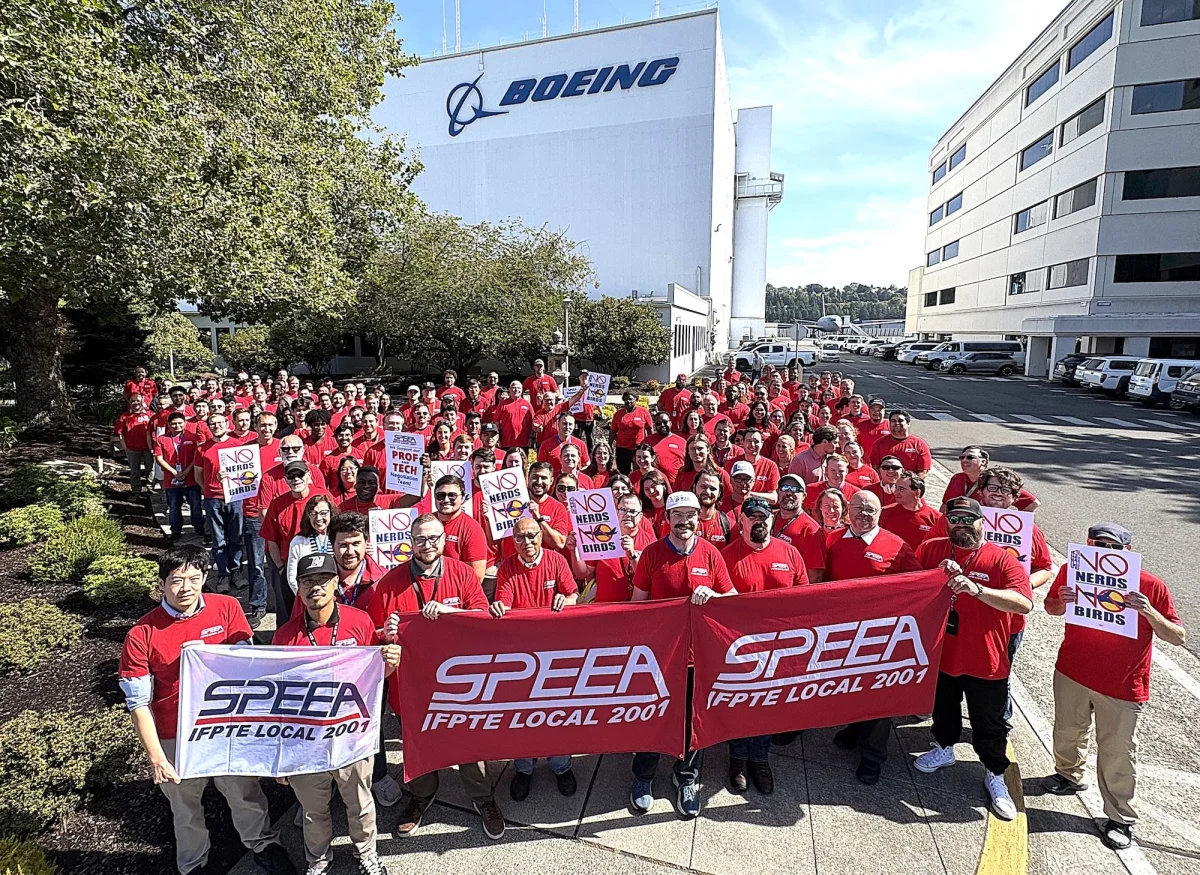
Boeing Tightens Spending Ahead of Critical SPEEA Union Vote
Boeing has implemented spending controls and a hiring freeze as it faces a critical contract ratification vote with its 17,000-member engineering union.
Boeing CEO Kelly Ortberg Warns of 777X Certification Delay
Boeing CEO Kelly Ortberg warned that a potential strike by 17,000 engineers would immediately halt the 777X certification and production programs.
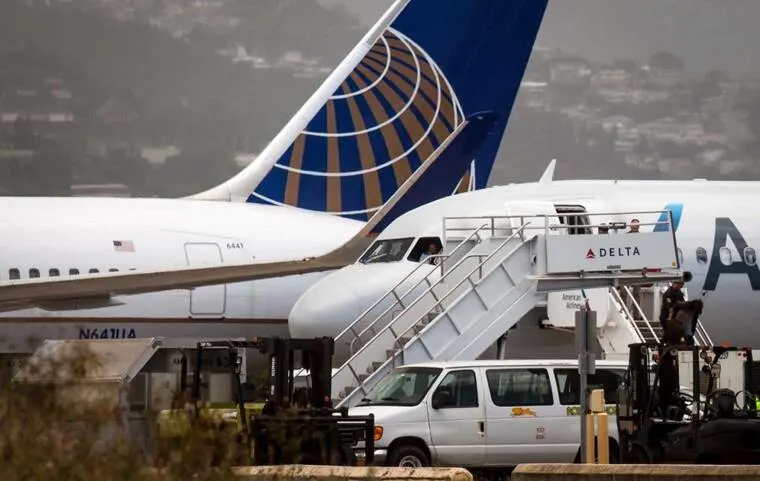
American and United Plan Capacity Cuts Amid Fuel Cost Surge
American and United are trimming flight schedules to offset a $1 billion fuel cost spike while maintaining strong pricing power.
Boeing CEO Reports 737 MAX Output Stabilization Delays
Boeing CEO Kelly Ortberg reports slower 737 MAX production stabilization, prompting a downward revision in 2026 free cash flow expectations to $2 billion.
Boeing Finalizes KAL Order, Salvages Turkish Airlines Deal
Boeing secured a $36.2 billion order from Korean Air Lines for 103 aircraft and nears a resolution on a 150-jet deal with Turkish Airlines.
Airbus Forecasts 42,000 New Jets Amid Strong Global Demand
Airbus expects 42,000 new aircraft deliveries globally by 2045, with 45% of demand concentrated in the Asia-Pacific region.