Saudia 777F Fleet to Double in DAE Leaseback Deal

Co-Founder & CEOAviation News Editor delivering trusted coverage across the global aviation industry.
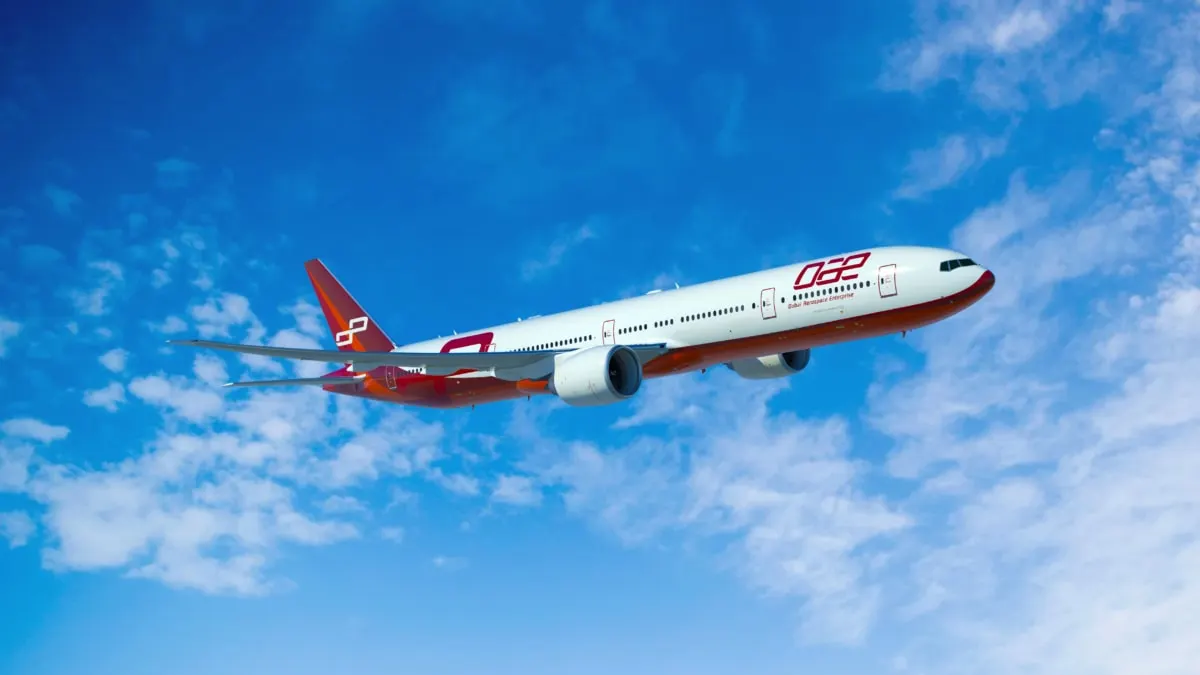
Saudia will double its Boeing 777F fleet to eight aircraft through a new purchase-and-leaseback agreement with DAE.
Key Takeaways
- •Saudia signs purchase-and-leaseback deal with DAE for four Boeing 777Fs.
- •Deliveries of the new widebody freighters run from October 2026 to May 2027.
- •Transaction doubles Saudia Cargo's dedicated 777F fleet from four to eight.
- •DAE expands its leasing portfolio following a $9.0 billion acquisition.
Dubai Aerospace Enterprise (DAE) has finalized a major DAE Saudia leaseback agreement covering four new Boeing 777F freighter lease deliveries. This strategic transaction will accelerate the Saudia Cargo fleet expansion as the Middle East air cargo market continues its rapid growth trajectory. The agreement, announced on August 10, 2026, secures high-capacity widebody lift for the Saudi flag carrier, with deliveries scheduled to begin in October 2026 and run through May 2027.
The transaction represents a significant operational milestone for Saudia Cargo, effectively doubling its dedicated fleet of Boeing 777 Freighter (777F) aircraft from four to eight. By utilizing a purchase-and-leaseback structure, Saudia can aggressively scale its long-haul cargo capacity without the immediate, heavy capital expenditure associated with direct aircraft acquisition. This fleet expansion aligns directly with the Kingdom of Saudi Arabia's broader economic diversification goals, positioning the region as a primary transit hub between Europe, Asia, and Africa.
According to the official Dubai Aerospace Enterprise announcement, the four incoming widebody freighters will support the airline's expanding global cargo operations. Firoz Tarapore, Chief Executive Officer of DAE, emphasized the strategic nature of the deal, stating: "We are pleased to announce a purchase-leaseback agreement for four Boeing 777F aircraft with Saudia. This transaction reflects our continued commitment to supporting our airline customers with high-quality, in-demand aircraft. These aircraft will support the airline’s expanding cargo operations and enhance its ability to serve key markets across its global network."
For Saudia Cargo, the high-severity impact of this transaction is the immediate doubling of its dedicated widebody capacity. The carrier is currently working to meet the ambitious logistics mandates of the National Transport and Logistics Strategy, a key regulatory framework under the Saudi Vision 2030 initiative led by the Government of Saudi Arabia. This strategy aims to increase the country's cargo throughput and establish it as a premier global logistics hub.
For DAE, the transaction secures long-term, high-yield lease revenues from a major sovereign-backed flag carrier. The Dubai-based lessor has been expanding its market footprint rapidly, having completed a $9.0 billion acquisition of Macquarie AirFinance in July 2026. This acquisition pushed DAE's total leasing portfolio to approximately 1,000 owned, managed, and committed aircraft, including more than 250 Boeing jets.
The purchase-and-leaseback model has become a standard financing mechanism for airlines seeking to maintain liquidity while modernizing their fleets. In August 2026, a highly analogous precedent occurred when Emirates SkyCargo signed a multi-year agreement with DAE to extend leases on four existing 777Fs as part of its target to reach a 21-strong 777F fleet by late 2026. This trend reflects a broader pattern in the Middle East cargo sector, where carriers are leveraging lessor portfolios to scale operations rapidly in response to surging global e-commerce demand.
However, the rapid expansion of current-generation freighter fleets has drawn some scrutiny. Environmental NGOs and aviation sustainability analysts have noted that expanding cargo fleets with current-generation platforms like the 777F, rather than waiting for next-generation models like the 777-8F or Airbus A350F, delays the adoption of more fuel-efficient technologies necessary to meet the aviation industry's net-zero carbon emissions targets.
Boeing 777F vs. Boeing 777-8F: Technical Specifications
The current-generation 777F remains a highly capable cargo platform, though it faces future competition from larger, longer-range clean-sheet designs. Below is a comparison of the technical specifications between the 777F and its planned successor, alongside the smaller regional standard 767-300F.
| Metric | Boeing 777F | Boeing 777-8F | Boeing 767-300F |
|---|---|---|---|
| Structural Payload | 107 tonnes | 118 tonnes | 57 tonnes |
| Range | 5,000 nmi | 5,000 nmi | 3,300 nmi |
The Economics of Widebody Freighter Leasing
The DAE-Saudia transaction highlights a structural shift in how major network carriers manage their dedicated freighter capacity. Historically, airlines preferred direct ownership of their cargo assets to maintain maximum operational control over long amortization periods. However, the high capital costs of modern widebody airframes, combined with volatile cargo yield cycles, have made leaseback structures highly attractive. By transferring the residual value risk of these four 777F aircraft to DAE, Saudia insulates its balance sheet from future fleet obsolescence while securing immediate capacity to capture e-commerce flows. This development indicates that the aviation industry's current capital expenditure cycle is increasingly reliant on large-scale lessors to buffer the financial risks of fleet modernization, especially as carriers navigate the transition toward next-generation cargo platforms.
Delivery Schedule and Fleet Integration
The integration of the four new freighters will follow a structured delivery timeline managed by DAE and Boeing.
- October 2026: Delivery of the first leased Boeing 777F to Saudia is confirmed to take place, marking the initial capacity injection.
- May 2027: Completion of the four-aircraft 777F delivery schedule is confirmed, at which point Saudia Cargo's dedicated 777F fleet will reach its target strength of eight operational airframes.
Why the Gulf Logistics Hub Strategy Matters
This agreement signals a significant escalation in the competitive dynamics of the Middle Eastern logistics market. For aviation professionals, Saudia's rapid capacity expansion demonstrates that the Saudi Vision 2030 logistics mandates are translating into concrete fleet assets, directly challenging established regional cargo giants in Dubai and Doha.
Frequently Asked Questions
- How many Boeing 777F aircraft is Saudia leasing from DAE?
- Saudia has signed a purchase-and-leaseback agreement for four new Boeing 777 Freighter aircraft. These deliveries will effectively double Saudia Cargo's dedicated 777F fleet from four to eight.
- When will the leased Boeing 777F freighters be delivered to Saudia?
- The deliveries are scheduled to begin in October 2026 and will run through May 2027, according to the agreement timeline.
- What is the size of Dubai Aerospace Enterprise's aircraft portfolio?
- Following its nine billion dollar acquisition of Macquarie AirFinance in July 2026, Dubai Aerospace Enterprise manages, owns, and has committed to approximately 1,000 aircraft, including over 250 Boeing jets.
Stay ahead of the airline industry with commercial aviation news from omniflights.com. Follow aviation sustainability efforts, emissions research, and green initiatives in the Environmental section at omniflights.com/environmental.
Written by Hardik Vishwakarma
Co-Founder & Aviation News Editor leading initiatives that improve trust and visibility across the global aviation industry. Covers airlines, airports, safety, and emerging technology.
Visit ProfileYou Might Also Like
Discover more aviation news based on similar topics
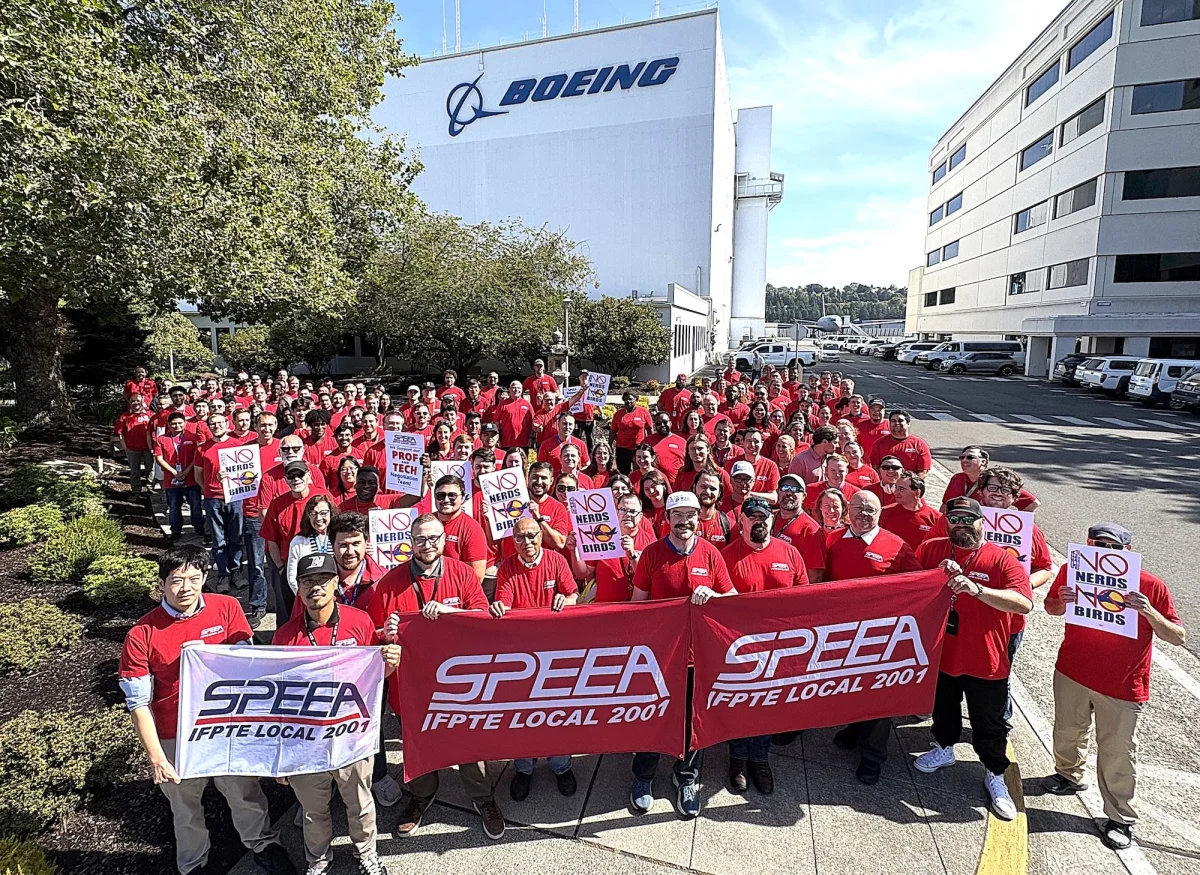
Boeing Tightens Spending Ahead of Critical SPEEA Union Vote
Boeing has implemented spending controls and a hiring freeze as it faces a critical contract ratification vote with its 17,000-member engineering union.

Boeing CEO Kelly Ortberg Warns of 777X Certification Delay
Boeing CEO Kelly Ortberg warned that a potential strike by 17,000 engineers would immediately halt the 777X certification and production programs.
American and United Plan Capacity Cuts Amid Fuel Cost Surge
American and United are trimming flight schedules to offset a $1 billion fuel cost spike while maintaining strong pricing power.
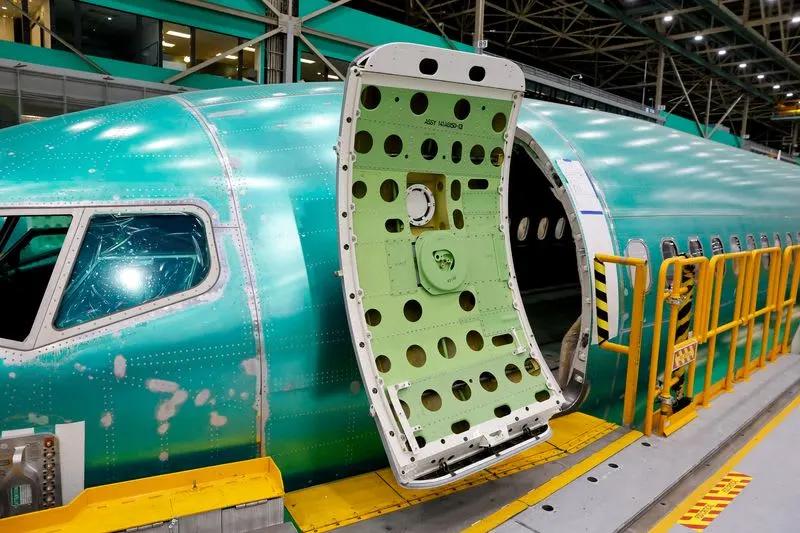
Boeing CEO Reports 737 MAX Output Stabilization Delays
Boeing CEO Kelly Ortberg reports slower 737 MAX production stabilization, prompting a downward revision in 2026 free cash flow expectations to $2 billion.
Boeing Finalizes KAL Order, Salvages Turkish Airlines Deal
Boeing secured a $36.2 billion order from Korean Air Lines for 103 aircraft and nears a resolution on a 150-jet deal with Turkish Airlines.
Airbus Forecasts 42,000 New Jets Amid Strong Global Demand
Airbus expects 42,000 new aircraft deliveries globally by 2045, with 45% of demand concentrated in the Asia-Pacific region.