Middle East Conflict Doubles Jet Fuel Costs, Spikes Global Airfares

Co-Founder & CEOAviation News Editor delivering trusted coverage across the global aviation industry.
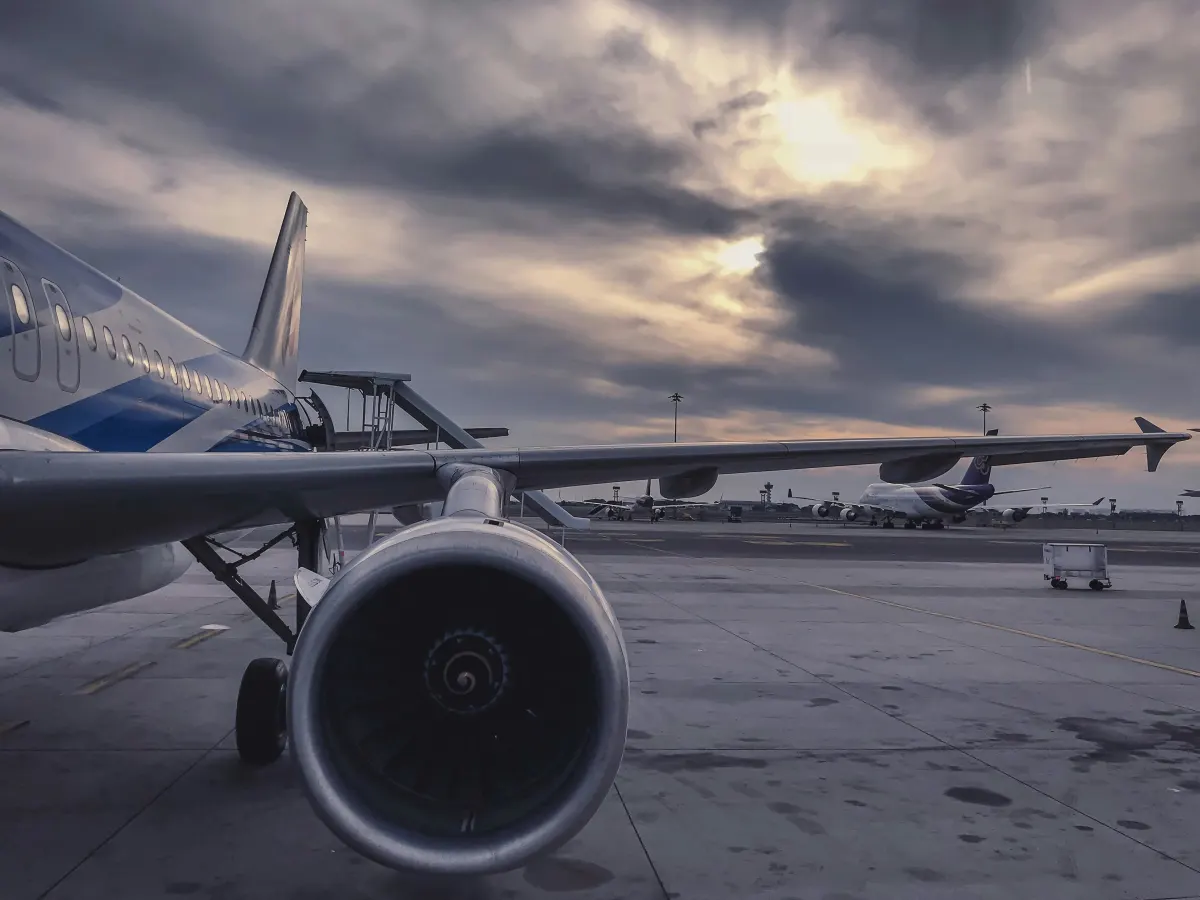
A major Middle East conflict has doubled jet fuel prices, forcing airlines like Qantas to raise international airfares and use extreme dynamic pricing.
Key Takeaways
- •Doubled average jet fuel prices, according to IATA, severely increasing airline operating costs.
- •Triggered extreme dynamic pricing, with some business class fares reaching A$40,000.
- •Forced airlines like Qantas to implement bi-weekly international fare reviews due to cost volatility.
- •Prompts advice for passengers to wait for official airline cancellations to protect refund rights.
The ongoing conflict in the Middle East has triggered a severe global energy market crisis, causing the average price of jet fuel to nearly double in three weeks. This jet fuel price surge has drastically increased airline operating costs, leading to immediate and significant international airfare hikes and widespread Middle East aviation disruption.
For airlines, the rapid cost inflation has upended financial planning. Fuel and labor are typically the two largest expenses for any carrier. According to the International Air Transport Association (IATA) Jet Fuel Price Monitor, the recent surge has pushed prices past $200 per barrel in some markets, making fuel the undisputed top cost. This volatility forces carriers to pass costs to consumers, resulting in fewer options and higher prices. For passengers, this means essential travel has become prohibitively expensive, while many are forced to consider complex or unorthodox routes to bypass the conflict zone.
Airline Cost Pressures and Fare Adjustments
In response to the unstable cost environment, carriers are adjusting their pricing models with unprecedented frequency. Qantas announced it would now review its international airfares every two weeks. On March 19, 2026, Qantas International CEO Cam Wallace confirmed the move was a direct response to fuel price volatility. This signals a shift away from traditional seasonal pricing toward a more reactive model.
The most visible impact for travelers is the use of extreme dynamic pricing airlines are employing to manage scarce inventory. With millions of seats removed from schedules on Middle Eastern routes, demand has shifted to remaining carriers, who are using algorithms to capture the highest possible price. This led to some extraordinary fares, including Cathay Pacific advertising business class tickets from Sydney to London via Hong Kong for nearly A$40,000 return. While airlines argue this system ensures a seat is available for those who desperately need it and are willing to pay, consumer advocates have characterized such fares as price gouging during a crisis.
Shifting Global Routes and Passenger Risk
The conflict has significantly impacted global flight patterns. Middle Eastern Gulf Carriers, such as Emirates and Qatar Airways, face severe operational restrictions due to airspace closures, losing their central role in the highly lucrative transit corridor between Europe and Australasia. In contrast, Asian Network Airlines like Cathay Pacific and Singapore Airlines are experiencing a surge in demand as traffic reroutes through Asian transit hubs.
This has led some travelers to pursue do-it-yourself flight connections, sequencing multiple tickets on different carriers to lower costs. However, this approach carries significant risk. Passengers are often not protected from the financial impact of delays or cancellations across different tickets. Additional expenses for separate baggage fees, overnight accommodations, and transit visa requirements can quickly negate any initial savings. Furthermore, travel insurance war cover is often excluded from standard policies, leaving self-connecting passengers financially exposed.
Historical Precedents and Passenger Guidance
This level of disruption, while severe, has recent precedents. The Ukraine Airspace Closure in February 2022 similarly forced airlines to reroute long-haul flights between Europe and Asia, adding hours to journeys and increasing fuel consumption. More directly, the Israel-Hamas Conflict Flight Suspensions in October 2023 provided a precursor to the current, broader regional instability.
For passengers with existing bookings, navigating the uncertainty is challenging. Steven Leib, Associate Professor in Aviation at Central Queensland University (CQUniversity), advises against preemptive action regarding flight cancellations war policies. Passengers whose travel dates fall outside an airline's specified waiver window should wait for the carrier to formally cancel the flight. According to Leib, this ensures the airline remains legally responsible for providing rebooking, a refund, or other accommodations as mandated by Passenger Refund and Rebooking Mandates.
What Comes Next
The situation remains fluid, with airlines adapting to daily changes. The bi-weekly international fare reviews confirmed by Qantas are expected to continue for the foreseeable future, reflecting the ongoing volatility in the jet fuel market. Passengers planning travel in the coming months should anticipate continued high fares and potential schedule changes, making flexible tickets and comprehensive travel insurance more critical than ever.
Why This Matters
This conflict represents a structural shock to the global aviation network. It challenges the viability of the Middle East as the world's central transit hub and accelerates a shift toward Asian hubs. For airlines, it creates a new paradigm of cost uncertainty that may permanently alter pricing strategies. For travelers, it signals a period of higher costs and increased complexity for international journeys, fundamentally reshaping global mobility.
For global airline trends and commercial aviation news, turn to omniflights.com. Stay informed on aviation incidents, investigations, and best practices in the Safety category at omniflights.com/safety.
Written by Hardik Vishwakarma
Co-Founder & Aviation News Editor leading initiatives that improve trust and visibility across the global aviation industry. Covers airlines, airports, safety, and emerging technology.
Visit ProfileYou Might Also Like
Discover more aviation news based on similar topics
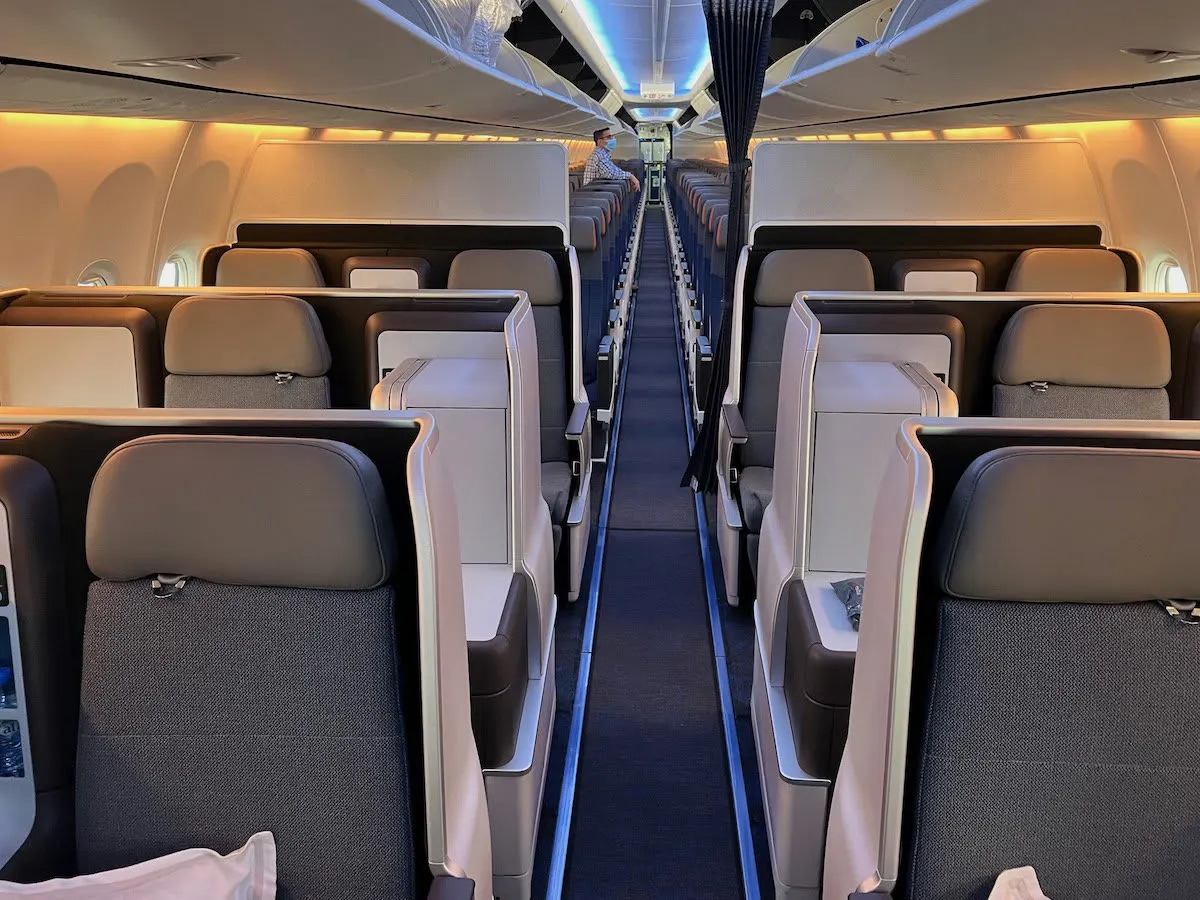
Flydubai Upgrading 21 Boeing 737 MAX 8s to Flat Bed Seats
Flydubai is retrofitting 21 Boeing 737 MAX 8 aircraft with lie-flat business class seats to standardize its premium product by late 2027.
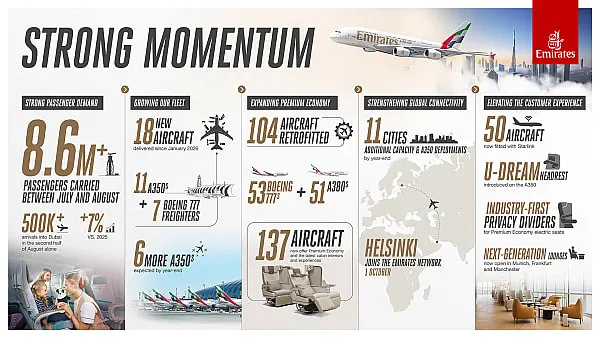
Emirates Winter Booking Momentum Grows Amid Fleet Expansion
Emirates carried 8.6 million passengers this summer and enters winter with strong demand as it accelerates fleet retrofits and network growth.
Air Arabia Consortium Gains AOC for New Dammam Budget Airline
A Saudi GACA-led consortium including Air Arabia has secured an AOC to launch a new budget airline based at Dammam's King Fahd International Airport.
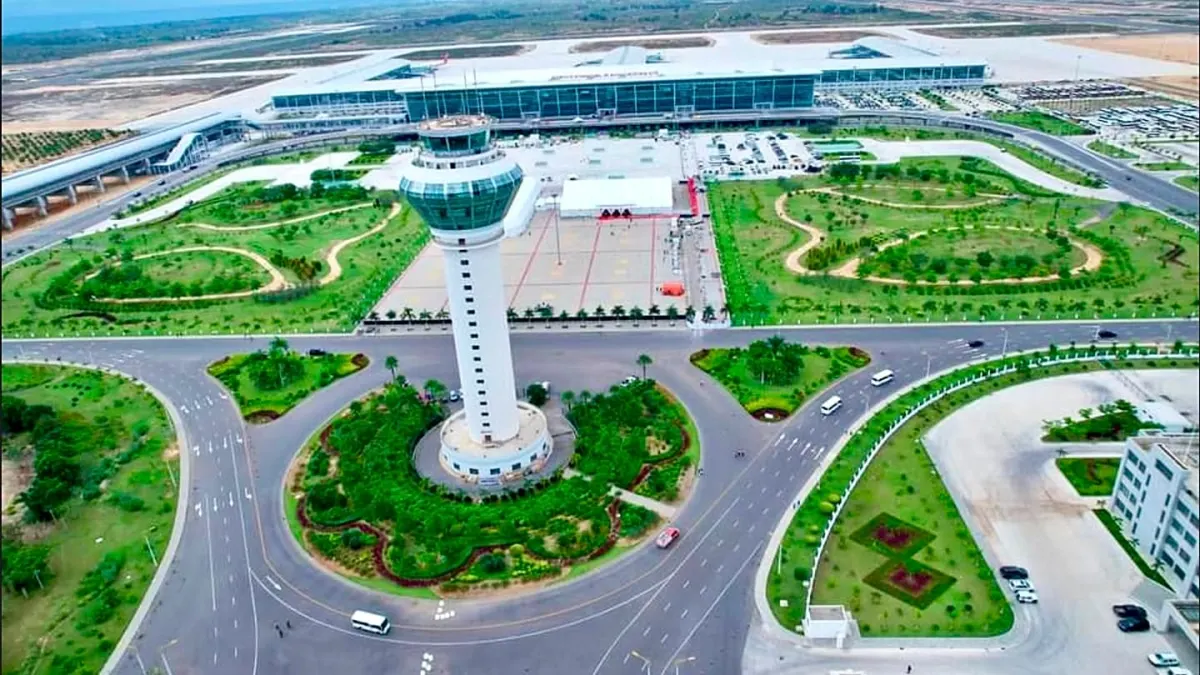
Turkish Airlines Exits Luanda as Angola Hub Struggles
Turkish Airlines dropped its Luanda route as Angola's new airport struggles to attract traffic, handling only 756,028 passengers in 2025.
Red Sea Airlines Leases Two 737 MAX 8s for 2027 Expansion
Red Sea Airlines signed a lease for two Boeing 737 MAX 8 aircraft from SMBC Aviation Capital, arriving in 2027 to support its 14-aircraft fleet goal.
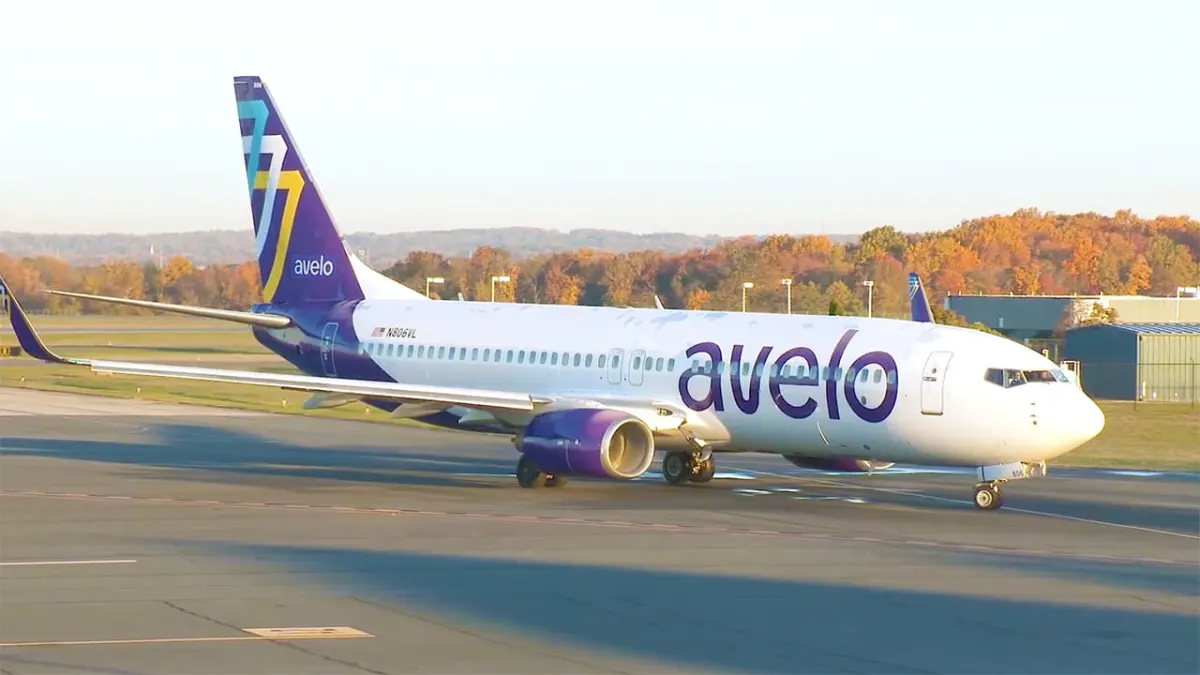
Avelo CEO Warns Airfares May Rise on Jet Fuel Price Spikes
Avelo Airlines CEO Andrew Levy warns that rising fuel costs may force fare increases as global jet fuel prices reach $171.01 per barrel.