Scoot Orders 11 More Airbus A320neos for Fleet Renewal

Co-Founder & CEOAviation News Editor delivering trusted coverage across the global aviation industry.
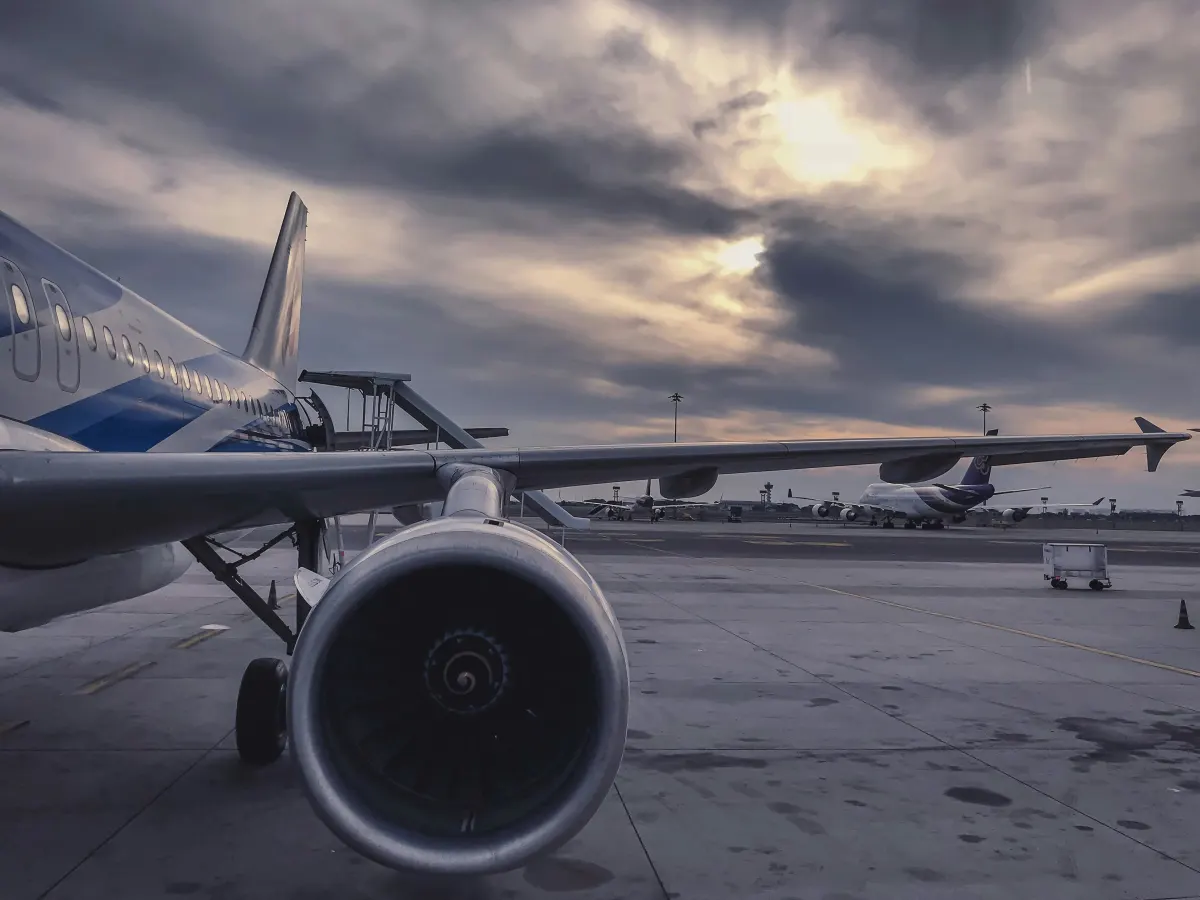
Scoot, Singapore Airlines' low-cost arm, ordered 11 more Airbus A320neos for delivery from 2028 to support network growth and replace older jets.
Key Takeaways
- •Adds 11 Airbus A320neo family aircraft to its order book.
- •Targets 2028 for the start of new aircraft deliveries.
- •Aims to replace older A320ceo jets and expand its route network.
- •Strengthens its competitive position in the Southeast Asian low-cost market.
Scoot, the low-cost subsidiary of Singapore Airlines, has confirmed an order for 11 additional Airbus A320neo family aircraft. The move signals a strategic investment in fleet modernization and network expansion, with the new jets scheduled to begin delivery in 2028.
This aircraft acquisition is a key component of Scoot's long-term growth strategy. The new A320neos are intended to serve a dual purpose: facilitating the expansion of the airline's route network across the Asia-Pacific region and systematically replacing its older-generation A320ceo (Current Engine Option) aircraft. By transitioning to a more modern fleet, Scoot aims to enhance operational efficiency, reduce fuel consumption, and lower its overall environmental footprint.
Fleet Modernization and Efficiency
The Airbus A320neo family is central to the fleet strategies of low-cost carriers worldwide. The primary advantage of the A320neo (New Engine Option) over its predecessor is its significant improvement in fuel efficiency, typically offering a 15-20% reduction in fuel burn per seat. This is achieved through the use of new-generation engines—either the Pratt & Whitney PW1100G or the CFM International LEAP-1A—and aerodynamic enhancements, most notably the large wingtip devices known as Sharklets.
For an airline like Scoot, operating in the highly competitive Southeast Asian market, these efficiency gains are critical. Lower fuel expenditure directly translates to a more competitive cost structure, enabling the carrier to offer lower fares while protecting its profit margins. Furthermore, the reduced carbon emissions align with the broader Singapore Airlines Group's commitment to sustainability goals. The A320neo also boasts a reduced noise footprint, which is an increasingly important factor for airlines operating out of noise-sensitive airports.
Strategic Importance for Singapore Airlines Group
This order underscores the Singapore Airlines (SIA) Group's commitment to its dual-brand strategy. While the parent airline focuses on the premium, long-haul market, Scoot is tasked with capturing the price-sensitive leisure and short-to-medium-haul segments. Investing in Scoot's fleet ensures that the LCC arm remains modern, efficient, and capable of competing effectively against regional rivals.
The phased delivery schedule starting in 2028 allows the SIA Group to manage its capital expenditure while planning for a sustained recovery and growth in regional travel demand. By retiring older A320ceos, Scoot will streamline its fleet, reducing maintenance complexity and costs associated with operating aging aircraft. A younger fleet generally leads to higher reliability and dispatch rates, improving the customer experience and minimizing operational disruptions.
Competitive Landscape in Southeast Asia
Southeast Asia is one of the world's most dynamic and challenging aviation markets, characterized by the strong presence of major low-cost carriers such as AirAsia, Lion Air Group, and VietJet Air. These airlines operate vast fleets of single-aisle aircraft, and competition is primarily driven by price and network reach.
By adding new-generation A320neos, Scoot reinforces its ability to compete on cost per available seat-kilometer (CASK), a key industry metric for LCCs. The enhanced range of the A320neo family also provides Scoot with greater network flexibility, potentially enabling it to launch new routes or increase frequencies on existing ones. This fleet renewal is not just an upgrade but a necessary step to maintain and grow market share in a region where modern, efficient aircraft are the standard.
What Comes Next
With deliveries not commencing until 2028, Scoot and the Singapore Airlines Group have a considerable window to finalize network plans that will leverage the new aircraft. The specific A320neo variant within the family was not disclosed, but the flexibility of the platform allows for optimization based on route demand.
In the coming years, the airline will focus on phasing out its older A320ceos in coordination with the arrival of the new jets. This transition will be carefully managed to ensure no disruption to its flight schedules. The order will be added to Airbus's official backlog, further cementing the A320neo family's position as the world's best-selling single-aisle aircraft.
Why This Matters
This order from Scoot is a clear indicator of confidence in the long-term health of the Asia-Pacific aviation market. It highlights the industry-wide trend of airlines investing in new-generation technology to drive down costs, improve environmental performance, and enhance the passenger experience. For Airbus, it represents another significant endorsement from a major airline group, reinforcing its market leadership in the narrow-body segment.
Frequently Asked Questions
- How many new aircraft did Scoot order?
- Scoot placed a firm order for 11 additional Airbus A320neo family aircraft. These jets are scheduled for delivery starting in 2028.
- Why is Scoot buying new Airbus A320neo aircraft?
- The order serves a dual purpose: expanding Scoot's route network and replacing older, less fuel-efficient A320ceo (Current Engine Option) aircraft, which helps lower operational costs and improve environmental performance.
- What is the main advantage of the Airbus A320neo?
- The main advantage of the A320neo (New Engine Option) is its fuel efficiency, which is typically 15-20% better than the previous A320ceo model. This is achieved through advanced engines and aerodynamic improvements like Sharklets, leading to lower operating costs for airlines.
For in-depth airline coverage and commercial aviation news, omniflights.com delivers timely industry insights. Discover how innovation is shaping aviation through aircraft systems, avionics, and digital tools at omniflights.com/technology.
Written by Hardik Vishwakarma
Co-Founder & Aviation News Editor leading initiatives that improve trust and visibility across the global aviation industry. Covers airlines, airports, safety, and emerging technology.
Visit ProfileYou Might Also Like
Discover more aviation news based on similar topics
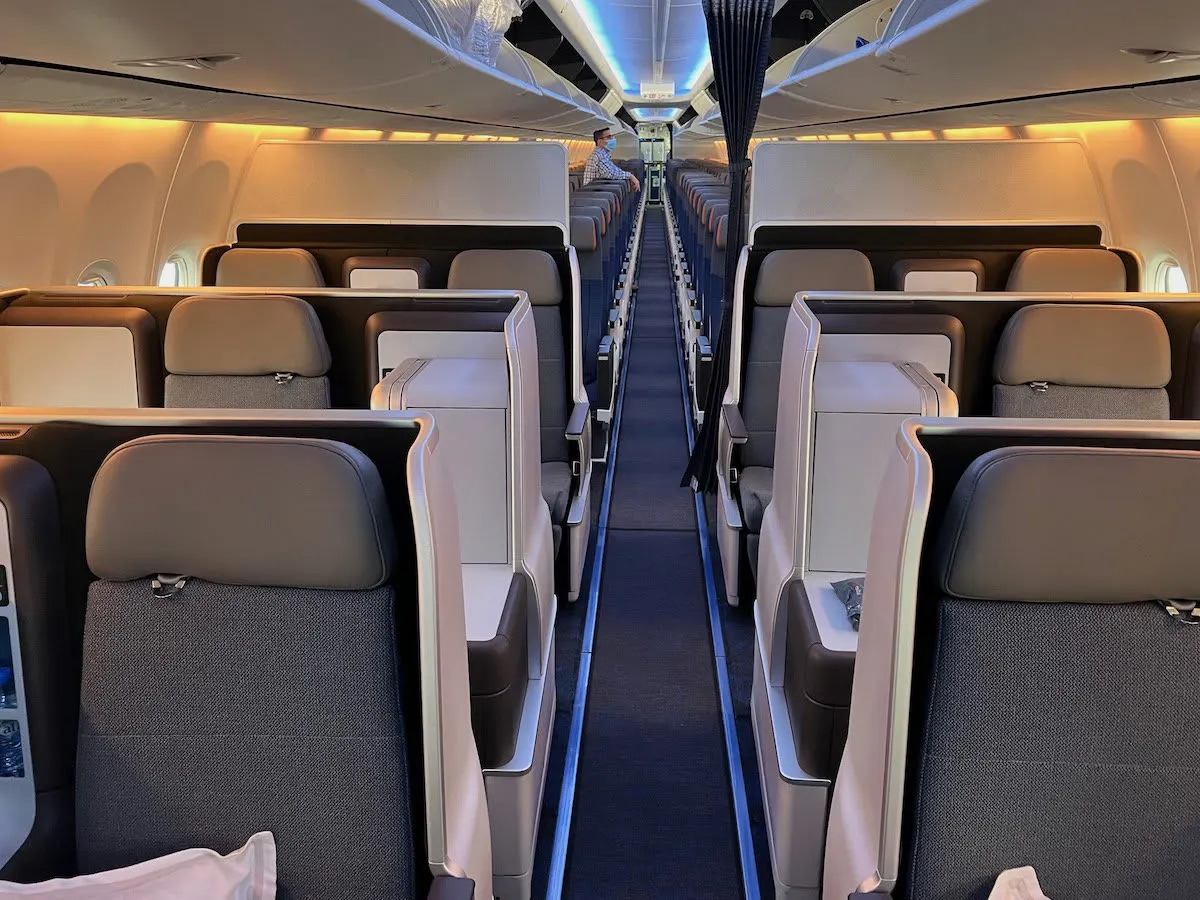
Flydubai Upgrading 21 Boeing 737 MAX 8s to Flat Bed Seats
Flydubai is retrofitting 21 Boeing 737 MAX 8 aircraft with lie-flat business class seats to standardize its premium product by late 2027.
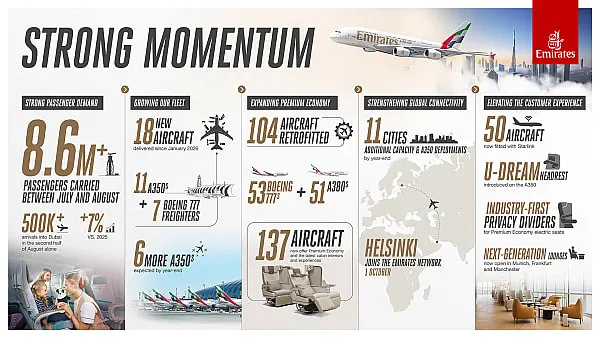
Emirates Winter Booking Momentum Grows Amid Fleet Expansion
Emirates carried 8.6 million passengers this summer and enters winter with strong demand as it accelerates fleet retrofits and network growth.
Air Arabia Consortium Gains AOC for New Dammam Budget Airline
A Saudi GACA-led consortium including Air Arabia has secured an AOC to launch a new budget airline based at Dammam's King Fahd International Airport.

Turkish Airlines Exits Luanda as Angola Hub Struggles
Turkish Airlines dropped its Luanda route as Angola's new airport struggles to attract traffic, handling only 756,028 passengers in 2025.

Red Sea Airlines Leases Two 737 MAX 8s for 2027 Expansion
Red Sea Airlines signed a lease for two Boeing 737 MAX 8 aircraft from SMBC Aviation Capital, arriving in 2027 to support its 14-aircraft fleet goal.
Avelo CEO Warns Airfares May Rise on Jet Fuel Price Spikes
Avelo Airlines CEO Andrew Levy warns that rising fuel costs may force fare increases as global jet fuel prices reach $171.01 per barrel.