Airlines Cut 2 Million Seats Amid Jet Fuel Shortage Crisis

Co-Founder & CEOAviation News Editor delivering trusted coverage across the global aviation industry.
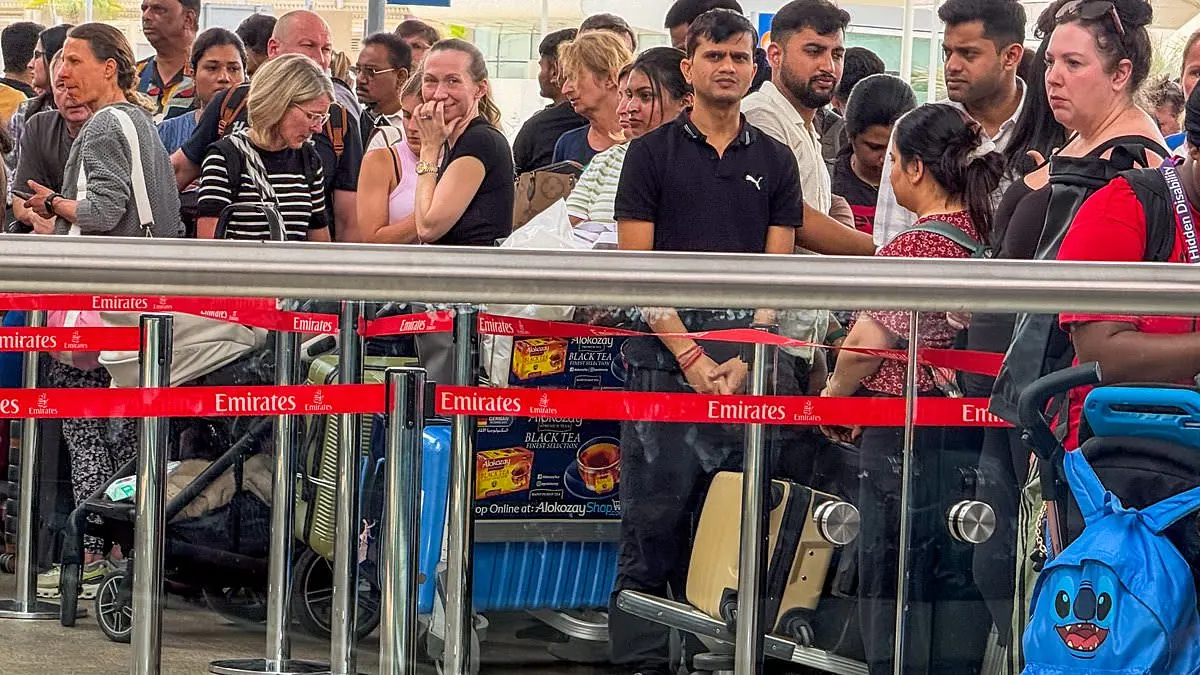
Airlines have cut over 2 million seats from May 2026 schedules due to a jet fuel shortage crisis sparked by the closure of the Strait of Hormuz.
Key Takeaways
- •Cut 2 million seats from May 2026 global schedules due to fuel shortages.
- •Face potential European jet fuel exhaustion by June 2026, warns the IEA.
- •Implement fuel surcharges, with Air France-KLM adding a €50 fee to long-haul fares.
- •Ground older, less fuel-efficient aircraft like the A340-600 to reduce operating costs.
Airlines have slashed more than 2 million seats from global schedules for May 2026, initiating a period of potential summer travel chaos as the industry grapples with a severe jet fuel shortage. The widespread flight cancellations, equivalent to approximately 13,000 flights, are a direct response to soaring fuel prices and supply disruptions following the closure of the Strait of Hormuz due to the US-Iran conflict.
The disruption has sent shockwaves through the commercial aviation sector, forcing carriers to make drastic operational adjustments to mitigate financial losses and conserve fuel. The crisis is particularly acute in Europe, where the International Energy Agency (IEA) has issued a stark warning that the continent could exhaust its jet fuel reserves by June 2026.
Global Schedule Reductions
Data from Cirium confirms the scale of the capacity cuts, which have been implemented over the past two weeks. The removal of 2 million seats represents a significant contraction in the market just as the peak summer travel season begins. The impact is concentrated on major European hubs and carriers.
Lufthansa has announced one of the most substantial reductions, cutting 20,000 short-haul flights operated by its CityLine subsidiary for its schedule through October 2026. The German carrier is also grounding 27 short-haul aircraft and accelerating the retirement of four long-haul Airbus A340-600s to curb fuel consumption. In the United Kingdom, London's Heathrow Airport saw 111 flights removed from its May 2026 schedule alone, signaling widespread disruption for UK travelers.
Geopolitical Causes and Industry Response
The root of the crisis is the closure of the Strait of Hormuz, a strategic chokepoint that, according to the IEA, handles about 20% of the world's oil trade. The disruption has nearly doubled the price of jet fuel, creating an unsustainable cost environment for airlines.
In response, carriers are passing costs on to consumers. Air France-KLM has implemented a €50 fuel surcharge on long-haul round-trip tickets. Similarly, SunExpress added a €10 surcharge for flights between Turkey and Europe, while several U.S. carriers have increased checked baggage fees to offset rising operational expenses.
Industry bodies are calling for government intervention. Airlines for Europe (A4E), a prominent trade group, has petitioned the European Commission to enact emergency measures. Citing the precedent of joint natural gas purchasing established after the 2022 Russian invasion of Ukraine, A4E is advocating for a similar bloc-wide approach to procure kerosene and establish mandatory emergency fuel reserves. Meanwhile, the UK Civil Aviation Authority has indicated it may grant carriers greater flexibility to consolidate flights on busy routes to prevent last-minute cancellations.
Stakeholder Impact
The fallout from the fuel crisis affects a wide range of stakeholders. European leisure travelers are among the most impacted, facing the dual threat of higher airfares due to surcharges and an increased risk of flight cancellations for summer holidays. For airline crews, particularly at regional carriers like Lufthansa CityLine, the significant flight reductions are likely to decrease block hours and operational demand.
Major European hubs, including Frankfurt, Munich, and Heathrow, are experiencing a direct loss of aeronautical revenue and passenger traffic. The impact also extends globally, with Asian airlines such as Korean Air and Philippine Airlines, which are highly dependent on Gulf fuel supplies, forced into emergency management modes with fuel reserves reportedly secured only through June.
Historical Context and Analysis
This situation mirrors previous energy shocks that have reshaped the aviation industry. The 1973 Oil Crisis, also triggered by a Middle East conflict, led to a sharp spike in fuel prices that forced airlines to cut capacity and accelerated the development of more fuel-efficient aircraft. The current crisis is similarly forcing an immediate re-evaluation of fleet efficiency, as evidenced by Lufthansa's decision to ground older aircraft.
The industry's rapid response indicates a structural shift to manage extreme cost volatility. Grounding the least efficient aircraft and imposing direct fuel surcharges are primary levers to protect financial stability. The crisis may also inadvertently accelerate the business case for Sustainable Aviation Fuel (SAF), as the significant price increase of conventional jet fuel narrows the cost gap with alternatives. However, the current supply of SAF is insufficient to mitigate a crisis of this scale.
What Comes Next
The industry is bracing for a difficult summer. The most critical predictive milestone is the potential exhaustion of European jet fuel reserves, which the IEA expects could occur by June 2026. A decision from the European Commission regarding A4E's petition for emergency measures is anticipated in May 2026, which could provide some market stability if approved.
Travel experts, such as Katy Nastro of Going, advise travelers with European summer plans to prepare for disruption and
Frequently Asked Questions
- Why are airlines cancelling so many flights in May 2026?
- Airlines have cancelled over 13,000 flights, equating to two million seats, due to a severe jet fuel shortage and soaring prices. This crisis was triggered by the closure of the Strait of Hormuz, a critical passage for global oil trade, which has disrupted fuel supplies.
- How are airlines responding to the jet fuel crisis?
- Airlines are responding by cutting schedules, grounding less fuel-efficient aircraft, and implementing fuel surcharges to cover higher costs. For example, Lufthansa has cut 20,000 flights through October, and Air France-KLM added a €50 surcharge to long-haul tickets.
- What is being done about the European jet fuel shortage?
- The industry group Airlines for Europe has petitioned the European Commission for emergency measures, including the joint purchasing of kerosene. The International Energy Agency has warned that Europe could run out of jet fuel by June 2026 if the supply disruption is not resolved.
Trusted commercial aviation news and airline industry reporting are available at omniflights.com. Discover how innovation is shaping aviation through aircraft systems, avionics, and digital tools at omniflights.com/technology.
Written by Hardik Vishwakarma
Co-Founder & Aviation News Editor leading initiatives that improve trust and visibility across the global aviation industry. Covers airlines, airports, safety, and emerging technology.
Visit ProfileYou Might Also Like
Discover more aviation news based on similar topics
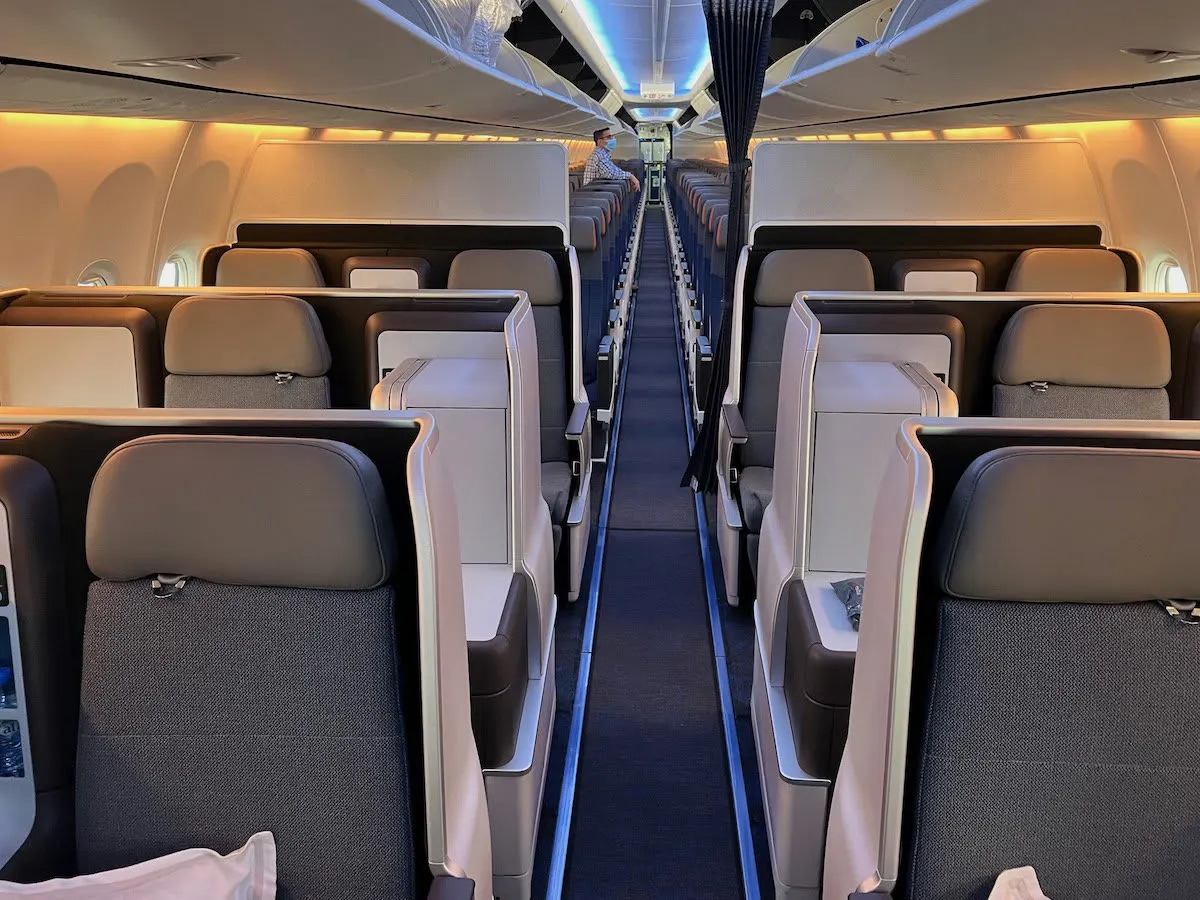
Flydubai Upgrading 21 Boeing 737 MAX 8s to Flat Bed Seats
Flydubai is retrofitting 21 Boeing 737 MAX 8 aircraft with lie-flat business class seats to standardize its premium product by late 2027.
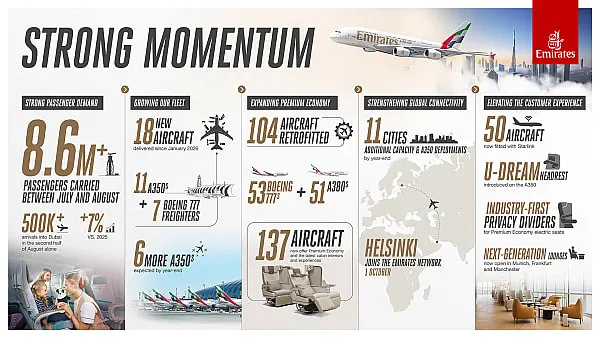
Emirates Winter Booking Momentum Grows Amid Fleet Expansion
Emirates carried 8.6 million passengers this summer and enters winter with strong demand as it accelerates fleet retrofits and network growth.

Air Arabia Consortium Gains AOC for New Dammam Budget Airline
A Saudi GACA-led consortium including Air Arabia has secured an AOC to launch a new budget airline based at Dammam's King Fahd International Airport.
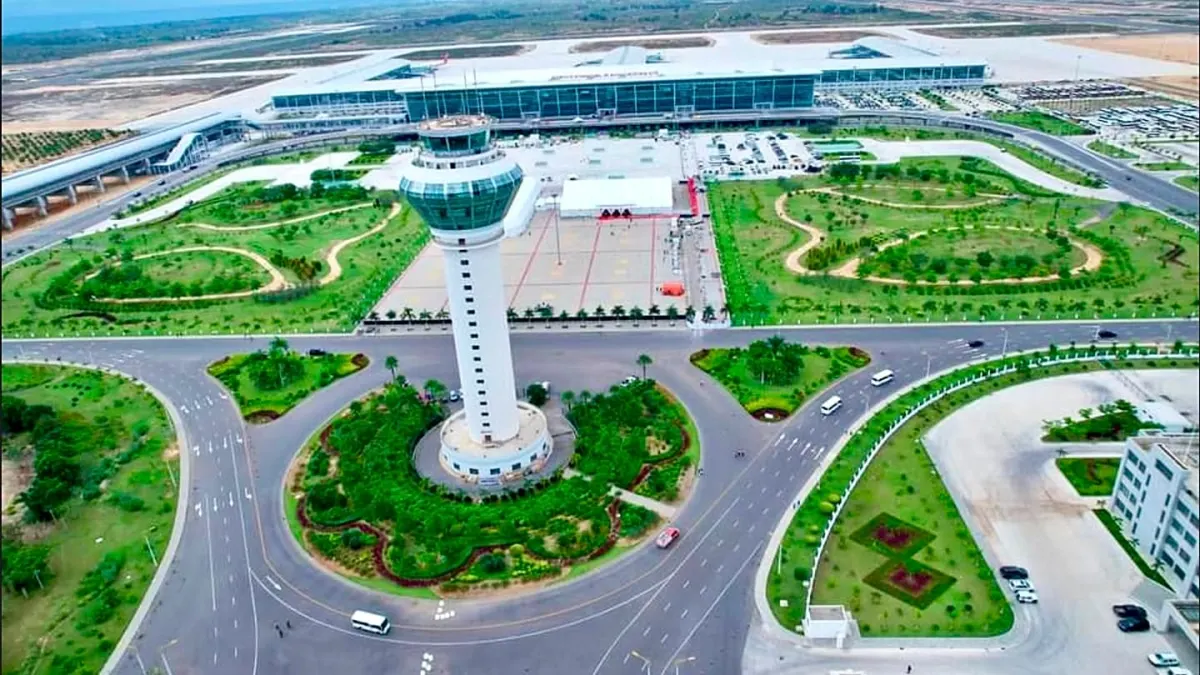
Turkish Airlines Exits Luanda as Angola Hub Struggles
Turkish Airlines dropped its Luanda route as Angola's new airport struggles to attract traffic, handling only 756,028 passengers in 2025.

Red Sea Airlines Leases Two 737 MAX 8s for 2027 Expansion
Red Sea Airlines signed a lease for two Boeing 737 MAX 8 aircraft from SMBC Aviation Capital, arriving in 2027 to support its 14-aircraft fleet goal.
Avelo CEO Warns Airfares May Rise on Jet Fuel Price Spikes
Avelo Airlines CEO Andrew Levy warns that rising fuel costs may force fare increases as global jet fuel prices reach $171.01 per barrel.