Airlines Slash Fares Amidst Jet Fuel Shortage

Co-Founder & CEOAviation News Editor delivering trusted coverage across the global aviation industry.
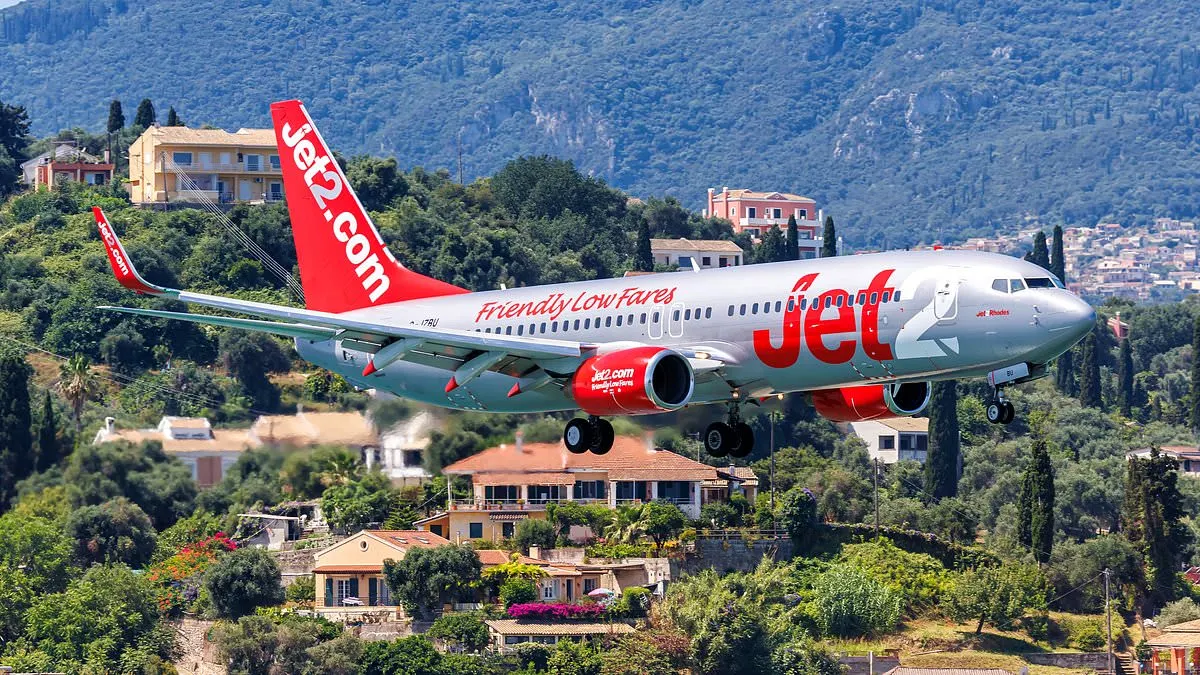
Airlines cut 2 million seats for May 2026 due to a jet fuel shortage, yet hedged carriers like Wizz Air are offering discounts to capture market share.
Key Takeaways
- •Global airlines cut 2 million seats for May 2026 due to fuel crisis.
- •Lufthansa cancels 20,000 short-haul flights through October 2026.
- •Hedged carriers like Wizz Air offer 15% discounts to gain market share.
A severe jet fuel shortage 2026 is forcing a dramatic split in the commercial aviation market, leading to widespread airline summer flight cuts even as some carriers offer aggressive discounts. While major airlines are grounding thousands of flights, well-hedged operators like Wizz Air and British Airways are launching sales, creating a volatile and unpredictable market for summer travel. Data from Cirium Aviation Analytics confirms that global airlines have removed 2 million seats and approximately 13,000 flights from their May 2026 schedules in response to soaring fuel costs.
The divergence in strategy highlights a critical vulnerability in airline operating models. Carriers without robust fuel hedging programs are fully exposed to price shocks, forcing immediate and deep capacity reductions. In contrast, airlines that locked in lower fuel prices months or years in advance now possess a significant competitive advantage. They are leveraging this stability not only to maintain their schedules but also to launch promotional fares, such as Wizz Air flight discounts of 15% and British Airways USA deals for under £580, aiming to capture market share from their struggling rivals.
The Impact on Major Carriers
The financial and operational strain is most visible among Europe's legacy carriers. Lufthansa has announced one of the most significant reductions, with Lufthansa flight cancellations totaling 20,000 short-haul flights through October 2026. According to the airline's schedule filings, these cuts primarily affect its CityLine regional subsidiary. The financial consequences of unhedged fuel exposure are stark. According to their latest financial guidance, Air France-KLM projects a $2.4 billion increase in its annual fuel bill, while American Airlines anticipates a staggering rise of over $4 billion.
This crisis is driven by a rapid spike in the price of Aviation Turbine Kerosene (ATK), the technical term for jet fuel, linked to recent geopolitical conflicts in the Middle East. The price surge has created a divide between airlines. Those with extensive hedging, like many Low-Cost Carriers (LCC), are insulated from the immediate impact. International Airlines Group (IAG), the parent company of British Airways, has historically maintained a strong hedging position, enabling it to offer competitive transatlantic fares despite the market turmoil. Conversely, airlines with less protection are forced to either pass costs to consumers via surcharges or cut capacity, with many choosing the latter to avoid suppressing demand further.
Regulatory Response and Market Dynamics
In response to the crisis, regulators are taking emergency measures. The UK Department for Transport (DfT) has temporarily suspended its stringent 80/20 'use-it-or-lose-it' airport slot rules. This allows airlines to cancel or consolidate under-booked flights to conserve fuel without forfeiting their valuable, historic take-off and landing slots. The move, detailed on the DfT's official site, is designed to provide operational flexibility and prevent airlines from flying near-empty planes simply to retain slots.
Simultaneously, the UK government has directed domestic refineries to maximize jet fuel production to avert what Goldman Sachs analysts have warned could become 'critically low levels' of fuel inventory. The UK is considered Europe's most exposed nation due to its high reliance on imported fuel.
The market is now defined by two opposing trends. First is route consolidation, where airlines combine flights or switch to smaller aircraft to improve fuel efficiency. Second is the use of dynamic fuel surcharges in heavily impacted regions. For example, South African carrier FlySafair has added surcharges of up to R800 per one-way ticket. These strategies contrast sharply with the price-cutting tactics of hedged LCCs, who see the crisis as an opportunity to expand their customer base.
Historical Context: Echoes of Past Crises
The current situation mirrors previous industry shocks. The 2008 global oil price spike, when crude oil hit $147 per barrel, triggered a wave of airline bankruptcies and sweeping capacity cuts. It also permanently altered airline economics with the introduction of ancillary fees, like checked baggage charges, as carriers sought new revenue streams. That crisis similarly saw well-prepared LCCs gain ground on legacy competitors.
More recently, the airspace closures and supply chain disruptions following the 2022 Russia-Ukraine war provided a clear example of how geopolitical events can instantly elevate airline operating costs. These historical precedents demonstrate a recurring pattern: sudden fuel cost spikes act as a catalyst, forcing operational discipline and accelerating market share shifts from vulnerable legacy carriers to more agile, financially prepared LCCs.
Technical Analysis
The 2026 jet fuel crisis is more than a temporary operational headache; it represents an aggressive stress test of airline business models. The data suggests a rapid acceleration of market share consolidation in favor of LCCs with sophisticated fuel hedging programs. While legacy carriers are forced into a defensive posture—cutting routes and absorbing billions in extra costs—hedged airlines are on the offensive, using their cost advantage as a marketing tool to build passenger loyalty. The regulatory intervention, particularly the suspension of UK slot rules, provides a crucial lifeline that prevents a complete collapse of network integrity. However, it is a temporary measure. The underlying financial health and strategic foresight of an airline, particularly its treasury and risk management functions, are proving to be the most critical factors for survival and growth in this volatile environment. This follows the trajectory set by the 2008 crisis but is amplified by the industry's fragile recovery state post-pandemic.
What Comes Next
The industry faces a critical period as it heads into the peak summer travel season of July-August 2026, which will serve as a major stress test for both fuel supplies and airline operational resilience. Airlines and passengers will be closely watching fuel price fluctuations, monitored by organizations like the International Air Transport Association (IATA). The temporary waiver on UK airport slot rules is expected to expire in October 2026, at which point airlines will face renewed pressure to operate their full schedules or risk losing their slots.
Why This Matters
This development reveals the profound impact of geopolitical events on airline stability and consumer travel plans. The starkly different responses to the fuel crisis—deep cuts versus aggressive discounts—underscore the growing divide between legacy and low-cost business models. For travelers, it signals a summer of uncertainty, where cheap fares may coexist with a higher risk of flight cancellations. For the aviation industry, this crisis could permanently alter the competitive landscape, rewarding airlines with strong financial planning and punishing those exposed to commodity market volatility.
Frequently Asked Questions
- Why are some airlines cutting flights while others offer discounts?
- Airlines facing the full impact of high jet fuel prices, like Lufthansa, are cutting flights to save costs. Airlines with strong fuel hedging policies, such as Wizz Air and easyJet, have locked in lower fuel prices and are using discounts to attract passengers and gain market share.
- How many flights were cut due to the 2026 jet fuel shortage?
- According to data from Cirium Aviation Analytics, global airlines cut approximately 13,000 flights, corresponding to two million seats, from their schedules for May 2026 alone. Lufthansa was significantly affected, removing 20,000 short-haul flights from its schedule through October 2026.
Stay ahead of the airline industry with commercial aviation news from omniflights.com. Track policy changes, airspace rules, and global aviation governance in the Regulatory category at omniflights.com/regulatory.
Written by Hardik Vishwakarma
Co-Founder & Aviation News Editor leading initiatives that improve trust and visibility across the global aviation industry. Covers airlines, airports, safety, and emerging technology.
Visit ProfileYou Might Also Like
Discover more aviation news based on similar topics
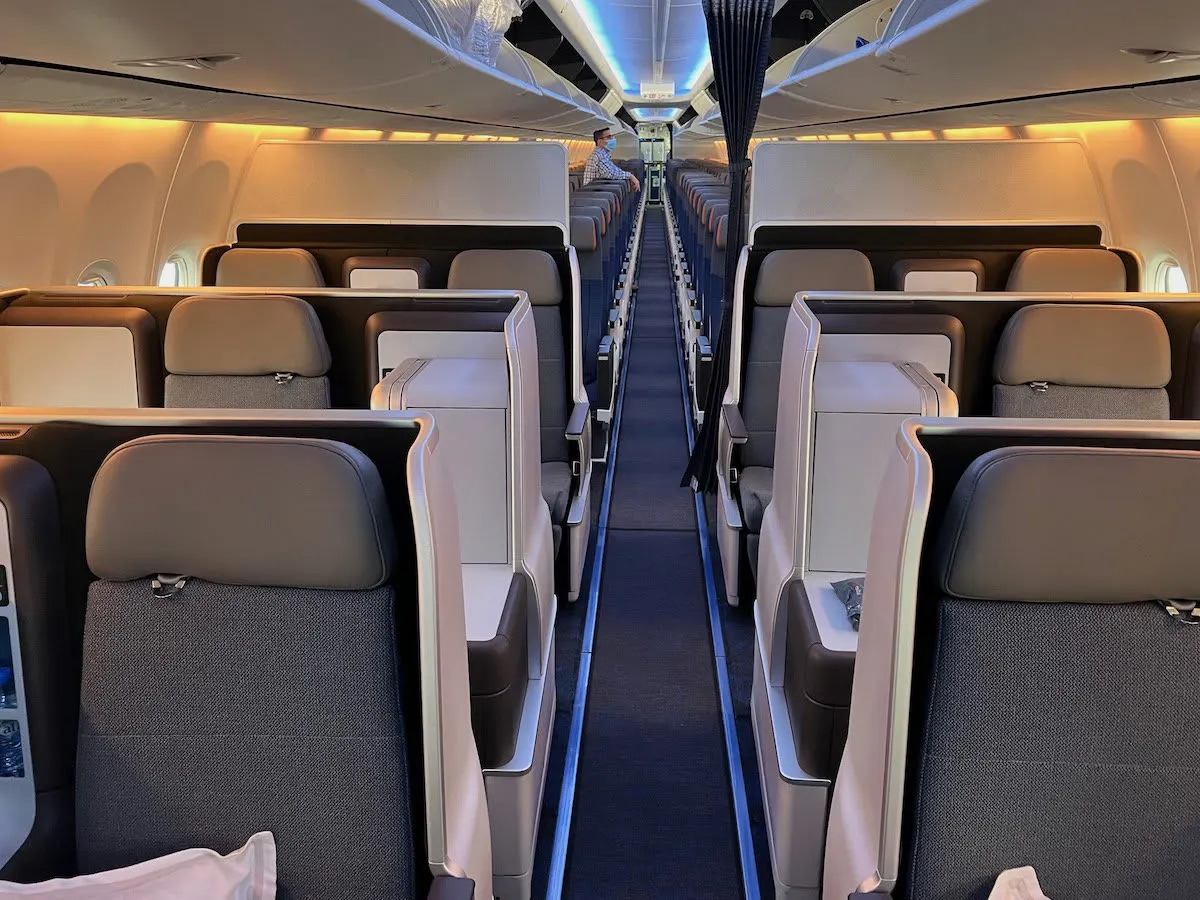
Flydubai Upgrading 21 Boeing 737 MAX 8s to Flat Bed Seats
Flydubai is retrofitting 21 Boeing 737 MAX 8 aircraft with lie-flat business class seats to standardize its premium product by late 2027.
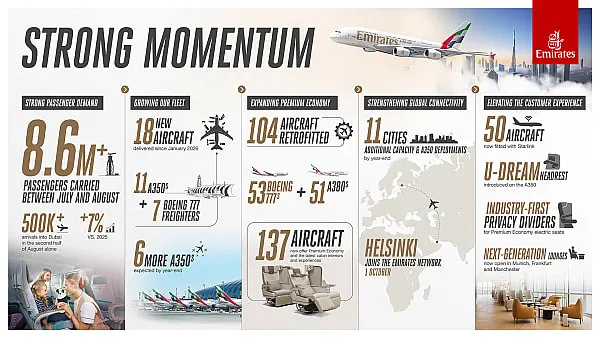
Emirates Winter Booking Momentum Grows Amid Fleet Expansion
Emirates carried 8.6 million passengers this summer and enters winter with strong demand as it accelerates fleet retrofits and network growth.
Air Arabia Consortium Gains AOC for New Dammam Budget Airline
A Saudi GACA-led consortium including Air Arabia has secured an AOC to launch a new budget airline based at Dammam's King Fahd International Airport.
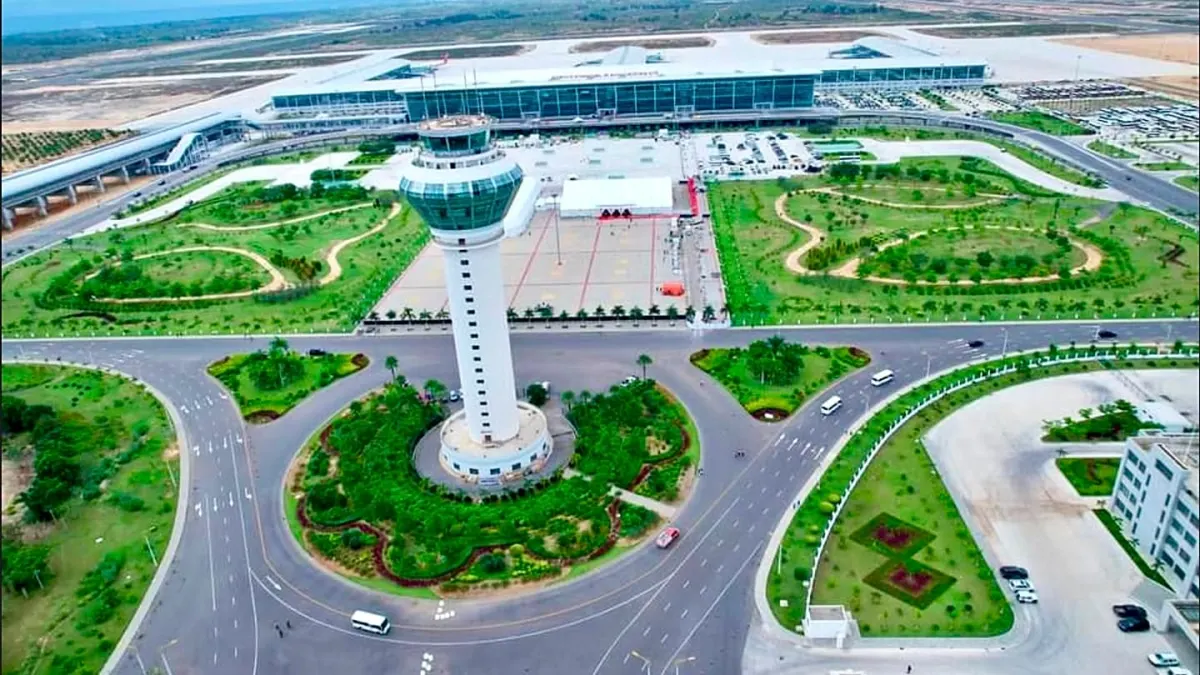
Turkish Airlines Exits Luanda as Angola Hub Struggles
Turkish Airlines dropped its Luanda route as Angola's new airport struggles to attract traffic, handling only 756,028 passengers in 2025.
Red Sea Airlines Leases Two 737 MAX 8s for 2027 Expansion
Red Sea Airlines signed a lease for two Boeing 737 MAX 8 aircraft from SMBC Aviation Capital, arriving in 2027 to support its 14-aircraft fleet goal.
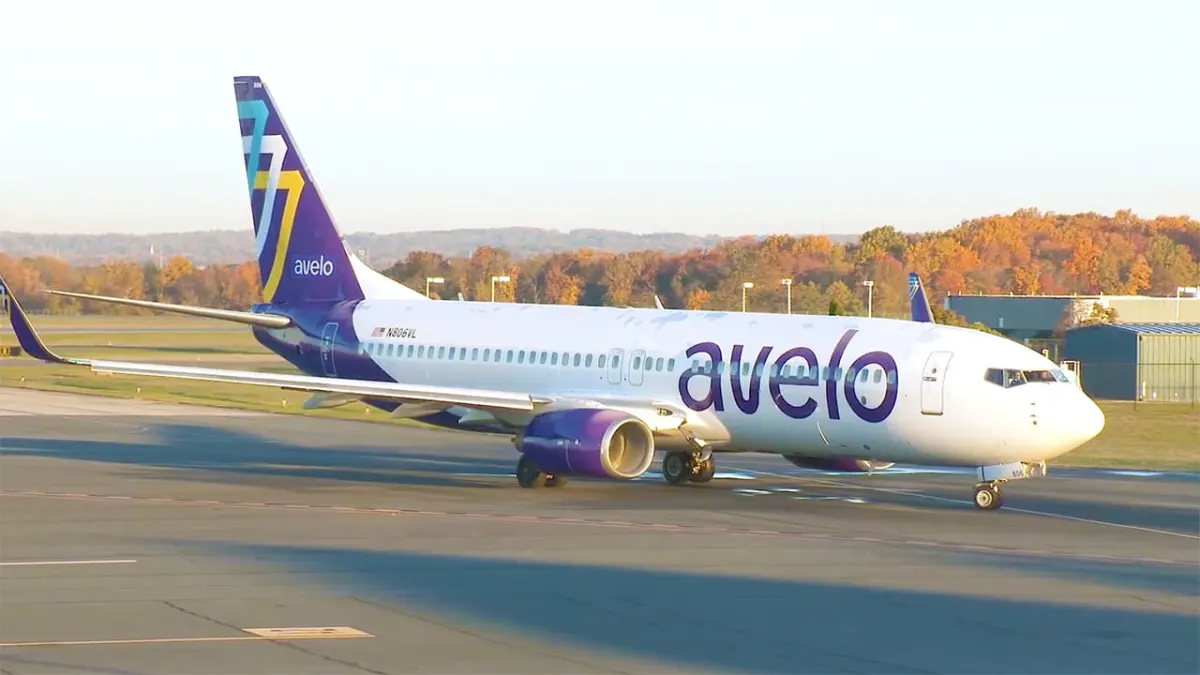
Avelo CEO Warns Airfares May Rise on Jet Fuel Price Spikes
Avelo Airlines CEO Andrew Levy warns that rising fuel costs may force fare increases as global jet fuel prices reach $171.01 per barrel.