United Warns of Brussels Strike, Expects Cancellations

Co-Founder & CEOAviation News Editor delivering trusted coverage across the global aviation industry.

United Airlines expects significant disruptions at its Brussels hub on May 12, with up to 50% of flights canceled due to a nationwide strike.
Key Takeaways
- •Expects up to 50% of departing flights at Brussels Airport to be canceled on May 12.
- •Issues a travel waiver for flights ticketed by May 4 for travel on May 11-12.
- •Affects an estimated 60,000 passengers due to a nationwide strike.
- •Faces the ninth national strike to affect Belgian air traffic in less than 18 months.
United Airlines is bracing for significant operational disruptions at its Brussels Airport (BRU) hub, warning passengers of widespread flight cancellations on May 12, 2026. The anticipated impact is a direct result of a planned Belgium nationwide strike, which will involve critical security and ground handling staff. The United Airlines Brussels strike contingency plan includes a travel waiver as the airport prepares for a near-halving of its operations, potentially affecting tens of thousands of travelers.
The disruption stems from a coordinated industrial action by Belgium's major trade unions, including the Algemeen Belgisch Vakverbond (ABVV), Algemeen Christelijk Vakverbond (ACV), and the Algemene Centrale der Liberale Vakbonden van België (ACLVB). Brussels Airport flight cancellations are expected to affect up to 50% of all departing flights, impacting an estimated 60,000 passengers, according to a statement from the Brussels Airport Company. Beyond the airport, the strike is also set to disrupt public transport, including services operated by the Société Nationale des Chemins de fer Belges (SNCB), the national railway company.
In response, United Airlines has issued a proactive United travel waiver Brussels (waiver code 7JCLM) to provide flexibility for its customers. The waiver applies to passengers ticketed by May 4, 2026, for travel to or from BRU on May 11 and May 12. Affected customers can rebook their travel for dates between May 5 and May 15, 2026, without incurring a change fee. This measure aims to mitigate the chaos expected on the day of the strike by encouraging passengers to alter their plans in advance.
Airport and Airline Response
The impact extends far beyond United. Brussels' home carrier, Brussels Airlines, announced it is canceling approximately 60% of its scheduled flights, which amounts to around 601 flights. The airport authority has been in close communication with airlines, formally requesting they limit the number of departing flights to manage the reduced staffing levels and maintain safety standards.
In an official statement, Brussels Airport confirmed the severity of the situation. "Together with all partners involved, Brussels Airport is working to ensure that as many flights as possible can still go ahead," the statement read. "Airlines have been asked to limit the number of departing passenger flights." The airport attributed the need for reductions to "a limitation on the available staffing levels within certain service providers," which necessitates that "just under half of the departing flights could go ahead."
This action is underpinned by Belgian regulations requiring a 'minimum service' during strikes at key airports, including Brussels, Charleroi, Antwerp, and Liège. However, the scale of the walkout by security and ground handling staff makes widespread cancellations unavoidable.
A Pattern of Disruption
This event is not an isolated incident but part of a recurring trend of industrial action in Belgium. The May 12 strike marks the ninth national trade union action to affect the country's air traffic in less than 18 months. This pattern has created a volatile operating environment for airlines and significant uncertainty for travelers.
A highly analogous event occurred just two months prior. The Belgian National Strike of March 12, 2026, organized by the same unions, resulted in the cancellation of all departing passenger flights from Brussels Airport, completely halting operations. This precedent provides a clear indication of the potential for a total shutdown if negotiations fail or participation is higher than anticipated. The situation also mirrors disruptions seen at other major European hubs, such as the February 2024 strikes by the Verdi union in Germany, where Lufthansa was forced to cancel over 1,000 flights, affecting more than 100,000 passengers at Frankfurt and Munich.
Broader Stakeholder Impact
The strike's ripple effects will be felt across multiple sectors. For corporate travel managers, the timing is particularly challenging, as mid-May marks the beginning of the summer conference season and is a busy period for European Union Council meetings in Brussels. Travelers are being forced into costly and inconvenient rerouting, often through alternate hubs like Paris (CDG) or Amsterdam (AMS).
Ground handling and security providers at BRU are caught between labor pressure and contractual obligations to airlines, facing potential financial penalties for service disruptions. In contrast, overland transport operators like Eurostar and Thalys are reporting a surge in last-minute bookings as passengers scramble for alternatives to avoid the anticipated airport chaos.
Technical Analysis
The recurring nature of these strikes in Belgium points to a deep-seated structural conflict between labor unions and the government over economic and social policies. The unions' position, articulated by the Joint Trade Union Front, is that workers have already made sufficient economic contributions and that it is time for "a fair contribution from the strongest shoulders." Conversely, the Brussels Airport Company has voiced concerns over the severe economic and reputational damage inflicted by these repeated actions. For international carriers like United, this environment transforms labor relations in a single European country into a significant, recurring operational risk. The airline industry's response, characterized by proactive schedule reductions and early waiver issuance, demonstrates a strategic shift from reactive damage control to preemptive mitigation in the face of predictable, high-impact disruptions.
What Comes Next
The strike is confirmed to commence on May 12, 2026, with disruptions expected to last the entire day. Passengers are strongly advised to check the status of their flight with their airline before traveling to the airport. The travel waiver issued by United Airlines will remain in effect for rebooking through May 15, 2026, providing a short window for travelers to adjust their itineraries.
Why This Matters
This event highlights the vulnerability of Europe's interconnected aviation network to localized industrial disputes. For international airlines, it underscores the necessity of sophisticated contingency planning to manage risks that are entirely outside of their control. For passengers, it serves as a reminder that travel through major European hubs can be subject to sudden and severe disruption, reinforcing the importance of flexible bookings and comprehensive travel insurance.
Frequently Asked Questions
- Why are flights at Brussels Airport being canceled on May 12, 2026?
- Flights are being canceled due to a nationwide strike in Belgium organized by major trade unions. The strike involves critical airport staff, including security and ground handling personnel, leading to significant operational disruptions and an expected 50% reduction in departing flights.
- What is United Airlines doing for passengers affected by the Brussels strike?
- United Airlines has issued a travel waiver (7JCLM) for affected passengers. This allows customers with flights to or from Brussels on May 11-12, ticketed by May 4, to change their travel plans without a fee for new flights scheduled between May 5 and May 15, 2026.
- How many flights are being canceled at Brussels Airport?
- Brussels Airport anticipates that up to 50% of all departing flights will be canceled on May 12. The airport's home carrier, Brussels Airlines, is canceling a larger portion of its own schedule, approximately 60%, which amounts to around 601 flights.
Visit omniflights.com for the latest commercial aviation news and airline industry updates. Track policy changes, airspace rules, and global aviation governance in the Regulatory category at omniflights.com/regulatory.
Written by Hardik Vishwakarma
Co-Founder & Aviation News Editor leading initiatives that improve trust and visibility across the global aviation industry. Covers airlines, airports, safety, and emerging technology.
Visit ProfileYou Might Also Like
Discover more aviation news based on similar topics

Flydubai Upgrading 21 Boeing 737 MAX 8s to Flat Bed Seats
Flydubai is retrofitting 21 Boeing 737 MAX 8 aircraft with lie-flat business class seats to standardize its premium product by late 2027.
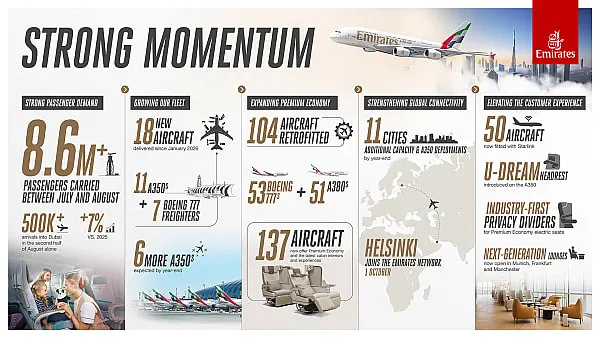
Emirates Winter Booking Momentum Grows Amid Fleet Expansion
Emirates carried 8.6 million passengers this summer and enters winter with strong demand as it accelerates fleet retrofits and network growth.
Air Arabia Consortium Gains AOC for New Dammam Budget Airline
A Saudi GACA-led consortium including Air Arabia has secured an AOC to launch a new budget airline based at Dammam's King Fahd International Airport.
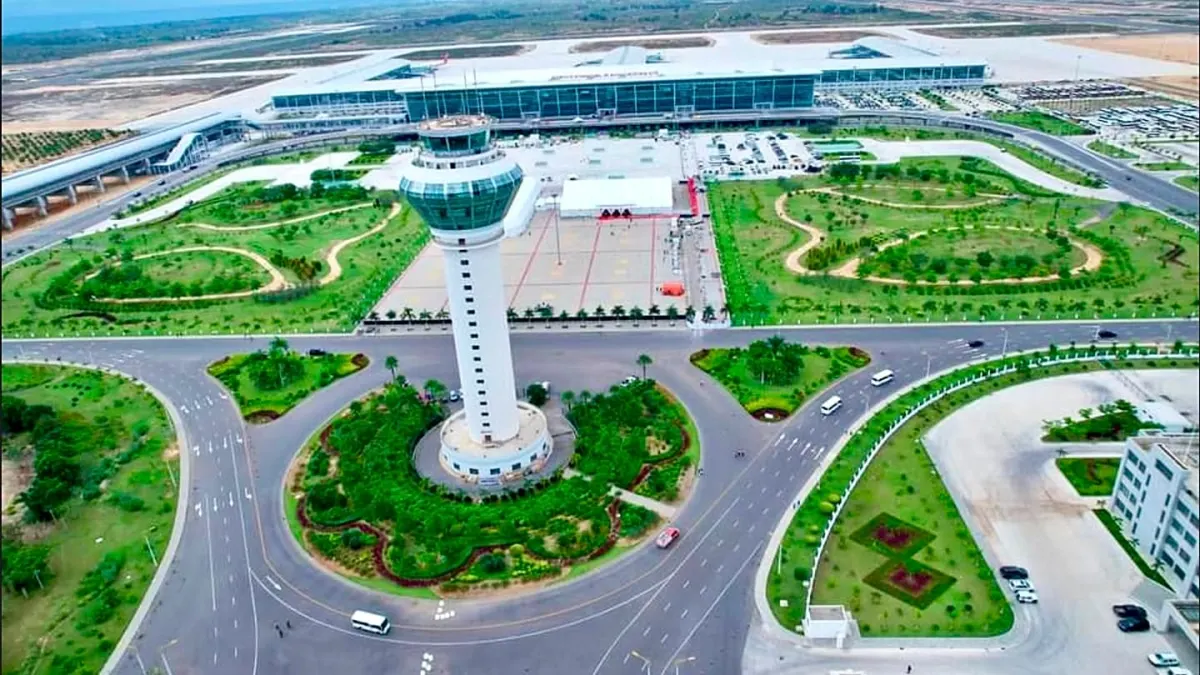
Turkish Airlines Exits Luanda as Angola Hub Struggles
Turkish Airlines dropped its Luanda route as Angola's new airport struggles to attract traffic, handling only 756,028 passengers in 2025.

Red Sea Airlines Leases Two 737 MAX 8s for 2027 Expansion
Red Sea Airlines signed a lease for two Boeing 737 MAX 8 aircraft from SMBC Aviation Capital, arriving in 2027 to support its 14-aircraft fleet goal.
Avelo CEO Warns Airfares May Rise on Jet Fuel Price Spikes
Avelo Airlines CEO Andrew Levy warns that rising fuel costs may force fare increases as global jet fuel prices reach $171.01 per barrel.