Malaysia Airlines Removes Passenger at Kuala Lumpur Over Harassment Claim

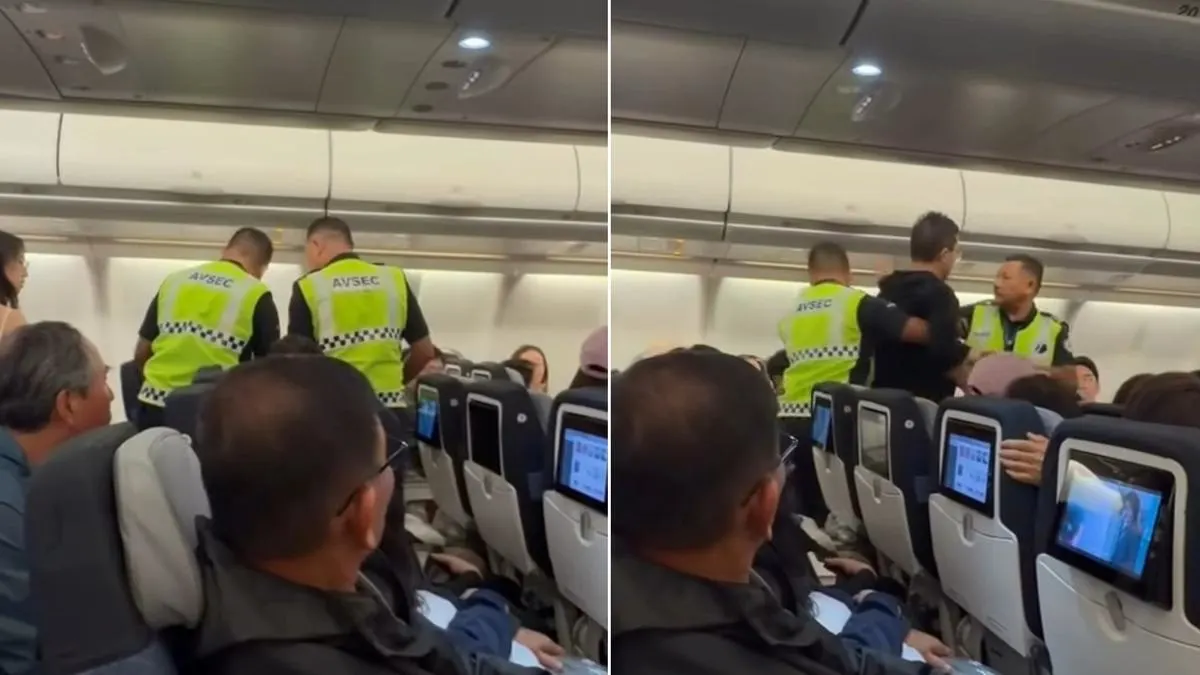
A Malaysia Airlines passenger was removed at Kuala Lumpur for allegedly groping a crew member, delaying flight MH318 amid a rise in unruly behavior.
Key Takeaways
- •Removed a passenger from Flight MH318, causing a 76-minute delay in Kuala Lumpur.
- •Highlights a global rise in unruly incidents, now at 1 per 480 flights per IATA data.
- •Reinforces zero-tolerance policies, with offenders facing severe legal action, including prison.
- •Exposed how operational issues like last-minute aircraft swaps can heighten passenger tensions.
A Malaysia Airlines passenger was removed from a flight at Kuala Lumpur International Airport (KUL) after allegedly groping a cabin crew member, highlighting the airline industry's ongoing struggle with in-flight sexual harassment and unruly passenger incidents. The removal delayed the Beijing-bound flight and required the intervention of airport security, underscoring the operational and safety challenges posed by passenger misconduct.
The incident occurred on Wednesday night aboard Flight MH318, an Airbus A330 preparing to depart for Beijing Daxing International Airport (PKX). According to witness accounts, a male passenger, believed to be a Chinese national, allegedly touched a female flight attendant inappropriately. When confronted by the crew, the passenger reportedly became agitated, denying the action constituted sexual harassment and bizarrely referencing the positive diplomatic relations between China and Malaysia.
Cabin crew de-escalated the situation by informing the man he would not be permitted to travel, and airport security officers subsequently boarded the aircraft to escort him off. The confrontation and removal process resulted in a significant operational disruption. According to flight tracking data, the flight, scheduled to depart at 11:40 p.m., was delayed by 1 hour and 16 minutes. The situation was reportedly compounded by pre-existing tensions from an earlier technical issue and a last-minute aircraft change, which had already caused seat reassignments and boarding delays.
A Rising Tide of In-Flight Misconduct
This event is not an isolated case but part of a troubling global trend. Data from the International Air Transport Association (IATA) shows a marked increase in unruly passenger behavior, with the reported rate rising to one incident for every 480 flights in 2023, up from one in 568 flights in 2022. Non-compliance, verbal abuse, and physical altercations have become more frequent, putting significant strain on cabin crew and threatening passenger safety.
Recent history provides stark examples of the severity and consequences of such behavior. In December 2025, a man was forcibly removed from a VietJet flight after he allegedly touched a female passenger's legs and then resisted security by going limp, requiring personnel to drag him from his seat. Similarly, in July 2025, the Australian Federal Police (AFP) charged a 36-year-old man with indecent assault following an incident on a flight from Los Angeles to Sydney. The man allegedly moved seats to sit next to a sleeping female passenger before touching her thigh and buttocks. Under Australian law, such an offense can carry a maximum penalty of seven years' imprisonment.
Regulatory and Operational Responses
Law enforcement agencies are adopting a zero-tolerance stance. "No one on an aircraft should feel unsafe because of the behaviour of other travellers and if someone has committed an offence, the AFP will take action," stated AFP Detective Inspector Dom Stephenson in a media release regarding the LAX-Sydney incident. This position is supported by an evolving international legal framework. The Montreal Protocol 2014 (MP14) amends the Tokyo Convention, closing jurisdictional loopholes by giving the destination country's authorities the right to prosecute unruly passengers, regardless of where the aircraft is registered.
The immediate impact of these incidents falls heavily on several key stakeholders. Cabin crew face increased risk of workplace harassment and are on the front lines of managing passenger confrontations. For airlines like Malaysia Airlines, the consequences include costly operational delays and potential damage to their reputation. Airport security and law enforcement are also required to intervene more frequently, necessitating specialized training to handle tense situations within the confined space of an aircraft cabin.
Technical Analysis
The pattern of rising in-flight misconduct, particularly incidents of a sexual nature, reflects a broader societal issue now manifesting in the unique, high-stress environment of air travel. The MH318 incident underscores how pre-existing operational stressors—such as last-minute aircraft swaps and boarding chaos—can act as catalysts, exacerbating passenger frustration and potentially triggering confrontations. While international regulations like MP14 provide a stronger legal backbone for prosecution, the primary challenge remains effective enforcement and deterrence. Airlines and airports are increasingly investing in de-escalation training for crew and ground staff, but the data suggests the problem is outpacing these mitigation efforts. This trend forces a difficult conversation about passenger responsibility, alcohol consumption policies, and the adequacy of current security protocols for preventing and managing misconduct before it escalates.
Why This Matters
This incident is significant because it represents a microcosm of a larger, systemic problem threatening the safety and well-being of both airline crew and the traveling public. It highlights the direct link between passenger behavior and operational stability, demonstrating how a single act of misconduct can cause significant delays and require security intervention. For the aviation industry, it reinforces the urgent need for consistent enforcement of zero-tolerance policies and continued international cooperation to ensure that offenders face real legal consequences, thereby protecting the integrity of the air travel environment.
Frequently Asked Questions
- Why was Malaysia Airlines flight MH318 delayed?
- Flight MH318 was delayed by 1 hour and 16 minutes at Kuala Lumpur International Airport after a passenger was removed for allegedly groping a female flight attendant before takeoff. The incident required intervention from airport security.
- Are unruly passenger incidents becoming more common in aviation?
- Yes, according to the International Air Transport Association (IATA), the rate of unruly passenger incidents increased in 2023 to one incident for every 480 flights. This is a rise from the 2022 rate of one in 568 flights.
- What are the legal consequences for in-flight sexual harassment?
- Passengers can face severe legal action, including removal from the flight and criminal charges. For example, Australian law allows for penalties up to seven years' imprisonment for acts of indecency on flights, and international protocols like MP14 help ensure offenders can be prosecuted.
Stay ahead of the airline industry with commercial aviation news from omniflights.com. For airline finances, mergers, and industry strategy, visit the Business category at omniflights.com/business.

Written by Hardik Vishwakarma
Co-Founder & Aviation News Editor leading initiatives that improve trust and visibility across the global aviation industry. Covers airlines, airports, safety, and emerging technology.
Visit ProfileYou Might Also Like
Delta Delays Atlanta-Riyadh Launch After Airport Attack
Riyadh Airport Missile Strike Leaves 12 Dead
Avianca Flight AV42 Diverts to Miami After Turbulence
FAA Issues Saudi Arabia Flight Caution After Riyadh Attack
King Khalid International Airport Hit by Second Terror Attack