Lufthansa's First Boeing 777-9 Completes Maiden Flight

Co-Founder & CEOAviation News Editor delivering trusted coverage across the global aviation industry.
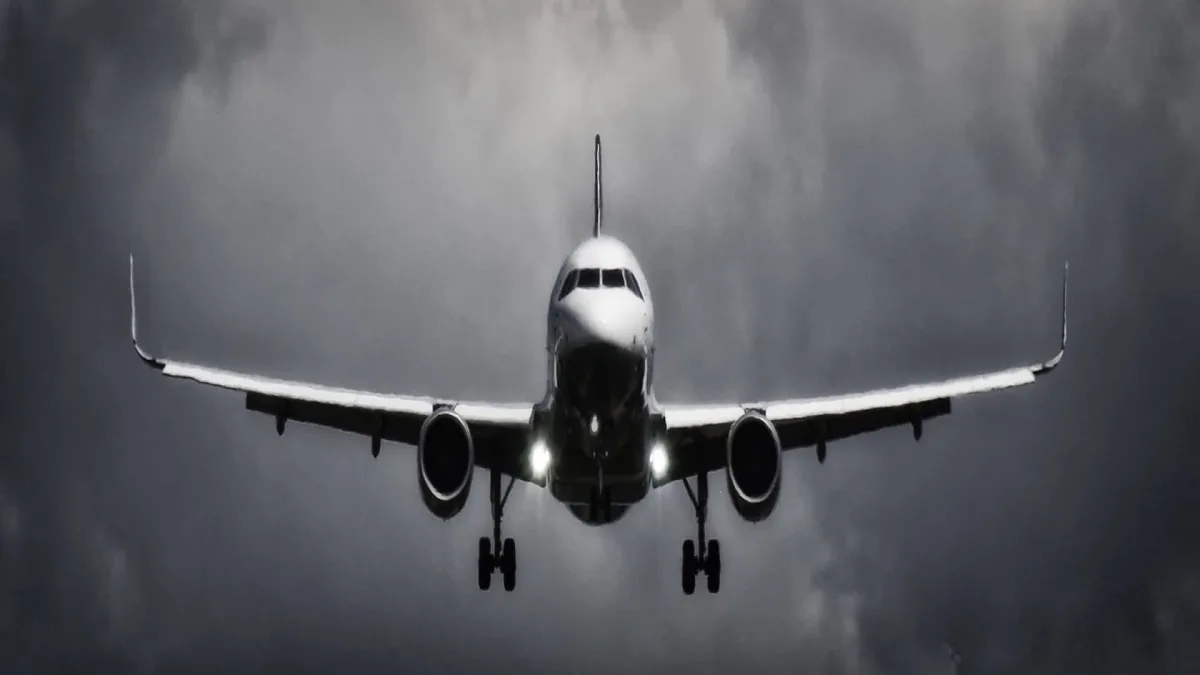
The first production Boeing 777-9 for Lufthansa has completed its inaugural flight, a key step for the delayed 777X certification program.
Key Takeaways
- •First Lufthansa Boeing 777-9 completes its maiden flight.
- •Program faces a 7-year delay and over $15B in charges.
- •FAA certification is targeted for late 2026, delivery in 2027.
- •Lufthansa has 20 firm orders for the new widebody aircraft.
The first production Boeing 777-9 destined for launch customer Lufthansa has successfully completed its maiden flight, a significant milestone for the long-delayed widebody program. The aircraft, registered as N20080, took off from Everett, Washington, on May 7, 2026, for a flight lasting approximately three hours. This event marks a critical step forward in the Boeing 777X certification process, signaling tangible progress toward the first Lufthansa 777X delivery.
The flight is a crucial development for a program that has faced substantial headwinds. According to Boeing's Q1 2026 earnings release, the 777X program is delayed by approximately seven years from its original 2020 service entry target and has accumulated over $15 billion in pre-tax charges. This first flight of a customer-bound airframe provides a much-needed boost of confidence for Boeing and its airline partners.
Regulatory Hurdles and Timeline
The path to certification remains rigorous. On March 17, 2026, the Federal Aviation Administration (FAA) cleared the 777-9 for Type Inspection Authorization (TIA) Phase 4A testing. This phase is a critical part of the certification process, allowing FAA pilots to participate directly in integrated flight tests to validate the aircraft's systems and performance. The data gathered during these flights is essential for final type certification, which Boeing expects to achieve in the second half of 2026. More information on regulatory processes can be found via the FAA Airworthiness Directives portal.
Following FAA approval, the European Union Aviation Safety Agency (EASA) must conduct its own validation before Lufthansa can operate the aircraft in European airspace. This dual-certification requirement reflects the heightened regulatory scrutiny applied to new aircraft designs, a direct consequence of the issues that plagued the 737 MAX program.
Industry commentary reflects a mix of relief and caution. While the flight is a positive sign, airline executives remain wary of further schedule slips. Lufthansa's CEO has stated an expectation for first deliveries in the first quarter of 2027, aligning with Boeing's current guidance. However, other major customers like Emirates, the largest 777X buyer, have publicly expressed frustration over the repeated delays and their impact on fleet planning.
Fleet Modernization and Industry Impact
For Lufthansa, the arrival of the 777-9 is a cornerstone of its long-haul fleet modernization strategy. The German flag carrier has 20 firm orders for the aircraft, which are intended to replace its aging and less fuel-efficient four-engine Boeing 747-400s. The delay has forced Lufthansa to keep these older aircraft in service longer than planned, incurring higher maintenance and fuel costs.
The program's seven-year delay has had a cascading effect across the industry. GE Aerospace, the exclusive engine provider with its General Electric 9X (GE9X) turbofans, has seen delayed revenue from engine sales and service contracts. Conversely, rival manufacturer Airbus has capitalized on the situation, securing additional orders for its A350-1000 from airlines needing immediate widebody capacity. Details on Lufthansa's fleet strategy are often updated through their Lufthansa Group Investor Relations page.
This situation is not without precedent. The Boeing 787 Dreamliner program faced over three years of delays before its first flight in December 2009, eventually entering service in 2011. Similarly, the Airbus A380 experienced a two-year delay in the mid-2000s due to complex manufacturing issues, highlighting the immense challenges of developing flagship widebody aircraft.
Boeing 777-9 vs Airbus A350-1000
The Boeing 777-9 is set to compete directly with the Airbus A350-1000 at the top end of the twin-engine market. Below is a comparison of their key specifications.
| Metric | Boeing 777-9 | Airbus A350-1000 |
|---|---|---|
| Length | 251 ft 9 in (76.72 m) | 242 ft 1 in (73.79 m) |
| Typical 2-Class Capacity | 426 passengers | 350-410 passengers |
| Range | 7,285 nmi (13,500 km) | 8,700 nmi (16,112 km) |
Technical Analysis
The maiden flight of Lufthansa's first 777-9 is more than a symbolic event; it represents a critical de-risking milestone for the entire 777X program. After years of setbacks related to engine development, structural testing, and certification complexities, the successful flight of a production-standard aircraft provides tangible evidence that the program is advancing through its final development phases. The heightened regulatory environment post-737 MAX has fundamentally changed the certification landscape, making this progress particularly significant. Unlike the 787's supply chain issues, the 777X's delays are heavily rooted in satisfying stricter FAA and EASA validation requirements for complex systems. The program's ultimate success will depend on Boeing's ability to maintain this momentum, avoid further delays, and efficiently ramp up production to meet the demands of key customers like Lufthansa and Emirates.
What Comes Next
With the first production aircraft now in flight testing, the program's focus shifts to completing the rigorous certification campaign. Key milestones on the horizon include:
- FAA Type Certification: Expected in the second half of 2026, subject to the successful completion of all required flight tests and data analysis.
- First Delivery to Lufthansa: Targeted for the first quarter of 2027, which will mark the official entry of the aircraft into the global fleet.
- Entry into Commercial Service: Lufthansa is expected to begin passenger flights with the 777-9 in the summer of 2027, following crew training and route-proving operations.
Further details on the aircraft can be found on the official Boeing 777X Program Page.
Why This Matters
This development is significant for several reasons. For Boeing, it is a crucial step toward restoring confidence in its ability to execute complex development programs and generate revenue from its next-generation widebody. For airlines like Lufthansa, it signals the approaching renewal of their long-haul fleets with more fuel-efficient aircraft. For the broader aviation industry, the 777-9's entry into service will be a key indicator of the market's health and direction for large-capacity, long-range aircraft in a post-pandemic world.
Frequently Asked Questions
- When is the Boeing 777-9 expected to be delivered to Lufthansa?
- Boeing and Lufthansa are targeting the first delivery of the 777-9 in the first quarter of 2027, with commercial service expected to begin in the summer of 2027, subject to regulatory certification.
- Why has the Boeing 777X program been delayed?
- The Boeing 777X program has been delayed by approximately seven years due to a combination of development challenges, issues with its GE9X engines, and heightened regulatory scrutiny from the FAA following the 737 MAX incidents.
- How many Boeing 777-9 aircraft has Lufthansa ordered?
- Lufthansa has placed twenty firm orders for the Boeing 777-9 passenger aircraft. These new planes are intended to replace the airline's older, four-engine Boeing 747-400 fleet.
Visit omniflights.com for the latest commercial aviation news and airline industry updates. For airline finances, mergers, and industry strategy, visit the Business category at omniflights.com/business.
Written by Hardik Vishwakarma
Co-Founder & Aviation News Editor leading initiatives that improve trust and visibility across the global aviation industry. Covers airlines, airports, safety, and emerging technology.
Visit ProfileYou Might Also Like
Discover more aviation news based on similar topics

Boeing 777X Testing Spills Into 2027 Amid Certification Hurdles
Boeing expects some 777X testing to extend into 2027, though the manufacturer maintains its target for the first delivery of the aircraft that year.

Airbus A350F Completes Ground Tests Before Maiden Flight
Airbus has finished initial ground tests for the A350F, with the freighter set for a late 2026 maiden flight and a 2027 entry into service.
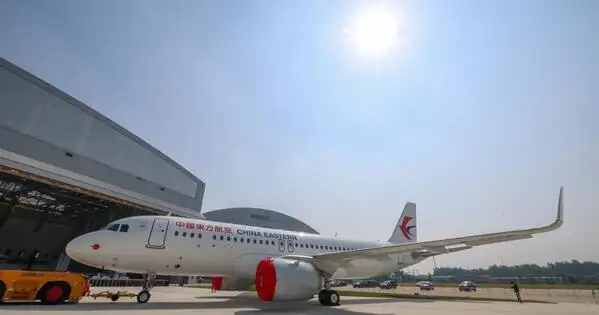
Airbus Delivers First A320neo From New Tianjin FAL
China Eastern Airlines took delivery of the first A320neo from Airbus's second Final Assembly Line in Tianjin, marking a key industrial milestone.
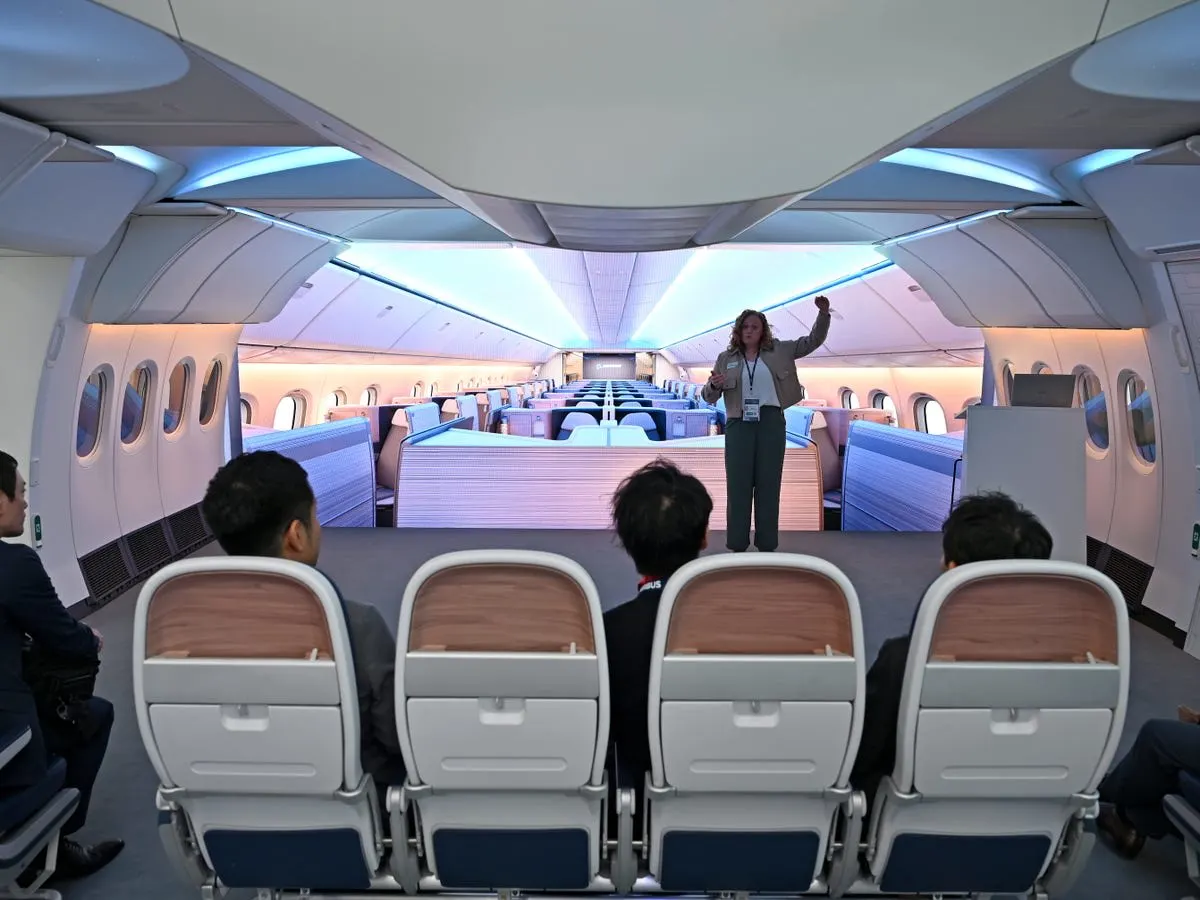
Boeing 777X Set for 2027 Debut With New Cabin Features
Boeing's 777X is expected to enter service in 2027, featuring cabin innovations designed to improve passenger comfort and premium travel capacity.
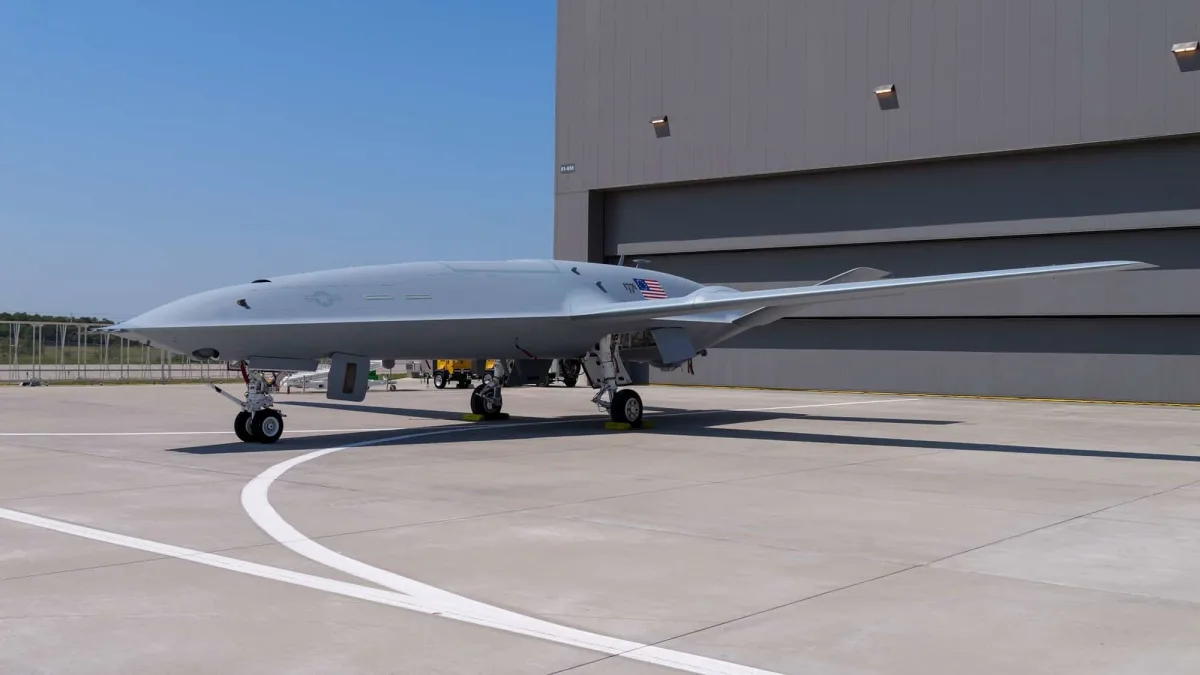
Boeing Awarded $562M Contract for MQ-25 Stingray Production
The U.S. Navy awarded Boeing a $562 million contract for the first three MQ-25 Stingray unmanned aerial refueling tankers, with deliveries expected in...

Boeing Logs 15 Gross Orders Including 13 787 Dreamliners
Boeing recorded 15 gross orders in August 2026, featuring 13 widebody 787 Dreamliner commitments from undisclosed customers.