Lufthansa Sees Asia & Africa Demand Surge Amid Middle East Conflict

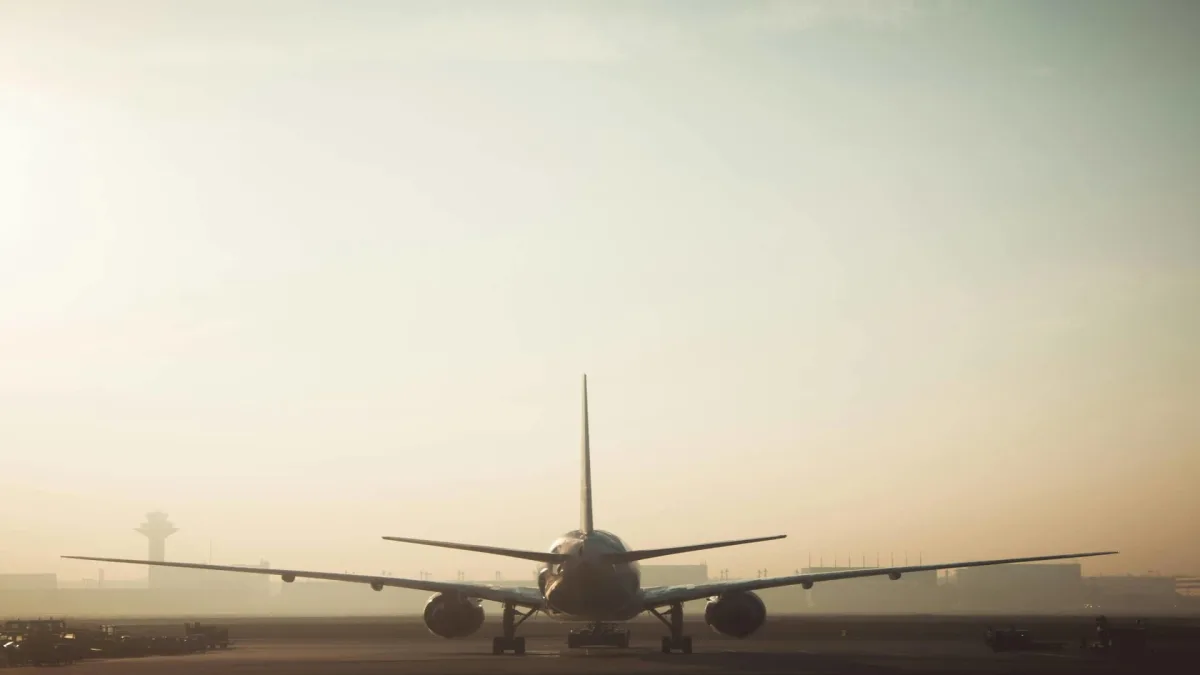
Lufthansa Group is experiencing a surge in demand for Asia and Africa flights as the Middle East conflict forces network and capacity adjustments.
Key Takeaways
- •Reports a 75% year-over-year surge in April bookings to Asia amid geopolitical shifts.
- •Redirects capacity after suspending flights to 10 Middle East destinations.
- •Plans a 6% increase in overall long-haul service capacity for 2026.
- •Cites geopolitical risk in the Persian Gulf as a major factor altering global traffic flows.
Lufthansa Group is experiencing a significant shift in global travel patterns, reporting an "enormous" increase in demand for flights to Asia and Africa. The surge comes as the ongoing conflict in the Middle East forces widespread airline route adjustments and airspace closures, prompting the German carrier to reallocate capacity. According to a statement by CEO Carsten Spohr on March 6, 2026, bookings to Asia for the upcoming month of April are up 75% compared to the previous year.
This spike in demand on alternative north-south and east-west corridors is a direct consequence of the disruption to traditional routes over the Persian Gulf. In response to the conflict, Lufthansa Group has suspended flights to 10 destinations in the Middle East. The resulting network changes are part of a broader industry trend where carriers are rerouting long-haul flights between Europe and Asia to avoid restricted airspace. These detours, which can add up to two hours of block time per rotation, are creating new opportunities for European hubs.
Shifting Global Routes and Capacity
The conflict has significantly impacted the operations of major Gulf carriers, creating a capacity vacuum that European airlines are moving to fill. Lufthansa Group CFO Till Streichert noted the airline is seeing an "enormous increase in demand on our Asia and Africa routes due to the situation in the Persian Gulf." To meet this new demand, the airline group plans to increase its long-haul service capacity by 6% in 2026, redirecting aircraft previously allocated to the Middle East.
Industry analysis shows that airlines are diverting flights north via Turkey and the Caucasus or south over Egypt and Saudi Arabia. This rerouting is not only a logistical challenge but also a strategic one. CEO Carsten Spohr commented, "The war in the Middle East proves once again how exposed air traffic is and how vulnerable it remains." He added, "The massive concentration of global traffic flows via the Gulf hubs is increasingly proving to be a geopolitical Achilles' heel."
Lufthansa is adding frequencies to destinations including Singapore, Bangkok, key cities in India and China, and Johannesburg. This flight capacity reallocation allows the carrier to capture traffic that would have otherwise transited through hubs like Dubai and Doha, which are now facing operational constraints. Data from CAPA - Centre for Aviation/OAG indicates the Middle East typically accounts for 4.6% of total international departing seats from Europe, a significant market segment now being redistributed.
Financial Performance and Outlook
The operational shifts are occurring against a backdrop of solid financial performance for the airline group. According to its 2025 financial results, Lufthansa Group reported a full-year revenue of €39.6 billion, a 5% increase from the previous year. The group’s adjusted EBIT (Earnings Before Interest and Taxes) for 2025 was €2 billion, marking a 17% rise from 2024.
The operating margin for the group also improved, reaching 4.9% in 2025, up from 4.4% in 2024. This financial stability provides a crucial buffer as the airline navigates increased operational costs stemming from the conflict. A surge in oil prices, with Brent crude futures jumping over 20% in the week following the escalation, has raised costs across the industry. However, Lufthansa's annual report shows the airline is 85% hedged for fuel costs as of December 31, 2025, mitigating some of the immediate financial impact from price volatility.
Why This Matters
This development highlights the aviation industry's sensitivity to geopolitical instability and the strategic importance of network flexibility. For Lufthansa, the crisis presents a significant opportunity to capture market share from disrupted Gulf carriers and solidify its hubs as key transit points between Europe, Asia, and Africa. For the broader industry, it underscores the risks of over-reliance on a single geographic corridor for global transit and may accelerate a trend toward more diversified long-haul routing strategies.
Access up-to-date commercial aviation news and airline industry developments via omniflights.com. Discover how innovation is shaping aviation through aircraft systems, avionics, and digital tools at omniflights.com/technology.

Written by Ujjwal Sukhwani
Aviation News Editor & Industry Analyst delivering clear coverage for a worldwide audience. Covers flight operations, safety regulations, and market trends with expert analysis.
Visit ProfileYou Might Also Like

Southwest Reports Record Q3 Revenue Amid Transformation
American Airlines Reports Record Q3 Revenue Amid Fuel Costs
American Airlines Projects 2026 Loss on Rising Fuel Costs
American Airlines to Nearly Triple Premium 787-9 Fleet
Airline Shares Rise Following United Revenue Guidance