Boeing CEO Joins Trump's China Visit for 737 MAX Order

Co-Founder & CEOAviation News Editor delivering trusted coverage across the global aviation industry.
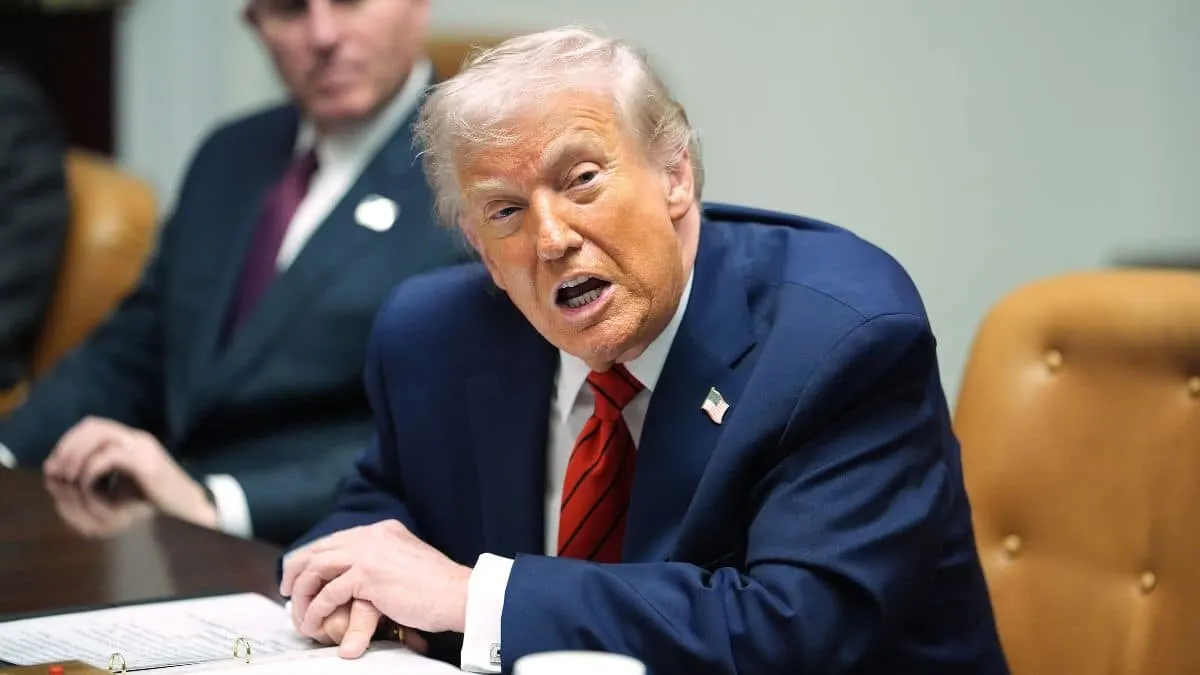
Boeing CEO Kelly Ortberg joins President Trump's China visit, aiming to finalize a landmark order for approximately 500 Boeing 737 MAX aircraft.
Key Takeaways
- •Boeing CEO joins Trump's China visit for potential 500-jet order.
- •Deal would be China's first major Boeing order since 2017.
- •Talks focus on 500 737 MAX jets and dozens of widebodies.
- •Nvidia CEO excluded as focus shifts to aviation and agriculture.
A potential landmark Boeing 737 MAX China order is a central focus of President Donald Trump's state visit to China this week, with Boeing CEO Kelly Ortberg joining a high-profile delegation of American business leaders. The talks are expected to center on a deal for approximately 500 Boeing 737 MAX aircraft and dozens of widebody jets, a development that could break a years-long freeze on major orders from China for the U.S. manufacturer and significantly influence US China aviation trade relations.
The delegation includes prominent figures such as Apple's Tim Cook and Tesla's Elon Musk, but the presence of Ortberg is particularly critical. If finalized, the agreement would represent China’s first major aircraft purchase from Boeing since 2017 and could rank among the largest single aircraft deals in commercial aviation history. The visit aims to expand trade and investment cooperation, with aviation being a primary component alongside agriculture and energy.
Background on Negotiations
Industry discussions have pointed toward a massive order comprising around 500 Boeing 737 MAX (MAX) family aircraft, supplemented by an unspecified number of widebody jets. These widebodies are expected to be powered by engines from General Electric (GE Aerospace), whose CEO Larry Culp is also part of the delegation. The deal's structure underscores a strategic push to address the fleet modernization needs of Chinese carriers, which are looking to replace aging widebody aircraft.
The negotiations are highly dependent on diplomatic goodwill. In an April statement, Ortberg highlighted the necessity of government backing, stating, "Without the administration's support, I don't think we'll see any near-term large orders out of China." This sentiment is reinforced by the regulatory landscape in China, where the National Development and Reform Commission (NDRC) must approve all major fleet acquisitions by state-owned airlines. Consequently, such mega-orders are intrinsically linked to the political climate, a fact further detailed in Boeing's official announcements.
The focus on commercial aviation and agriculture is deliberate. The White House reportedly excluded Nvidia CEO Jensen Huang from the trip to concentrate on these sectors over artificial intelligence and semiconductors. This decision comes despite Trump's approval of exports for the Nvidia H200 Tensor Core GPU (H200) to China, which have faced regulatory hurdles within Beijing. The export of such advanced technology is governed by the U.S. Department of Commerce's Bureau of Industry and Security, which maintains strict controls.
Historical Context and Geopolitical Leverage
This potential order follows a well-established pattern of China using large aircraft purchases as a tool of statecraft. The most direct precedent is President Trump's own state visit in November 2017, which resulted in a $37 billion agreement for 300 Boeing aircraft. That deal was the last significant order from China before a downturn in relations and the global grounding of the 737 MAX led to a multi-year pause.
More recently, French President Emmanuel Macron's visit in April 2023 secured an order for 160 Airbus aircraft, demonstrating Europe's success in leveraging diplomatic visits for commercial gain. For years, China has strategically balanced its orders between Airbus and Boeing, but trade tensions meant Boeing received no major state orders between 2018 and 2024. This new deal could signal a rebalancing of that dynamic.
A320neo vs 737 MAX 8: Key Specifications
| Metric | Boeing 737 MAX 8 | Airbus A320neo |
|---|---|---|
| Typical Capacity | 162-178 seats | 165-180 seats |
| Range | 3,500 nm | 3,400 nm |
| Engine Options | CFM LEAP-1B (Exclusive) | CFM LEAP-1A or P&W GTF |
Industry and Stakeholder Impact
A deal of this magnitude would have significant ripple effects across the global aerospace industry. For Airbus, Boeing securing a 500-aircraft backlog in its key Chinese market would represent a major competitive setback, potentially slowing the European manufacturer's momentum in the region's narrowbody segment.
Conversely, the impact on CFM International, a joint venture between GE and Safran Aircraft Engines, would be overwhelmingly positive. As the exclusive engine provider for the entire 737 MAX family with its LEAP-1B engine, a 500-jet order would translate into a 1,000-engine production commitment, massively boosting its order book.
Domestically, the deal presents a complex challenge for China's own aerospace champion, COMAC. While Chinese airlines need new aircraft, a large commitment to Boeing jets increases competition for the homegrown C919 narrowbody. However, some analysts argue that the C919's production rate is not yet sufficient to meet China's enormous demand for new aircraft, making continued reliance on Boeing and Airbus a necessity for the foreseeable future.
What Comes Next
The primary milestone following the summit is the official confirmation of the aircraft order. While subject to final negotiations, an announcement from Boeing and the Chinese government is expected in May 2026. The final terms, including delivery timelines and the specific mix of 737 MAX variants and widebody models, will be detailed at that time. The successful completion of this deal will be a key indicator of the trajectory of broader U.S.-China economic relations.
Why This Matters
This potential aircraft order transcends a simple commercial transaction; it is a powerful symbol of economic diplomacy and a critical test for the U.S.-China trade relationship. For Boeing, it offers a chance to reclaim lost ground in the world's most important aviation growth market, securing its production pipeline for years. For China, it is a pragmatic solution to pressing fleet renewal needs while also serving as a significant diplomatic gesture. The outcome will reverberate through the global aerospace supply chain and set the tone for international industrial competition.
Frequently Asked Questions
- How many aircraft are in the potential Boeing deal with China?
- The potential deal involves approximately 500 Boeing 737 MAX narrowbody aircraft and dozens of widebody jets. If finalized, it would be China's first major Boeing order since 2017.
- Why was the Boeing CEO part of the US presidential visit to China?
- Boeing CEO Kelly Ortberg joined the delegation to help finalize a long-awaited aircraft order. The deal is highly dependent on diplomatic relations, and government support is seen as critical to securing the agreement with Chinese state-owned airlines.
- What was the last major Boeing aircraft order from China?
- The last major Boeing order from China was in November 2017, during a previous state visit. That agreement was for 300 aircraft and was valued at $37 billion at list prices.
From airline operations to fleet updates, commercial aviation news lives at omniflights.com. From aircraft production to supply chains, commercial aviation manufacturing news is covered at omniflights.com/manufacturing.
Written by Hardik Vishwakarma
Co-Founder & Aviation News Editor leading initiatives that improve trust and visibility across the global aviation industry. Covers airlines, airports, safety, and emerging technology.
Visit ProfileYou Might Also Like
Discover more aviation news based on similar topics
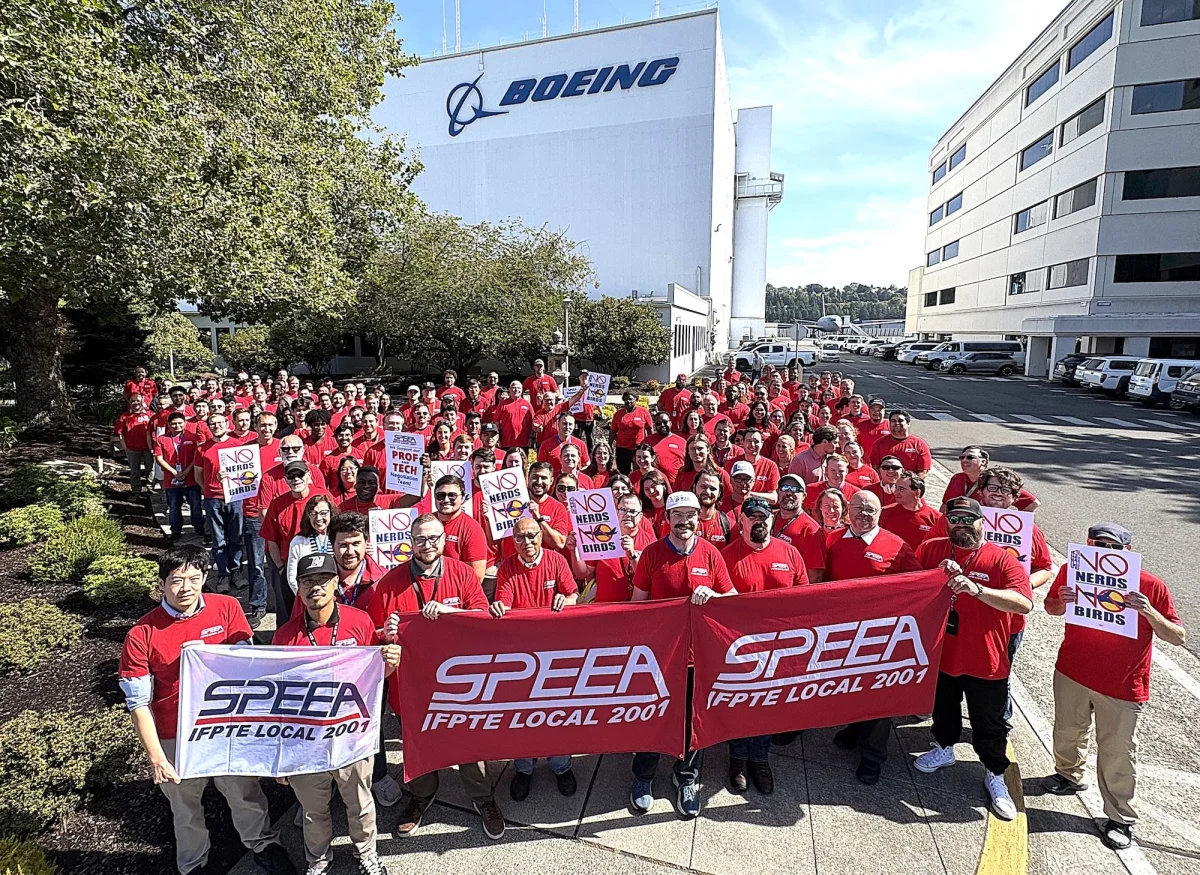
Boeing Tightens Spending Ahead of Critical SPEEA Union Vote
Boeing has implemented spending controls and a hiring freeze as it faces a critical contract ratification vote with its 17,000-member engineering union.
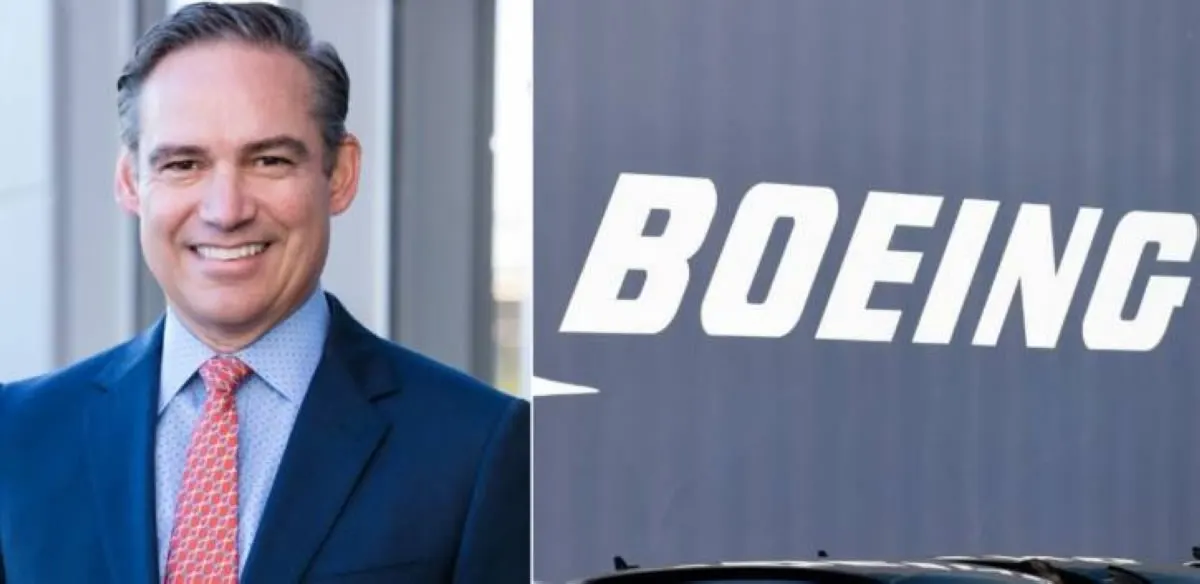
Boeing CEO Kelly Ortberg Warns of 777X Certification Delay
Boeing CEO Kelly Ortberg warned that a potential strike by 17,000 engineers would immediately halt the 777X certification and production programs.
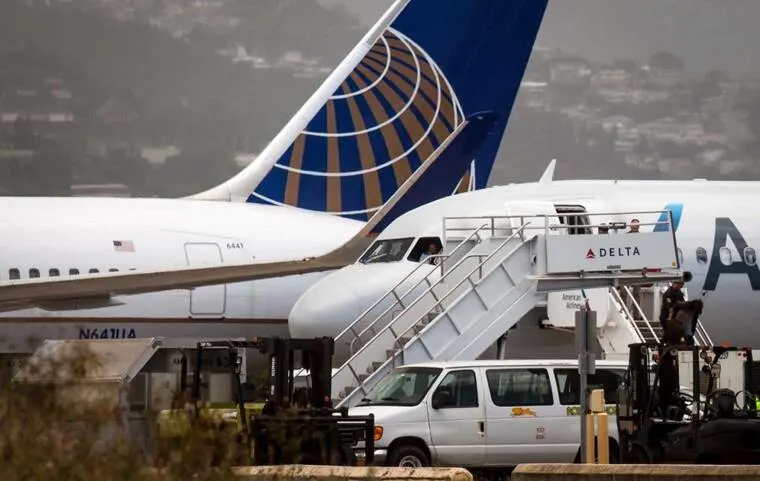
American and United Plan Capacity Cuts Amid Fuel Cost Surge
American and United are trimming flight schedules to offset a $1 billion fuel cost spike while maintaining strong pricing power.
Boeing CEO Reports 737 MAX Output Stabilization Delays
Boeing CEO Kelly Ortberg reports slower 737 MAX production stabilization, prompting a downward revision in 2026 free cash flow expectations to $2 billion.
Boeing Finalizes KAL Order, Salvages Turkish Airlines Deal
Boeing secured a $36.2 billion order from Korean Air Lines for 103 aircraft and nears a resolution on a 150-jet deal with Turkish Airlines.
Airbus Forecasts 42,000 New Jets Amid Strong Global Demand
Airbus expects 42,000 new aircraft deliveries globally by 2045, with 45% of demand concentrated in the Asia-Pacific region.