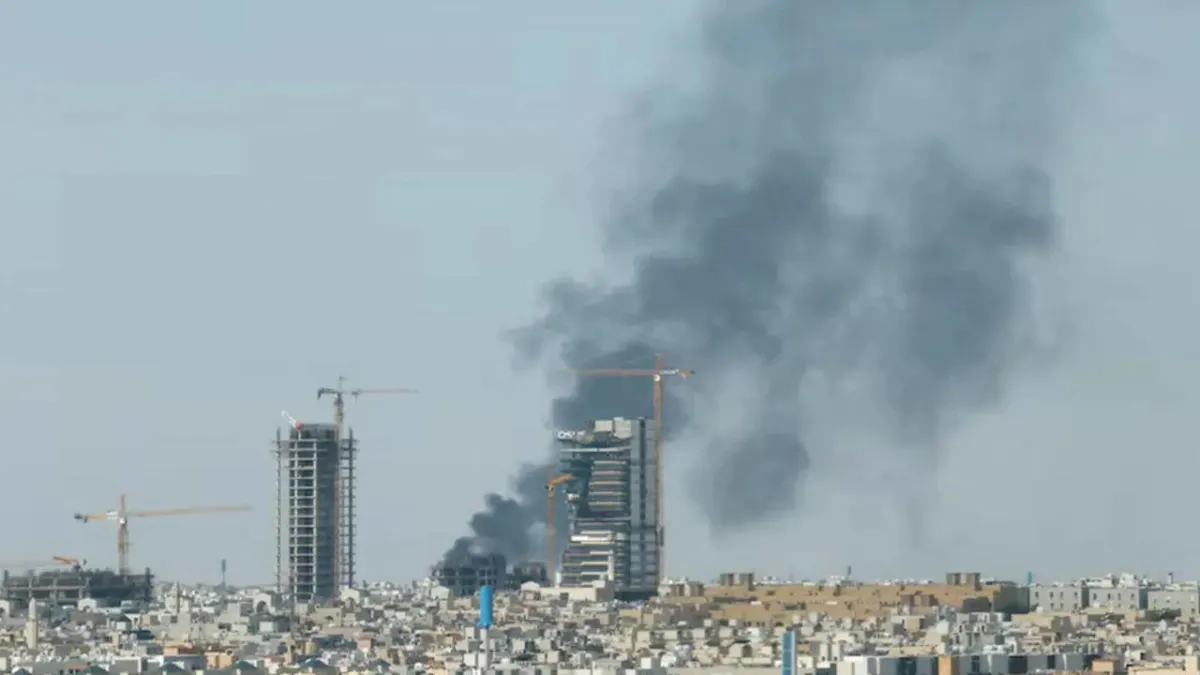
Kuwait International Airport Hit by Drone, Missile Strike

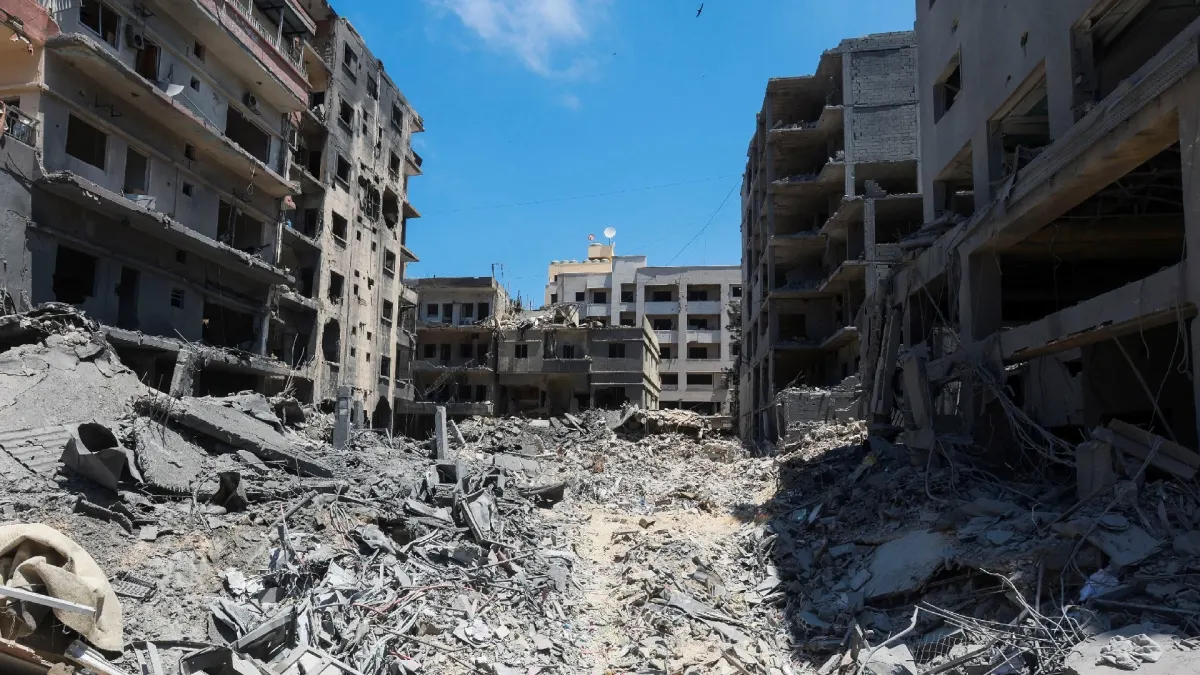
A drone and missile strike on Kuwait International Airport's Terminal 1 killed one person and caused significant operational disruptions on June 3, 2026.
Key Takeaways
- •Terminal 1 struck by Iranian drones and missiles on June 3, 2026.
- •One fatality and 63 injuries confirmed following the airport attack.
- •DGCA suspended all commercial flights at KWI due to radar damage.
- •War-risk insurance premiums remain elevated at 500% above baseline.
On June 3, 2026, Kuwait International Airport (KWI) was struck by Iranian drones and missiles, resulting in a civilian fatality and widespread operational paralysis. The attack targeted Terminal 1, causing significant structural damage and impairing critical radar systems, according to the Kuwait Directorate General of Civil Aviation (DGCA). The incident, which occurred amid escalating regional hostilities, has forced an immediate, indefinite suspension of all commercial flight operations at the facility.
Impact on Personnel and Infrastructure
The Kuwait Ministry of Foreign Affairs (MOFA) confirmed that one Indian national died in the strike. According to the Kuwait Ministry of Health, 63 individuals sustained injuries, with 7 victims requiring major emergency surgical intervention. Brigadier General Saud Abdulaziz Al-Otaibi, spokesperson for the Kuwait Ministry of Defense, described the event as a significant act of aggression that caused substantial material destruction. The physical damage to the airport’s radar infrastructure complicates the timeline for any potential resumption of air traffic, as safety protocols require full system certification before commercial operations can safely resume.
Regulatory and Operational Consequences
The DGCA has activated comprehensive emergency plans, resulting in the total closure of the Kuwait Flight Information Region (FIR) to commercial traffic. This move has necessitated the diversion of all incoming flights to alternative regional hubs, creating a cascading effect on network reliability for international carriers. The European Union Aviation Safety Agency (EASA) maintains an active Conflict Zone Information Bulletin (CZIB) for the region, warning operators of the extreme risks associated with missile activity in the Persian Gulf. Aviation insurance underwriters are now evaluating the incident, which is expected to sustain the 500% spike in war-risk premiums observed earlier in the 2026 conflict.
Regional Security and Historical Precedents
This incident follows a pattern of asymmetric threats to civilian aviation in the Gulf. Historically, the 2019-2021 attacks on Abha International Airport demonstrated the operational disruption caused by drone warfare, while the 2022 total airspace closure in Ukraine serves as a recent precedent for the immediate grounding of flights following infrastructure strikes. Furthermore, the 2020 downing of Ukraine International Airlines Flight 752 underscores the extreme, fatal risks to civil aviation when operating near active Iranian air defense systems. While the Islamic Revolutionary Guard Corps claims the strikes were retaliatory, the impact remains a critical security concern for international operators and the expatriate workforce relying on KWI.
Technical Analysis: Radar and Airspace Vulnerability
The destruction of radar systems at KWI represents a critical failure in the airport's ability to manage safe approach and departure sequences. In the context of the current Middle East airspace avoidance trend, the loss of this facility forces carriers to execute complex, high-cost reroutings that significantly increase fuel consumption and flight times. This development indicates that civilian aviation infrastructure is increasingly being treated as a strategic military target, a shift that contradicts the historical norm where airports were considered neutral zones. The sustained risk profile suggests that regional carriers will face prolonged pressure on their operating margins as they navigate higher insurance costs and longer, less efficient flight paths to avoid the OKAC FIR.
What Comes Next: Resumption of Terminal 1 Operations
The resumption of commercial flights at KWI remains subject to a comprehensive damage assessment by the DGCA. While a specific timeline for reopening has not been provided, authorities are prioritizing the restoration of radar integrity and structural safety. EASA and the FAA (Federal Aviation Administration) are expected to update their respective CZIB documentation throughout June 2026 to reflect the heightened risk environment following the strike.
Why This Matters for Regional Aviation
For international carriers, the targeting of KWI signals a dangerous expansion of the conflict zone, effectively rendering regional hub operations high-risk. The incident forces a re-evaluation of security protocols for all airports in the Persian Gulf, as the vulnerability of ground infrastructure now directly impacts the viability of passenger flight schedules. For the broader industry, this event confirms that the era of 'safe' transit through the Gulf is under severe threat, with significant implications for global logistics and passenger connectivity.
Frequently Asked Questions
- What is the status of commercial flights at Kuwait International Airport?
- Commercial flight operations at Kuwait International Airport are currently suspended indefinitely following the June 3, 2026, drone and missile strike that damaged Terminal 1 and critical radar systems.
- How has the strike impacted regional aviation insurance?
- The attack on civilian infrastructure has placed further pressure on underwriters, sustaining war-risk insurance premium spikes of up to 500% for regional operators.
From airline operations to fleet updates, commercial aviation news lives at omniflights.com. For airline finances, mergers, and industry strategy, visit the Business category at omniflights.com/business.

Written by Hardik Vishwakarma
Co-Founder & Aviation News Editor leading initiatives that improve trust and visibility across the global aviation industry. Covers airlines, airports, safety, and emerging technology.
Visit ProfileYou Might Also Like

FAA Grounds Elixir Aircraft After Fatal French Crash
Riyadh Airport Closure Extended Following Deadly Attacks

Riyadh Airport Closure Extended After Deadly Houthi Attack
Riyadh Airport Closed Until October 17 After Houthi Attacks

Delta Delays Atlanta-Riyadh Launch After Airport Attack