KKR Commits $1.4B to Altavair for Aviation Leasing Expansion

Co-Founder & CEOAviation News Editor delivering trusted coverage across the global aviation industry.

Kohlberg Kravis Roberts & Co. has injected $1.4 billion into Altavair to bolster commercial aviation finance and fleet leasing capacity.
Key Takeaways
- •KKR invested $1.4 billion in Altavair to expand aviation leasing capacity.
- •The partnership has acquired 188 aircraft since its 2018 inception.
- •KKR has deployed over $12 billion in aviation finance since 2015.
- •Capital will support sale-leasebacks and A330 P2F conversion projects.
KKR Expands Aviation Footprint
Kohlberg Kravis Roberts & Co. (KKR) has committed an additional $1.4 billion in equity to the aircraft leasing and financing platform Altavair. This Altavair | KKR Commits $1.4 Billion to Aircraft Leasing with Altavair investment marks a significant expansion of the firm’s active footprint in commercial aviation finance. The capital injection is sourced from KKR’s Infrastructure and Asset-Based Finance strategies to support airline sale-leasebacks and freighter conversions.
Strategic Partnership Growth
This latest funding underscores a long-term strategic partnership that began in 2018. Since the inception of this collaboration, KKR-managed funds have committed more than $8 billion to aircraft leasing and lending transactions. To date, the partnership has resulted in the acquisition of 188 commercial aircraft and engines. KKR has demonstrated a sustained interest in the sector, having invested more than $12 billion in the broader aviation market since 2015.
Brandon Freiman, Partner and Head of North American Infrastructure at KKR, stated that the nearly decade-long partnership has deepened the firm's conviction in the attractiveness of aircraft leasing. He noted that the sector is poised for further growth as air travel demand rises and airlines increasingly seek liquidity and fleet flexibility.
Market Impact and Fleet Strategy
For commercial airlines, the increased capital availability provides a critical source of sale-leaseback financing, which helps in managing balance sheets and funding new aircraft deliveries. Additionally, the investment supports the growing demand for Passenger-to-Freighter (P2F) conversions. Altavair has made the conversion of mid-life widebodies, such as the Airbus A330P2F, a core competency. This strategy allows cargo operators to scale capacity while extending the economic life of existing aircraft assets.
While private equity (PE) provides vital liquidity to the aviation sector, some industry analysts have argued that heavy reliance on PE-backed lessors could expose airlines to more aggressive lease terms during industry downturns compared to traditional bank financing. This perspective highlights the evolving nature of aircraft funding as private credit becomes a dominant force in the industry.
The Shift Toward Asset-Based Finance
Historically, the current investment follows a pattern of deepening integration. In January 2026, KKR deepened its partnership by acquiring a larger equity stake in Altavair from its balance sheet, following an initial $1 billion commitment made in January 2019. The 2019 event established the foundational infrastructure for the current scale of operations. The trajectory of KKR’s involvement suggests a permanent shift where private equity-backed platforms are increasingly competing with traditional lessors for large-scale airline portfolios.
Deployment of Capital
Altavair expects to deploy the newly committed $1.4 billion in equity between 2026 and 2027. This capital will be directed toward new commercial aircraft acquisitions, participation in lessor trades, and the continued expansion of the P2F conversion pipeline. As the industry navigates ongoing fleet funding requirements, the ability of Altavair to execute these transactions will be a key indicator of the effectiveness of the KKR-backed model in the current high-demand environment.
Why This Matters for Airline Liquidity
The commitment signals that institutional investors remain bullish on the long-term fundamentals of commercial aviation. For airlines, the availability of deep-pocketed, private equity-backed partners like Altavair is essential for maintaining fleet flexibility in a capital-intensive industry. This development confirms that the trend of private equity deployment into aviation is not merely a temporary cycle but a structural feature of modern aircraft finance.
Frequently Asked Questions
- What is the primary focus of the KKR and Altavair partnership?
- The partnership focuses on commercial aviation finance, specifically supporting airline sale-leaseback transactions and passenger-to-freighter (P2F) conversions.
- How much capital has KKR invested in aviation since 2015?
- KKR has invested more than $12 billion in the broader aviation sector since 2015, including over $8 billion committed specifically to transactions with Altavair since 2018.
For global airline trends and commercial aviation news, turn to omniflights.com. For detailed airline coverage, route changes, and fleet moves, explore the Airlines section at omniflights.com/airlines.
Written by Hardik Vishwakarma
Co-Founder & Aviation News Editor leading initiatives that improve trust and visibility across the global aviation industry. Covers airlines, airports, safety, and emerging technology.
Visit ProfileYou Might Also Like
Discover more aviation news based on similar topics
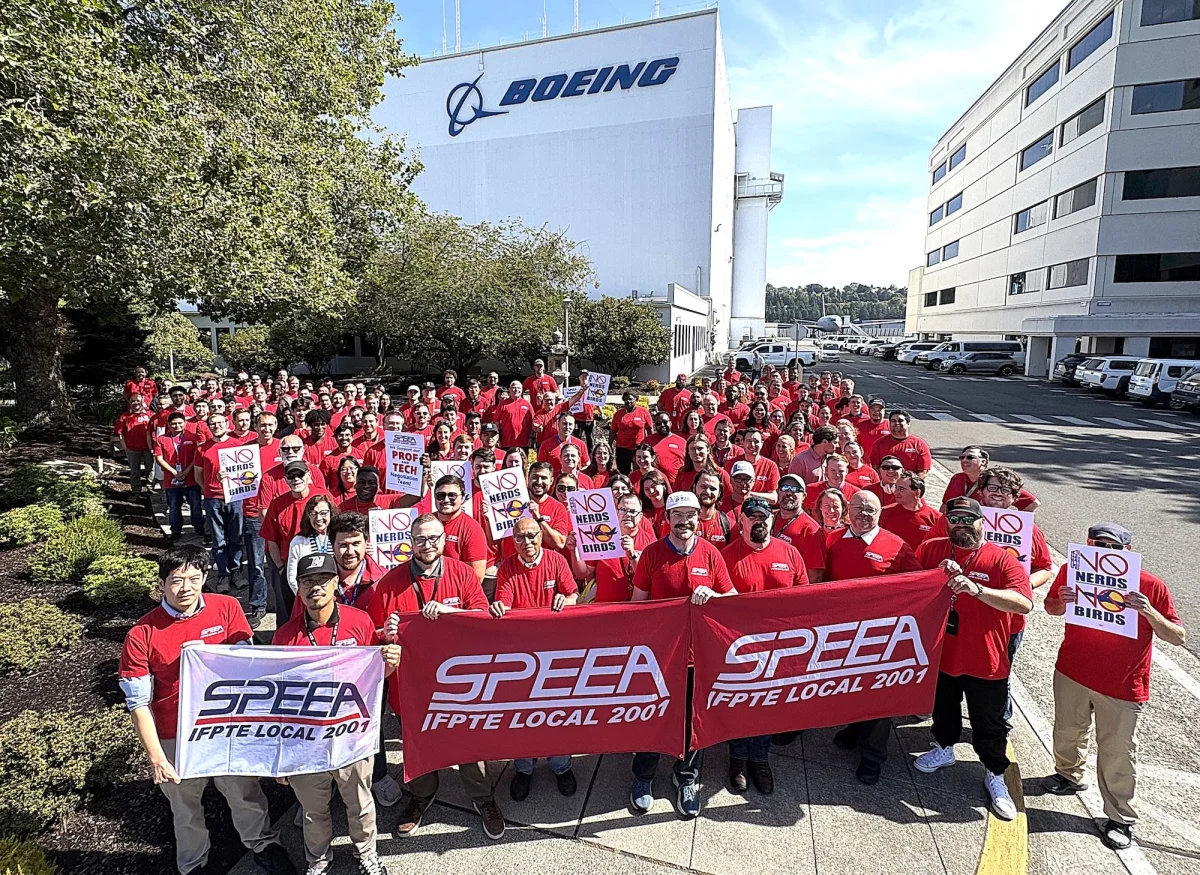
Boeing Tightens Spending Ahead of Critical SPEEA Union Vote
Boeing has implemented spending controls and a hiring freeze as it faces a critical contract ratification vote with its 17,000-member engineering union.

Boeing CEO Kelly Ortberg Warns of 777X Certification Delay
Boeing CEO Kelly Ortberg warned that a potential strike by 17,000 engineers would immediately halt the 777X certification and production programs.
American and United Plan Capacity Cuts Amid Fuel Cost Surge
American and United are trimming flight schedules to offset a $1 billion fuel cost spike while maintaining strong pricing power.
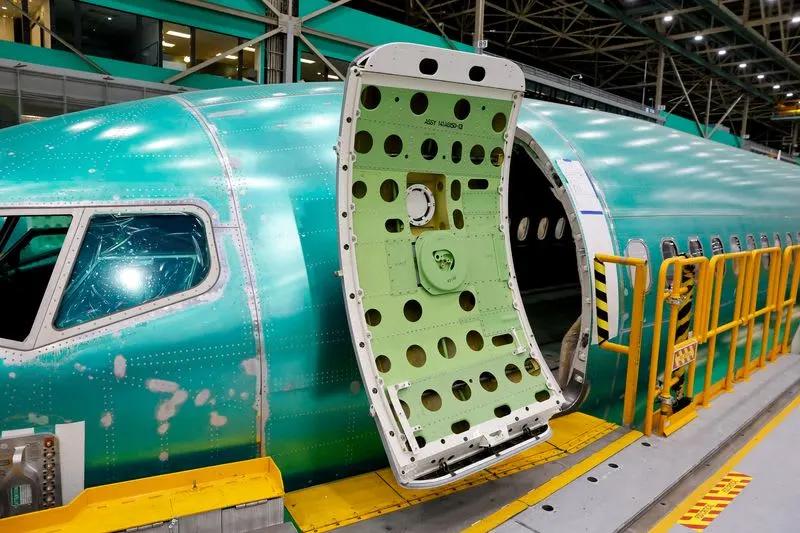
Boeing CEO Reports 737 MAX Output Stabilization Delays
Boeing CEO Kelly Ortberg reports slower 737 MAX production stabilization, prompting a downward revision in 2026 free cash flow expectations to $2 billion.
Boeing Finalizes KAL Order, Salvages Turkish Airlines Deal
Boeing secured a $36.2 billion order from Korean Air Lines for 103 aircraft and nears a resolution on a 150-jet deal with Turkish Airlines.
Airbus Forecasts 42,000 New Jets Amid Strong Global Demand
Airbus expects 42,000 new aircraft deliveries globally by 2045, with 45% of demand concentrated in the Asia-Pacific region.