Joby Aviation FAA Certification Progress and Stock Outlook

Co-Founder & CEOAviation News Editor delivering trusted coverage across the global aviation industry.
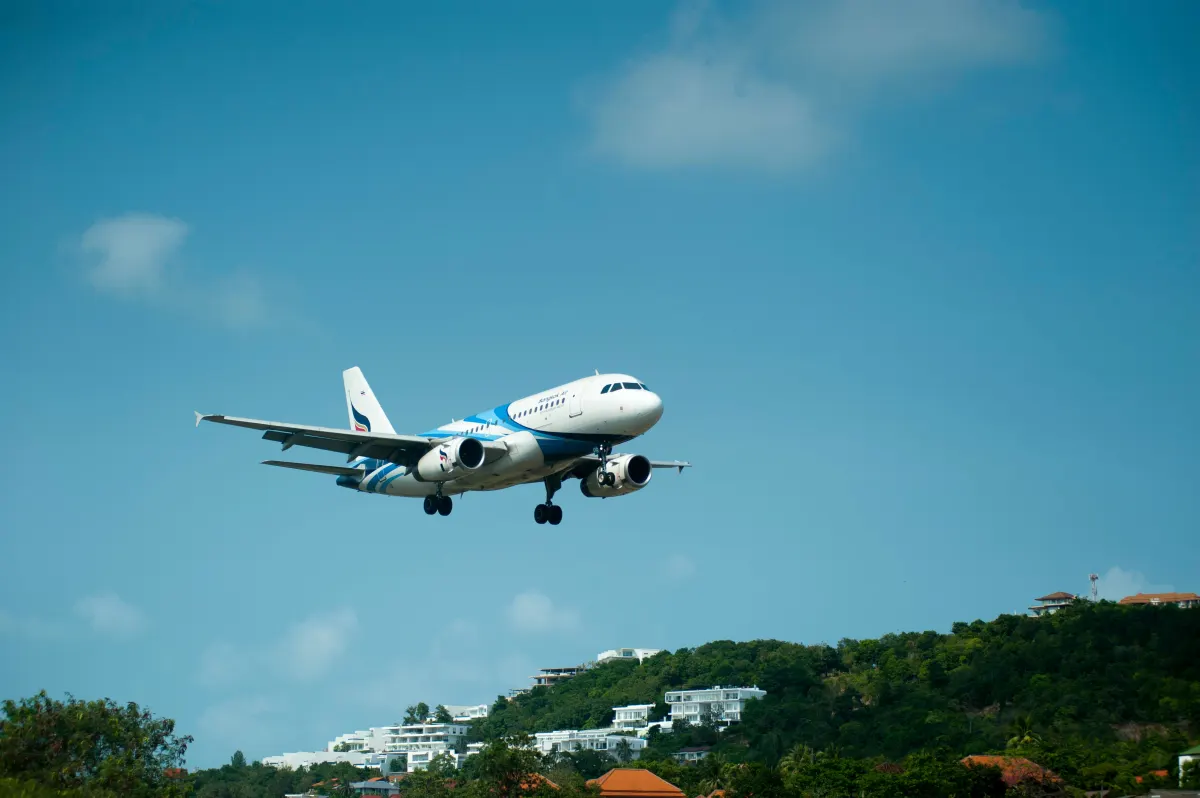
Joby Aviation's recent FAA milestones in eVTOL development move the company closer to commercialization amid an $8.5 billion valuation.
Key Takeaways
- •Joby Aviation achieved FAA-conforming flight status for its eVTOL aircraft.
- •Market capitalization for Joby currently ranges from $8.5B to $8.8B.
- •Production targets scale to four aircraft per month by 2027.
- •Commercial air taxi service is targeted to begin in late 2026.
Regulatory Progress and Certification Path
The central challenge for Joby Aviation has shifted from proving that Electric Vertical Takeoff and Landing (eVTOL) aircraft can fly to demonstrating that they can meet stringent regulatory requirements. The company recently began flight operations with its first FAA (Federal Aviation Administration)-conforming production aircraft, a critical milestone for obtaining Type Inspection Authorization (TIA). According to Didier Papadopoulos, President of Aircraft OEM at Joby Aviation, this transition represents the validation of years of development and marks the entry into the final phase of bringing the aircraft to market. Achieving TIA is a prerequisite for FAA test pilots to conduct 'for credit' flight testing, which is essential for final Type Certification.
Joby’s regulatory standing has been further bolstered by its selection for the White House-backed eVTOL Integration Pilot Program (eIPP), which allows the company to demonstrate use cases and conduct early operations across multiple U.S. states prior to full commercial certification Joby Completes Piloted Electric Air Taxi Flight Across San Francisco Bay and Around the Golden Gate. This program is pivotal for integrating air taxis into the national airspace system. As of mid-2026, the company has logged more than 50,000 miles of test flights, providing the data necessary to support its certification applications.
Manufacturing Scale and Market Valuation
While regulatory risks are moderating, Joby stock valuation analysis remains a point of contention for investors. The company currently carries a market capitalization of approximately $8.5 billion to $8.8 billion, despite generating minimal revenue. This valuation reflects high market optimism, yet the company faces the significant challenge of transitioning from prototype testing to mass manufacturing. Joby's Q4 2025 financial release explicitly confirms the company’s target to scale production to four aircraft per month by 2027.
This manufacturing ramp-up is supported by partnerships with Toyota engineers at facilities in Dayton, Ohio, and Marina, California. However, the history of aerospace startups serves as a cautionary tale. In 2008, Eclipse Aviation achieved certification for its Very Light Jet but failed due to an inability to scale production profitably. Similarly, Tesla faced significant 'production hell' during the 2017-2018 rollout of the Model 3, highlighting the difficulty of scaling complex hardware.
Infrastructure and Commercial Launch
Joby continues to target commercial service for 2026 as confirmed by Joby's Q1 2026 financial results. Beyond the U.S., the company is preparing for operations in Dubai, where vertiport construction is actively underway in partnership with local authorities. These infrastructure projects require significant electrical grid capacity, which urban mobility researchers argue may take longer to complete than the aircraft certification itself.
Joby S4 vs. Archer Midnight: Key Specifications
| Metric | Joby S4 | Archer Midnight |
|---|---|---|
| Range | Up to 100 miles | Up to 100 miles |
| Top Speed | 200 mph | 150 mph |
| Capacity | 1 pilot + 4 passengers | 1 pilot + 4 passengers |
Regulatory and Manufacturing Milestones
Looking ahead, the company faces several key milestones. The launch of initial commercial air taxi service in Dubai is expected in late 2026, subject to infrastructure readiness. Full FAA Type Certification for commercial passenger service is expected between late 2026 and 2027. Finally, scaling to a production rate of four aircraft per month remains the primary manufacturing objective for 2027.
Why This Matters for Investors and Stakeholders
For investors, the current valuation leaves little room for execution errors. While Joby has successfully reduced its regulatory overhang, the company must now prove it can manage the complex intersection of manufacturing, infrastructure, and customer demand. For traditional helicopter operators, the shift to eVTOLs represents a high-severity disruption, as legacy fleets are expected to be replaced by quieter, more efficient electric alternatives. Ultimately, Joby’s ability to turn its technological story into a profitable business model will depend on its capacity to navigate these multi-faceted operational hurdles simultaneously.
Frequently Asked Questions
- What is the significance of the FAA Type Inspection Authorization for Joby?
- Type Inspection Authorization is a critical final testing phase in the FAA certification process. It allows FAA test pilots to fly Joby's conforming aircraft to validate safety and performance for commercial passenger operations.
- When does Joby plan to reach its full-scale production target?
- Joby Aviation plans to scale its manufacturing to produce four aircraft per month by 2027.
Stay ahead of the airline industry with commercial aviation news from omniflights.com. Get the latest updates on major hubs, regional terminals, and airport operations via the Airports section at omniflights.com/airports.
Written by Hardik Vishwakarma
Co-Founder & Aviation News Editor leading initiatives that improve trust and visibility across the global aviation industry. Covers airlines, airports, safety, and emerging technology.
Visit ProfileYou Might Also Like
Discover more aviation news based on similar topics
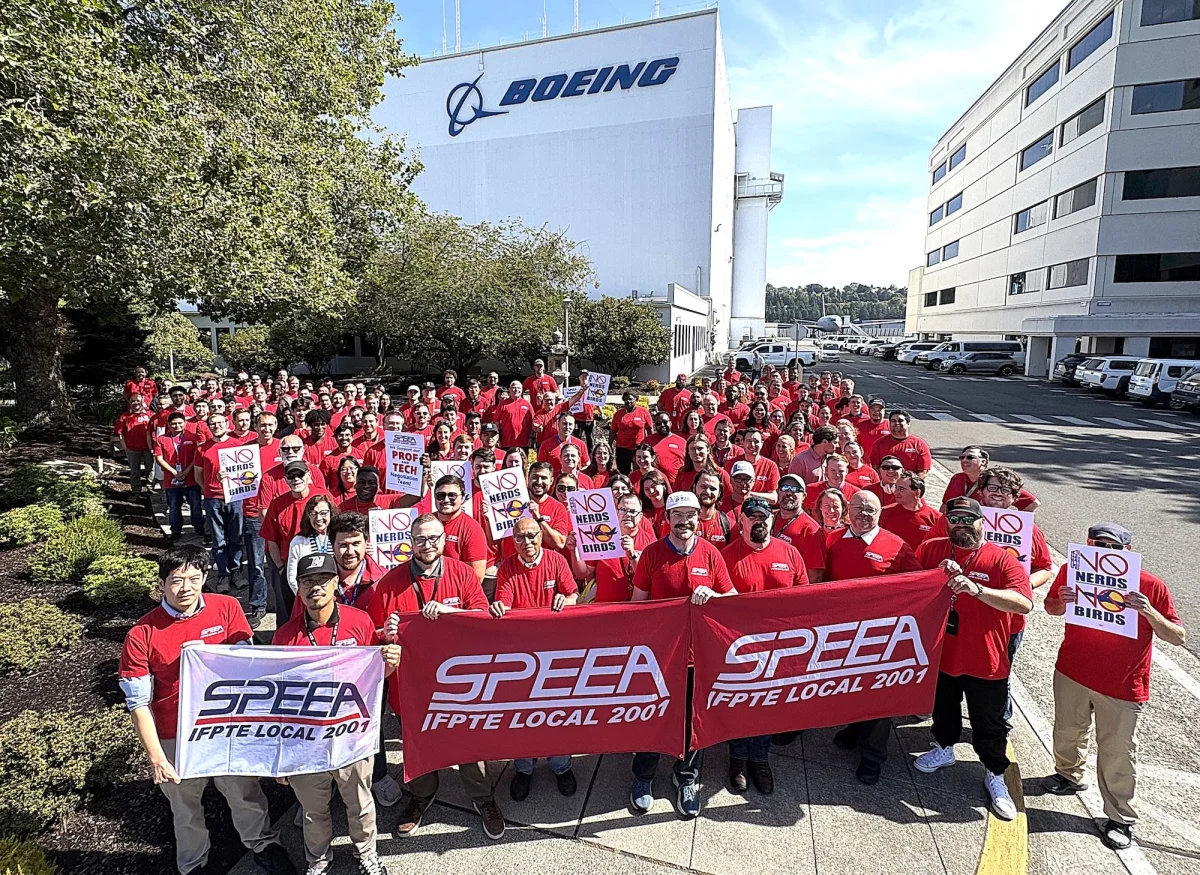
Boeing Tightens Spending Ahead of Critical SPEEA Union Vote
Boeing has implemented spending controls and a hiring freeze as it faces a critical contract ratification vote with its 17,000-member engineering union.
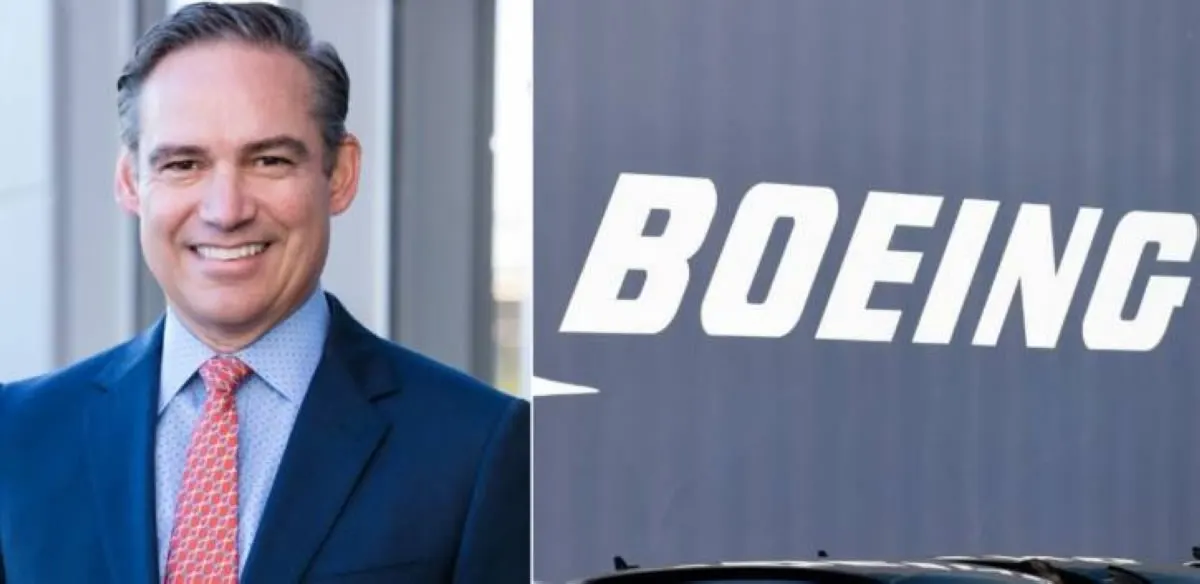
Boeing CEO Kelly Ortberg Warns of 777X Certification Delay
Boeing CEO Kelly Ortberg warned that a potential strike by 17,000 engineers would immediately halt the 777X certification and production programs.
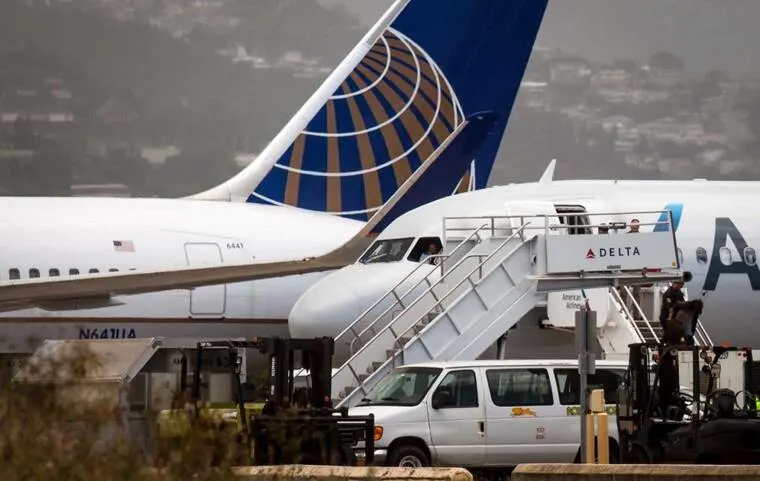
American and United Plan Capacity Cuts Amid Fuel Cost Surge
American and United are trimming flight schedules to offset a $1 billion fuel cost spike while maintaining strong pricing power.
Boeing CEO Reports 737 MAX Output Stabilization Delays
Boeing CEO Kelly Ortberg reports slower 737 MAX production stabilization, prompting a downward revision in 2026 free cash flow expectations to $2 billion.
Boeing Finalizes KAL Order, Salvages Turkish Airlines Deal
Boeing secured a $36.2 billion order from Korean Air Lines for 103 aircraft and nears a resolution on a 150-jet deal with Turkish Airlines.
Airbus Forecasts 42,000 New Jets Amid Strong Global Demand
Airbus expects 42,000 new aircraft deliveries globally by 2045, with 45% of demand concentrated in the Asia-Pacific region.