JetBlue Flight 948 Reports Drone Strike Near JFK Airport

Co-Founder & CEOAviation News Editor delivering trusted coverage across the global aviation industry.
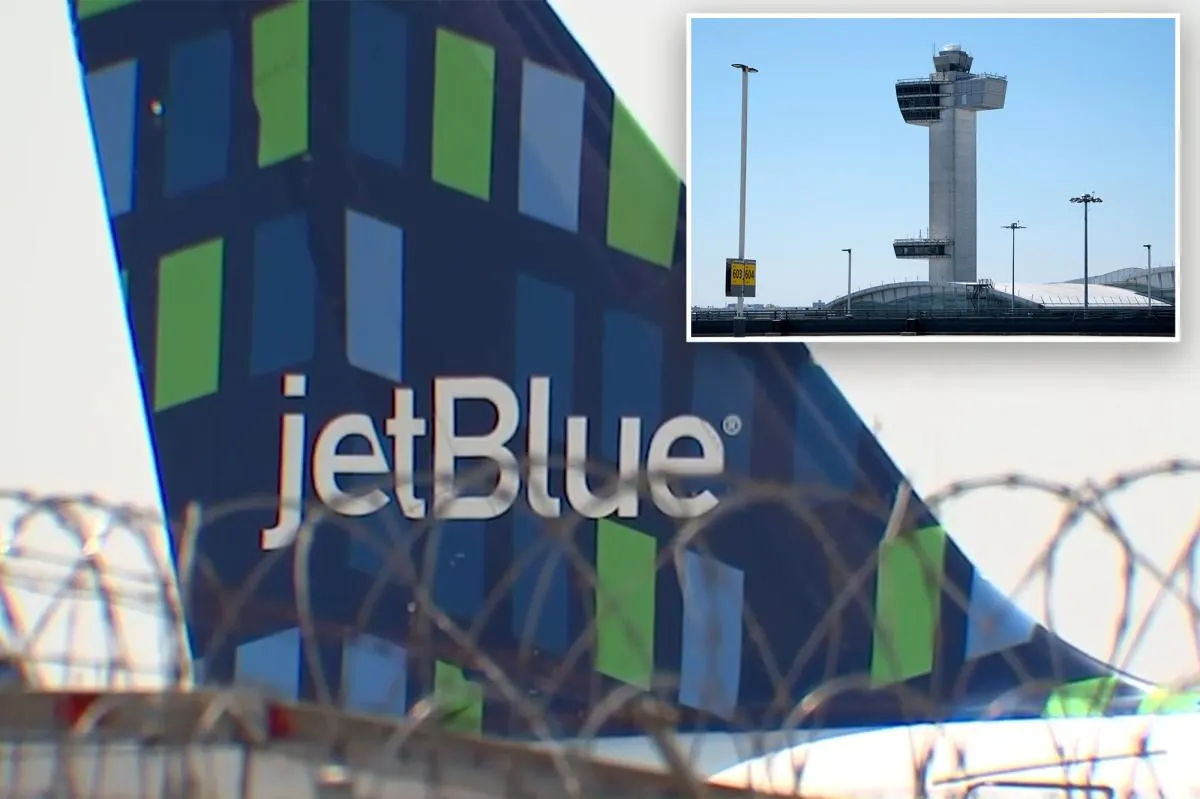
JetBlue Flight 948 reported a drone strike at 3,000 feet near JFK on June 29, 2026, while a helicopter reported a separate near-miss nearby.
Key Takeaways
- •JetBlue Flight 948 reported a drone strike at 3,000 feet near JFK.
- •Post-flight inspection of the Airbus A321 confirmed no damage occurred.
- •FAA logs over 100 drone sightings near commercial airports every month.
- •Helicopter near-miss involved a sanctioned RC field, requiring no investigation.
JetBlue Flight 948 Incident
On June 29, 2026, JetBlue Flight 948, an Airbus A321 arriving from Las Vegas, reported a mid-air impact with a suspected drone while on final approach to John F. Kennedy International Airport (JFK). The flight crew notified air traffic control that the collision occurred at an altitude of approximately 3,000 feet. Following the incident, the aircraft completed a safe landing at the airport. A subsequent post-flight inspection performed by maintenance teams confirmed that the aircraft sustained no damage during the encounter. The Federal Aviation Administration (FAA) has officially launched an investigation into the JetBlue drone strike JFK event to determine the origin and operator of the unauthorized unmanned aircraft.
Helicopter Near-Miss Incident
Hours after the JetBlue incident, a separate aerial encounter was documented in the New York metropolitan area. A Blade-operated Bell 407 helicopter pilot reported a near-miss with a large, remote-controlled (RC) airplane while flying at an altitude between 300 and 500 feet. The incident occurred over Floyd Bennett Field in Brooklyn. According to air traffic control audio, the pilot expressed concern over the proximity of the model aircraft. However, the FAA opted not to pursue an investigation into this specific case, as the aircraft was operating within a sanctioned National Park Service model aircraft field. This distinction highlights the regulatory nuance between rogue Unmanned Aircraft System (UAS) incursions and authorized hobbyist aviation.
Regulatory and Safety Implications
These events underscore the growing pressure on the FAA to manage airspace safety in densely populated regions. The agency currently logs over 100 drone sightings near commercial airports every month, posing a continuous challenge for airspace security. Under 14 CFR Part 107, consumer drone flights are strictly prohibited above 400 feet and within controlled airspace surrounding airports without explicit authorization. The JetBlue incident represents a clear violation of these safety protocols, potentially triggering more stringent enforcement of Remote ID compliance and geofencing requirements. For commercial airlines operating at JFK, such incursions introduce the risk of mandatory post-flight inspections and potential operational downtime.
Historical Precedents in New York Airspace
Recent history indicates a clustering of drone-related concerns in the region. On June 26, 2026, a United Airlines flight reported a drone near-miss during its descent into Newark Liberty International Airport (EWR), prompting a separate federal inquiry. These incidents mirror the safety concerns raised by the 2017 collision between an Army Black Hawk and a DJI Phantom 4 over Staten Island, which resulted in the first confirmed mid-air collision between a drone and a manned aircraft in the United States. While some suspected strikes, such as the 2018 Aeromexico Boeing 737 incident, were later attributed to structural failure rather than drone impacts, the current frequency of reports necessitates rigorous investigation into every Flight 948 drone collision claim.
What Comes Next: The FAA Investigation
The FAA is currently leading the investigation into the JetBlue incident to identify the operator involved in the unauthorized flight. While the agency has not provided a definitive timeline, the final report is expected by late 2026. Investigators will likely analyze radar data and flight path telemetry to trace the drone's origin. The outcome of this probe may influence future policy regarding UAS airport regulations and the deployment of detection technology around major commercial hubs.
Why This Matters for Aviation Safety
The frequency of these encounters signals a critical intersection between the rapid expansion of the consumer drone market and the safety of commercial transit. For stakeholders, including airline operators and the FAA Enforcement Division, the primary concern remains the physical risk posed by unauthorized incursions in Class B airspace. This development highlights the necessity for enhanced coordination between federal regulators and local authorities to curb rogue operations, ensuring that the integration of unmanned systems does not compromise the integrity of the national airspace system.
Frequently Asked Questions
- What happened during the JetBlue flight to JFK?
- JetBlue Flight 948 reported striking a suspected drone at 3,000 feet while on final approach to JFK on June 29, 2026. A post-flight inspection confirmed that the aircraft sustained no damage.
- Why did the FAA not investigate the helicopter near-miss?
- The FAA did not investigate the helicopter incident because the remote-controlled aircraft was operating within a sanctioned National Park Service model aircraft field at Floyd Bennett Field.
Visit omniflights.com for the latest commercial aviation news and airline industry updates. Track policy changes, airspace rules, and global aviation governance in the Regulatory category at omniflights.com/regulatory.
Written by Hardik Vishwakarma
Co-Founder & Aviation News Editor leading initiatives that improve trust and visibility across the global aviation industry. Covers airlines, airports, safety, and emerging technology.
Visit ProfileYou Might Also Like
Discover more aviation news based on similar topics
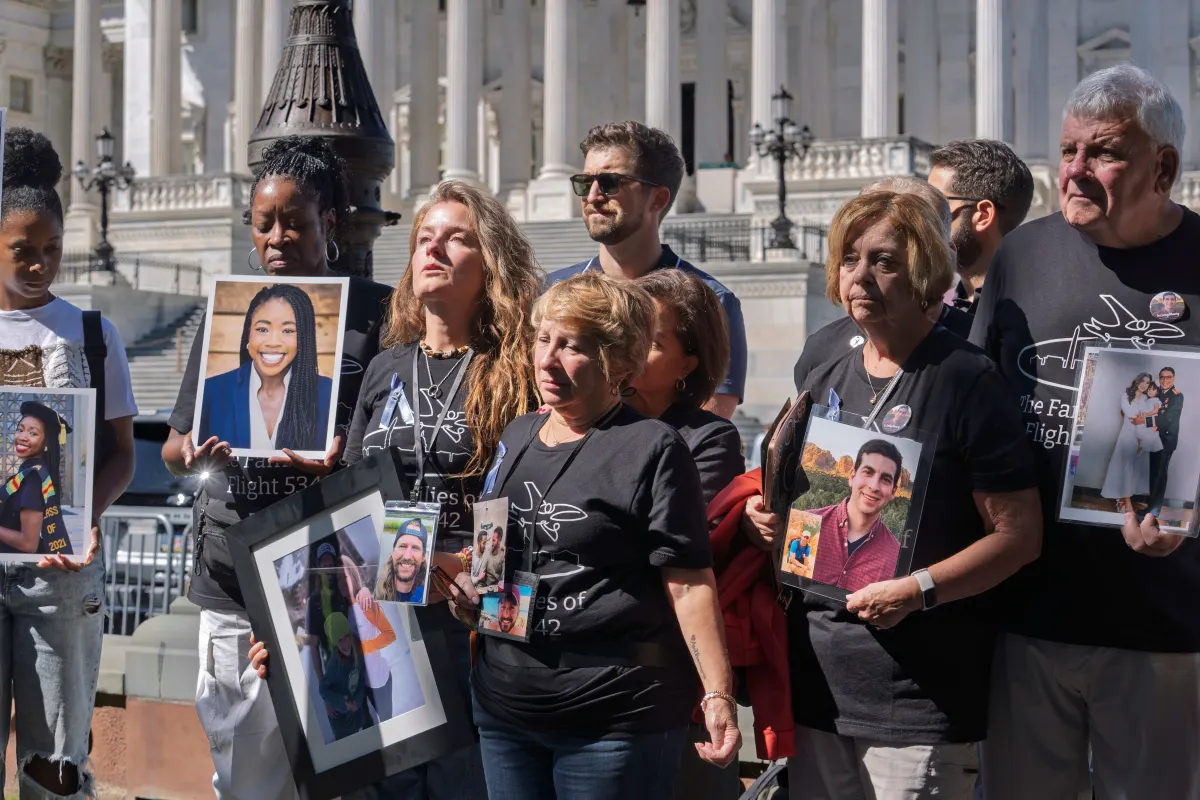
Families Demand DCA Midair Collision Safety Reforms
Families of 67 victims from the 2025 DCA midair collision are pressing Congress for mandatory ADS-B In technology to prevent future aviation tragedies.
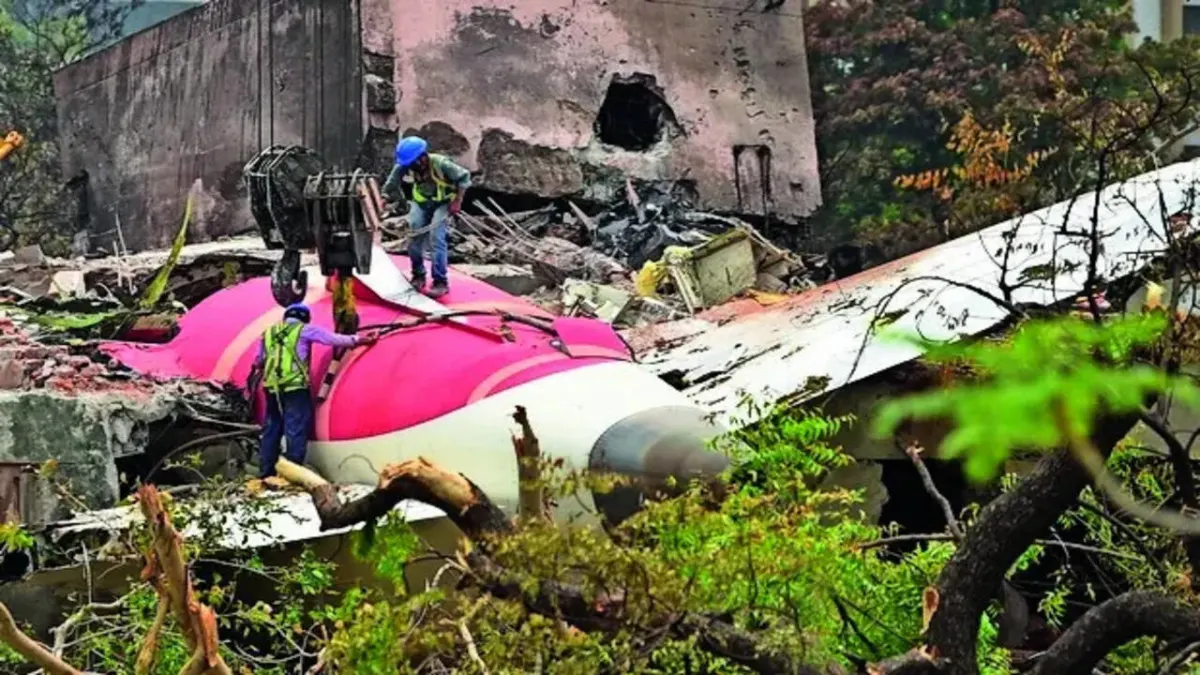
FAS Challenges AAIB Over Boeing 787 Safety Data
The Foundation for Aviation Safety is urging the AAIB to issue safety warnings for the Boeing 787 fleet following the fatal Air India 171 crash.
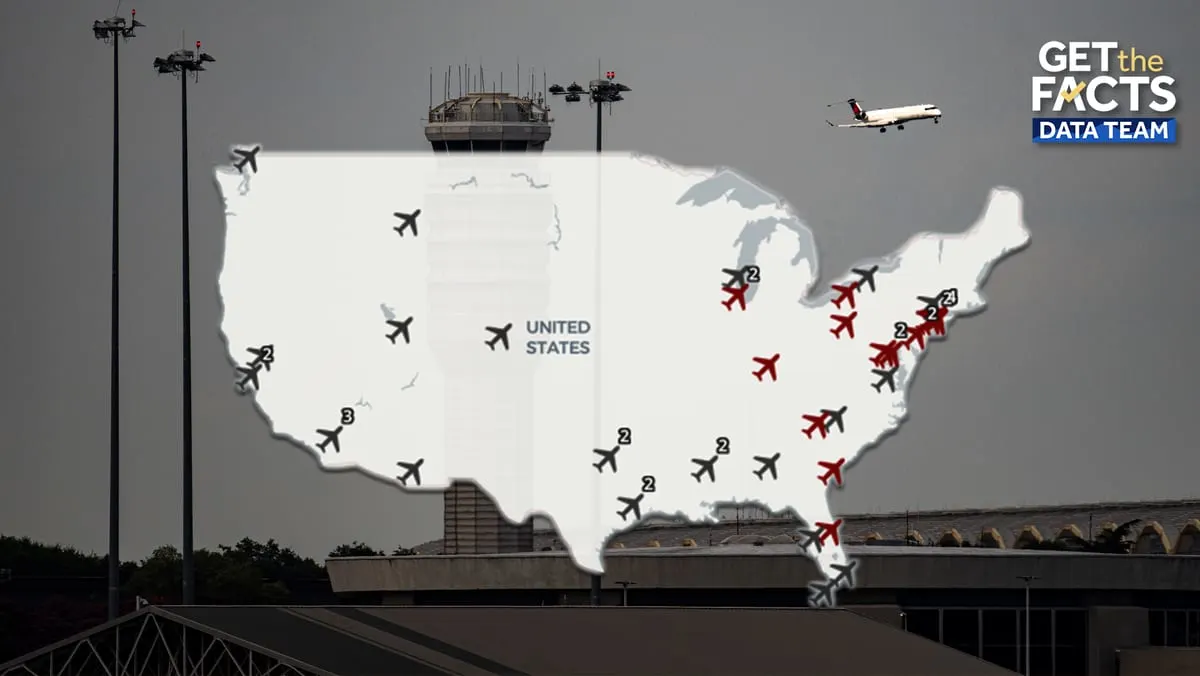
NTSB Safety Recommendations Lag Amid 6 Monthly Near-Misses
Approximately 6 near-miss incidents occur monthly at U.S. airports as 270 NTSB safety recommendations remain unaddressed by federal regulators.
NTSB Rejects FAA Safety Responses After 67-Fatality Crash
The NTSB labeled 11 FAA responses to 2025 DCA mid-air collision recommendations as unacceptable, citing the lack of a mandatory ADS-B In requirement.
EASA Orders Urgent Airbus A380 Wing Spar Inspections
The EASA ordered urgent inspections on 16 Airbus A380s after discovering wing spar cracks that could compromise structural integrity.
Ryanair Flight RK514 Diverts to Birmingham After Emergency
Ryanair flight RK514 diverted to Birmingham Airport on September 13, 2026, following a medical emergency involving a passenger.