JetBlue A321 Reports Drone Strike on Approach to JFK

Co-Founder & CEOAviation News Editor delivering trusted coverage across the global aviation industry.
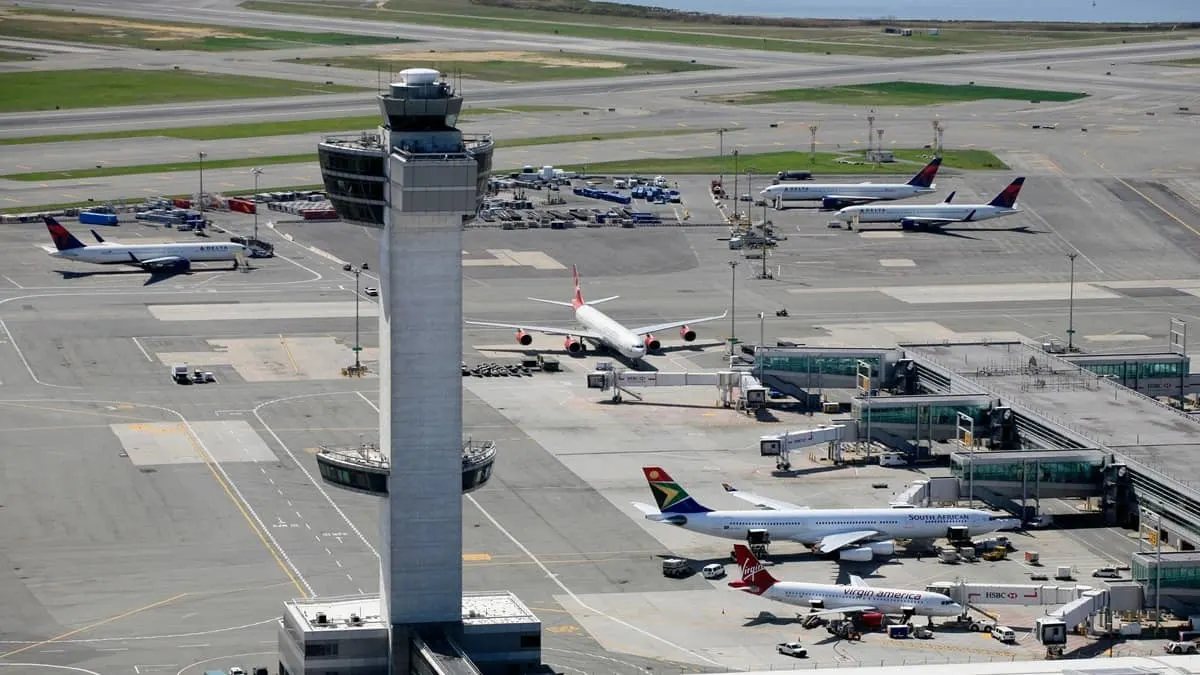
A JetBlue A321 reported a mid-air drone strike at 3,000 feet while approaching JFK Airport; the FAA is investigating the incident.
Key Takeaways
- •JetBlue A321 reported a drone strike at 3,000 feet near JFK Airport.
- •FAA logs over 100 drone sightings near airports every month.
- •Post-flight inspection of the JetBlue jet confirmed no physical damage.
- •Drone operators face heavy fines for unauthorized flights in restricted airspace.
JetBlue Flight Reports Mid-Air Collision
A JetBlue pilot reported a mid-air collision with a drone while on approach to John F. Kennedy International Airport (JFK) on the morning of June 29, 2026. The Airbus A321 was descending through 3,000 feet when the flight deck crew reported an object striking the aircraft directly above the cockpit. Despite the alarming report, the flight landed safely at the airport, and all passengers disembarked normally at the gate.
The Federal Aviation Administration (FAA) has initiated an investigation into the event. Following the incident, the aircraft was removed from service for a comprehensive maintenance review. According to the carrier, technicians found no evidence of a collision or structural damage to the airframe, a finding that underscores the complexity of identifying objects in high-speed flight environments.
The Growing Risk of Airspace Incursions
The incident highlights the persistent challenge of unauthorized Unmanned Aircraft Systems (UAS) operating within controlled terminal airspace. The FAA reports that it receives over 100 sightings of drones near airports every month. While many of these reports are eventually attributed to birds or debris, the frequency of encounters poses a significant hazard to commercial aviation. Maintenance and repair crews are frequently forced to perform unscheduled, high-priority inspections following these reports, which removes aircraft from revenue service and disrupts operational schedules.
Technical and Regulatory Challenges
Under 14 CFR Part 107, recreational and commercial drones are strictly limited to a maximum altitude of 400 feet above ground level. However, experts note that modern consumer drones are technologically capable of reaching altitudes far exceeding this ceiling. Scott Shtofman, vice president and counsel for regulatory affairs at the Association for Uncrewed Vehicle Systems International (AUVSI), noted that even a five-pound drone has the physical capability to climb to 3,000 feet. This capability creates a gap between legal restrictions and physical reality, as regulatory frameworks cannot prevent unauthorized operators from bypassing altitude limiters.
Aircraft Specifications: A321 vs. 737 MAX 9
| Metric | Airbus A321 (JetBlue) | Boeing 737 MAX 9 (United) |
|---|---|---|
| Typical Seating | 159-200 passengers | 179 passengers |
| MTOW | 206,100 lbs | 194,700 lbs |
Historical Context and Precedents
This incident follows a nearly identical encounter just three days prior, when a United Airlines jet reported a near-miss with a drone on approach to Newark Liberty International Airport. These events are reminiscent of the January 2025 collision in California, where a drone struck a firefighting CL-415 aircraft, resulting in a hole in the wing and grounding the aircraft for several days. Furthermore, in October 2025, a United Airlines flight was forced to divert to Salt Lake City after a weather balloon impacted the windshield at 36,000 feet, demonstrating the severe potential for structural damage from high-altitude objects.
Analysis of Emerging Threats
The recent surge in high-altitude drone sightings suggests a shift in the threat landscape. As drone technology advances, the potential for catastrophic ingestion into engines or damage to critical control surfaces remains a primary concern for the FAA. While confirmed strikes involving passenger jets remain rare, the increasing frequency of incursions suggests that current geofencing and altitude-limiting software may be insufficient to deter rogue operators. The industry is now facing pressure to implement more robust, mandatory software restrictions to protect terminal airspace.
Pending Investigation Milestones
The FAA investigation remains ongoing. The agency is currently reviewing Air Traffic Control (ATC) audio logs and radar data to identify the source of the object. Should the operator be identified, they could face significant criminal charges, heavy fines, and the confiscation of their equipment. The JetBlue aircraft remains under observation as the airline assists federal authorities in the formal inquiry.
Why This Matters for Aviation Safety
For commercial pilots, these encounters represent a significant increase in workload and distraction during the most critical phase of flight: the final approach. For the broader industry, the trend of unauthorized drone flights near major hubs necessitates a re-evaluation of current airspace protection strategies. The inability to distinguish between a drone and a bird in real-time creates an operational burden that forces airlines to choose between safety-driven delays and the risk of flying potentially damaged aircraft.
Frequently Asked Questions
- What is the legal altitude limit for drones under FAA regulations?
- Under 14 CFR Part 107, recreational and commercial drones are generally restricted to a maximum altitude of 400 feet above ground level to ensure safety within the national airspace.
- Did the JetBlue aircraft sustain damage during the reported drone strike?
- No. Following a thorough inspection by maintenance crews after the aircraft reached the gate at JFK, the airline confirmed that it found no evidence of a collision or structural damage.
For in-depth airline coverage and commercial aviation news, omniflights.com delivers timely industry insights. Track policy changes, airspace rules, and global aviation governance in the Regulatory category at omniflights.com/regulatory.
Written by Hardik Vishwakarma
Co-Founder & Aviation News Editor leading initiatives that improve trust and visibility across the global aviation industry. Covers airlines, airports, safety, and emerging technology.
Visit ProfileYou Might Also Like
Discover more aviation news based on similar topics

Families Demand DCA Midair Collision Safety Reforms
Families of 67 victims from the 2025 DCA midair collision are pressing Congress for mandatory ADS-B In technology to prevent future aviation tragedies.
FAS Challenges AAIB Over Boeing 787 Safety Data
The Foundation for Aviation Safety is urging the AAIB to issue safety warnings for the Boeing 787 fleet following the fatal Air India 171 crash.
NTSB Safety Recommendations Lag Amid 6 Monthly Near-Misses
Approximately 6 near-miss incidents occur monthly at U.S. airports as 270 NTSB safety recommendations remain unaddressed by federal regulators.
NTSB Rejects FAA Safety Responses After 67-Fatality Crash
The NTSB labeled 11 FAA responses to 2025 DCA mid-air collision recommendations as unacceptable, citing the lack of a mandatory ADS-B In requirement.
EASA Orders Urgent Airbus A380 Wing Spar Inspections
The EASA ordered urgent inspections on 16 Airbus A380s after discovering wing spar cracks that could compromise structural integrity.
Ryanair Flight RK514 Diverts to Birmingham After Emergency
Ryanair flight RK514 diverted to Birmingham Airport on September 13, 2026, following a medical emergency involving a passenger.