Ryanair 737-800 Engine Failure Prompts NTSB Probe

Co-Founder & CTOCo-Founder & CTO driving the technology and data systems behind Omni Flights.
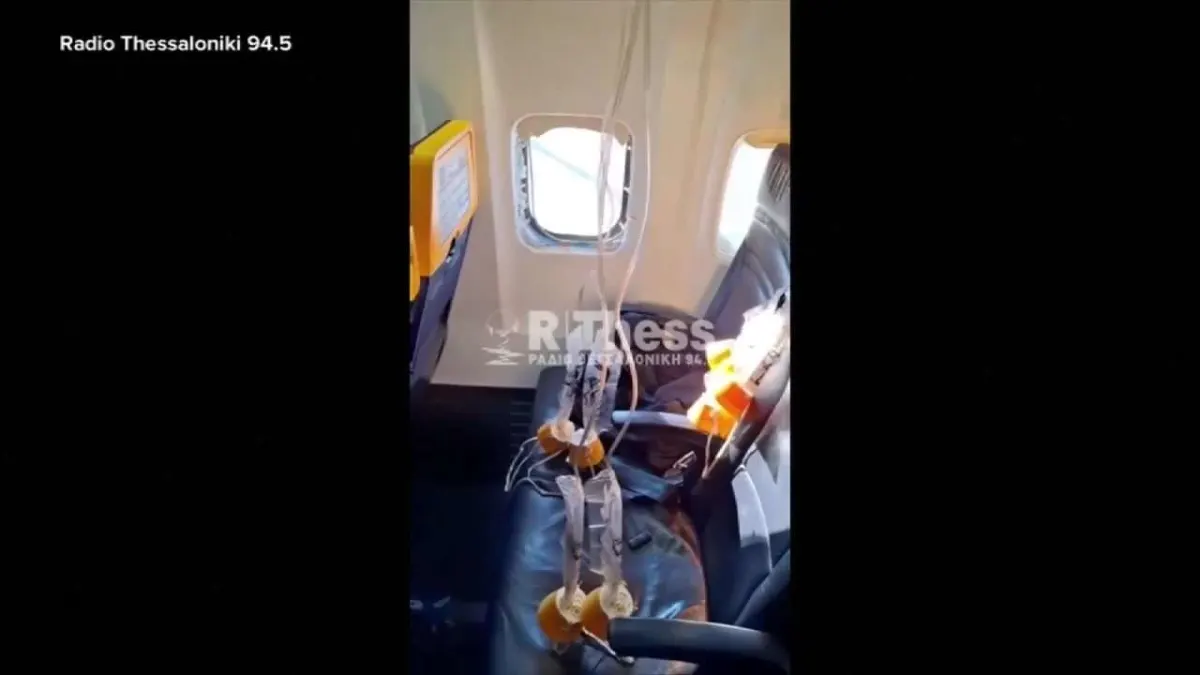
NTSB details a Ryanair 737-800 engine failure where 1 passenger was partially sucked out of a window after a fan blade broke.
Key Takeaways
- •NTSB details Ryanair 737-800 engine fan blade separation.
- •Passenger was partially sucked out of cabin window at 16,000 feet.
- •Fatigue cracking caused the CFM56-7B blade to break in flight.
- •FAA proposes stricter blade inspections under a new draft rule.
The National Transportation Safety Board (NTSB) released its NTSB preliminary report DCA26FA274 detailing a Ryanair Boeing 737 engine failure that led to a severe cabin depressurization incident. On July 10, 2026, Malta Air Flight 1879, operating as Ryanair, suffered a CFM56-7B fan blade separation approximately 7.5 minutes after departing Thessaloniki, Greece, forcing an emergency return landing.
The incident highlights the ongoing safety challenges of managing fatigue cracking in mature powerplants. The uncontained failure sent metal shrapnel piercing through the aircraft's fuselage, shattering a passenger window at row 11 and partially ejecting a 61-year-old passenger, Ljubisa Karovic, who was saved by his wife and a flight attendant. This high-altitude cabin breach has reignited regulatory scrutiny over engine maintenance intervals and triggered a formal dispute between the NTSB and Ryanair leadership regarding public disclosure rules during active investigations.
Core Facts & Evidence
According to the NTSB preliminary report, the 18-year-old Boeing 737-8AS aircraft was climbing through approximately 16,000 feet in Greek airspace when the uncontained engine failure occurred. Flight data indicates that the flight crew received high-vibration warnings on the number 2 engine, a CFM International (CFM) CFM56-7B26 turbofan, before hearing a loud bang that disengaged the autopilot. Post-flight examination revealed that a single titanium fan blade had separated at the root, with evidence of fatigue cracking. The resulting debris punctured the fuselage, dented the tail section near row 8, and caused severe damage to the right horizontal stabilizer.
While bird feathers and remains were recovered from the engine, the NTSB noted that the aircraft had four suspected bird strikes in the preceding 12 months with no damage recorded at those times. Notably, the plane’s fan blades had last been inspected less than three weeks before because of a rule implemented after a similar incident. The blades underwent ultrasonic inspection on May 24, 2026—just 253 flight cycles prior to the failure. This inspection was performed under guidelines established by the Federal Aviation Administration (FAA) following previous uncontained failures. The rapid progression of the fatigue crack despite recent testing has prompted immediate regulatory reassessments.
The incident also sparked a regulatory dispute. Ryanair Chief Executive Officer Michael O'Leary stated during a July earnings call that "nobody was out any window" and suggested the failure was due to Foreign Object Damage (FOD). NTSB Chairwoman Jennifer Homendy issued a formal rebuke to O'Leary, stating that his public comments violated International Civil Aviation Organization (ICAO) Annex 13 rules, which prohibit technical advisers and accredited representatives from making premature statements regarding potential causes during an active investigation.
For CFM, a 50/50 joint venture between GE Aerospace and Safran Aircraft Engines, the incident places renewed pressure on the CFM56 engine program, which is one of the most widely used in commercial aviation. Operators of Boeing 737 Next Generation (NG) aircraft face the prospect of accelerated maintenance schedules and increased downtime. For Malta Air and Ryanair, the event introduces immediate fleet management challenges, alongside regulatory friction resulting from the public dispute over ICAO Annex 13 compliance.
Context & Comparison
This failure shares striking physical similarities with Southwest Airlines Flight 1380 on April 17, 2018, where a CFM56-7B fan blade broke due to metal fatigue, shattering a cabin window and resulting in a passenger fatality. A similar uncontained failure also occurred on Southwest Airlines Flight 3472 on August 27, 2016, which led to early non-destructive testing requirements. While the Ryanair flight landed safely with no fatalities, the recurrence of a fatigue-induced blade separation within a recently inspected engine highlights potential limitations in current inspection intervals.
CFM56-7B vs. LEAP-1B: Key Specifications
To address the vulnerabilities of older titanium designs, newer engine models utilize advanced materials. The table below compares the CFM56-7B with its successor, the LEAP-1B, which powers the Boeing 737 MAX fleet.
| Metric | CFM56-7B (Boeing 737 NG) | LEAP-1B (Boeing 737 MAX) |
|---|---|---|
| Fan Blade Material | Titanium alloy | Carbon fiber composite with titanium leading edge |
| Fan Diameter | 61 inches | 69.4 inches |
The Mechanics of CFM56 Fan Blade Fatigue
The separation of the titanium fan blade on Flight 1879 underscores the structural forces acting on high-cycle, mature narrowbody fleets. Titanium alloy blades are subjected to extreme centrifugal forces and cyclic stress during takeoff and climb phases. Over time, microscopic material defects or operational stress can lead to fatigue cracking, which propagates under the surface until the blade fails catastrophically. Because these cracks often develop internally, standard visual inspections are insufficient. The fact that this blade failed only 253 flight cycles after an ultrasonic inspection suggests that either the crack propagated faster than historical models predicted, or the existing non-destructive testing protocols failed to detect the sub-surface defect. This development indicates that the aviation industry must transition toward more sensitive eddy current and high-frequency ultrasonic testing to manage the aging dynamics of the global CFM56 fleet.
Regulatory Milestones and Inspection Timelines
In response to the preliminary findings, the FAA issued a Notice of Proposed Rulemaking under FAA Docket FAA-2026-7232 in July 2026. This proposed Airworthiness Directive aims to supersede older directives by expanding the mandatory inspection areas and introducing more stringent ultrasonic and eddy current testing procedures. The final rule for this directive is expected to be finalized by late 2026. Meanwhile, the NTSB is leading the ongoing investigation with assistance from the Hellenic Air and Rail Safety Investigation Authority. The issuance of the NTSB final report, which will formally determine the probable cause and contributing factors, is expected between July 2027 and July 2028.
Why Enhanced Non-Destructive Testing Matters
This incident serves as a critical reminder of the thin margin for error in engine containment systems. For airline operators, the upcoming regulatory changes mean increased maintenance overhead and potential scheduling disruptions as aircraft are routed for advanced scans. Ultimately, ensuring the structural integrity of mature engine components is vital to maintaining public confidence in narrowbody operations and preventing catastrophic cabin depressurization events.
Frequently Asked Questions
- What caused the engine failure on Ryanair Flight 1879?
- According to the National Transportation Safety Board preliminary report, the number two CFM56-7B26 engine experienced a fan blade separation caused by fatigue cracking. The separated blade fragments struck the fuselage, shattering a passenger window and causing a rapid cabin depressurization.
- How does this Ryanair engine failure compare to the Southwest Flight 1380 accident?
- Both incidents involved the CFM56-7B engine family on Boeing 737 aircraft, where a fan blade separated due to metal fatigue cracking. In both cases, the debris shattered a cabin window, causing a passenger to be partially sucked out of the aircraft.
- What regulatory changes are expected after the Ryanair engine incident?
- The Federal Aviation Administration issued a Notice of Proposed Rulemaking under Docket FAA-2026-7232 to mandate updated and expanded ultrasonic and eddy current inspections of CFM56-7B fan blades to detect fatigue cracking before failure.
From airline operations to fleet updates, commercial aviation news lives at omniflights.com. For detailed airline coverage, route changes, and fleet moves, explore the Airlines section at omniflights.com/airlines.
Written by Shashank Shukla
Co-Founder & CTO leading the engineering and AI systems behind Omni Flights. Covers aviation technology, flight safety, aircraft manufacturing, and emerging aerospace developments.
Visit ProfileYou Might Also Like
Discover more aviation news based on similar topics

Families Demand DCA Midair Collision Safety Reforms
Families of 67 victims from the 2025 DCA midair collision are pressing Congress for mandatory ADS-B In technology to prevent future aviation tragedies.
FAS Challenges AAIB Over Boeing 787 Safety Data
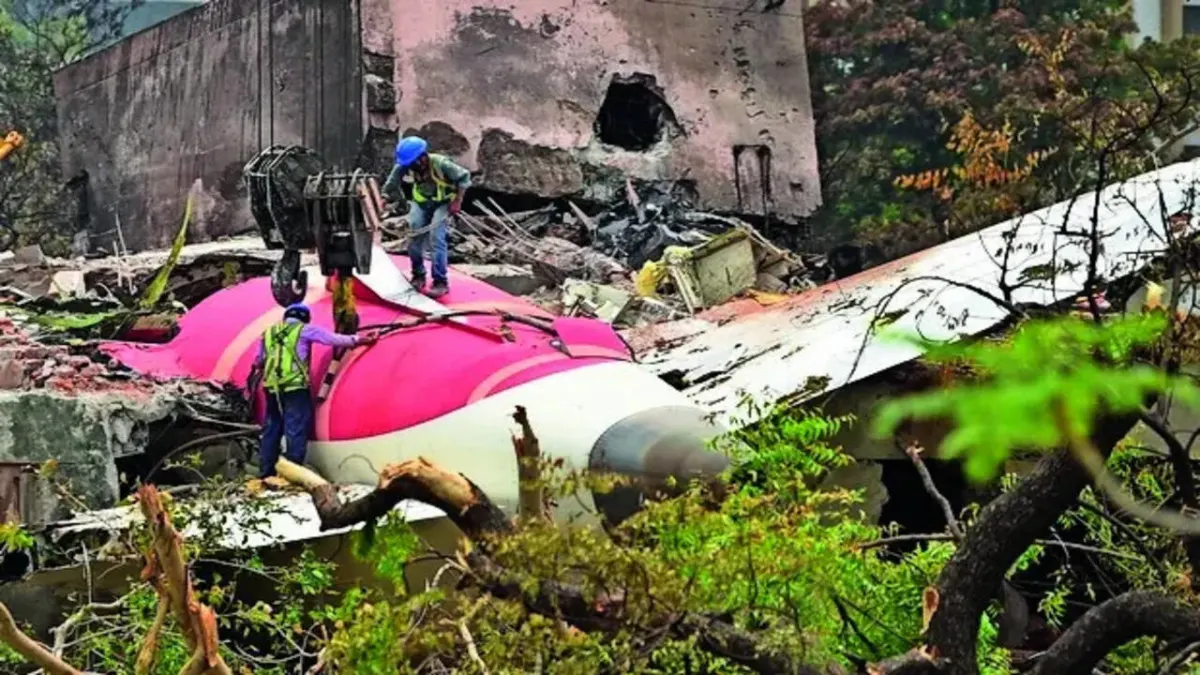
The Foundation for Aviation Safety is urging the AAIB to issue safety warnings for the Boeing 787 fleet following the fatal Air India 171 crash.
NTSB Safety Recommendations Lag Amid 6 Monthly Near-Misses
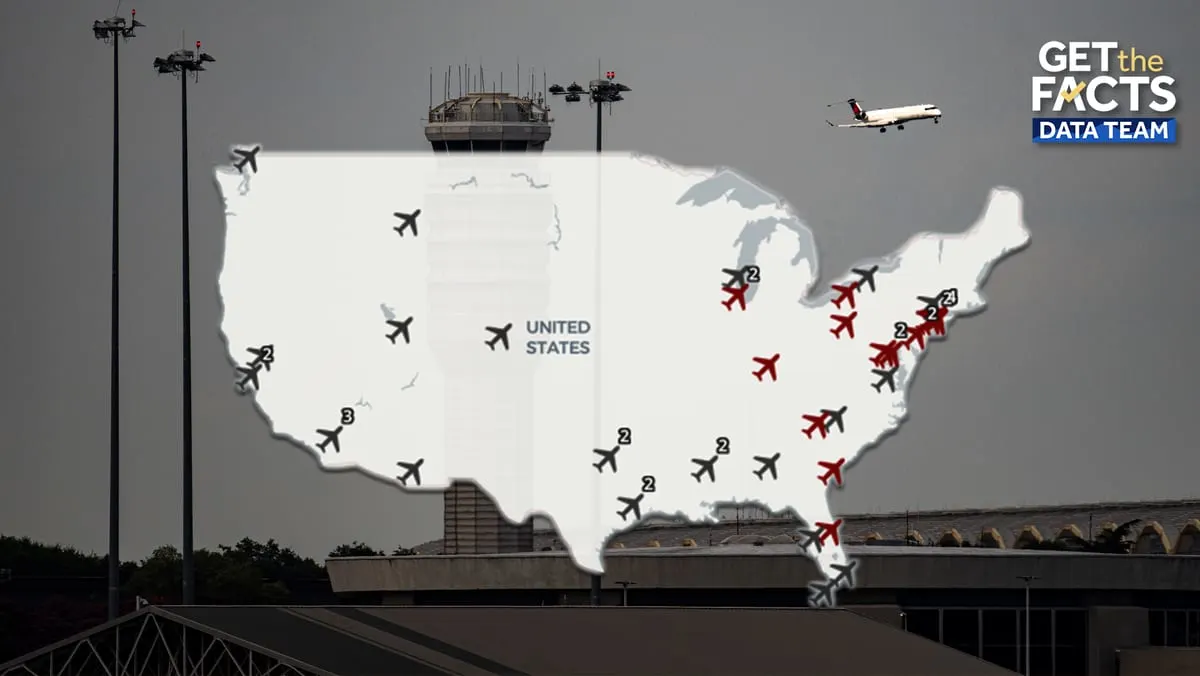
Approximately 6 near-miss incidents occur monthly at U.S. airports as 270 NTSB safety recommendations remain unaddressed by federal regulators.
NTSB Rejects FAA Safety Responses After 67-Fatality Crash
The NTSB labeled 11 FAA responses to 2025 DCA mid-air collision recommendations as unacceptable, citing the lack of a mandatory ADS-B In requirement.
EASA Orders Urgent Airbus A380 Wing Spar Inspections
The EASA ordered urgent inspections on 16 Airbus A380s after discovering wing spar cracks that could compromise structural integrity.
Ryanair Flight RK514 Diverts to Birmingham After Emergency
Ryanair flight RK514 diverted to Birmingham Airport on September 13, 2026, following a medical emergency involving a passenger.