American 737-800 Lands Safely After Myrtle Beach Bird Strike

Co-Founder & CTOCo-Founder & CTO driving the technology and data systems behind Omni Flights.
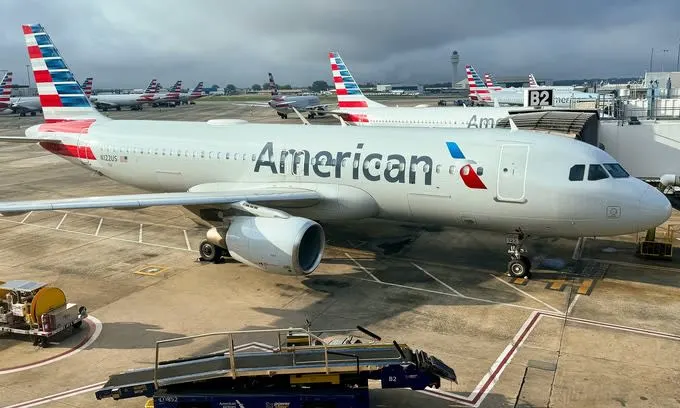
An American Airlines Boeing 737-800 made an emergency landing at Myrtle Beach after a bird strike caused an engine fire with 172 people on board.
Key Takeaways
- •American Airlines Flight 1760 suffered a bird strike on August 10, 2026.
- •Boeing 737-800 returned safely to Myrtle Beach with 172 people on board.
- •Engine compressor stall triggered visible flames and a Mayday declaration.
- •FAA reports nearly 20,000 wildlife strikes at U.S. airports last year.
On August 10, 2026, American Airlines Flight 1760, a Boeing 737-800 departing from Myrtle Beach International Airport (MYR), experienced a severe Myrtle Beach bird strike that triggered a Boeing 737 engine fire and forced an immediate return. The aircraft, carrying 172 people on board, safely landed back at the departure airport without injuries. This incident highlights the persistent operational challenges and safety protocols associated with wildlife hazards near commercial runways.
The emergency landing disrupted local operations and required a rapid response from airport emergency services. While bird strikes are a routine hazard in commercial aviation, the severity of this event—which caused a compressor stall and visible flames in the left engine—underscores the critical importance of flight crew training and engine containment designs.
According to the Federal Aviation Administration (FAA), the incident occurred shortly after takeoff at approximately 8:40 a.m. local time. The aircraft was scheduled to fly to Charlotte Douglas International Airport (CLT). Immediately after the bird strike, the flight crew reported a compressor stall in the left engine, which manifested as visible flames and sparks trailing from the powerplant. The pilot declared a Mayday emergency, initiating standard operating procedures to secure the engine and guide the aircraft back to MYR.
The FAA confirmed that all 172 passengers and crew members evacuated the aircraft safely upon landing and were unharmed. Following the emergency landing, American Airlines maintenance teams took the Boeing 737-800 out of service for extensive engine inspections and repairs. This operational shift resulted in a low-severity impact on the carrier's fleet availability, requiring the airline to re-route passengers on alternative flights. Additionally, runway operations at MYR were briefly suspended as ground crews swept the pavement for bird debris and emergency vehicles secured the scene.
Wildlife strikes remain a significant and growing concern for global aviation. FAA data shows that nearly 20,000 wildlife strikes were reported at U.S. airports in the previous year, with the vast majority occurring during the critical takeoff and landing phases of flight.
Historically, bird strikes have led to severe aviation emergencies. The most notable precedent occurred on January 15, 2009, when US Airways Flight 1549 suffered a dual-engine failure after striking a flock of Canada geese shortly after departing from New York's LaGuardia Airport. That event, widely known as the "Miracle on the Hudson," resulted in a successful water landing with no fatalities among the 155 people on board. Unlike Flight 1549, Flight 1760 suffered damage to only one of its two engines, allowing the flight crew to maintain altitude and execute a controlled return to the runway.
The Mechanics of Engine Compressor Stalls
A compressor stall, such as the one experienced by Flight 1760, occurs when the aerodynamic flow of air through an engine's compressor stages is disrupted. When a bird enters the engine core, it can damage the compressor blades, altering their aerodynamic properties and causing a localized reversal of airflow. This disruption causes fuel to burn outside the combustion chamber, producing the dramatic flames and sparks observed by ground witnesses. Modern turbofan engines, including the CFM56 models used on the Boeing 737-800, are engineered to withstand such impacts without disintegrating, containing the thermal and mechanical energy within the engine cowl. This containment capability, paired with rigorous pilot simulator training for single-engine operations, ensures that a single-engine failure remains a highly manageable emergency.
Federal Aviation Administration Investigation Timeline
The FAA is actively conducting an aviation incident investigation to assess the precise extent of the engine damage and verify that all safety protocols were followed during the emergency. A preliminary safety report detailing the bird strike and subsequent compressor stall is expected to be released by the FAA in late 2026. Investigators will analyze flight data recorder information and inspect the recovered engine components to determine if any structural modifications or revised airfield wildlife management practices are warranted.
Why Engine Resilience and Wildlife Management Matter
This incident serves as a stark reminder of the ongoing threat that wildlife poses to commercial aviation safety. For airlines and airport operators, maintaining rigorous wildlife mitigation programs is essential to minimizing the frequency of high-consequence bird strikes. The successful resolution of Flight 1760 demonstrates the efficacy of modern engine certification standards and flight crew training in preventing localized failures from escalating into catastrophic accidents.
Frequently Asked Questions
- What aircraft was involved in the Myrtle Beach bird strike?
- The aircraft involved was an American Airlines Boeing 737-800, operating as Flight 1760.
- What caused the engine fire on American Airlines Flight 1760?
- The engine fire was caused by a compressor stall in the left engine, which was triggered by a bird strike shortly after takeoff.
- How many passengers were on board during the emergency landing?
- There were 172 passengers and crew members on board, all of whom landed safely and without injuries.
Access up-to-date commercial aviation news and airline industry developments via omniflights.com. For reporting on UAP sightings, investigations, and aviation-related encounters, see the UAPs section at omniflights.com/uaps.
Written by Shashank Shukla
Co-Founder & CTO leading the engineering and AI systems behind Omni Flights. Covers aviation technology, flight safety, aircraft manufacturing, and emerging aerospace developments.
Visit ProfileYou Might Also Like
Discover more aviation news based on similar topics

Families Demand DCA Midair Collision Safety Reforms
Families of 67 victims from the 2025 DCA midair collision are pressing Congress for mandatory ADS-B In technology to prevent future aviation tragedies.
FAS Challenges AAIB Over Boeing 787 Safety Data
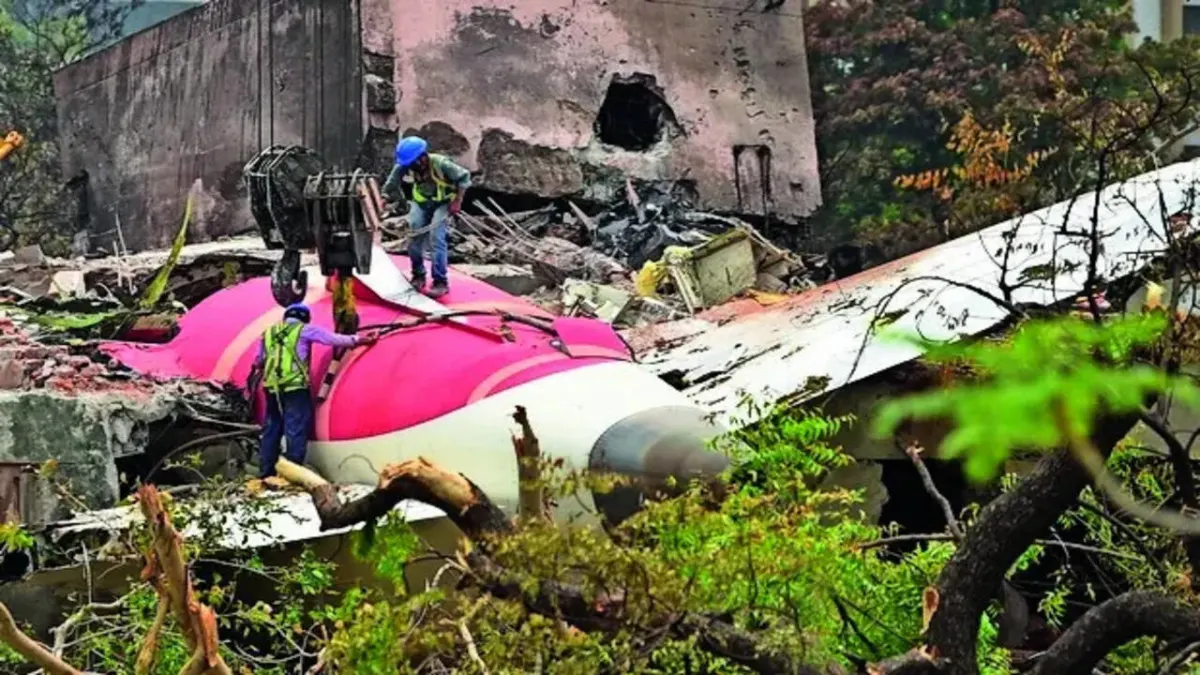
The Foundation for Aviation Safety is urging the AAIB to issue safety warnings for the Boeing 787 fleet following the fatal Air India 171 crash.
NTSB Safety Recommendations Lag Amid 6 Monthly Near-Misses
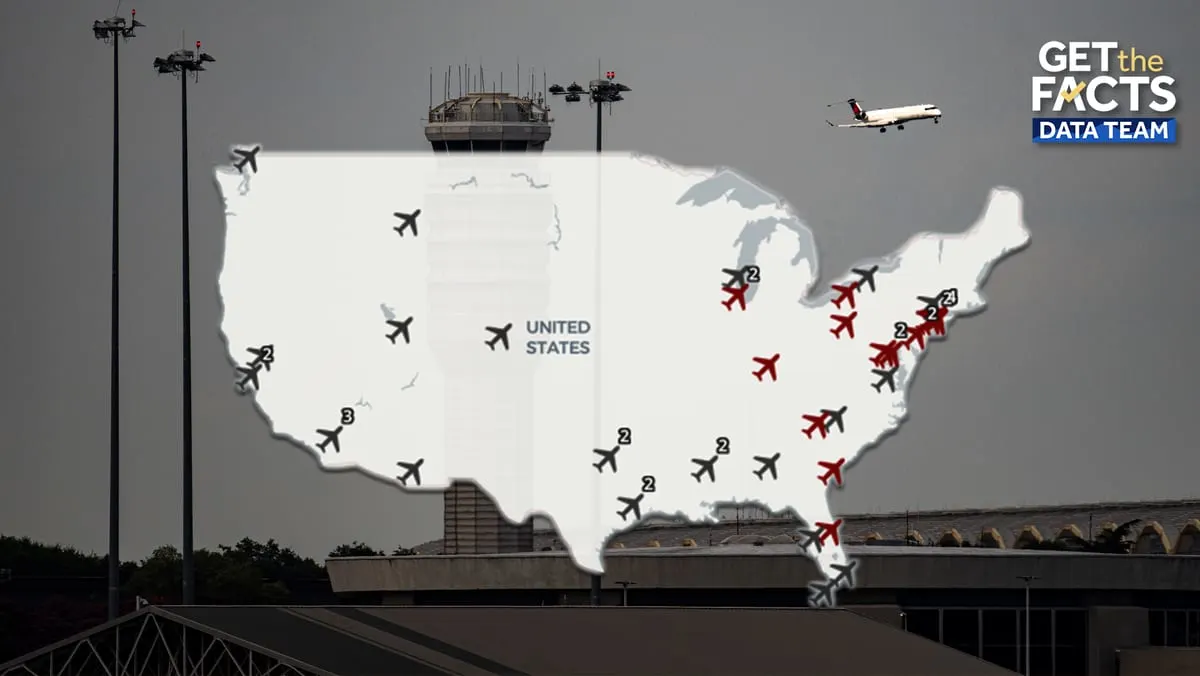
Approximately 6 near-miss incidents occur monthly at U.S. airports as 270 NTSB safety recommendations remain unaddressed by federal regulators.
NTSB Rejects FAA Safety Responses After 67-Fatality Crash
The NTSB labeled 11 FAA responses to 2025 DCA mid-air collision recommendations as unacceptable, citing the lack of a mandatory ADS-B In requirement.
EASA Orders Urgent Airbus A380 Wing Spar Inspections
The EASA ordered urgent inspections on 16 Airbus A380s after discovering wing spar cracks that could compromise structural integrity.
Ryanair Flight RK514 Diverts to Birmingham After Emergency
Ryanair flight RK514 diverted to Birmingham Airport on September 13, 2026, following a medical emergency involving a passenger.