Virgin Australia 737 Aborts Take-Off in Sydney Near-Miss

Co-Founder & CTOCo-Founder & CTO driving the technology and data systems behind Omni Flights.
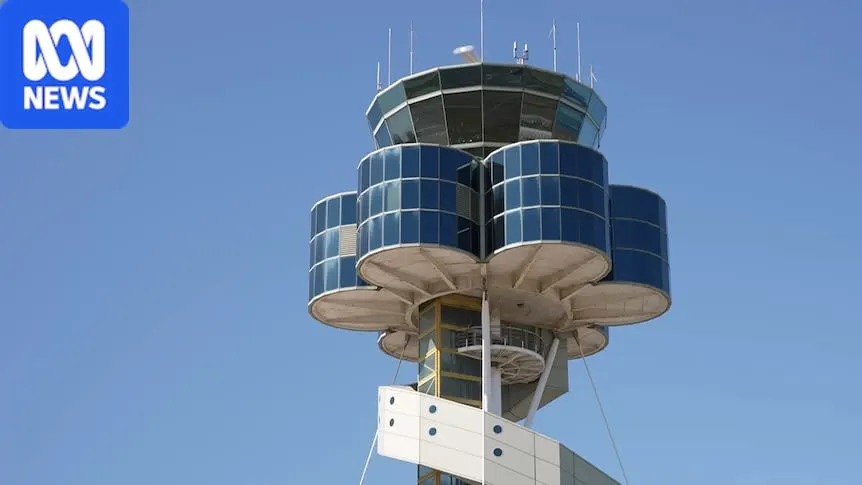
ATSB is investigating a third Sydney Airport runway incursion after a Virgin Australia 737 aborted its take-off to avoid a Qantas jet.
Key Takeaways
- •ATSB investigates third Sydney Airport runway incursion in three weeks.
- •Virgin Australia Boeing 737 aborted take-off to avoid crossing Qantas jet.
- •Aviation unions blame severe air traffic controller staffing shortages.
The Australian Transport Safety Bureau (ATSB) has launched an ATSB investigation Qantas Virgin following a serious Sydney Airport runway incursion on August 9, 2026. A Virgin Australia Boeing 737-800 aborted its take-off at high speed to avoid a crossing Qantas Boeing 737-800, marking the third major Sydney Airport safety incident within a three-week period. This air traffic control near miss highlights growing operational risks at Australia's busiest aviation hub.
The incident, which occurred on runway 34L, has intensified scrutiny on Airservices Australia and raised critical questions about air traffic control staffing levels. With three significant ground occurrences recorded between late July and early August 2026, aviation safety regulators and industry stakeholders are facing mounting pressure to address systemic coordination breakdowns. The event disrupted operations at Sydney Airport (SYD) and has drawn sharp criticism from labor representatives who warn of a workforce pushed to its limits.
Conflicting Clearances on Runway 34L
According to the ATSB (Australian Transport Safety Bureau), the August 9, 2026 incident involved Virgin Australia flight VA555 and Qantas flight QF728, both operating Boeing 737 aircraft. At approximately 10:00 am local time, the Virgin Australia crew received clearance for a full-length take-off on runway 34L. Simultaneously, the Qantas aircraft crossed the active runway's path, forcing the Virgin Australia crew to execute a high-speed rejected take-off.
The ATSB has formally classified the event under Investigation AO-2026-090 as a runway incursion and rejected take-off. The bureau's preliminary review focuses on the ATC (Air Traffic Control) instructions issued to both flights. No injuries to passengers or crew were reported, and neither aircraft sustained physical damage.
This event follows two other serious occurrences at the airport. On July 27, 2026, a runway incursion involving a Qantas Boeing 737 and a QantasLink Dash 8 triggered Investigation AO-2026-086, which the ATSB characterized as a "breakdown of coordination." Additionally, on the morning of August 9, a separate tarmac near-miss occurred between a Jetstar Airbus A320 and a Qatar Airways Boeing 777.
The TWU (Transport Workers' Union) has publicly intervened, arguing that the recent cluster of runway incursions is not merely a series of isolated procedural errors. Instead, the union asserts it is the direct result of a systemic workforce crisis and chronic understaffing of air traffic controllers. Conversely, Airservices Australia has emphasized its commitment to safety, stating, "Safety is Airservices' top priority and we are committed to working with all stakeholders including airlines, ground handlers, regulators and airport operators to keep the travelling public safe."
The operational impact of these incidents has been significant. For Airservices Australia, the high-severity stakeholder impact involves intense regulatory and public scrutiny over air traffic controller staffing levels, training, and operational procedures. Virgin Australia faces medium-severity impacts, including operational disruptions and potential crew trauma from the high-speed rejected take-off. Qantas also faces medium-severity exposure due to its involvement in multiple recent ground incidents, contributing to minor operational delays and reputational association with the safety probes.
Historical Precedents and Regional Safety Trends
The current cluster of incidents at Sydney Airport reflects historical patterns of coordination challenges. On April 29, 2023, a close proximity event occurred on parallel runways 16L and 16R. The subsequent ATSB investigation (AO-2023-022) found a breakdown in ATC separation after a departing Qantas Boeing 737 and an arriving Qantas Boeing 737 were cleared simultaneously.
Furthermore, on February 17, 2026, Melbourne Airport experienced a similar high-speed rejected take-off when a Boeing 737 aborted its departure after ATC alerted the crew to an unauthorized vehicle on the runway. These historical precedents suggest that runway safety events in Australia are increasingly linked to systemic organizational risk controls rather than isolated pilot errors.
Analyzing the ATC Coordination Breakdown
The recent sequence of runway incursions at Sydney Airport indicates a troubling trajectory within Australia's air traffic management system. Historically, runway safety relies on redundant layers of communication and strict adherence to separation standards. However, when staffing shortages compress operational margins, the probability of coordination breakdowns increases. The data from the ATSB's recent investigations suggests that the current cost and recruitment cycles at Airservices Australia have failed to keep pace with traffic recovery. This development follows the trajectory of international aviation hubs where rapid post-pandemic demand outstripped ATC capacity, leading to a temporary rise in near-miss events. For Sydney Airport, resolving these systemic workforce pressures will be critical to restoring the historical safety margins expected of Tier 1 international gateways.
Upcoming Safety Reports and Regulatory Milestones
The ATSB is currently gathering evidence, including flight data recorder information, air traffic control audio recordings, and crew interviews for both Investigation AO-2026-090 and Investigation AO-2026-086. A formal timeline has been established for these safety probes. The release of the final investigation report for the July 27 Qantas incursion (AO-2026-086) is expected in Q4 2026. Regulatory actions or operational mandates from the Civil Aviation Safety Authority may follow the publication of these findings, potentially forcing Airservices Australia to adjust its controller scheduling and capacity limits.
Why Runway Safety Margins Matter Now
For the global aviation industry, these incidents serve as a stark reminder of how quickly staffing deficits can erode operational safety margins. If Australia's primary gateway continues to experience high-profile near-misses, it risks damaging its reputation for world-class safety and facing capacity restrictions. For airlines and passengers, resolving these issues is paramount to ensuring reliable, incident-free operations during peak travel windows.
Frequently Asked Questions
- What happened during the Sydney Airport runway incursion on August 9?
- A Virgin Australia Boeing 737 aborted its take-off at high speed on runway 34L after a Qantas Boeing 737 crossed its path. The Australian Transport Safety Bureau has launched an investigation into the incident.
- Why are there safety concerns at Sydney Airport?
- The incident on August 9 was the third runway safety event at Sydney Airport within a three-week period. Aviation unions have attributed these near-misses to severe air traffic controller staffing shortages at Airservices Australia.
For global airline trends and commercial aviation news, turn to omniflights.com. Get the latest updates on major hubs, regional terminals, and airport operations via the Airports section at omniflights.com/airports.
Written by Shashank Shukla
Co-Founder & CTO leading the engineering and AI systems behind Omni Flights. Covers aviation technology, flight safety, aircraft manufacturing, and emerging aerospace developments.
Visit ProfileYou Might Also Like
Discover more aviation news based on similar topics

Families Demand DCA Midair Collision Safety Reforms
Families of 67 victims from the 2025 DCA midair collision are pressing Congress for mandatory ADS-B In technology to prevent future aviation tragedies.
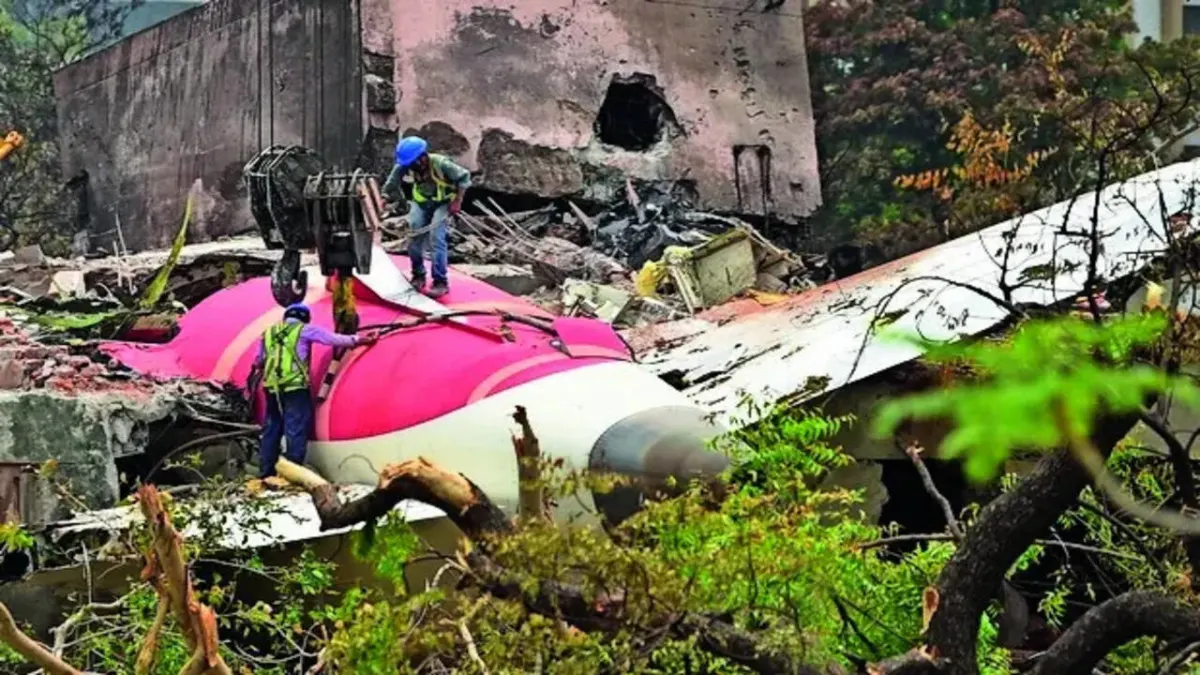
FAS Challenges AAIB Over Boeing 787 Safety Data
The Foundation for Aviation Safety is urging the AAIB to issue safety warnings for the Boeing 787 fleet following the fatal Air India 171 crash.
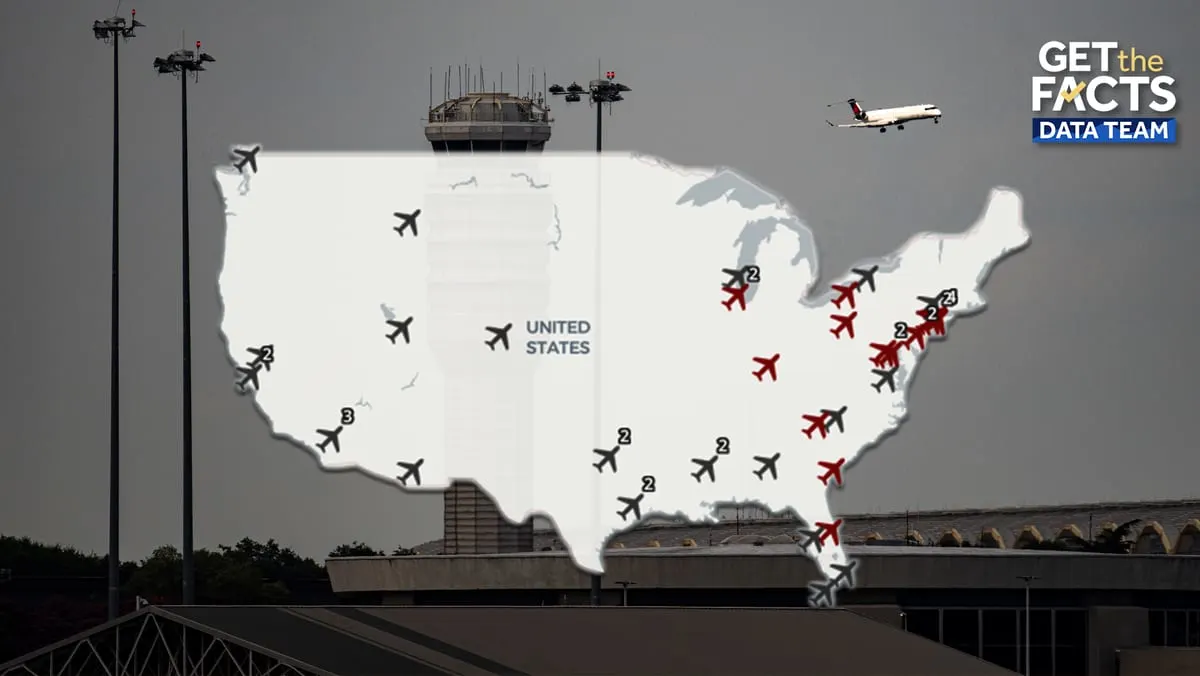
NTSB Safety Recommendations Lag Amid 6 Monthly Near-Misses
Approximately 6 near-miss incidents occur monthly at U.S. airports as 270 NTSB safety recommendations remain unaddressed by federal regulators.
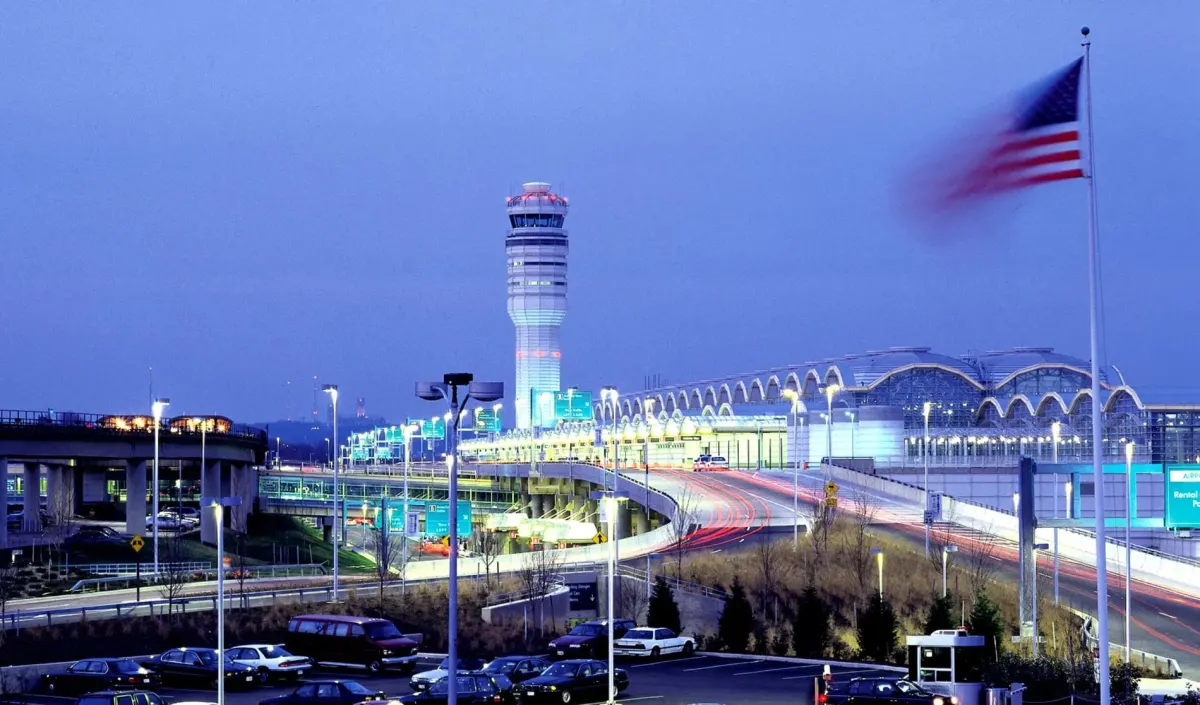
NTSB Rejects FAA Safety Responses After 67-Fatality Crash
The NTSB labeled 11 FAA responses to 2025 DCA mid-air collision recommendations as unacceptable, citing the lack of a mandatory ADS-B In requirement.
EASA Orders Urgent Airbus A380 Wing Spar Inspections
The EASA ordered urgent inspections on 16 Airbus A380s after discovering wing spar cracks that could compromise structural integrity.
Ryanair Flight RK514 Diverts to Birmingham After Emergency
Ryanair flight RK514 diverted to Birmingham Airport on September 13, 2026, following a medical emergency involving a passenger.