Israeli Airlines to Resume Outbound Flights as Airspace Reopens

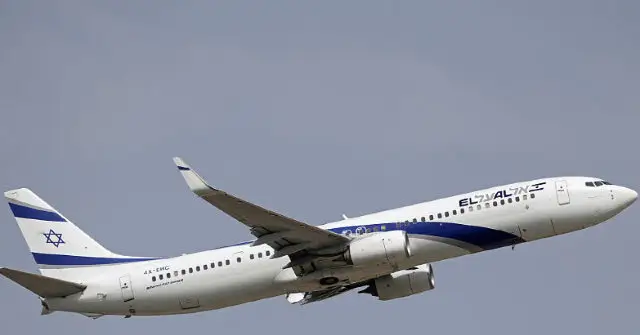
Israeli airlines will resume outbound passenger flights from Ben Gurion Airport on March 8, following a week-long airspace closure due to regional conflict.
Key Takeaways
- •Resumes outbound flights from Ben Gurion Airport on March 8, 2026.
- •Restricts initial operations to two narrow-body aircraft per hour.
- •Relies on national carriers El Al, Arkia, and Israir for repatriation.
- •Affects an estimated 120,000 to 150,000 citizens stranded abroad.
Israeli authorities have announced that outbound passenger flights will resume from Ben Gurion International Airport (TLV) starting March 8, 2026, at 8:00 a.m. local time. The decision marks a critical step toward restoring normal civilian aviation activity following a complete closure of Israeli airspace on February 28, 2026, amid military action involving Iran. This gradual reopening of Israeli airspace is being managed under strict security protocols and will initially prioritize national carriers to manage passenger flow and repatriation efforts.
The suspension of flights had a significant impact on travel, with an estimated 120,000 to 150,000 Israelis stranded abroad. In response, Israel's national carriers, including El Al Israel Airlines Ltd. (LY), Israir Airlines (6H), and Arkia Israeli Airlines (IZ), have been central to the government's strategy. These airlines conducted limited inbound repatriation flights, which began on March 4, 2026, and will now spearhead the resumption of outbound services.
A Cautious and Phased Reopening
The framework for the resumption of flights has been developed by the Israeli Ministry of Transport and Road Safety in coordination with the Israel Airports Authority (IAA) and the Civil Aviation Authority of Israel (CAAI). The plan emphasizes a cautious, phased approach to ensure safety and security. According to Sharon Kedmi, Director General of the IAA, the initial phase of operations will be highly restricted. "The re-opening will begin very cautiously, with one aircraft per hour during the first 24 hours — a narrow-body aircraft," Kedmi stated. This was later updated to a maximum of two narrow-body aircraft per hour.
Further operational constraints include caps on passenger loads for the initial outbound flights. Guidelines from the Ministry of Transport indicate limits of either 50 or 70 passengers per flight, a measure designed to manage security screening and terminal capacity under heightened alert levels. Transportation Minister Miri Regev confirmed the government's position, stating, "After assessing the situation, we have made the decision to open the skies starting Sunday for outbound flights, subject to security developments."
National Carriers Under Pressure
The crisis has underscored the strategic importance of Israel's national airlines. With most foreign carriers suspending their services to Tel Aviv, the responsibility for maintaining an air bridge fell entirely on El Al, Arkia, and Israir. This situation has placed considerable strain on their resources. During the closure of Ben Gurion Airport, some Israeli carriers operated repatriation charters to Taba, Egypt, allowing citizens to return home via land border crossings.
The pressure on national carriers during regional conflicts is a recurring challenge. In a March 2024 statement addressing a separate period of disruption, El Al CEO Dina Ben Tal Ganancia highlighted the operational limits. "We are waiting for foreign airlines to return to flying to Israel because we do not have the ability to meet all the demand. El Al was here for the state and we were pushed to the limit," she commented. This sentiment reflects the current situation, where national carriers must balance government directives, security protocols, and immense passenger demand.
The conflict has also caused widespread regional airspace disruption, with closures and cancellations affecting major hubs and air corridors across the Middle East, including in Iran, Iraq, Qatar, and the UAE.
Why This Matters
This gradual reopening of Israeli airspace serves as a significant case study in managing civil aviation amidst intense geopolitical conflict. It highlights the critical role of national flag carriers in maintaining essential connectivity and repatriation capabilities when international partners withdraw. For the aviation industry, the event underscores the necessity of robust contingency planning and the complex coordination required between government ministries, civil aviation authorities, and airport operators to ensure a secure and phased return to service. The strict operational limits demonstrate a prioritization of security over a rapid resumption of commercial capacity, a model likely to be observed in other conflict-prone regions.
Stay ahead of the airline industry with commercial aviation news from omniflights.com. Get the latest updates on major hubs, regional terminals, and airport operations via the Airports section at omniflights.com/airports.

Written by Ujjwal Sukhwani
Aviation News Editor & Industry Analyst delivering clear coverage for a worldwide audience. Covers flight operations, safety regulations, and market trends with expert analysis.
Visit ProfileYou Might Also Like

Southwest Reports Record Q3 Revenue Amid Transformation
American Airlines Reports Record Q3 Revenue Amid Fuel Costs
American Airlines Projects 2026 Loss on Rising Fuel Costs

American Airlines to Nearly Triple Premium 787-9 Fleet

Airline Shares Rise Following United Revenue Guidance