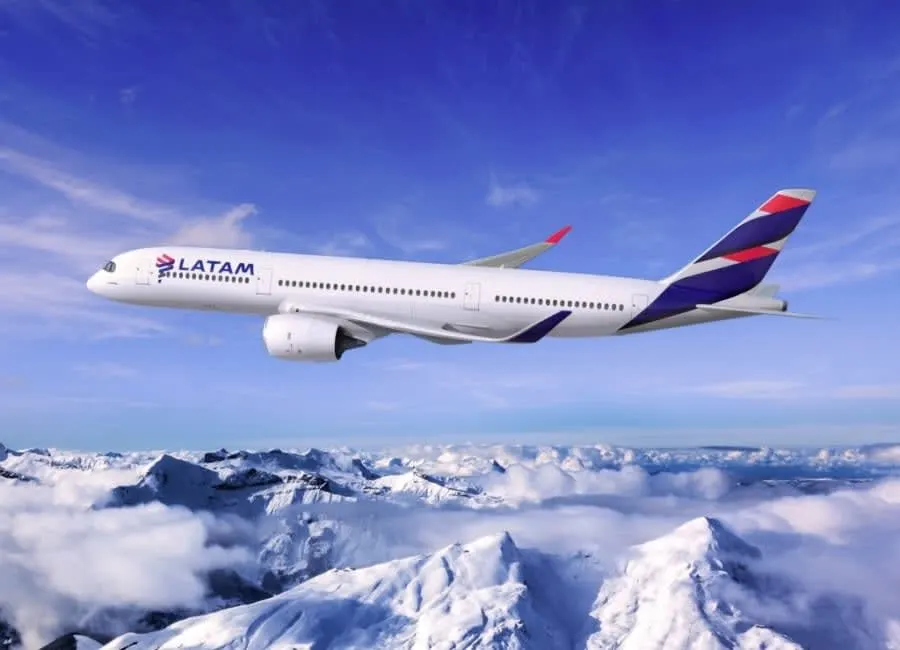
ISCC, OMV, Airbus Partner to Strengthen SAF 'Book and Claim' Model


ISCC, OMV, and Airbus have partnered to develop a credible 'Book and Claim' model, aiming to accelerate Sustainable Aviation Fuel (SAF) uptake industry-wide.
Key Takeaways
- •Establishes a partnership between ISCC, OMV, and Airbus to bolster the SAF 'book and claim' model.
- •Aims to create a trustworthy and transparent chain of custody to accelerate SAF adoption.
- •Addresses logistical bottlenecks that currently limit the physical distribution of SAF.
- •Supports industry compliance with regulatory mandates like ReFuelEU Aviation and CORSIA.
A new collaboration between the International Sustainability and Carbon Certification (ISCC), energy company OMV, and aircraft manufacturer Airbus aims to establish a more robust framework for Sustainable Aviation Fuel (SAF) 'book and claim' systems. The partnership seeks to build a trustworthy and transparent chain of custody model to accelerate the adoption of SAF, a critical component of the aviation industry's decarbonization strategy. This initiative directly addresses the logistical challenges that currently inhibit the widespread physical distribution of SAF.
The 'book and claim' model is designed to overcome significant infrastructure and supply chain hurdles. It works by decoupling the environmental attributes of SAF from the physical fuel molecules. An airline or corporate customer can purchase (book) a quantity of SAF and its associated carbon reduction benefits, even if the fuel is produced and consumed in a different geographical location. The physical SAF is delivered to the nearest airport and used by any aircraft, while the purchaser receives the certified emissions reduction (claim) to apply against their own carbon footprint. This collaboration between a certification body, a fuel producer, and an original equipment manufacturer (OEM) represents a first-of-its-kind effort to standardize and validate this process, preventing issues like double counting and ensuring claims are credible.
Scaling Production Amidst Logistical Hurdles
The need for an effective 'book and claim' system is underscored by the current state of SAF production. According to a report from Future Cleantech Architects, global SAF production in 2023 was approximately 0.5 million tonnes. The European Union's production capacity was about 0.24 million tonnes, representing just 0.6% of the bloc's total jet fuel consumption. With production facilities geographically concentrated, physically transporting SAF to every airport is economically and logistically unfeasible at scale.
A credible 'book and claim' system allows the market to grow without waiting for a complete overhaul of global fuel logistics infrastructure. It enables airlines and corporate clients worldwide to invest in SAF production and meet their sustainability targets, stimulating demand signals that are crucial for producers like OMV to scale up their manufacturing capacity. According to Airbus and the World Economic Forum, SAF can reduce lifecycle carbon emissions by up to 80% compared to conventional jet fuel, making it the most significant tool for near-term aviation decarbonization.
Regulatory Drivers and Market Projections
The collaboration is timely, as regulatory mandates are set to sharply increase SAF demand. The ReFuelEU Aviation Regulation, an initiative by the European Union, mandates a minimum 2% SAF blend at EU airports starting in 2025. This requirement will increase to 6% in 2030 and 70% in 2050. On a global scale, the International Civil Aviation Organization's (ICAO) Carbon Offsetting and Reduction Scheme for International Aviation (CORSIA) allows airlines to use eligible SAF to meet their emissions offsetting obligations. A transparent 'book and claim' system is seen as a key mechanism for airlines to efficiently comply with these regulations.
The market for SAF is poised for rapid expansion. A market report from Fortune Business Insights valued the global sustainable aviation fuel market at USD 2.72 billion in 2025. The same report projects the market will grow to USD 40.09 billion by 2034, reflecting a compound annual growth rate (CAGR) of 33.3%. This growth is contingent on building reliable systems that foster market confidence.
A Cross-Value-Chain Approach to Trust
The partnership leverages the unique expertise of each entity. ISCC provides the globally recognized certification framework, ensuring sustainability criteria and traceability are met. OMV, an integrated energy and petrochemicals company, brings the perspective of a large-scale fuel producer. Airbus represents the aircraft manufacturing and end-user side of the value chain, ensuring the system aligns with airline operational needs and decarbonization goals.
“Scaling SAF is not only a question of production and demand, but also of trust,” said Dr. Norbert Schmitz, Managing Director of ISCC, in an official statement. “Fuel producers, aircraft manufacturers and certification systems each play different roles, but credible and scalable solutions can only emerge when such perspectives come together. ISCC's support ensures that variable chain of custody approaches are transparent, comparable and robust as the SAF market evolves.”
Why This Matters
This collaboration is significant because it directly tackles the credibility gap that can undermine 'book and claim' systems. By creating a standardized, transparent, and verifiable framework, the partners aim to unlock wider corporate and airline investment in SAF. A successful model would accelerate the entire SAF market, helping the aviation industry move closer to its ambitious 2050 net-zero carbon emissions targets by making SAF a more accessible and commercially viable option globally.
For in-depth airline coverage and commercial aviation news, omniflights.com delivers timely industry insights. Track policy changes, airspace rules, and global aviation governance in the Regulatory category at omniflights.com/regulatory.

Written by Ujjwal Sukhwani
Aviation News Editor & Industry Analyst delivering clear coverage for a worldwide audience. Covers flight operations, safety regulations, and market trends with expert analysis.
Visit ProfileYou Might Also Like

American Airlines Flies First U.S. eSAF Passenger Flight
Akasa Air Partners with BPCL to Advance SAF in India

Delta, Shell Aviation Ink 5-Year SAF Supply Agreement
Indonesia to Mandate 1% SAF Blend for Flights by 2027
Gulfstream G800 Completes 100% SAF High-Altitude Emissions Test