IndiGo Pilots Trial SITA OptiClimb to Reduce Fuel Burn

Co-Founder & CEOAviation News Editor delivering trusted coverage across the global aviation industry.
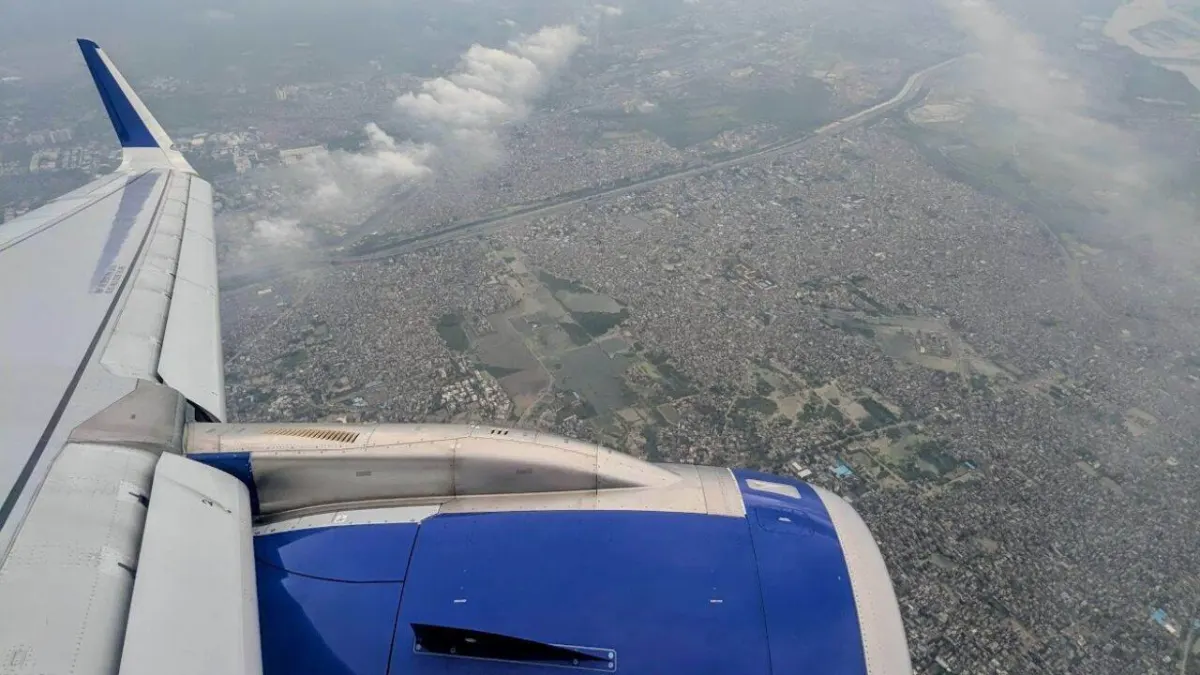
IndiGo has launched a trial of the SITA OptiClimb AI solution across its Airbus fleet to optimize fuel efficiency during the energy-intensive climb phase.
Key Takeaways
- •IndiGo is trialing SITA OptiClimb to optimize fuel use during climb.
- •The AI tool aims to save 60-65 kg of fuel per take-off.
- •IndiGo operates an average of over 2,000 flights per day.
- •Fuel costs represent 35-40% of operating expenses for Indian airlines.
IndiGo Initiates AI-Driven Climb Optimization
IndiGo has commenced a trial of the SITA OptiClimb solution, an AI flight optimization tool designed to improve fuel efficiency across its Airbus fleet. The initiative seeks to address the most fuel-intensive phase of flight—the climb—by utilizing advanced analytics to adjust ascent profiles dynamically. According to internal communications from Captain Ashim Mittra, IndiGo’s senior vice president of flight operations, the airline aims to achieve savings of 60-65 kilograms of fuel per take-off. With IndiGo operating an average of over 2,000 flights per day, the cumulative impact of these marginal gains could be significant if the technology is adopted as a permanent feature.
The Shift to Data-Driven Performance
For Indian carriers, aviation turbine fuel typically accounts for 35% to 40% of total operating expenses. This high cost base has forced airlines to look beyond conventional Flight Management System (FMS) capabilities. While traditional systems rely on constant-speed climb profiles, the SITA OptiClimb software utilizes tail-specific digital twins and 4D weather forecasts to calculate the most efficient climb trajectory. This move toward AI flight optimization reflects a broader industry trend where carriers are aggressively pursuing incremental fuel reductions to combat volatile energy prices. The trial requires pilots to adapt to dynamic, AI-recommended speeds, marking a change from standard, fixed-speed ascent procedures.
Historical Context and Industry Precedents
The necessity for such precision in fuel management traces back to the 2008 global financial crisis, which forced airlines to aggressively strip non-essential weight from aircraft. While those initial measures focused on physical weight, the current focus has shifted toward technological optimization. This development follows the recent industry trend of integrating predictive analytics into flight operations. Notably, the Air India Group implemented the same OptiClimb technology across its A320 and 737 fleets in September 2025, targeting an annual carbon emission reduction of 35,000 tons. The success of that rollout serves as a direct precedent for IndiGo’s current trial.
Conventional FMS vs. OptiClimb
| Metric | Conventional FMS Optimization | AI-Powered OptiClimb |
|---|---|---|
| Climb Speed | Constant | Variable (real-time data) |
| Optimization Basis | Generic aircraft model | Tail-specific digital twin / 4D weather |
| Fuel Savings | Baseline | Up to 5% reduction (approx 60-65 kg) |
Regulatory Compliance and Safety
Any implementation of variable climb speeds must remain strictly within the bounds of Air Traffic Control (ATC) requirements. Captain Ashim Mittra emphasized that the primary objective is to enhance efficiency while maintaining full adherence to safety protocols set by the Directorate General of Civil Aviation (DGCA). Because climb profiles must align with airspace speed restrictions and standard separation protocols, the AI solution is designed to supplement, rather than bypass, existing safety and operational frameworks. Pilots are instructed to prioritize these safety standards throughout the trial period.
Timeline for Fleet Integration
Following the conclusion of the trial, IndiGo will evaluate performance data to determine whether to standardize the OptiClimb solution across its entire Airbus fleet. The airline has not yet announced a firm date for a full-scale rollout, as the decision remains contingent upon the measurable reductions in fuel burn and carbon emissions observed during the trial flights. The successful integration of this technology would further position IndiGo to manage the operational costs of its large and growing fleet, as the industry continues to seek efficiency gains while awaiting the next generation of engine architectures, which are expected to arrive in the next decade.
Frequently Asked Questions
- What is the SITA OptiClimb solution?
- SITA OptiClimb is an AI-powered flight optimization tool that helps pilots reduce fuel burn and carbon emissions during the climb phase of a flight by using tail-specific digital twins and 4D weather forecasts.
- How much fuel does IndiGo aim to save per take-off with this AI solution?
- IndiGo aims to save 60-65 kilograms of fuel per take-off using the OptiClimb AI solution during its trial period.
Visit omniflights.com for the latest commercial aviation news and airline industry updates. From aircraft production to supply chains, commercial aviation manufacturing news is covered at omniflights.com/manufacturing.
Written by Hardik Vishwakarma
Co-Founder & Aviation News Editor leading initiatives that improve trust and visibility across the global aviation industry. Covers airlines, airports, safety, and emerging technology.
Visit ProfileYou Might Also Like
Discover more aviation news based on similar topics
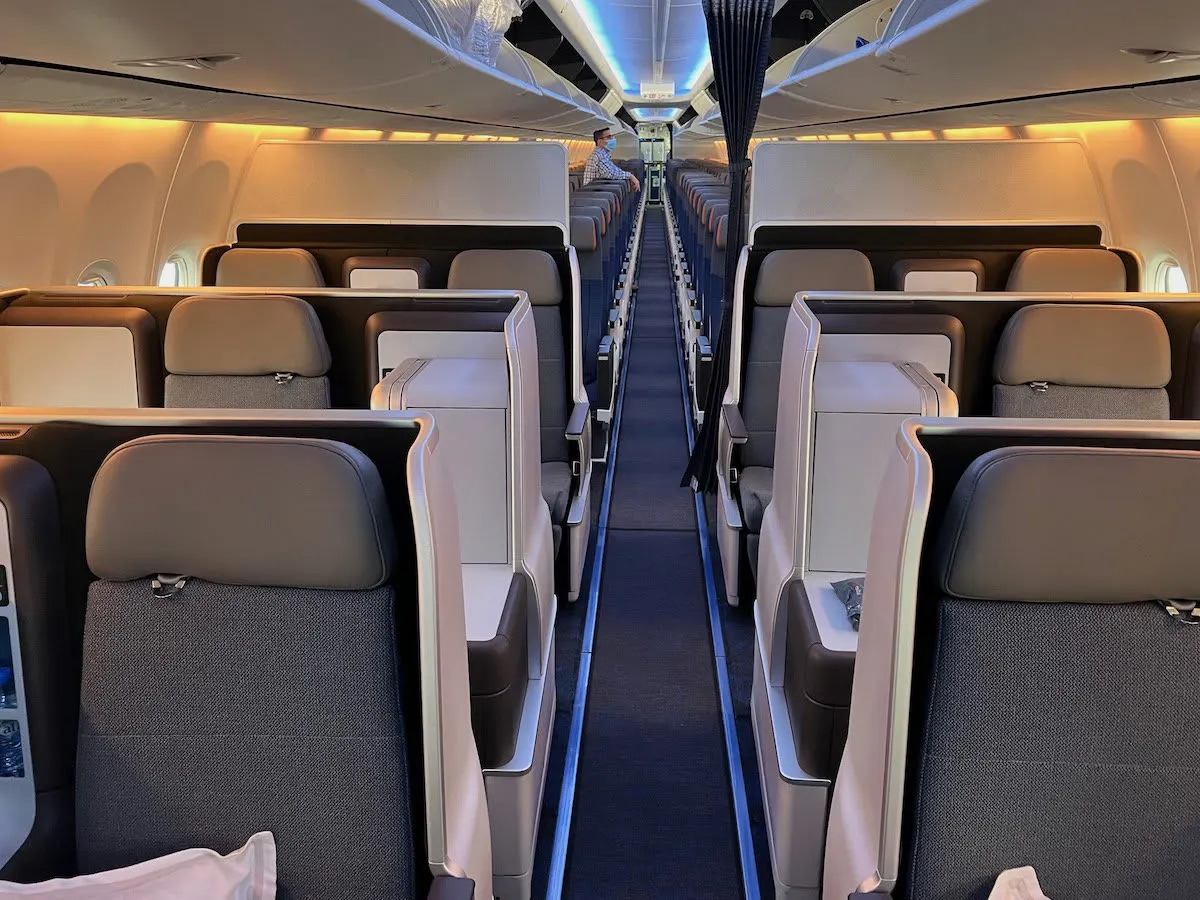
Flydubai Upgrading 21 Boeing 737 MAX 8s to Flat Bed Seats
Flydubai is retrofitting 21 Boeing 737 MAX 8 aircraft with lie-flat business class seats to standardize its premium product by late 2027.
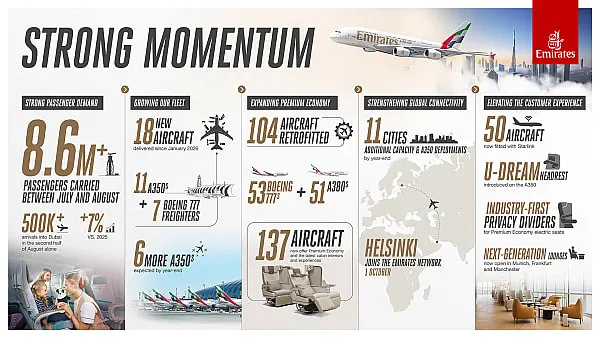
Emirates Winter Booking Momentum Grows Amid Fleet Expansion
Emirates carried 8.6 million passengers this summer and enters winter with strong demand as it accelerates fleet retrofits and network growth.
Air Arabia Consortium Gains AOC for New Dammam Budget Airline
A Saudi GACA-led consortium including Air Arabia has secured an AOC to launch a new budget airline based at Dammam's King Fahd International Airport.

Turkish Airlines Exits Luanda as Angola Hub Struggles
Turkish Airlines dropped its Luanda route as Angola's new airport struggles to attract traffic, handling only 756,028 passengers in 2025.

Red Sea Airlines Leases Two 737 MAX 8s for 2027 Expansion
Red Sea Airlines signed a lease for two Boeing 737 MAX 8 aircraft from SMBC Aviation Capital, arriving in 2027 to support its 14-aircraft fleet goal.
Avelo CEO Warns Airfares May Rise on Jet Fuel Price Spikes
Avelo Airlines CEO Andrew Levy warns that rising fuel costs may force fare increases as global jet fuel prices reach $171.01 per barrel.