IndiGo Passenger Charged After Attempting to Open Exit Door on Varanasi Flight

Co-Founder & CEOAviation News Editor delivering trusted coverage across the global aviation industry.
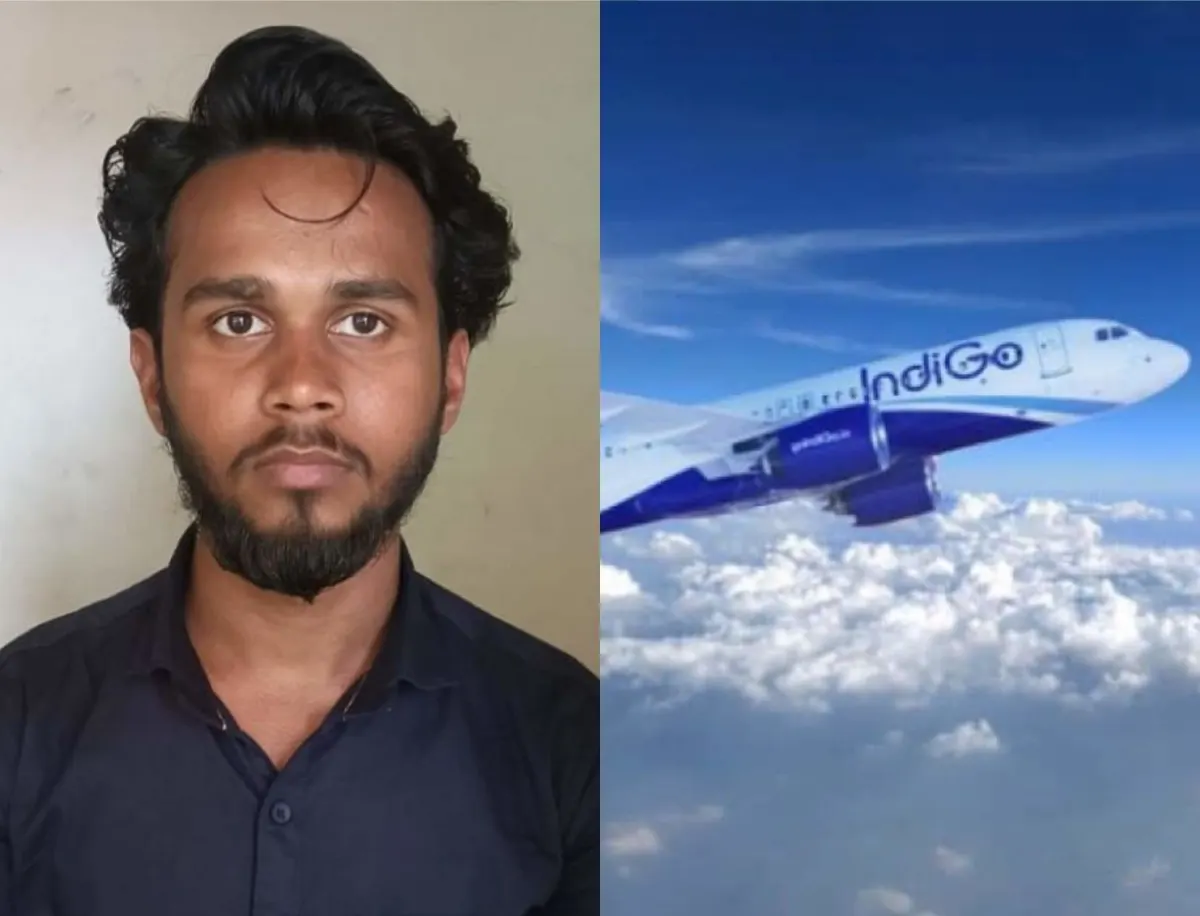
An IndiGo passenger faces charges after attempting to open an emergency exit mid-flight, forcing the pilot to execute a go-around before landing safely.
Key Takeaways
- •Faces charges under Section 125 of the BNS for endangering passenger safety.
- •Forced the flight crew to execute a go-around procedure before landing in Varanasi.
- •Highlights a 37% year-over-year increase in unruly passenger reports in India.
- •Adds pressure on the DGCA to finalize stricter rules for handling disruptive passengers.
A passenger on an IndiGo flight 6E-185 from Bengaluru to Varanasi was detained and charged after attempting to open an emergency exit door mid-flight on March 28, 2026. The incident forced the pilot to abort the landing and perform a go-around, highlighting a growing trend of unruly passenger behavior that Indian regulators are seeking to address with stricter rules.
The event underscores the significant safety risks posed by disruptive passengers and tests the effectiveness of current in-flight security protocols. For the 115 passengers on board, the flight was delayed by approximately 15 minutes, but the broader impact resonates with the Directorate General of Civil Aviation (DGCA), India's aviation regulator, which is in the process of tightening its rules to curb such incidents.
Incident Details and Immediate Response
The incident occurred as flight 6E-185 was on its final approach to Lal Bahadur Shastri International Airport (VNS) in Varanasi. The passenger, identified as Mohammad Adnan, reportedly attempted to open the emergency exit door. Cabin crew intervened, and the pilot initiated a go-around procedure in coordination with Air Traffic Control (ATC) to ensure a safe landing, which occurred at approximately 10:35 PM.
Upon landing, Mr. Adnan was handed over to the Central Industrial Security Force (CISF), the federal agency responsible for airport security in India. He was subsequently booked by local law enforcement under Section 125 of the Bharatiya Nyaya Sanhita (BNS), a statute addressing acts that endanger the life or personal safety of others. Reports indicate this was not the passenger's first attempt; he had allegedly tampered with the door shortly after takeoff before being warned by a flight attendant.
Regulatory Context and Safety Protocols
While alarming, opening a plug-type emergency exit door mid-flight is physically impossible for a passenger due to the significant cabin pressure differential. However, tampering with the door handle, especially during the critical phases of takeoff or landing when pressure is lower, presents a serious safety breach that can compromise the integrity of the door and trigger emergency systems.
The response to this event is governed by India's established framework for handling disruptive passengers. According to the DGCA's Civil Aviation Requirements (CAR) Section 3, Series M, Part VI, airlines have a strict protocol for reporting, restraining, and penalizing unruly individuals. The filing of charges under the BNS demonstrates the legal severity with which authorities treat such actions.
A Growing Trend of Disruptive Behavior
This incident is not an isolated case but part of a documented rise in unruly passenger behavior in India. The DGCA reported a 37% year-over-year jump in disruptive-passenger reports in 2025. This trend has prompted the regulator to propose amendments for stricter penalties, including immediate 30-day flying bans pending an internal airline committee review.
According to data from the Ministry of Civil Aviation, over 375 passengers were placed on India's national no-fly list between 2020 and 2025. In 2023 alone, 108 individuals were barred from flying by Indian airlines for unruly conduct. The government's rules to tackle on-board disruptive behavior categorize offenses to determine the length of a flying ban, which can be extended indefinitely.
Historical Precedents
This event draws parallels to other emergency exit incidents globally. In May 2023, a passenger on Asiana Airlines Flight 8124 successfully opened an emergency door at 700 feet, resulting in his arrest and potential for a 10-year prison sentence. That incident demonstrates the severe consequences of a successful breach at low altitude. In contrast, an incident on IndiGo Flight 6E 7339 in December 2022, where a passenger accidentally opened an exit door while the aircraft was on the ground, resulted only in a two-hour delay for engineering checks, highlighting the critical difference between on-ground and in-flight occurrences.
What Comes Next
The legal process for Mohammad Adnan is expected to proceed through late 2026. This will involve a police investigation and potential prosecution under the BNS. Concurrently, IndiGo's internal committee will decide whether to place him on the national no-fly list.
From a regulatory standpoint, this high-profile case is expected to add momentum to the DGCA's efforts to finalize its 'Zero Tolerance' unruly passenger rules, which are anticipated by mid-2026. These new regulations aim to provide airlines with more power to issue immediate, albeit temporary, flying bans as a deterrent.
Why This Matters
This IndiGo incident serves as a critical case study in the ongoing effort to balance passenger safety, airline authority, and individual rights. It moves beyond a sensational headline to stress-test India's aviation safety and legal frameworks, potentially accelerating regulatory changes that will impact how all airlines in the country manage disruptive behavior and enforce consequences.
From airline operations to fleet updates, commercial aviation news lives at omniflights.com. Get the latest updates on major hubs, regional terminals, and airport operations via the Airports section at omniflights.com/airports.
Written by Hardik Vishwakarma
Co-Founder & Aviation News Editor leading initiatives that improve trust and visibility across the global aviation industry. Covers airlines, airports, safety, and emerging technology.
Visit ProfileYou Might Also Like
Discover more aviation news based on similar topics

Families Demand DCA Midair Collision Safety Reforms
Families of 67 victims from the 2025 DCA midair collision are pressing Congress for mandatory ADS-B In technology to prevent future aviation tragedies.
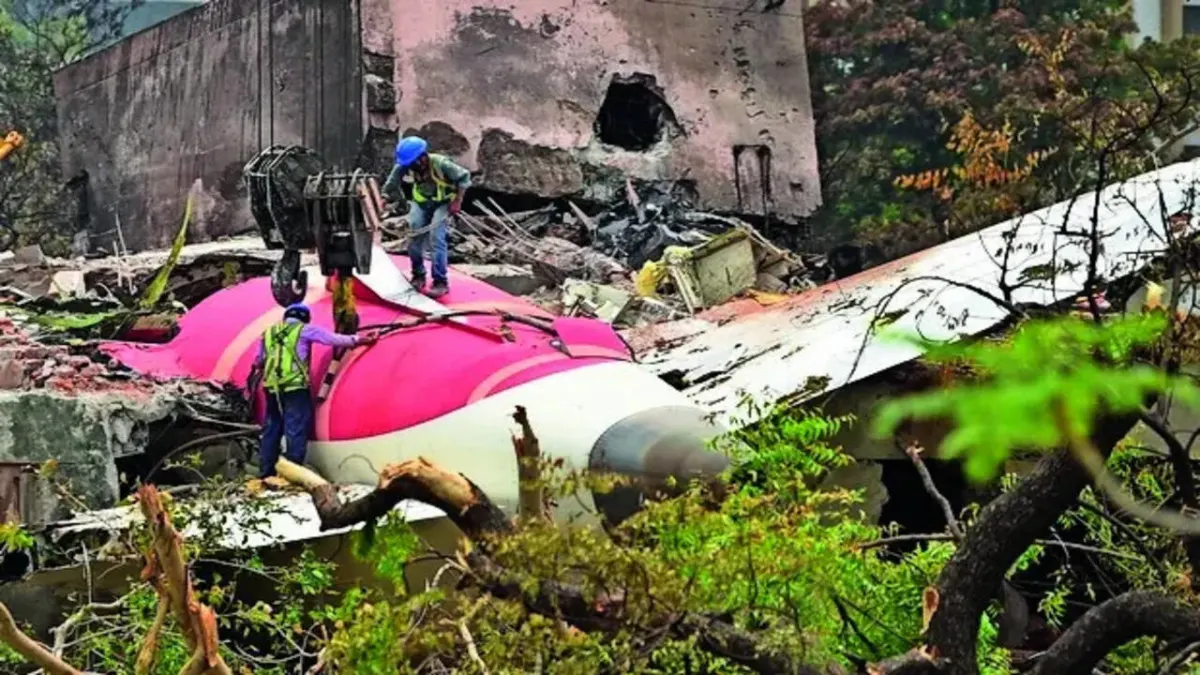
FAS Challenges AAIB Over Boeing 787 Safety Data
The Foundation for Aviation Safety is urging the AAIB to issue safety warnings for the Boeing 787 fleet following the fatal Air India 171 crash.
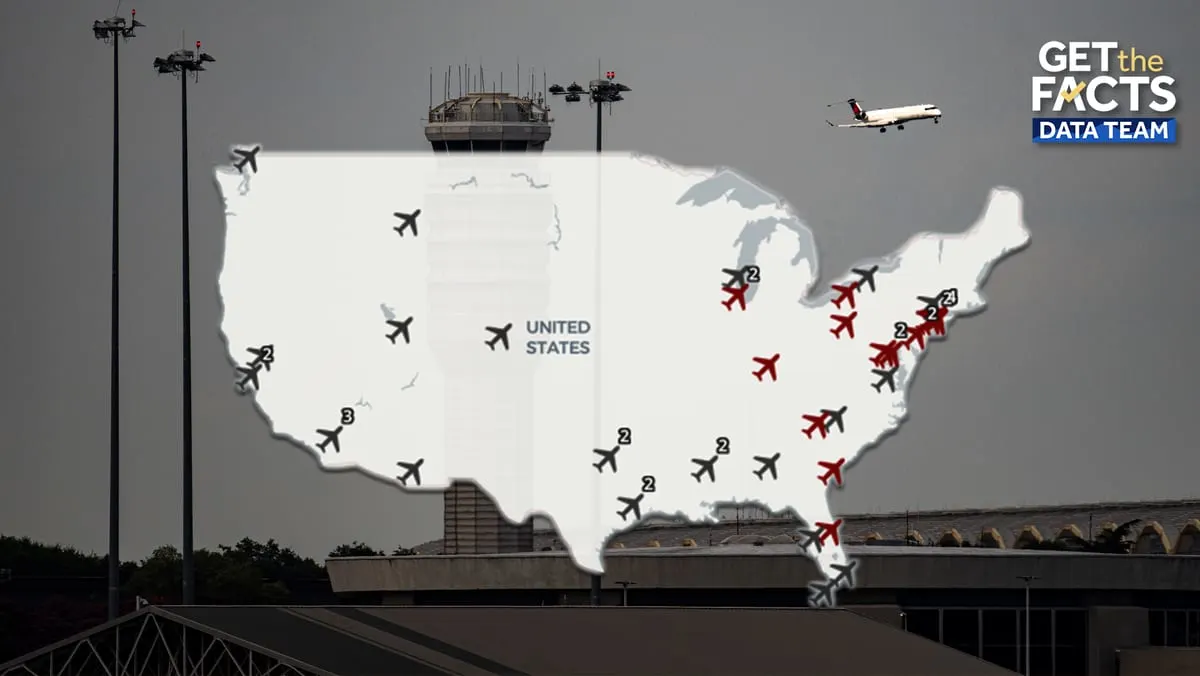
NTSB Safety Recommendations Lag Amid 6 Monthly Near-Misses
Approximately 6 near-miss incidents occur monthly at U.S. airports as 270 NTSB safety recommendations remain unaddressed by federal regulators.
NTSB Rejects FAA Safety Responses After 67-Fatality Crash
The NTSB labeled 11 FAA responses to 2025 DCA mid-air collision recommendations as unacceptable, citing the lack of a mandatory ADS-B In requirement.
EASA Orders Urgent Airbus A380 Wing Spar Inspections
The EASA ordered urgent inspections on 16 Airbus A380s after discovering wing spar cracks that could compromise structural integrity.
Ryanair Flight RK514 Diverts to Birmingham After Emergency
Ryanair flight RK514 diverted to Birmingham Airport on September 13, 2026, following a medical emergency involving a passenger.