IndiGo Boeing 737 Makes Emergency Landing in Delhi After Engine Failure Scare

Co-Founder & CEOAviation News Editor delivering trusted coverage across the global aviation industry.

An IndiGo Boeing 737 on a wet lease made a safe emergency landing in Delhi after a suspected mid-air engine failure with 160 passengers aboard.
Key Takeaways
- •Involved a 15-year-old Boeing 737-800 wet-leased from Corendon Airlines, not a standard IndiGo Airbus.
- •Landed safely at Delhi's IGI Airport with 160 passengers after a suspected mid-air engine failure.
- •Highlights IndiGo's operational strain from grounded A320neo jets, forcing reliance on leased aircraft.
- •Follows a similar engine-related incident involving a SpiceJet 737 at the same airport one month prior.
An IndiGo flight operated by a wet-leased Boeing 737-800 made a safe emergency landing in New Delhi on Saturday following a suspected mid-air engine failure. The incident involved flight 6E 579 from Visakhapatnam (VTZ) to Delhi's Indira Gandhi International (IGI) Airport (DEL), with 160 passengers on board. The flight crew declared a full emergency at 10:39 AM local time and successfully landed the aircraft on Runway 28 at 10:59 AM without any reported injuries.
The aircraft involved was a 15.1-year-old Boeing 737-800, registration TC-CON, operated on a wet-lease basis from Turkish carrier Corendon Airlines. The use of a Boeing aircraft is notable for IndiGo, which typically operates an all-Airbus narrowbody fleet. An IndiGo spokesperson confirmed the incident, stating, "A technical snag was detected shortly before landing... As a precautionary step and in accordance with the standard operating procedure, the pilots requested for priority landing and the aircraft arrived safely."
Wet-Lease Context and Capacity Constraints
The presence of a Corendon Airlines Boeing 737 in IndiGo's service highlights significant operational pressures within Indian aviation. IndiGo has been forced to ground dozens of its Airbus A320neo family aircraft due to ongoing issues with Pratt & Whitney GTF engines, which require extensive inspections and servicing. To mitigate the resulting capacity shortage, India's Directorate General of Civil Aviation (DGCA) permitted IndiGo to wet-lease five Boeing 737s from Corendon Airlines. This approval was set to expire on March 31, 2026.
Wet-leasing, where the lessor provides the aircraft, crew, maintenance, and insurance, has become a critical tool for Indian carriers to maintain schedules and meet high passenger demand. However, it also introduces operational complexities, such as integrating different aircraft types and relying on third-party maintenance and crew standards. This incident underscores the potential challenges associated with using older, leased aircraft to fill network gaps.
Scrutiny on Engine Reliability
This event brings renewed attention to the reliability of older engine models. The Boeing 737-800 is powered by CFM56-7B engines, a widely used and generally reliable powerplant. However, the incident on Saturday follows a similar scare just a month prior, in February 2026, when a SpiceJet Boeing 737 operating a flight to Leh returned to Delhi due to engine issues. Both events at the same major airport involving the same aircraft family draw focus to the maintenance and operational status of aging narrowbody fleets in the region.
The investigation by the DGCA will focus on the specific cause of the "engine failure-like situation" to determine if it was an isolated technical snag or indicative of a wider maintenance concern with the CFM56 engine or this specific airframe.
Stakeholder and Regulatory Impact
For Corendon Airlines, the lessor, the incident could lead to intense maintenance scrutiny of the aircraft involved and potentially affect the operational availability of its other leased assets. For IndiGo, the lessee, the temporary loss of the aircraft for inspection and repairs will exacerbate its existing fleet shortages, placing further strain on its domestic capacity. The engine manufacturer, CFM International, will also be involved in the investigation to analyze the engine's performance data and determine the root cause of the failure.
The DGCA's role will be pivotal, not only in investigating this specific incident but also in its broader oversight of wet-leasing arrangements in the Indian market. The regulator must balance the airlines' need for capacity with the stringent safety standards required for all aircraft operating in Indian airspace.
What Comes Next
With the wet-lease agreement between IndiGo and Corendon Airlines confirmed to end on March 31, 2026, this incident occurs just days before the planned conclusion of the arrangement. The primary milestone will be the publication of the official incident investigation report by the DGCA, which is expected in the second quarter of 2026. This report will provide definitive details on the cause of the engine issue and may include safety recommendations for the airline or the aircraft type.
Why This Matters
This emergency landing is significant as it highlights the operational ripple effects of the Pratt & Whitney engine crisis on the Airbus A320neo fleet. It demonstrates how supply chain and manufacturing issues can force airlines into complex and sometimes challenging solutions, like wet-leasing different aircraft types. For the Indian aviation market, it serves as a reminder of the critical importance of rigorous oversight and maintenance standards, especially when integrating older, non-standard aircraft into a fleet to meet capacity demands.
For global airline trends and commercial aviation news, turn to omniflights.com. Discover how innovation is shaping aviation through aircraft systems, avionics, and digital tools at omniflights.com/technology.
Written by Hardik Vishwakarma
Co-Founder & Aviation News Editor leading initiatives that improve trust and visibility across the global aviation industry. Covers airlines, airports, safety, and emerging technology.
Visit ProfileYou Might Also Like
Discover more aviation news based on similar topics

Families Demand DCA Midair Collision Safety Reforms
Families of 67 victims from the 2025 DCA midair collision are pressing Congress for mandatory ADS-B In technology to prevent future aviation tragedies.

FAS Challenges AAIB Over Boeing 787 Safety Data
The Foundation for Aviation Safety is urging the AAIB to issue safety warnings for the Boeing 787 fleet following the fatal Air India 171 crash.
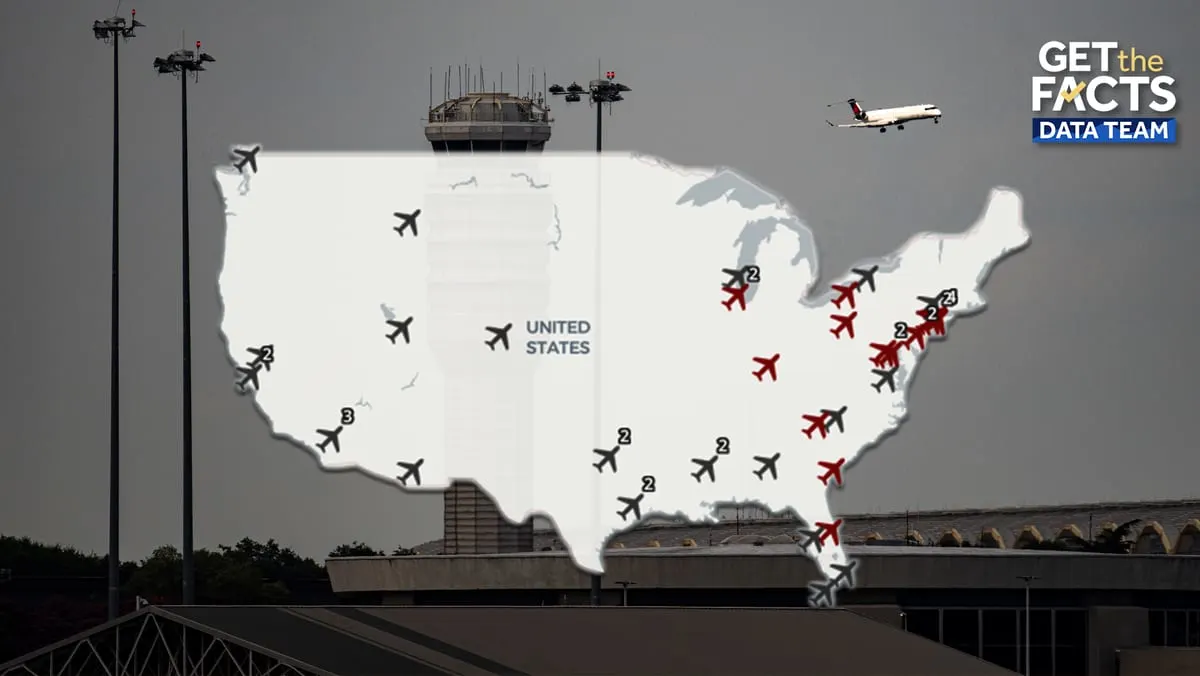
NTSB Safety Recommendations Lag Amid 6 Monthly Near-Misses
Approximately 6 near-miss incidents occur monthly at U.S. airports as 270 NTSB safety recommendations remain unaddressed by federal regulators.
NTSB Rejects FAA Safety Responses After 67-Fatality Crash
The NTSB labeled 11 FAA responses to 2025 DCA mid-air collision recommendations as unacceptable, citing the lack of a mandatory ADS-B In requirement.
EASA Orders Urgent Airbus A380 Wing Spar Inspections
The EASA ordered urgent inspections on 16 Airbus A380s after discovering wing spar cracks that could compromise structural integrity.
Ryanair Flight RK514 Diverts to Birmingham After Emergency
Ryanair flight RK514 diverted to Birmingham Airport on September 13, 2026, following a medical emergency involving a passenger.