India Pivots from Aviation Buyer to Global Manufacturer

Co-Founder & CEOAviation News Editor delivering trusted coverage across the global aviation industry.
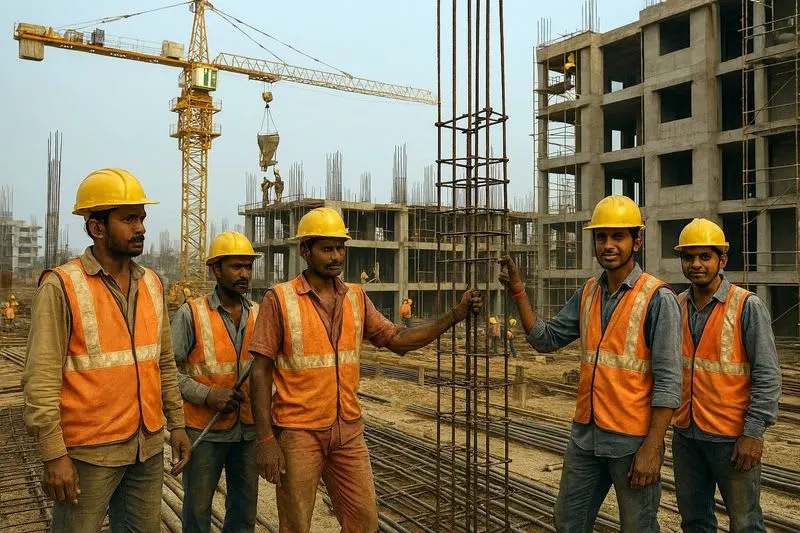
India aims to transform its aerospace sector through the Make in India initiative, targeting domestic manufacturing alongside massive fleet renewals.
Key Takeaways
- •IndiGo has placed orders for approximately 1,000 Airbus aircraft.
- •Air India is executing a 570-aircraft fleet renewal program.
- •India is shifting from hardware importer to global aerospace manufacturer.
- •Navi Mumbai airport expects to launch international operations in July 2026.
The Shift in India's Aerospace Strategy
For decades, India's economic rise has been defined by its status as one of the world's largest importers of aviation and military hardware. However, Prime Minister Narendra Modi is leading a fundamental shift toward India aviation manufacturing, aiming to transition the nation from a consumer of global technology to a significant producer. This policy, anchored in the Aatmanirbhar Bharat (self-reliant India) framework, seeks to establish the country as a global aerospace hub while reducing dependence on foreign supply chains.
Unprecedented Fleet Expansion
The urgency of this transformation is driven by a domestic market expanding at an unmatched pace. IndiGo Airbus aircraft orders now approach 1,000 units, securing its position as one of the largest customers in the airline industry. Simultaneously, the Air India fleet renewal program, involving approximately 570 aircraft from Airbus and Boeing, represents one of the largest such initiatives in aviation history. These massive commitments provide New Delhi with significant leverage to demand that global original equipment manufacturers (OEMs) shift production, component manufacturing, and maintenance operations into the country.
Infrastructure and Industrial Ecosystems
Supporting this growth is a massive expansion of civil aviation infrastructure. Major hubs like Delhi and Bengaluru are being complemented by new facilities, including the Navi Mumbai airport and Jewar airport (Noida International), which commenced commercial operations in mid-2026. These airports are designed to handle tens of millions of passengers annually, facilitating the surge in domestic and international traffic. While building airports is a critical first step, the government's long-term goal is to replicate the success of the military sector in commercial aviation.
Military Indigenisation and Future Outlook
Indian defence indigenisation efforts have already yielded tangible results through the state-owned Hindustan Aeronautics Limited (HAL). The manufacturer currently produces the Tejas Light Combat Aircraft (LCA), the Dhruv Advanced Light Helicopter (ALH), and the Light Combat Helicopter (LCH). By mandating domestic content in defense contracts, the Ministry of Defence is fostering a robust ecosystem for local micro, small, and medium enterprises. This strategy mirrors the long-term trajectory seen in China's commercial aviation sector, where early licensed production eventually paved the way for indigenous commercial programs.
Technical Analysis: The Path to Indigenous Manufacturing
India’s current strategy focuses on integrating into the global supply chain rather than attempting an immediate, standalone replacement of major narrowbody aircraft. The country possesses a significant engineering workforce and competitive manufacturing costs, which are increasingly attractive as global companies seek alternatives to concentrated Asian manufacturing clusters. The primary challenge remains the development of a complex ecosystem capable of meeting global safety certification standards and high-precision quality control. Historically, India’s state-owned aerospace projects have faced criticism for lengthy development cycles and cost overruns. To succeed, the current policy emphasizes deeper collaboration between public enterprises, private industry, and international technology partners. This development indicates a long-term structural shift where India aims to capture a greater share of the value chain rather than merely acting as a customer for foreign-built platforms.
Expected Milestones: Navi Mumbai International Launch
The expansion of India's aviation infrastructure remains a key priority for the current administration. Following the initial commercial operations at Navi Mumbai, the facility is expected to initiate full-scale international operations by July 15, 2026, according to projections from Navi Mumbai International Airport Limited. This milestone is anticipated to alleviate congestion at major metropolitan hubs and support the continued growth of the domestic airline sector.
Why This Matters for Global Aerospace
For global aerospace OEMs, India's push for self-reliance signals a new era of industrial requirements. Companies that wish to access the massive Indian market must now navigate mandates for localized production and technology transfer. For the broader industry, this transition represents a potential rebalancing of global manufacturing power, as India leverages its position as a primary customer to secure its place as a future industrial participant in the global aviation landscape.
Frequently Asked Questions
- What is the status of India's commercial aircraft manufacturing capability?
- India currently focuses on military aerospace through Hindustan Aeronautics Limited (HAL), producing aircraft like the Tejas Light Combat Aircraft. While it has not yet produced a commercially successful passenger airliner, the government is pursuing a strategy of persuading global manufacturers to shift production and assembly into India.
- How large are the current aircraft orders from Indian airlines?
- IndiGo has placed orders for approximately 1,000 Airbus aircraft, while the Tata Group's Air India has embarked on a fleet renewal program involving about 570 aircraft from both Airbus and Boeing.
For in-depth airline coverage and commercial aviation news, omniflights.com delivers timely industry insights. For reporting on UAP sightings, investigations, and aviation-related encounters, see the UAPs section at omniflights.com/uaps.
Written by Hardik Vishwakarma
Co-Founder & Aviation News Editor leading initiatives that improve trust and visibility across the global aviation industry. Covers airlines, airports, safety, and emerging technology.
Visit ProfileYou Might Also Like
Discover more aviation news based on similar topics
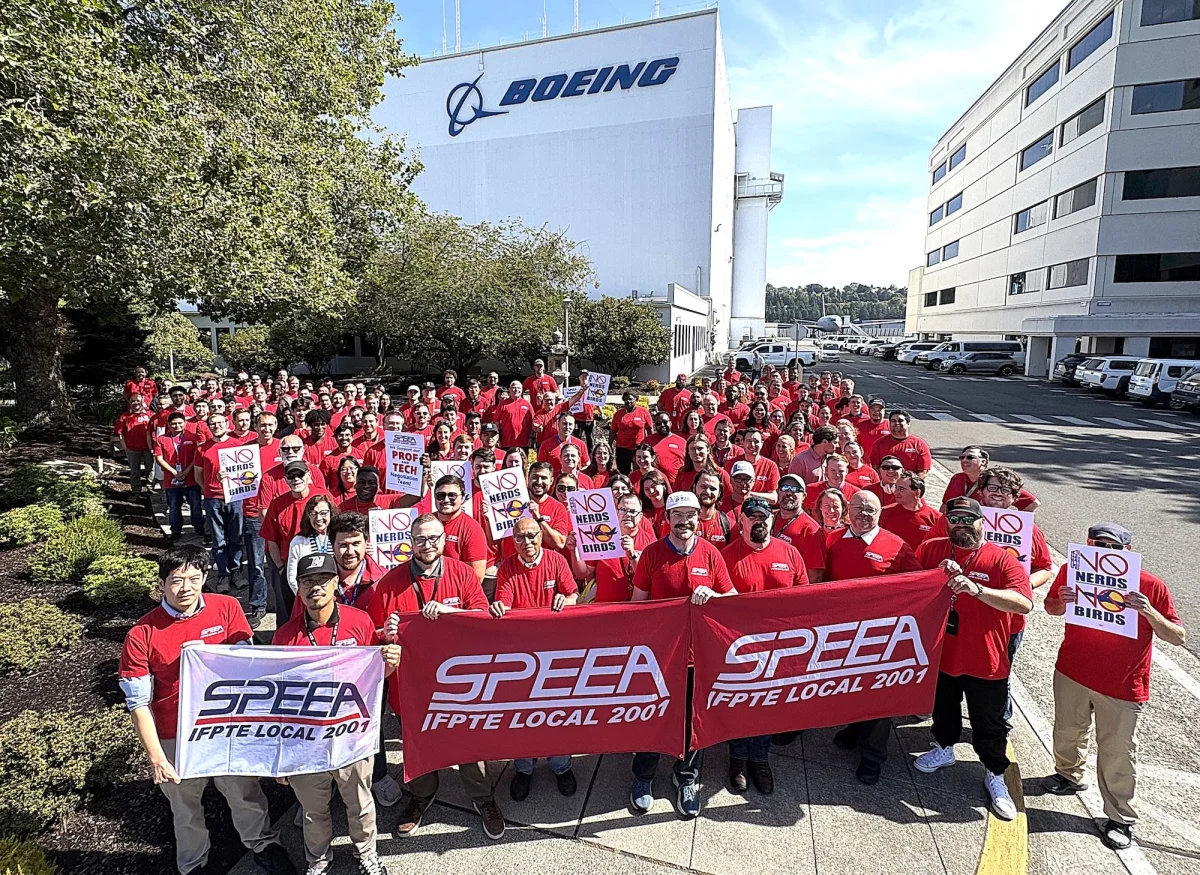
Boeing Tightens Spending Ahead of Critical SPEEA Union Vote
Boeing has implemented spending controls and a hiring freeze as it faces a critical contract ratification vote with its 17,000-member engineering union.

Boeing CEO Kelly Ortberg Warns of 777X Certification Delay
Boeing CEO Kelly Ortberg warned that a potential strike by 17,000 engineers would immediately halt the 777X certification and production programs.
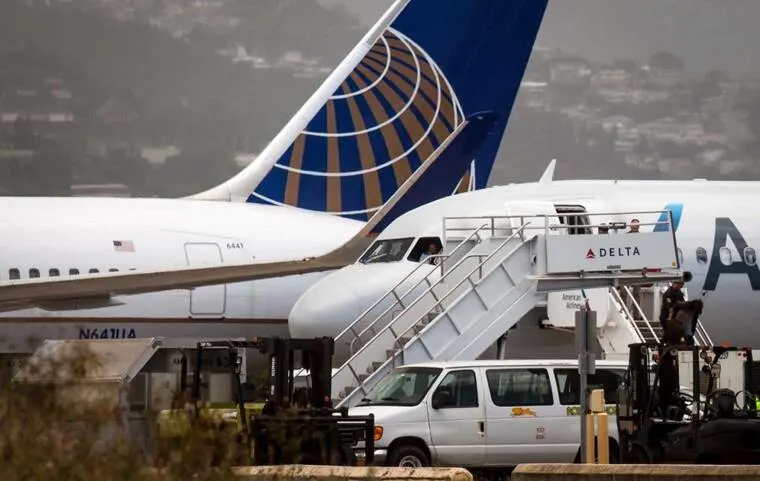
American and United Plan Capacity Cuts Amid Fuel Cost Surge
American and United are trimming flight schedules to offset a $1 billion fuel cost spike while maintaining strong pricing power.
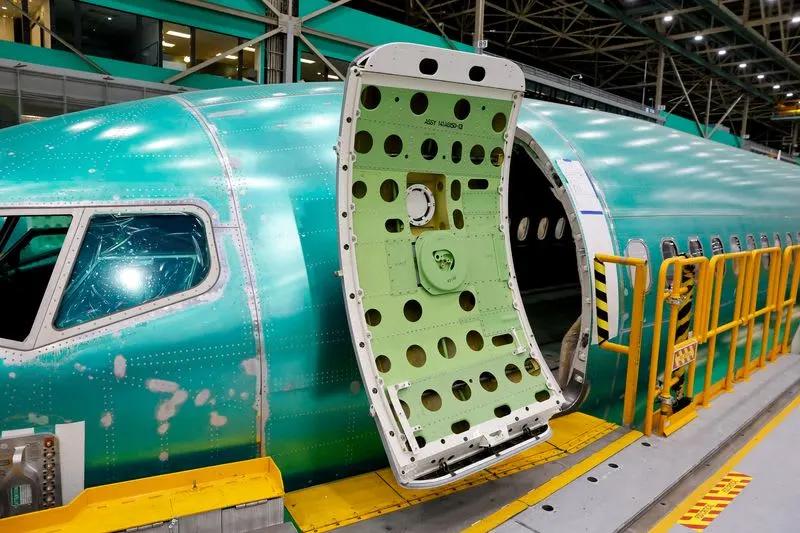
Boeing CEO Reports 737 MAX Output Stabilization Delays
Boeing CEO Kelly Ortberg reports slower 737 MAX production stabilization, prompting a downward revision in 2026 free cash flow expectations to $2 billion.
Boeing Finalizes KAL Order, Salvages Turkish Airlines Deal
Boeing secured a $36.2 billion order from Korean Air Lines for 103 aircraft and nears a resolution on a 150-jet deal with Turkish Airlines.
Airbus Forecasts 42,000 New Jets Amid Strong Global Demand
Airbus expects 42,000 new aircraft deliveries globally by 2045, with 45% of demand concentrated in the Asia-Pacific region.