IATA Study: Engine MRO Bottlenecks Hinder Fleet Growth

Co-Founder & CEOAviation News Editor delivering trusted coverage across the global aviation industry.

A new IATA study warns that engine MRO capacity constraints are fueling $11 billion in industry losses while grounding hundreds of aircraft.
Key Takeaways
- •MRO bottlenecks cost the airline industry $11 billion in 2025.
- •Grounded GTF-powered aircraft peaked at 648 units in March 2025.
- •CFM LEAP shop visits are forecast to exceed 5,000 annually by 2040.
- •IATA urges regulators to approve more independent engine repair solutions.
The Growing MRO Capacity Gap
A new IATA engine study warns that aircraft MRO capacity for next-generation engines is failing to keep pace with global fleet expansion. These next-generation engine bottlenecks have triggered widespread operational disruptions and significant financial strain across the aviation sector. According to the International Air Transport Association (IATA) and Emerton, these systemic aviation supply chain failures resulted in an estimated $11 billion cost to the global airline industry in 2025 alone.
Operational Impact on Next-Gen Fleets
The crisis is most acute for operators of the Pratt & Whitney Geared Turbofan (GTF) and CFM International (CFM) Leading Edge Aviation Propulsion (LEAP) engines. The report identifies that grounded Pratt & Whitney GTF-powered aircraft peaked at 648 in March 2025, representing approximately 28% of the global GTF fleet. This reduction in available capacity has forced many airlines to extend leases on older, less fuel-efficient aircraft to maintain schedules. Data indicates the average commercial fleet age has now reached a record 15.2 years as a direct result of these maintenance delays.
Shop Visit Projections
The demand for service is expected to climb significantly over the next two decades. Annual shop visits for CFM LEAP engines are forecast to surge from a range of 600–800 in 2025 to over 5,000 by 2040. Simultaneously, annual shop visits for Pratt & Whitney GTF engines are expected to double from approximately 1,000 in 2025 to over 2,000 by 2040. These projections highlight the urgent need for expanded aftermarket infrastructure to prevent long-term fleet stagnation.
Technical Comparison: LEAP vs. GTF
| Metric | CFM LEAP | Pratt & Whitney GTF |
|---|---|---|
| Architecture | Conventional turbofan | Geared turbofan |
| Forecast 2040 Annual Shop Visits | Over 5,000 | Over 2,000 |
| Grounded Fleet Peak (March 2025) | Not specified | 648 aircraft (28%) |
Regulatory and Structural Challenges
IATA Director General Willie Walsh has called for systemic changes, including open access to spare parts and increased aftermarket competition. Currently, Original Equipment Manufacturers (OEMs) maintain tight control over the aftermarket MRO network. While OEMs argue that this control is essential to ensure flight safety, rigorous quality control, and the protection of intellectual property, IATA is urging the FAA (Federal Aviation Administration) and EASA (European Union Aviation Safety Agency) to accelerate the approval of alternative repair techniques and Parts Manufacturer Approval (PMA) components to reduce scrap rates.
Historical Precedents and Market Shifts
The current situation mirrors the 2017–2019 period, when Rolls-Royce Trent 1000 durability issues forced airlines to wet-lease replacement widebody aircraft while waiting for redesigned turbine blades and extended MRO shop visits. Today’s environment is further complicated by the fact that airlines are spending $1.4 billion on surplus inventory holding costs to mitigate unpredictable supply chain disruptions. This has created a high-stakes environment for aircraft lessors, who are seeing a 20–30% increase in lease rates as airlines scramble to secure backup assets.
What Comes Next for MRO Infrastructure
The industry is now focused on the transition toward 2040, when CFM LEAP and Pratt & Whitney GTF shop visit volumes are expected to reach their peak levels. Future stability will likely depend on the success of third-party MRO providers in capturing market share, provided that regulatory bodies facilitate broader access to repair data and parts. Airlines will continue to monitor engine time-on-wing performance as a primary indicator of whether current mitigation strategies are sufficient to stabilize their long-term fleet planning.
Why This Matters for Airline Economics
For airlines operating A320neo and 737 MAX fleets, these bottlenecks represent a major threat to profitability and operational reliability. The inability to service engines efficiently directly impacts the bottom line through increased fuel burn, the cost of hoarding spare parts, and the loss of revenue from grounded aircraft. As the industry moves forward, the ability to secure reliable MRO capacity will become a critical competitive differentiator for carriers globally.
Frequently Asked Questions
- What is the primary cause of the current engine MRO capacity bottleneck?
- The bottleneck is caused by a surge in demand for maintenance on next-generation engines, specifically the CFM LEAP and Pratt & Whitney GTF, which is outstripping the current capacity of OEM-controlled MRO networks.
- How many Pratt & Whitney GTF-powered aircraft were grounded in early 2025?
- The number of grounded Pratt & Whitney GTF-powered aircraft reached a peak of 648 in March 2025, which accounted for approximately 28% of the global GTF-powered fleet.
From airline operations to fleet updates, commercial aviation news lives at omniflights.com. For airline finances, mergers, and industry strategy, visit the Business category at omniflights.com/business.
Written by Hardik Vishwakarma
Co-Founder & Aviation News Editor leading initiatives that improve trust and visibility across the global aviation industry. Covers airlines, airports, safety, and emerging technology.
Visit ProfileYou Might Also Like
Discover more aviation news based on similar topics

Flydubai Upgrading 21 Boeing 737 MAX 8s to Flat Bed Seats
Flydubai is retrofitting 21 Boeing 737 MAX 8 aircraft with lie-flat business class seats to standardize its premium product by late 2027.
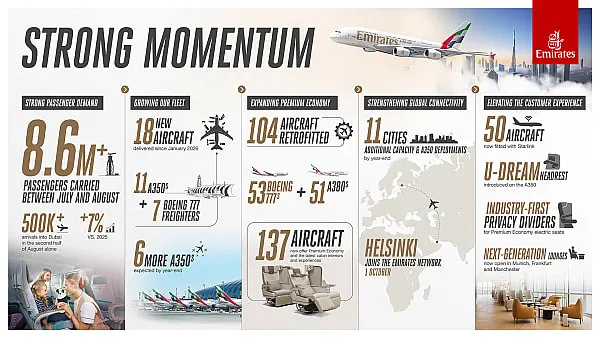
Emirates Winter Booking Momentum Grows Amid Fleet Expansion
Emirates carried 8.6 million passengers this summer and enters winter with strong demand as it accelerates fleet retrofits and network growth.
Air Arabia Consortium Gains AOC for New Dammam Budget Airline
A Saudi GACA-led consortium including Air Arabia has secured an AOC to launch a new budget airline based at Dammam's King Fahd International Airport.
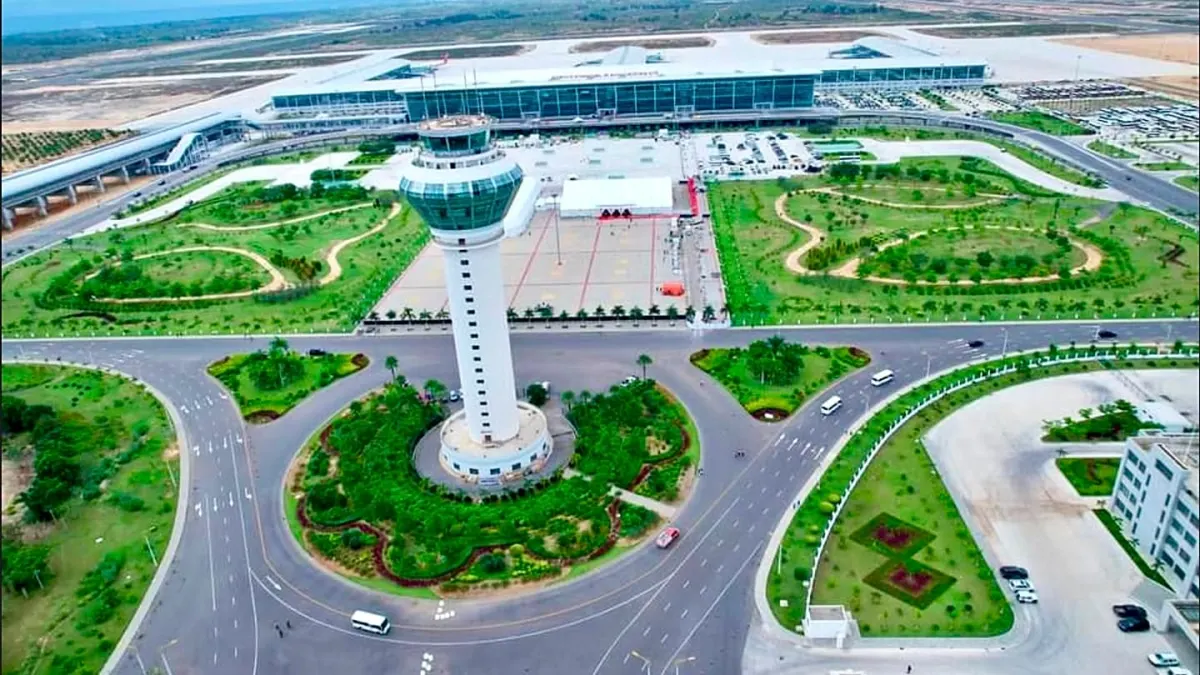
Turkish Airlines Exits Luanda as Angola Hub Struggles
Turkish Airlines dropped its Luanda route as Angola's new airport struggles to attract traffic, handling only 756,028 passengers in 2025.

Red Sea Airlines Leases Two 737 MAX 8s for 2027 Expansion
Red Sea Airlines signed a lease for two Boeing 737 MAX 8 aircraft from SMBC Aviation Capital, arriving in 2027 to support its 14-aircraft fleet goal.

Avelo CEO Warns Airfares May Rise on Jet Fuel Price Spikes
Avelo Airlines CEO Andrew Levy warns that rising fuel costs may force fare increases as global jet fuel prices reach $171.01 per barrel.