IAG Warns of Fare Hikes Amid €2B Fuel Cost Surge

Co-Founder & CEOAviation News Editor delivering trusted coverage across the global aviation industry.
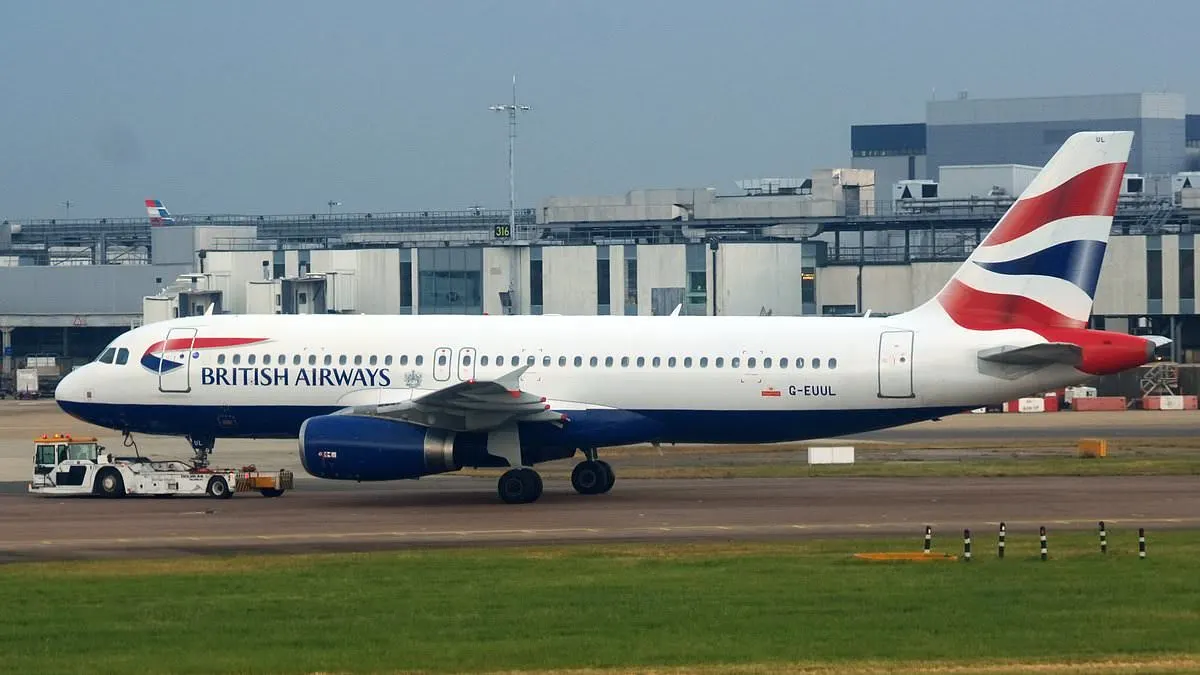
IAG, owner of British Airways, warns of fare hikes to offset a €2 billion surge in its 2026 fuel bill caused by the Middle East conflict.
Key Takeaways
- •IAG faces a €2 billion surge in its 2026 fuel bill, now totaling €9 billion.
- •British Airways fares will increase to cover about 60% of the new fuel costs.
- •IAG cuts its 2026 capacity growth forecast from 3% down to approximately 1%.
- •The airline group remains 70% hedged for fuel for the rest of 2026.
The parent company of British Airways has issued a stark warning that higher airfares are inevitable as geopolitical instability drives up fuel costs. International Airlines Group (IAG) announced that its IAG fuel costs 2026 are now projected to be €2 billion higher than previously forecast, a direct consequence of the aviation Middle East conflict impact. This jet fuel price surge forces the company to pass a significant portion of the new expense on to travelers, signaling a challenging period for both the airline and its passengers. The expected British Airways fare increase is part of a broader industry trend affecting carriers globally.
In an earnings call, IAG leadership detailed the scale of the financial pressure. The group's total fuel bill for 2026 is now expected to reach €9 billion. According to the IAG Q1 2026 Earnings Release, the company aims to recover approximately 60% of the additional €2 billion expenditure through a combination of fare adjustments and internal cost management strategies. This development will directly impact consumers, particularly UK tourists planning for the peak summer season. The airline group has also revised its operational strategy, cutting its 2026 capacity growth forecast, measured in Available Seat Kilometers (ASK), from 3% down to approximately 1%.
Financial and Operational Adjustments
IAG's Chief Executive Officer, Luis Gallego, stated that "the impact of the higher fuel price will inevitably lead to lower profit this year than we originally anticipated," adding that airlines "need to increase fares in order to mitigate the impact of fuel." Despite the financial headwinds, Gallego reassured stakeholders about fuel availability, noting the issue is "more about the price of fuel than availability." To manage price volatility, IAG confirmed it is 70% hedged for fuel for the remainder of 2026. This fuel hedging strategy provides some protection but cannot fully absorb a shock of this magnitude.
The situation is not unique to IAG. Competitor Air France-KLM recently reported that it expects a $2.4 billion increase in its own fuel bill for the year, underscoring the sector-wide nature of the crisis. Global jet fuel prices, tracked by sources like the IATA Jet Fuel Price Monitor, have shown sustained increases linked to the conflict. In response to potential supply chain disruptions, UK regulators, including the Department for Transport and the Civil Aviation Authority, have eased airport slot usage rules. This waiver allows airlines to cancel or consolidate flights without the risk of losing their valuable take-off and landing slots, providing crucial operational flexibility.
Historical Precedents
The current crisis mirrors previous geopolitical shocks that have impacted the aviation industry. The 2022 Russia-Ukraine War also caused a sudden spike in jet fuel prices and forced airspace closures, leading to widespread fare increases and the implementation of fuel surcharges. That event demonstrated how quickly regional conflicts can translate into higher operating costs for airlines globally.
A more severe historical parallel is the 2008 oil price spike, when crude oil reached nearly $150 a barrel. The financial strain led to multiple airline bankruptcies, significant capacity cuts, and the widespread introduction of ancillary fees, such as for checked baggage, as carriers scrambled to find new revenue streams. While IAG's current hedging position provides a buffer against such extreme outcomes, the 2008 crisis serves as a reminder of the industry's vulnerability to unmanaged fuel price volatility.
Industry and Passenger Impact
The direct impact will be felt most acutely by passengers and UK tourists, who face an estimated 8% increase in fares on British Airways flights as the carrier passes on costs. For IAG shareholders, the result is a forecast of lower-than-anticipated annual profits for 2026, though the company has confirmed its €1.5 billion share buyback program remains intact for now. The fare increases could also shift market dynamics, potentially giving a competitive advantage to European short-haul competitors if they can absorb fuel costs more effectively, though all airlines are facing the same underlying price pressure.
From an alternative viewpoint, some environmental advocacy groups note that higher ticket prices and reduced capacity growth could inadvertently align with climate goals by suppressing overall demand for air travel.
What Comes Next
Stakeholders will be watching IAG's next financial report closely. The company's Q2 2026 Earnings Release is confirmed for July 31, 2026, and is expected to provide further detail on the financial impact and the effectiveness of its mitigation strategies. The full effect of the fare increases on consumer demand will become clearest during the summer travel season peak in July and August 2026, a critical period for airline profitability.
Why This Matters
This development marks a significant shift in the aviation market, where pricing power is moving from being demand-led back to being dictated by operational costs. For the industry, it underscores the persistent vulnerability to geopolitical events and commodity price shocks, even with sophisticated hedging strategies. For travelers, it signals that the era of post-pandemic recovery fares is likely over, replaced by a new reality where regional conflicts have a direct and immediate impact on the cost of global travel.
Frequently Asked Questions
- Why is British Airways increasing its ticket prices in 2026?
- Parent company IAG is raising fares across its airlines, including British Airways, to offset a €2 billion surge in its annual fuel bill. This increase is a direct result of rising jet fuel prices caused by the conflict in the Middle East.
- How much have IAG's fuel costs increased?
- International Airlines Group's estimated fuel bill for 2026 has increased by €2 billion, reaching a new total of €9 billion for the year. The company aims to recover approximately 60% of this additional cost through higher fares and other measures.
Visit omniflights.com for the latest commercial aviation news and airline industry updates. Get the latest updates on major hubs, regional terminals, and airport operations via the Airports section at omniflights.com/airports.
Written by Hardik Vishwakarma
Co-Founder & Aviation News Editor leading initiatives that improve trust and visibility across the global aviation industry. Covers airlines, airports, safety, and emerging technology.
Visit ProfileYou Might Also Like
Discover more aviation news based on similar topics
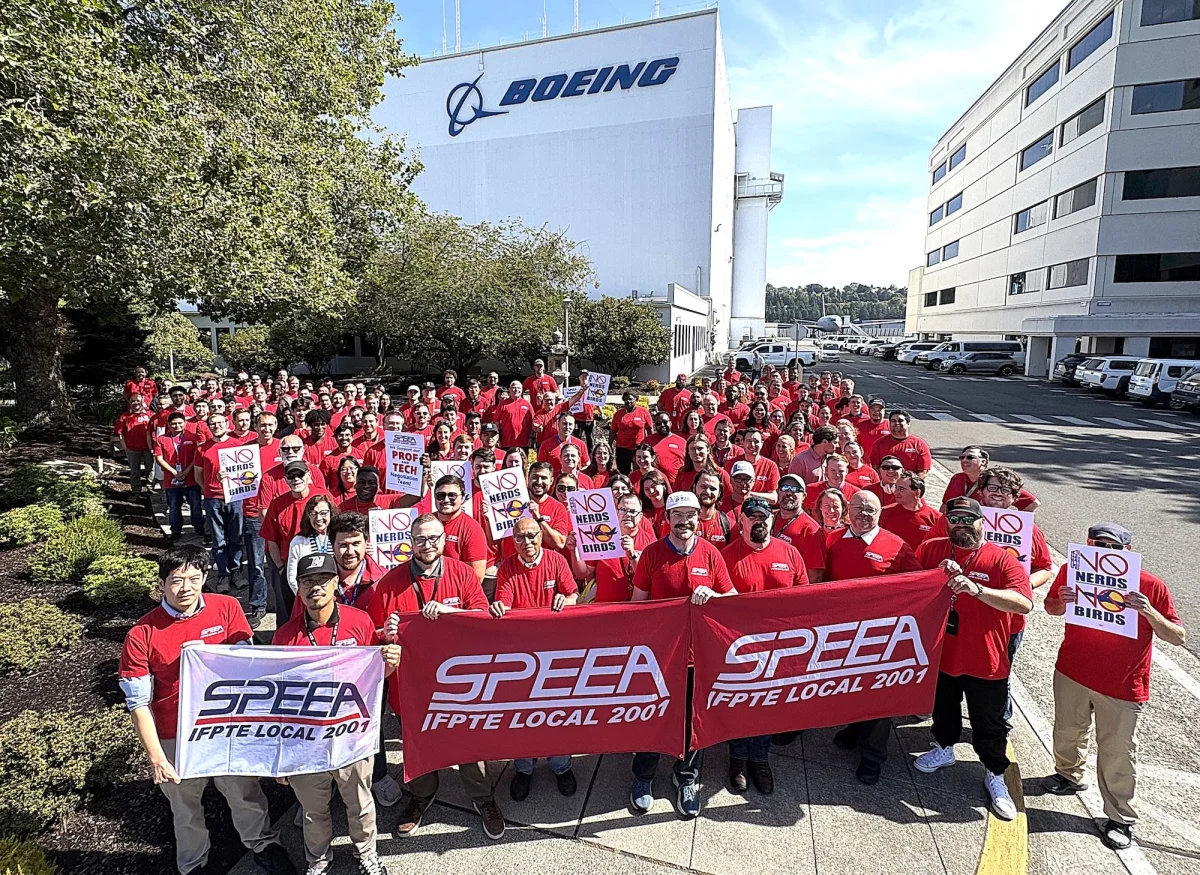
Boeing Tightens Spending Ahead of Critical SPEEA Union Vote
Boeing has implemented spending controls and a hiring freeze as it faces a critical contract ratification vote with its 17,000-member engineering union.
Boeing CEO Kelly Ortberg Warns of 777X Certification Delay
Boeing CEO Kelly Ortberg warned that a potential strike by 17,000 engineers would immediately halt the 777X certification and production programs.
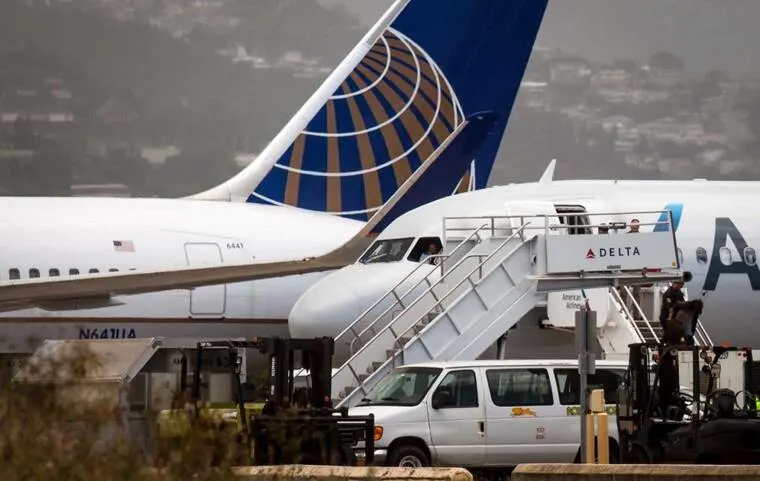
American and United Plan Capacity Cuts Amid Fuel Cost Surge
American and United are trimming flight schedules to offset a $1 billion fuel cost spike while maintaining strong pricing power.
Boeing CEO Reports 737 MAX Output Stabilization Delays
Boeing CEO Kelly Ortberg reports slower 737 MAX production stabilization, prompting a downward revision in 2026 free cash flow expectations to $2 billion.
Boeing Finalizes KAL Order, Salvages Turkish Airlines Deal
Boeing secured a $36.2 billion order from Korean Air Lines for 103 aircraft and nears a resolution on a 150-jet deal with Turkish Airlines.
Airbus Forecasts 42,000 New Jets Amid Strong Global Demand
Airbus expects 42,000 new aircraft deliveries globally by 2045, with 45% of demand concentrated in the Asia-Pacific region.