Helsinki Airport Drone Alert Grounds Flights for 3 Hours

Co-Founder & CEOAviation News Editor delivering trusted coverage across the global aviation industry.
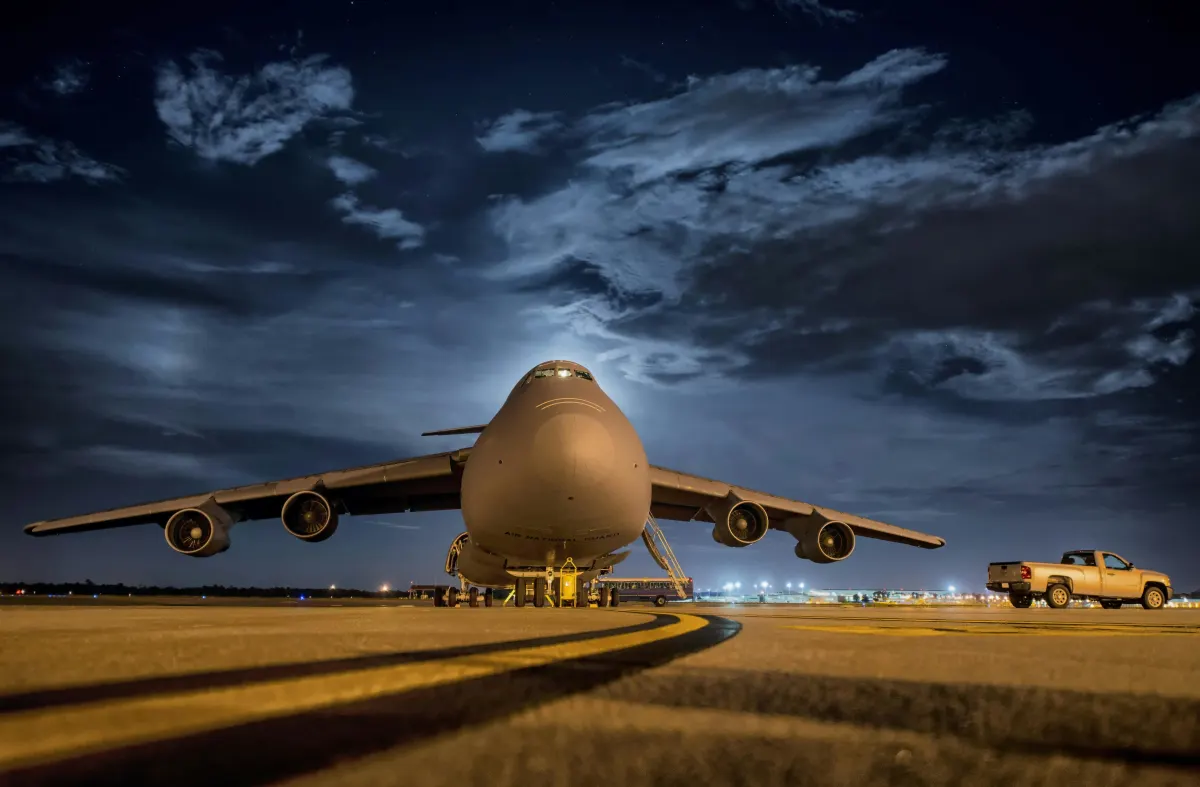
Helsinki Airport closed for 3 hours after a drone alert, causing flight diversions and canceling 10% of traffic as fighter jets were scrambled.
Key Takeaways
- •Helsinki Airport closed for over 3 hours due to a mystery drone alert.
- •Finnish Air Force scrambled F/A-18 fighter jets in response to the threat.
- •Approximately 10% of daily flights were canceled and nine long-haul flights diverted.
- •Incident follows similar drone disruptions at Gatwick, Munich, and Copenhagen.
An emergency drone warning over the Uusimaa region of Finland triggered a full airspace closure at Helsinki-Vantaa Airport (HEL) on Friday, May 15, 2026, halting all operations for over three hours. The Helsinki Airport drone closure led to significant network disruptions, including numerous Finnair flight diversions and the cancellation of approximately 10% of the airport's daily scheduled traffic. The seriousness of the Finland airspace drone alert prompted the Finnish Air Force to scramble F/A-18 Hornet fighter jets to patrol the capital region.
The disruption began at approximately 4:00 AM local time and lasted until 7:19 AM, a critical period for the airport's early morning bank of long-haul arrivals. According to data from Finavia, the airport operator, the precautionary measure was deemed necessary to ensure the safety of aircraft and passengers. The incident's impact extended beyond the airport, as the Helsinki City Rescue Department issued a shelter-in-place alert for the nearly 1.8 million residents of the Uusimaa region.
Operational and Passenger Impact
For airlines, the shutdown caused immediate and cascading operational challenges. At least nine long-haul flights inbound to Helsinki were forced to divert to alternate airports, including Stockholm (ARN), Rovaniemi (RVN), and Tallinn (TLL), according to flight tracking data. Finnair, the airport's hub carrier, was severely affected, particularly its flights arriving from Asia. The diversions created complex logistical issues related to crew duty times, aircraft repositioning, and passenger re-accommodation.
Passengers faced significant delays and cancellations. While airlines are obligated to provide care, such as meals, hotels, and rebooking, the incident highlights a critical aspect of passenger rights. According to aviation consumer advocates, security-related airspace closures are legally classified as 'extraordinary circumstances' under European Union regulations. This exempts airlines from paying cash compensation, placing the financial burden of missed connections and schedule changes primarily on travelers.
A National Security Response
The decision to deploy military assets for a civilian airspace incident underscores the perceived severity of the threat. In official statements, Finnish Prime Minister Petteri Orpo and Interior Minister Mari Rantanen confirmed the response was a necessary precaution. While they later clarified that the situation did not pose a direct military threat to the public, the use of fighter jets reflects a growing trend of treating sophisticated drone incursions as national security events.
This incident is governed by a framework of European and national regulations. The European Union Aviation Safety Agency (EASA) sets overarching rules, detailed on its Civil Drones Portal, which strictly prohibit unauthorized drone flights near airports. In Finland, the Finnish Transport and Communications Agency (Traficom) enforces these rules through designated UAS Geographical Zones (UGZ), which create no-fly areas around critical infrastructure. The breach of this protected airspace at Helsinki suggests a deliberate act by a capable operator.
Context of European Drone Incidents
The Helsinki closure is not an isolated event but part of an escalating pattern of drone disruptions at major European airports. It draws immediate comparisons to the December 2018 Gatwick Airport incident, which grounded over 1,000 flights and affected 150,000 passengers over three days. That event served as a wake-up call, spurring investment in counter-drone technology globally.
More recently, similar airspace closures occurred at Munich Airport in October 2025 and a coordinated incursion affected both Copenhagen and Oslo airports in September 2025. These precedents highlight a clear trend: drone incursions are becoming more frequent and sophisticated, challenging the capabilities of civilian airport operators and air traffic control. Security analysts argue that traditional radar and surveillance systems are often inadequate for detecting and tracking small, low-flying drones, exposing a critical vulnerability in national infrastructure defense.
What Comes Next
An investigation into the source of the drone has been launched by the Finnish Criminal Police and the Military Counterintelligence Service, with initial findings expected in late 2026. The primary focus will be to identify the drone's operator and determine the motive behind the incursion. Official updates from the airport operator are available through the Finavia Newsroom.
In parallel, the Finnish Defense Forces are expected to conduct a comprehensive review of national airspace surveillance capabilities by the fourth quarter of 2026. This review will likely assess the need for enhanced counter-drone technologies and revised protocols for civil-military cooperation during such security events.
Why This Matters
This incident at Helsinki Airport is a stark reminder of the evolving security landscape for commercial aviation. It demonstrates that unauthorized drones pose a credible and highly disruptive threat, capable of shutting down a major international hub and triggering a national security-level response. The event highlights the growing need for robust counter-drone systems, clearer international protocols, and a re-evaluation of how risk is managed in an era of increasingly accessible and advanced unmanned aerial technology.
Frequently Asked Questions
- Why was Helsinki Airport closed on May 15, 2026?
- Helsinki Airport was closed for approximately three hours due to an emergency warning for one or more unauthorized drones in the airspace. The closure was a precautionary security measure that led to significant flight cancellations and diversions.
- What was the military response to the Helsinki drone alert?
- The Finnish Air Force scrambled F/A-18 Hornet fighter jets to patrol the capital region of Uusimaa and investigate the drone threat. This represented a significant military deployment for what was ultimately a civilian airspace incident.
- Are passengers compensated for flights canceled by drone alerts?
- Under European Union rules, passengers are typically not eligible for cash compensation for cancellations caused by security-related airspace closures, as these are considered 'extraordinary circumstances'. Airlines must still provide care, such as rebooking and accommodation.
omniflights.com is your source for accurate commercial aviation news and global aviation updates. Discover how innovation is shaping aviation through aircraft systems, avionics, and digital tools at omniflights.com/technology.
Written by Hardik Vishwakarma
Co-Founder & Aviation News Editor leading initiatives that improve trust and visibility across the global aviation industry. Covers airlines, airports, safety, and emerging technology.
Visit ProfileYou Might Also Like
Discover more aviation news based on similar topics
Flydubai FZ1073 Hijacker Flagged as Security Risk by Oman
A Flydubai co-pilot accused of attempting to crash flight FZ1073 had been previously barred from flying in Oman due to extremist concerns.

FAA Clears Boeing 737 MAX Software Issue, Resumes MAX 10
The FAA cleared a Boeing 737 MAX software issue after a safety review, allowing the 737 MAX 10 certification process to resume immediately.
Flydubai Flight 1073 Hijacking Attempt Over Jordan
A Flydubai Flight 1073 co-pilot attacked the captain mid-flight on September 30, 2026, forcing passengers to intervene and stabilize the aircraft.

Families Demand DCA Midair Collision Safety Reforms
Families of 67 victims from the 2025 DCA midair collision are pressing Congress for mandatory ADS-B In technology to prevent future aviation tragedies.
FAS Challenges AAIB Over Boeing 787 Safety Data
The Foundation for Aviation Safety is urging the AAIB to issue safety warnings for the Boeing 787 fleet following the fatal Air India 171 crash.
NTSB Safety Recommendations Lag Amid 6 Monthly Near-Misses
Approximately 6 near-miss incidents occur monthly at U.S. airports as 270 NTSB safety recommendations remain unaddressed by federal regulators.